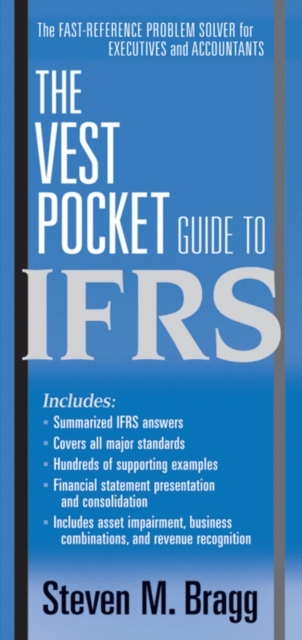
Quick answers to your IFRS questions Presented in a question and answer format, The Vest Pocket IFRS provides a brief explanation of each IFRS topic, the issues involved, and the solution.
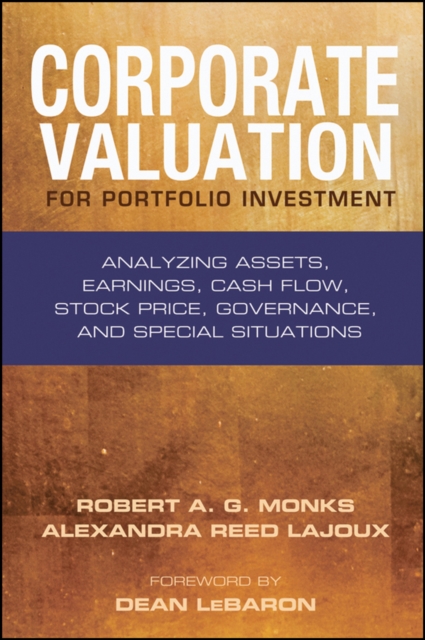
A detailed guide to the discipline of corporate valuation Designed for the professional investor who is building an investment portfolio that includes equity, Corporate Valuation for Portfolio Investment takes you through a range of approaches, including those primarily based on assets, earnings, cash flow, and securities prices, as well as hybrid techniques.
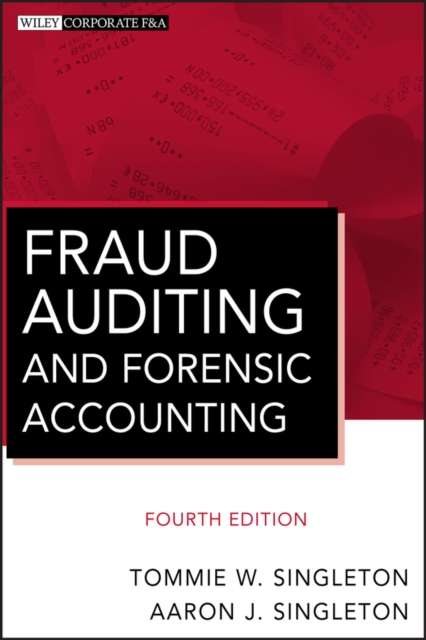
FRAUD AUDITING AND FORENSIC ACCOUNTING With the responsibility of detecting and preventing fraud falling heavily on the accounting profession, every accountant needs to recognize fraud and learn the tools and strategies necessary to catch it in time.
FRAUD AUDITING AND FORENSIC ACCOUNTING With the responsibility of detecting and preventing fraud falling heavily on the accounting profession, every accountant needs to recognize fraud and learn the tools and strategies necessary to catch it in time.
The failure of current mechanisms to either predict the collapse of various companies or curb corrupt practises has kept the subject of external reporting to the fore.
With the use of practical in-depth case studies and interviews with leading experts in the field, this book analyses the key elements in value creation in the new age.
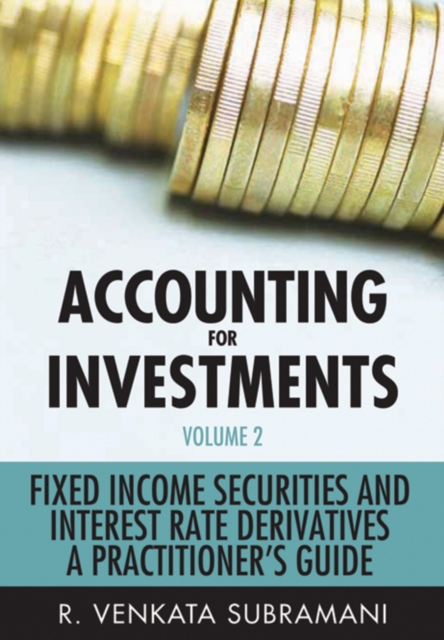
A comprehensive guide to new and existing accounting practices for fixed income securities and interest rate derivatives The financial crisis forced accounting standard setters and market regulators around the globe to come up with new proposals for modifying existing practices for investment accounting.
A comprehensive guide to new and existing accounting practices for fixed income securities and interest rate derivatives The financial crisis forced accounting standard setters and market regulators around the globe to come up with new proposals for modifying existing practices for investment accounting.
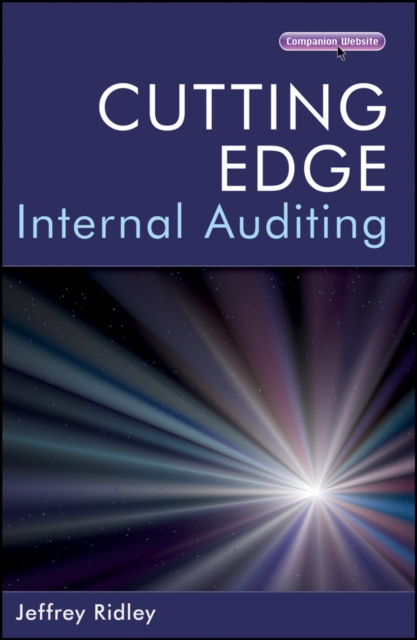
Cutting Edge Internal Auditing provides guidance and knowledge for every internal auditor, encouraging each to pioneer new ground in the development of their professional practices in all risk management, control and governance processes.
The first edition of The Internal Auditing Handbook received wide acclaim from readers and became established as one of the definitive publications on internal auditing.
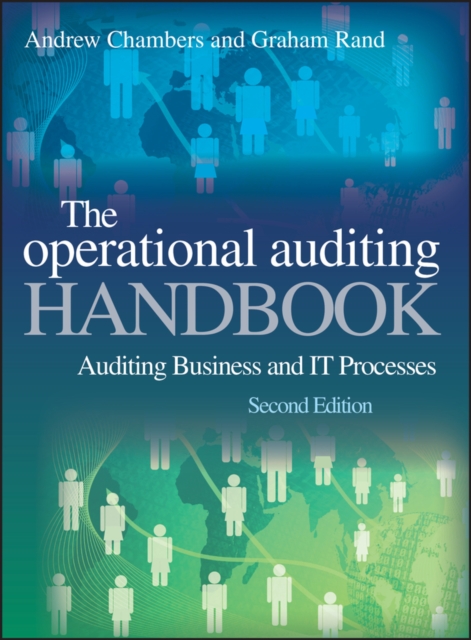
The operational auditing HANDBOOK Auditing Business and IT Processes Second Edition The Operational Auditing Handbook Second Edition clarifies the underlying issues, risks and objectives for a wide range of operations and activities and is a professional companion for those who design self-assessment and audit programmes of business processes in all sectors.
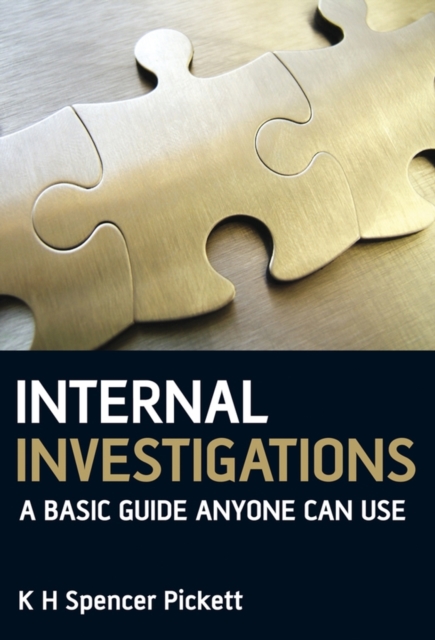
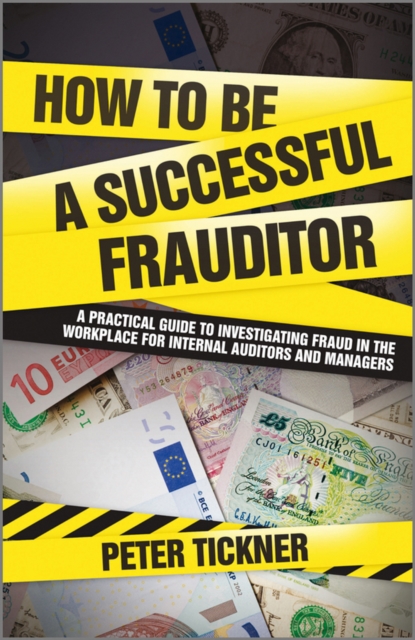
This book shows how anyone who finds they need to investigate a fraud at work can conduct a successful investigation and maximise their chances of recovering stolen money.
The first edition of The Internal Auditing Handbook received wide acclaim from readers and became established as one of the definitive publications on internal auditing.
The operational auditing HANDBOOK Auditing Business and IT Processes Second Edition The Operational Auditing Handbook Second Edition clarifies the underlying issues, risks and objectives for a wide range of operations and activities and is a professional companion for those who design self-assessment and audit programmes of business processes in all sectors.
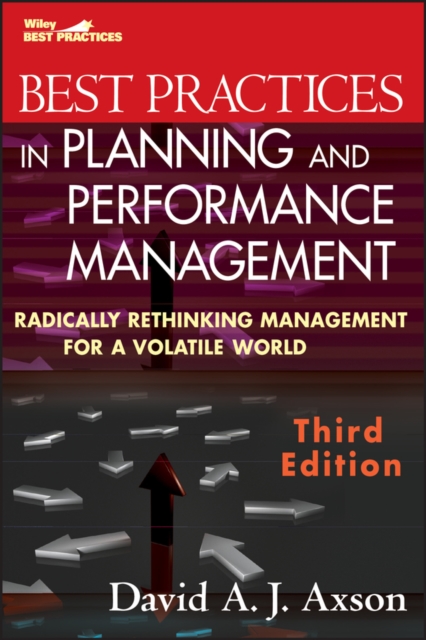
A practical framework for effectively managing performance in today's complex, competitive and risky global markets The Third Edition provides a complete framework for building best practice management processes for today's complex and uncertain world.
A practical framework for effectively managing performance in today's complex, competitive and risky global markets The Third Edition provides a complete framework for building best practice management processes for today's complex and uncertain world.
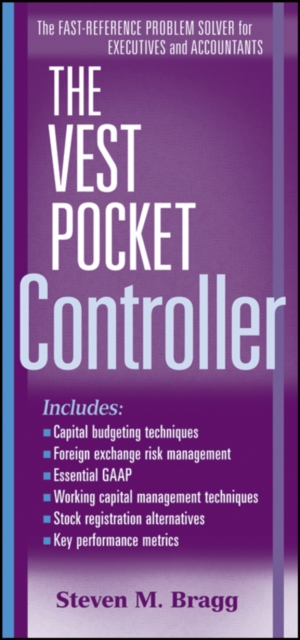
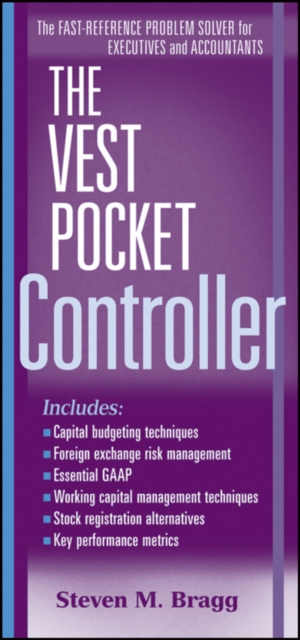
The all-new fast-reference problem solver for controllers The Vest Pocket Controller is the handy pocket problem-solver that gives today's busy executives and accountants the helpful information they need in a quick-reference format.
The all-new fast-reference problem solver for controllers The Vest Pocket Controller is the handy pocket problem-solver that gives today's busy executives and accountants the helpful information they need in a quick-reference format.
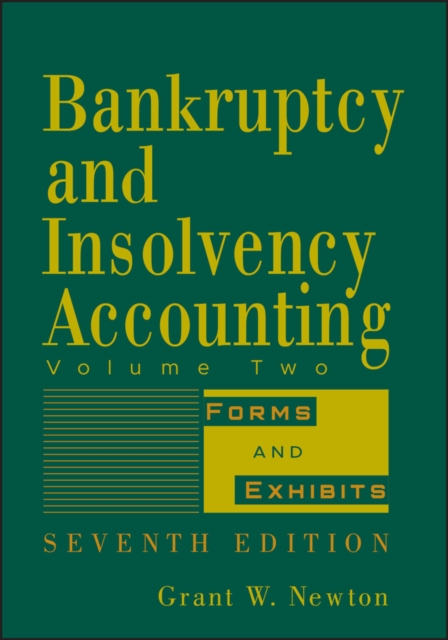
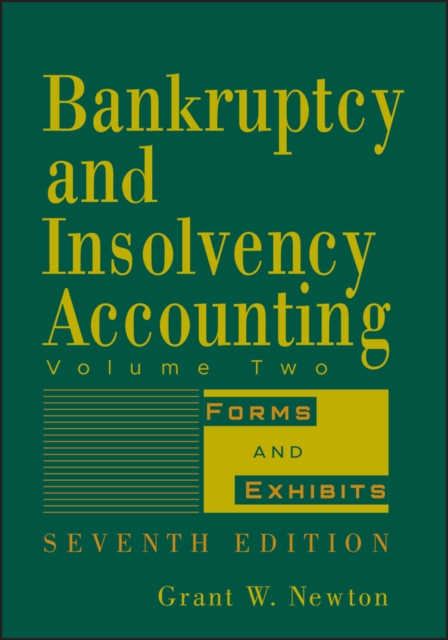
With the rise in the number of mergers and acquisitions taking place in today's business environment, there will undoubtedly be a rise in the number of bankruptcies.
With the rise in the number of mergers and acquisitions taking place in today's business environment, there will undoubtedly be a rise in the number of bankruptcies.
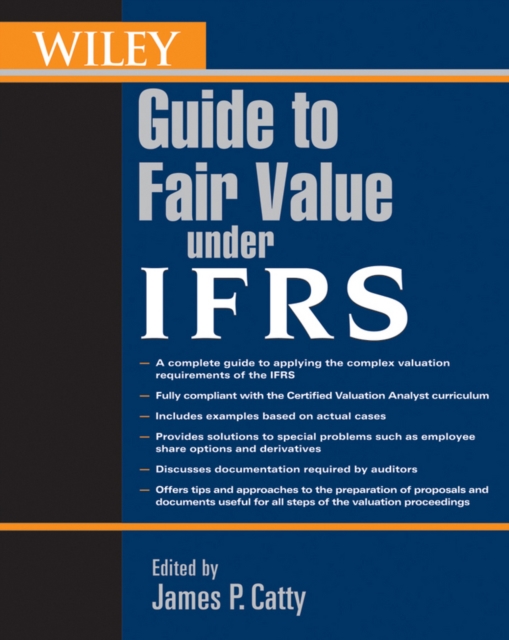
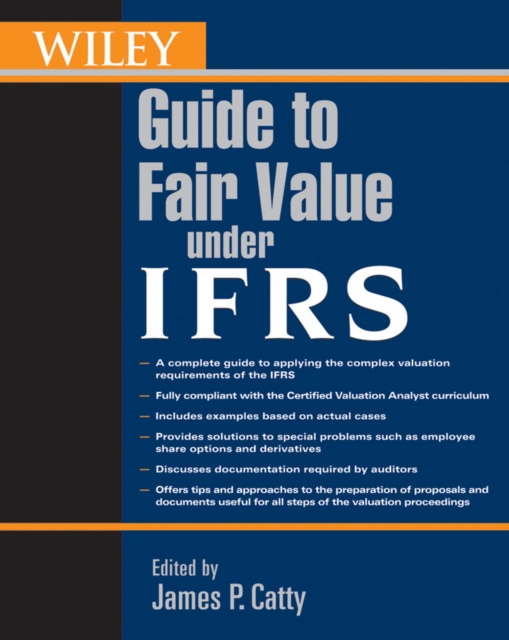
Your one indispensable guide to all the Fair Value requirements of IFRS Acomplete guide to the complex valuation requirements of IFRS, this book includes chapters on theoretical and practical applications, with extensive examples illustrating the required techniques for each application.
Your one indispensable guide to all the Fair Value requirements of IFRS Acomplete guide to the complex valuation requirements of IFRS, this book includes chapters on theoretical and practical applications, with extensive examples illustrating the required techniques for each application.
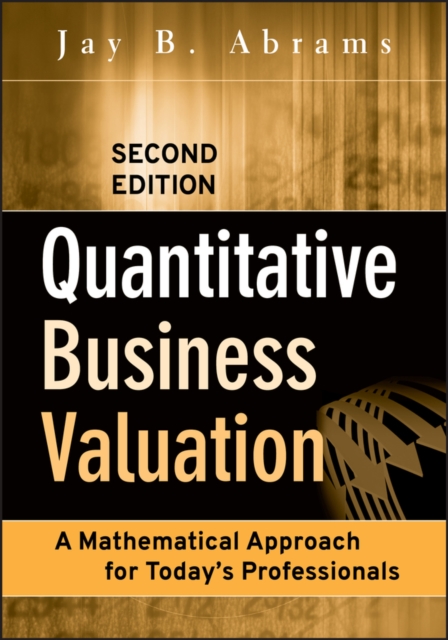
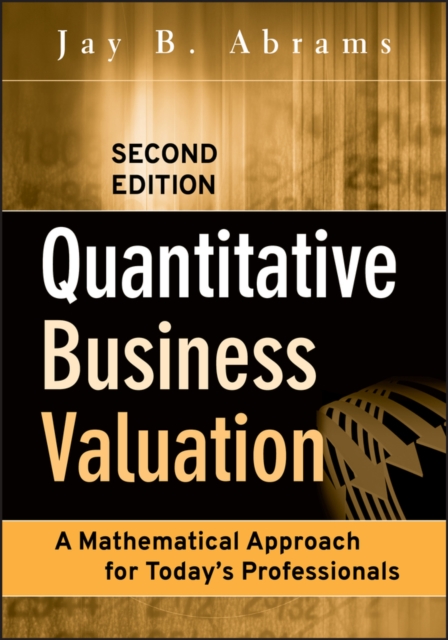
Quantitative Business Valuation A Mathematical Approach for Today's Professionals Essential reading for the serious business appraiser, Quantitative Business Valuation, Second Edition is the definitive guide to quantitative measurements in the valuation process.
Quantitative Business Valuation A Mathematical Approach for Today's Professionals Essential reading for the serious business appraiser, Quantitative Business Valuation, Second Edition is the definitive guide to quantitative measurements in the valuation process.
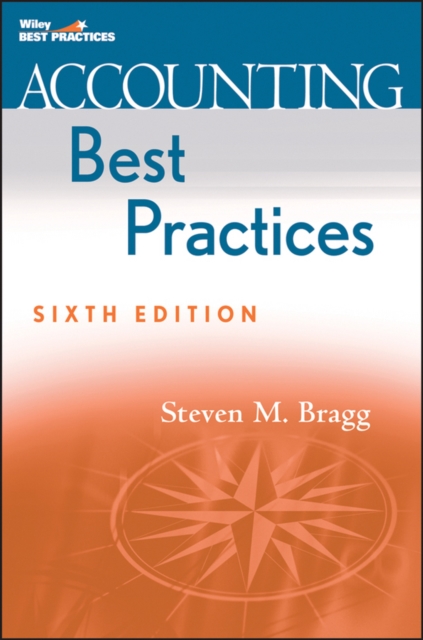
Praise for Accounting Best Practices Sixth Edition "e;For a comprehensive, yet easy-to-read guide to fixing those all-too-common shortcomings in your accounting department, look no further than this excellent book.
Praise for Accounting Best Practices Sixth Edition "e;For a comprehensive, yet easy-to-read guide to fixing those all-too-common shortcomings in your accounting department, look no further than this excellent book.
A hands-on volume for financial executives with guidance on the fair value measurement process In today's dynamic and volatile markets, whether buying or selling, what corporate officers need to know is the worth of an asset today, a task that for many has become complex and at times confusing.
A hands-on volume for financial executives with guidance on the fair value measurement process In today's dynamic and volatile markets, whether buying or selling, what corporate officers need to know is the worth of an asset today, a task that for many has become complex and at times confusing.
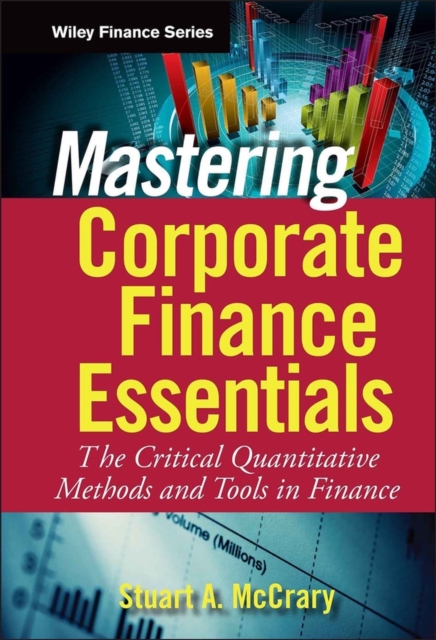
An essential guide to corporate finance Understanding corporate finance is a necessity for financial practitioners who struggle every day to find the right balance between maximizing corporate value and reducing a firm's financial risk.
An essential guide to corporate finance Understanding corporate finance is a necessity for financial practitioners who struggle every day to find the right balance between maximizing corporate value and reducing a firm's financial risk.
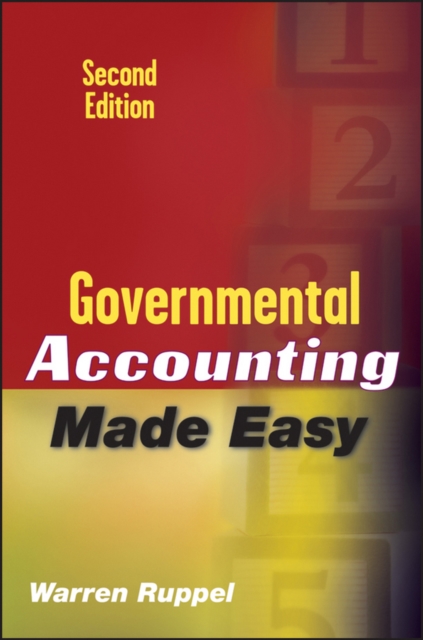
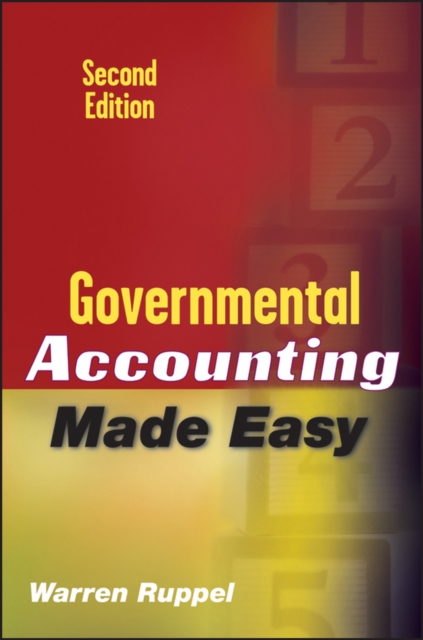
For laypeople and accountants with little or no governmental accounting experience, Governmental Accounting Made Easy, Second Edition is a complete and easy-to-use road map to a broad range of governmental accounting topics, and how these individual aspects of governmental accounting work together under the financial reporting model for governments adopted by the Governmental Accounting Standards Board.
For laypeople and accountants with little or no governmental accounting experience, Governmental Accounting Made Easy, Second Edition is a complete and easy-to-use road map to a broad range of governmental accounting topics, and how these individual aspects of governmental accounting work together under the financial reporting model for governments adopted by the Governmental Accounting Standards Board.
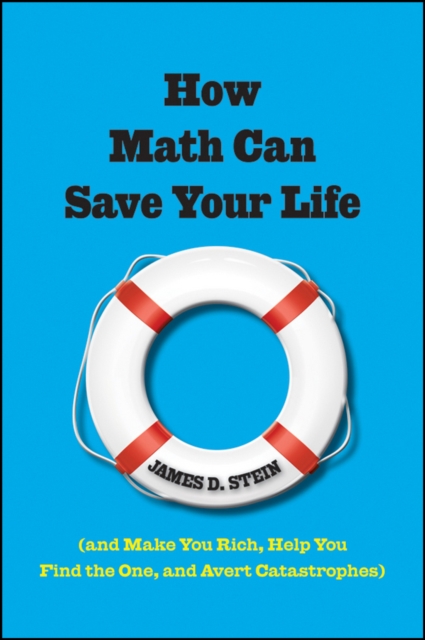
How to make lots of money, keep yourself safe, and even save the world-all by using a little simple mathForget the dull, boring math you learned in school.