The text explores the implementation of the European Sustainability Reporting Standards (ESRS) within the specific context of Cooperative Credit Banks (CCBs).
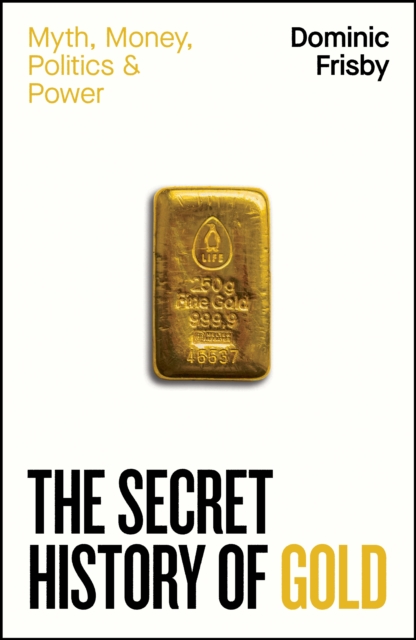
Essential reading Rory Sutherland, author of Alchemy Possibly the best-timed book ever Merryn Somerset Webb, Bloomberg Gold (noun): A precious, yellow metal, prized for its beauty.
Kate Kelly, acclaimed journalist and author of Street Fighters, investigates the world of commodities tradersWhen most of us think of the drama of global finance, we think of stocks and bonds.
This book constitutes the proceedings of the 6th International Conference on Financial Technology, ICFT 2025, held in Hong Kong, China, during November 6–8, 2025.
"e;Green Ventures: Uniting Sustainability, Finance, and Entrepreneurship"e; serves as a comprehensive guide for entrepreneurs seeking to build financially sustainable businesses while addressing climate action.
This book constitutes the proceedings of the 6th International Conference on Financial Technology, ICFT 2025, held in Hong Kong, China, during November 6–8, 2025.
"e;Green Ventures: Uniting Sustainability, Finance, and Entrepreneurship"e; serves as a comprehensive guide for entrepreneurs seeking to build financially sustainable businesses while addressing climate action.
This book offers a comprehensive and interdisciplinary exploration of green finance as a key lever in addressing the global climate crisis and supporting sustainable development.
This book offers a comprehensive and interdisciplinary exploration of green finance as a key lever in addressing the global climate crisis and supporting sustainable development.
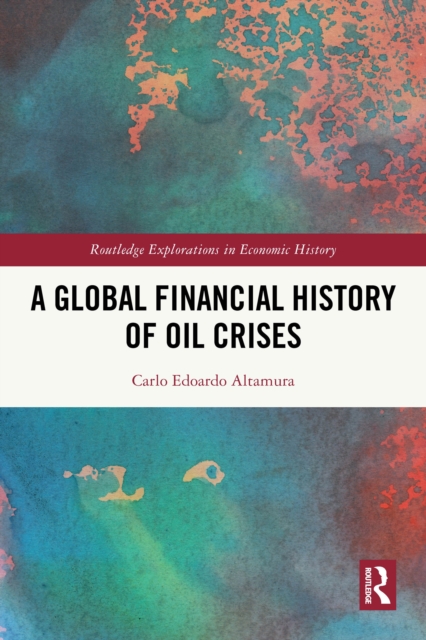
In this book, Altamura analyses the oil shocks of 1973 and 1979, considering their impact on the world economy and subsequent reactions to the global instability.
This book analyses the financial policies and institutions developed under the Franco regime over nearly four decades and how key actors - banks, savings banks, the foreign sector, the Banco de Espana and public debt management - were used to support the regime's economic objectives.
In a political climate favouring the private sector, the private landowners were more influential-and the planning authorities less powerful-than any time in the mid-1970s.
This book analyses the financial policies and institutions developed under the Franco regime over nearly four decades and how key actors - banks, savings banks, the foreign sector, the Banco de Espana and public debt management - were used to support the regime's economic objectives.
In a political climate favouring the private sector, the private landowners were more influential-and the planning authorities less powerful-than any time in the mid-1970s.
This book provides in-depth analysis of deferred prosecution agreements (DPAs), a tool first introduced in the United States and since implemented in the United Kingdom and other jurisdictions.