Over the first two decades of the 21st century - a period marked by profound global transformations and recurrent crises for many Latin American economies - two countries appeared to stand out for their sustained growth and notable improvements in social indicators: Bolivia and Peru.
Over the first two decades of the 21st century - a period marked by profound global transformations and recurrent crises for many Latin American economies - two countries appeared to stand out for their sustained growth and notable improvements in social indicators: Bolivia and Peru.
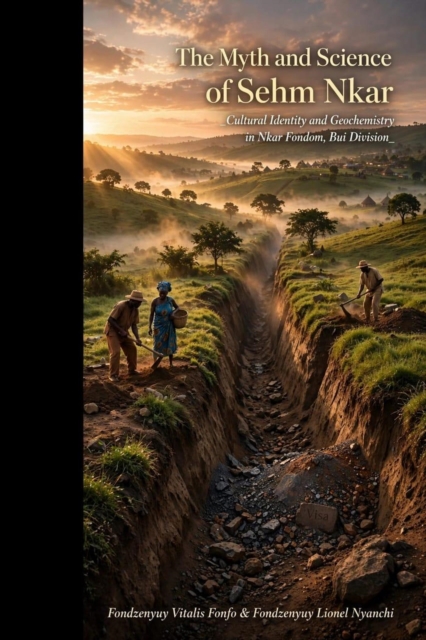
Beneath the rolling hills of Nkar Fondom in Bui Division, North West Cameroon, lies a monument that history tried to forget: Sehm Nkar — a massive trench carved into the earth by the hands of ancestors centuries ago.
The booming coal industry of the nineteenth and early twentieth centuries was the main reason behind the creation of modern south Wales and its miners were central to shaping the economics, politics and society of south Wales during the twentieth century.
Africa supplies the majority of the world's diamonds, yet consumers generally know little about the origins and history of these precious stones beyond sensationalized media accounts of so-called blood diamonds.
Africa supplies the majority of the world's diamonds, yet consumers generally know little about the origins and history of these precious stones beyond sensationalized media accounts of so-called blood diamonds.
Studienarbeit aus dem Jahr 2020 im Fachbereich VWL - Außenhandelstheorie, Außenhandelspolitik, Note: 2,3, FOM Essen, Hochschule für Oekonomie & Management gemeinnützige GmbH, Hochschulleitung Essen früher Fachhochschule, Sprache: Deutsch, Abstract: In dieser Arbeit werden die Chancen und Risiken des Erdölhandels am Beispiel der Vereinigten Arabischen Emirate analysiert.
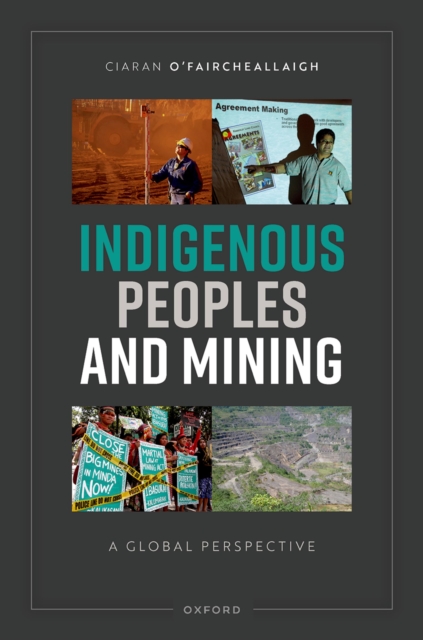
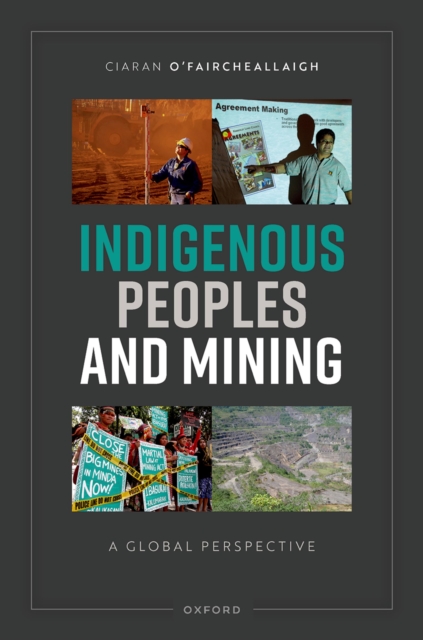
Indigenous peoples have occupied their territories for thousands of years, territories that are increasingly being mined by an industry applying the most modern extractive, marketing, and transport technologies on a scale that can be difficult to comprehend.
Indigenous peoples have occupied their territories for thousands of years, territories that are increasingly being mined by an industry applying the most modern extractive, marketing, and transport technologies on a scale that can be difficult to comprehend.
Do, Die, or Get Along weaves together voices of twenty-six people who have intimate connections to two neighboring towns in the southwestern Virginia coal country.
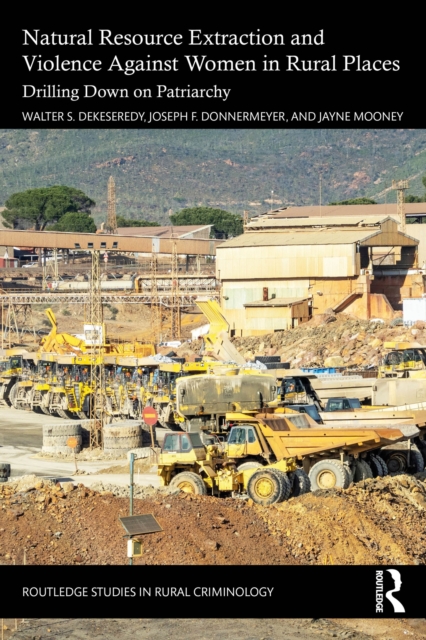
The phenomenon of boomtowns and of various impacts from resource extraction is global in the sense that it affects many, but certainly not all, rural communities throughout the world.
The phenomenon of boomtowns and of various impacts from resource extraction is global in the sense that it affects many, but certainly not all, rural communities throughout the world.
When confronted with a fire protection problem, building management is often desperately short on information and know-how in this critical component of protection for their own facility.
From Oil to Gas and Beyond chronicles the history of the petroleum industry in Trinidad and Tobago and appraises major policy decisions impacting its economy.
From Oil to Gas and Beyond chronicles the history of the petroleum industry in Trinidad and Tobago and appraises major policy decisions impacting its economy.
The thrilling history of the extraction and economic control of the world's major minerals - from Antiquity to the present day: gold, copper, iron, lithium, rare earths, and more.
En las últimas décadas, la ecorregión del Gran Chaco sudamericano ha experimentado cambios ambientales, sociales y económicos acelerados, resultado de una intensificación de las industrias extractivas, como la agroindustria, la ganadería, la tala y la explotación de hidrocarburos.
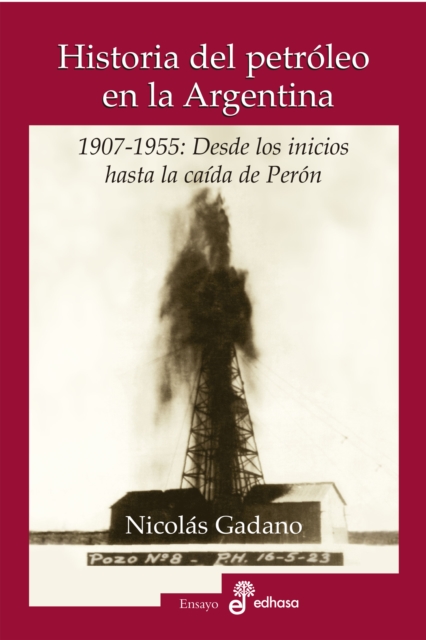
Este es un libro clave: gracias a una investigación monumental y a la consulta de miles de documentos reservados hasta ahora ignorados, Nicolás Gadano escribiólo que probablemente sea la versión definitiva del proceso, que va desde el descubrimiento del primer yacimiento petrolero, hasta la caída de Perón, y los encendidos debates suscitados en torno a la explotación y comercialización de este bien escaso cuyas consecuencias se dejan sentir aun en nuestros días.
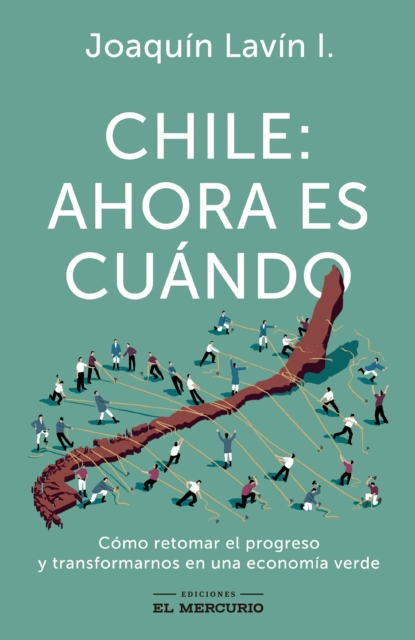
Chile necesita, de manera urgente, retomar su crecimiento económico para poder salir de la "trampa de los países de ingreso medio" y alcanzar el tan anhelado desarrollo.
First published in 1938, The International Distribution of Raw Materials by Herman Kranold offers a comprehensive analysis of the global distribution and management of raw materials.
A Study of Contemporary Ghana Volume 1: The Economy of Ghana (1966) examines the problems of social and economic change in a rapidly developing society.
First published in 1938, The International Distribution of Raw Materials by Herman Kranold offers a comprehensive analysis of the global distribution and management of raw materials.
A Study of Contemporary Ghana Volume 1: The Economy of Ghana (1966) examines the problems of social and economic change in a rapidly developing society.
This book examines the social, environmental, and political sustainability of Peru's mining industry as it seeks to garner the benefits of the energy transition between now and 2050.
This book examines the social, environmental, and political sustainability of Peru's mining industry as it seeks to garner the benefits of the energy transition between now and 2050.
The sources in this volume concentrate on British investments in Latin America-both material and imaginative-including new post-independence opportunities for tourism.
The sources in this volume concentrate on British investments in Latin America-both material and imaginative-including new post-independence opportunities for tourism.
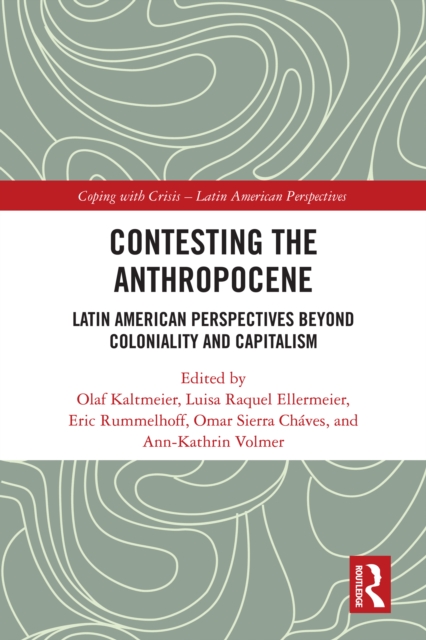
This book provides refreshing and critical conceptualizations of the Anthropocene from Latin American perspectives, addressing questions of coloniality and capitalism.
This book provides refreshing and critical conceptualizations of the Anthropocene from Latin American perspectives, addressing questions of coloniality and capitalism.
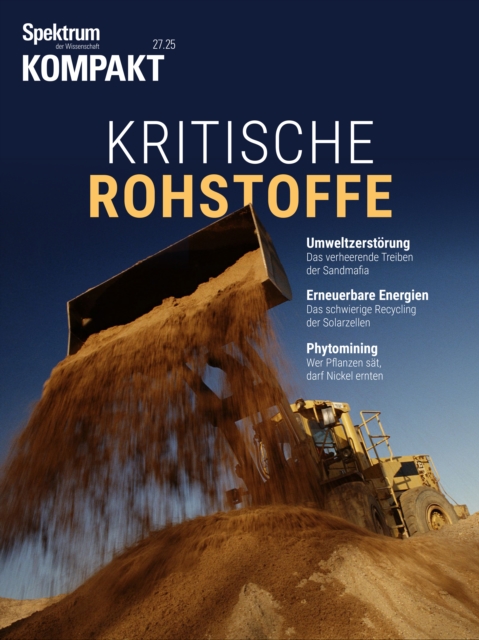
Smartphone, Laptop, E-Auto: Viele Dinge in unserem Alltag benotigen fur Herstellung und Betrieb Rohstoffe, die keineswegs unbegrenzt zur Verfugung stehen oder deren Gewinnung auch aus ethischer Sicht problematisch ist.
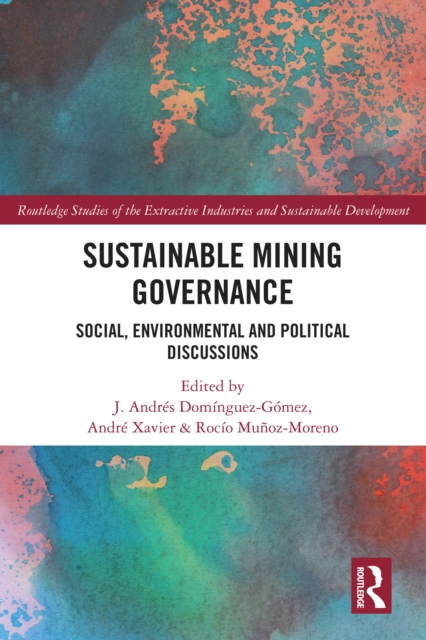
This volume provides a transdisciplinary analysis of the political, social and environmental aspects of governance and its implementation in the mining sector.
This volume provides a transdisciplinary analysis of the political, social and environmental aspects of governance and its implementation in the mining sector.