This book uses a multimethod approach to examine local experience of contemporary mining development in the Peruvian Andes, creating an understanding of the transformations that rural societies experience in this context.
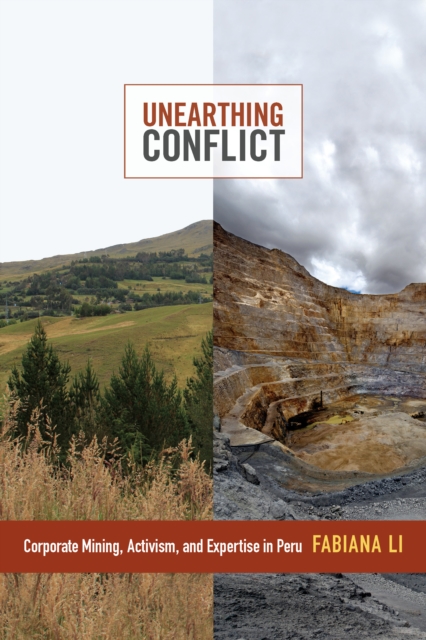
This book uses a multimethod approach to examine local experience of contemporary mining development in the Peruvian Andes, creating an understanding of the transformations that rural societies experience in this context.
In Unearthing Conflict Fabiana Li analyzes the aggressive expansion and modernization of mining in Peru since the 1990s to tease out the dynamics of mining-based protests.
Diamonds are a multi-billion dollar business involving some of the world s largest mining companies, a million and a half artisanal diggers, more than a million cutters and polishers and a huge retail jewellery sector.
Positive Displacement Pumps is a current reference guide for positive displacement pumps for both traditional and state-of-the-art testing methods, and serves as a bridge between textbooks and manufacturer's literature by providing equipment testing practices based on technical know-how, practical experience, and academic theory.
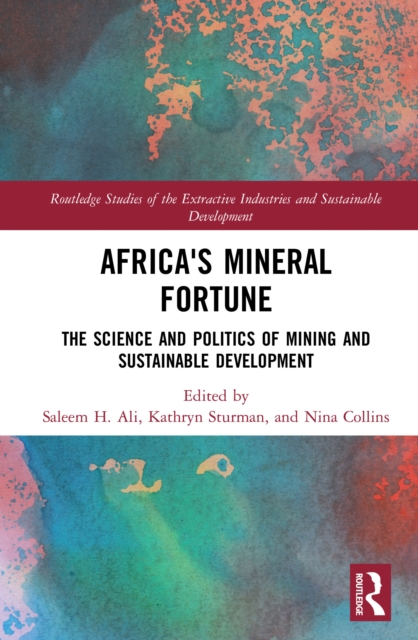
For too long Africa's mineral fortune has been lamented as a resource curse that has led to conflict rather than development for much of the continent.
For too long Africa's mineral fortune has been lamented as a resource curse that has led to conflict rather than development for much of the continent.
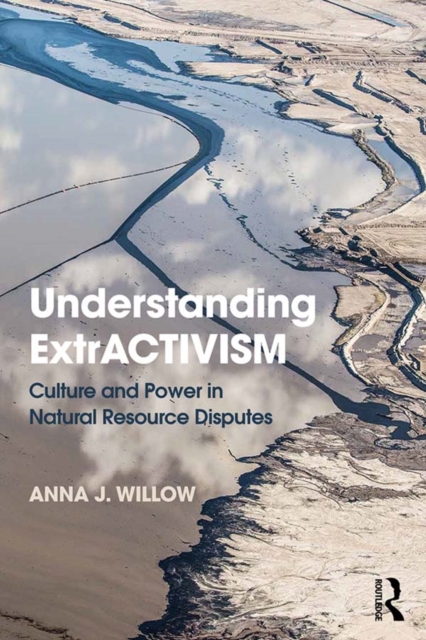
Understanding ExtrACTIVISM surveys how contemporary resource extractive industry works and considers the responses it inspires in local citizens and activists.
Understanding ExtrACTIVISM surveys how contemporary resource extractive industry works and considers the responses it inspires in local citizens and activists.
This book examines the relationship between the governments of less developed countries (LDCs) and foreign-owned firms engaged in the extraction of minerals for export.
This book reviews resource potential, mineral trade and consumption, the role of minerals internally and in world supply, the nature of minerals enterprise, major mineral industries, labor and infrastructure (as it affects industrial development), national attitudes and plans, and the general economic outlook for twenty-six countries.
The ancestral rain forests for the Wopkaimin people have long been a sacred geography, a place that has allowed them to act out the obligations of the male cult system and social relations of production based on kinship.
One of the most significant resource-development and industrial-policy issues facing the United States today is the continued decline of domestic production and processing of metallic minerals and the associated dependence on foreign supplies for our needs.
This book explores some of the issues surrounding the mining industry in Fiji, Papua New Guinea, the Solomon Islands, New Caledonia and the Phosphate islands, looking at the political dimension of mining and at the relationship of mining to national development.
This book analyses the case of cobalt as an illustration of the problems faced by the United States because of its dependencies on foreign sources of strategic minerals.
This book examines the relationship between the governments of less developed countries (LDCs) and foreign-owned firms engaged in the extraction of minerals for export.
This book reviews resource potential, mineral trade and consumption, the role of minerals internally and in world supply, the nature of minerals enterprise, major mineral industries, labor and infrastructure (as it affects industrial development), national attitudes and plans, and the general economic outlook for twenty-six countries.
The ancestral rain forests for the Wopkaimin people have long been a sacred geography, a place that has allowed them to act out the obligations of the male cult system and social relations of production based on kinship.
This book explores some of the issues surrounding the mining industry in Fiji, Papua New Guinea, the Solomon Islands, New Caledonia and the Phosphate islands, looking at the political dimension of mining and at the relationship of mining to national development.
One of the most significant resource-development and industrial-policy issues facing the United States today is the continued decline of domestic production and processing of metallic minerals and the associated dependence on foreign supplies for our needs.