Nutritional Psychology: Understanding the Relationship Between Food and Mental Health provides a broad look at the intersection between food and mental health and offers a comprehensive approach to effectively prioritize nutrition as a powerful component to maintaining overall wellbeing.
As the Indian economy integrates into global circuits of production, exchange and accumulation, the burdens of adjustment are shared unequally by different sectors, classes and regions.
As the Indian economy integrates into global circuits of production, exchange and accumulation, the burdens of adjustment are shared unequally by different sectors, classes and regions.
The impact of globalisation on the environment is a much debated issue, reflected in the growing literature on the effects of trade liberalization, the activities of transnational corporations and international finance.
The impact of globalisation on the environment is a much debated issue, reflected in the growing literature on the effects of trade liberalization, the activities of transnational corporations and international finance.
This book focuses on empirical experiences related to market development, and specifically new markets with structurally different characteristics than mainstream markets.
This book focuses on empirical experiences related to market development, and specifically new markets with structurally different characteristics than mainstream markets.
The extractive sector is a particular area of expertise for Canada and more than half of Canada's mining assets abroad are located in Latin America, specifically in Brazil, Peru, Chile, and Colombia.
The extractive sector is a particular area of expertise for Canada and more than half of Canada's mining assets abroad are located in Latin America, specifically in Brazil, Peru, Chile, and Colombia.
Forests are under tremendous pressure from human uses of all kinds, and one of the most significant threats to their sustainability comes from commercial interests.
Forests are under tremendous pressure from human uses of all kinds, and one of the most significant threats to their sustainability comes from commercial interests.
An international group of scholars, drawn from the United States, Europe and Australia and from a number of academic disciplines, explores the history of marketing in the food and drink industries, focusing on the meaning of brands, the ways in which they add value and the surrounding business strategies.
An international group of scholars, drawn from the United States, Europe and Australia and from a number of academic disciplines, explores the history of marketing in the food and drink industries, focusing on the meaning of brands, the ways in which they add value and the surrounding business strategies.
This book explores the persistence of the governance gap with respect to the human rights-impacting conduct of transnational extractive corporations operating in zones of weak governance.
This book explores the persistence of the governance gap with respect to the human rights-impacting conduct of transnational extractive corporations operating in zones of weak governance.
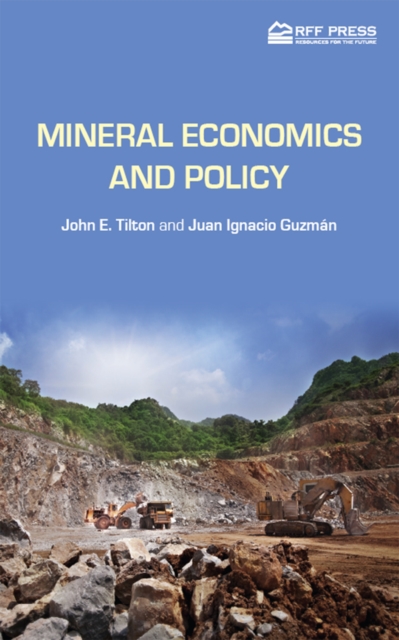
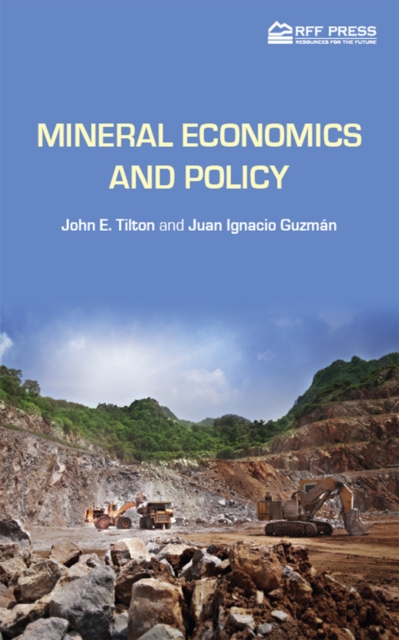
This textbook provides an introduction to the field of mineral economics and its use in understanding the behaviour of mineral commodity markets and in assessing both public and corporate policies in this important economic sector.
This textbook provides an introduction to the field of mineral economics and its use in understanding the behaviour of mineral commodity markets and in assessing both public and corporate policies in this important economic sector.
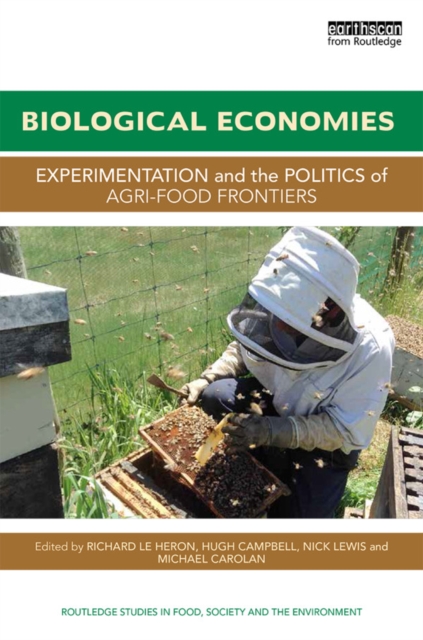
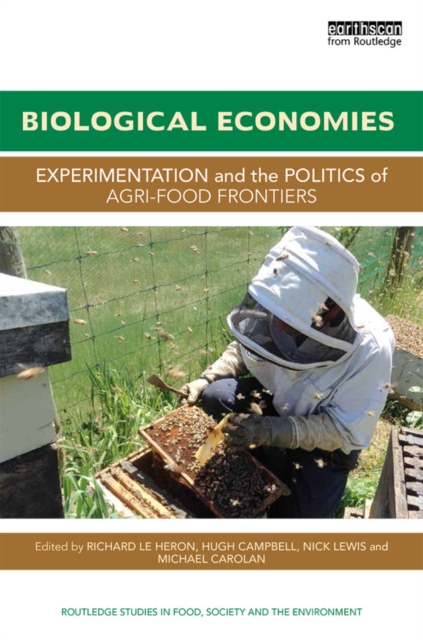
Recent agri-food studies, including commodity systems, the political economy of agriculture, regional development, and wider examinations of the rural dimension in economic geography and rural sociology have been confronted by three challenges.
Recent agri-food studies, including commodity systems, the political economy of agriculture, regional development, and wider examinations of the rural dimension in economic geography and rural sociology have been confronted by three challenges.
The sign that 'Africa is on Sale' has been appearing with regular frequency in major newspaper accounts across the world, indicating that large amounts/expanses of Africa's rich farmlands are being sold to transnational investors, usually on long-term leases, at a rate not seen in decades - indeed not since the colonial period.