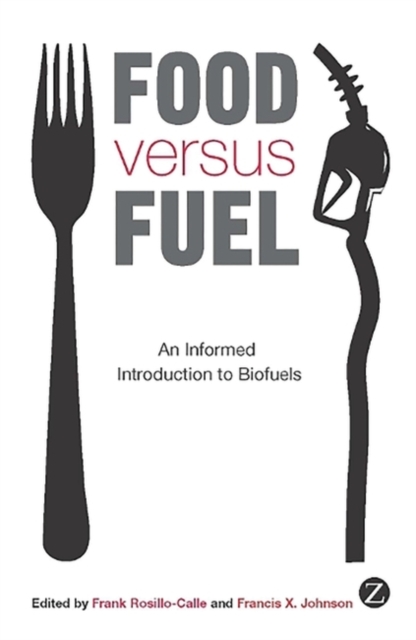
Food versus Fuel presents a high-level introduction to the science and economics behind a well-worn debate, that will debunk myths and provide quality facts and figures for academics and practitioners in development studies, environment studies, and agricultural studies.
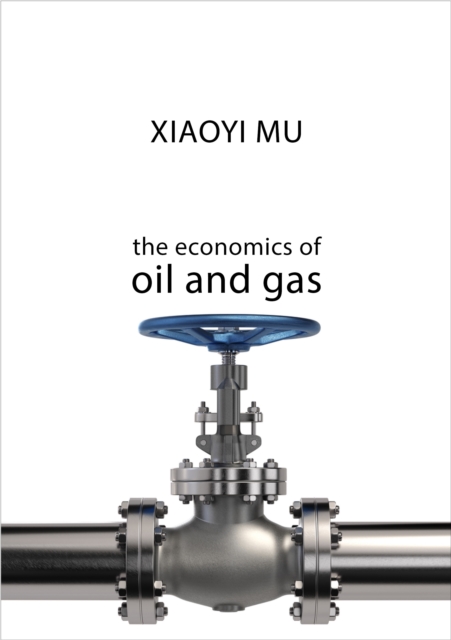
Access to oil and natural gas, and their prices, are hugely important axes of geo-political strategy and global economic prospects and have been for a century.
Africa has been experiencing higher rates of urbanization than any other continent, and today about one-third of the continent's population live in urban areas.
Duncan Clarke was founder and Chairman of the Board, Global Pacific & Partners, a worldwide private advisory firm with vintage of around 40 years, the story told in Three Decades in the Long Grass, 2014.
Today, with a changing climate putting pressure on communities and ecosystems worldwide, goals for a carbon-neutral economy mean that renewable and low-carbon energy sources are being presented as solutions.
First published in 2003, Infectious Greed examined how our greed-driven culture led to the generation of massive profits, but also to unprecedented levels of risk, widespread deception, and high profile disasters like Enron and Worldcom.
We might think that the world's oil empires are invincible megaliths, dominated by American interests, but Duncan Clarke reveals the ways in which these empires will face huge challenges in the twenty-first century.
Two centuries after the original invention, the Stirling engine is now a commercial reality as the core component of domestic CHP (combined heat and power) - a technology offering substantial savings in raw energy utilization relative to centralized power generation.
Following the liberalization of EU energy markets, more than three hundred gas and electricity companies entered the market to substitute state-run monopolies.
Following the liberalization of EU energy markets, more than three hundred gas and electricity companies entered the market to substitute state-run monopolies.
The oil price collapse of 1985-6 had momentous global consequences: non-fossil energy sources quickly became uncompetitive, the previous talk of an OPEC 'imperium' was turned upside-down, the Soviet Union lost a large portion of its external revenues, and many Third World producers saw their foreign debts peak.
The oil price collapse of 1985-6 had momentous global consequences: non-fossil energy sources quickly became uncompetitive, the previous talk of an OPEC 'imperium' was turned upside-down, the Soviet Union lost a large portion of its external revenues, and many Third World producers saw their foreign debts peak.
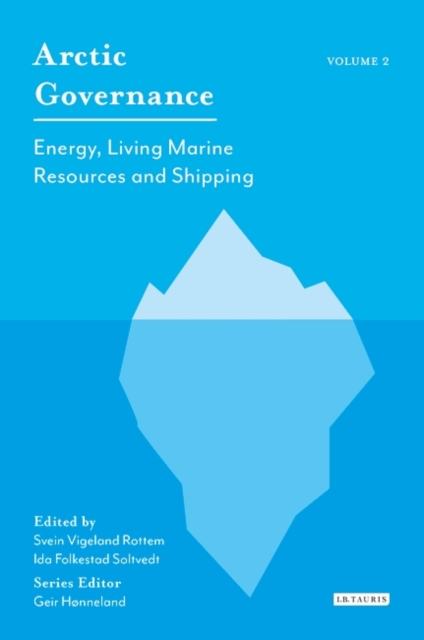
The Polar North is known to be home to large gas and oil reserves and its position holds significant trading and military advantages, yet the maritime boundaries of the region remain ill-defined.
The Polar North is known to be home to large gas and oil reserves and its position holds significant trading and military advantages, yet the maritime boundaries of the region remain ill-defined.
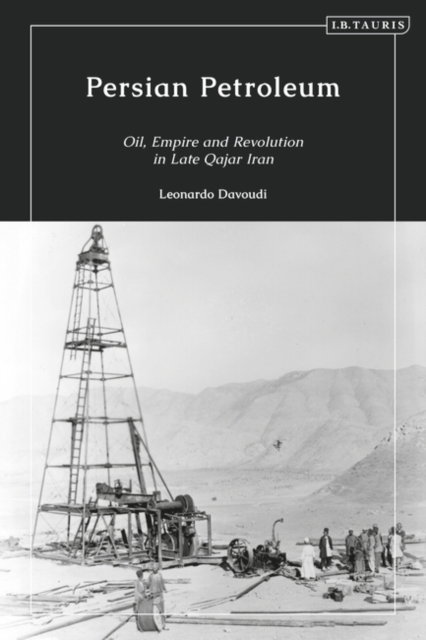
Using newly-uncovered private papers, as well as public and private archives in three countries, this book tells the definitive history of the first discovery of oil in Iran - the first discovery of oil in the Middle East.
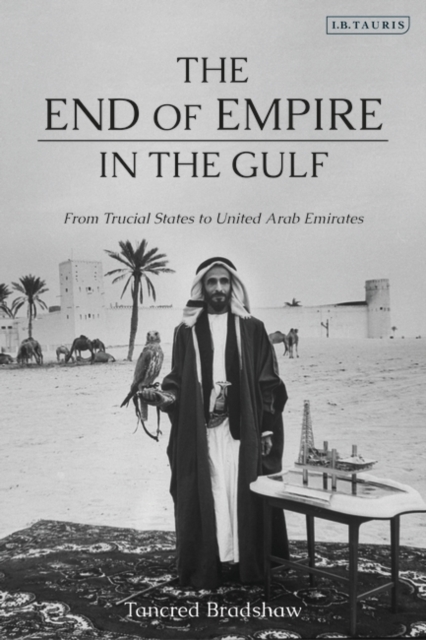
With the end of the British Raj in 1947, the Foreign Office replaced the Government of India as the department responsible for the Persian Gulf, and would proceed to manage relations with the Trucial States (now the United Arab Emirates, UAE) until British withdrawal in 1971.
The heart of the contemporary argument on climate change and energy transition focuses on how energy supply should be decarbonized to mitigate greenhouse gas emissions.
This book on the climate change, natural resources, landscape and agricultural ecosystems describes the contributing challenges related to natural resources, soil erosion, irrigation planning, water, landscape, sustainable crop yield agriculture and biomass estimation.
Now newly updated, America's Kingdom debunks the many myths that now surround the United States's special relationship with Saudi Arabia, also known as "e;the deal"e;: oil for security.
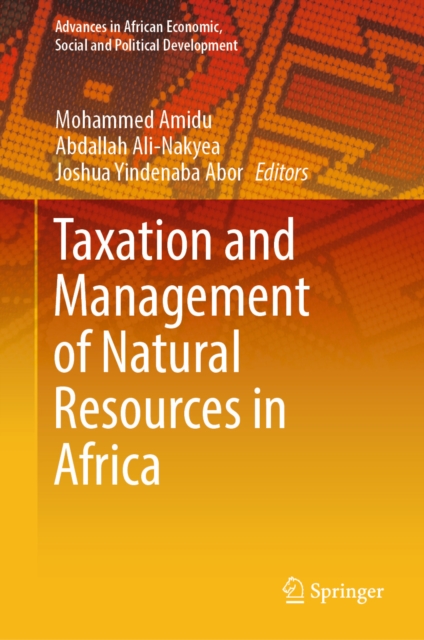
This book offers a comprehensive examination of the fundamental concepts and principles crucial to the taxation and management of natural resources, specifically tailored to the unique challenges faced by developing African countries.
This book offers a comprehensive examination of the fundamental concepts and principles crucial to the taxation and management of natural resources, specifically tailored to the unique challenges faced by developing African countries.
The availability of low-cost energy from fossil fuels - in particular oil - has been the driving force behind postwar global economic growth, such that the petroleum industry has some of the world's largest companies.
Energy Power Risk: Derivatives, Computation and Optimization is a comprehensive guide presenting the latest mathematical and computational tools required for the quantification and management of energy power risk.
Energy Power Risk: Derivatives, Computation and Optimization is a comprehensive guide presenting the latest mathematical and computational tools required for the quantification and management of energy power risk.
Generating energy from waste is an attractive solution, as governments around the world grapple with the challenges of providing energy security, mitigating carbon emissions and disposing of increasing waste volume.
Generating energy from waste is an attractive solution, as governments around the world grapple with the challenges of providing energy security, mitigating carbon emissions and disposing of increasing waste volume.
As certain oil and gas provinces near the end of their production lives, companies, governments and other stakeholders are turning their attention to decommissioning.
'Dripping with delicious detail' - Aditya ChakraborttyTaking the reader on a journey through North East Scotland, Merseyside, South Wales, the Thames Estuary and London, this is the story of Britain s oil-soaked past, present and future.
Sitting next to the Great Barrier Reef, marinated in coal and gas, the industrial boomtown of Gladstone, Australia embodies many of the contradictions of the 'overheated' world: prosperous yet polluted; growing and developing yet always on the precipice of uncertainty.
The Polar North is known to be home to large gas and oil reserves and its positionholds signifi cant trading and military advantages, yet the maritime boundaries of the region remain ill-defined.
Amidst political upheaval and the decline of the Ottoman Empire, the State of Kuwait emerged as an independent country under British protection in 1899, with Sheikh Mubarak Al Sabah widely accredited as the instrument of its foundation.
The Polar North is known to be home to large gas and oil reserves and its positionholds signifi cant trading and military advantages, yet the maritime boundaries of the region remain ill-defined.