Dieses Buch bietet einen fundierten Überblick über die aktuellen Herausforderungen im Tourismus und zeigt Lösungsansätze für ein wertschöpfendes Hospitality Marketing auf.
Popular author of eight books and abbess of the online retreat center Abbey of the Arts, Christine Valters Paintner explores how the lives and spirituality of twelve monks and mystics offer distinct patterns of thought that will lead you to a deeper understanding of your strengths and areas of growth and will guide you on the path to your true spiritual identity.
This book presents a comprehensive study of the role that the Blue Flag beach program has played around the world, considering economic, social and environmental perspectives.
The links between high profile sports events and tourism are increasingly apparent, yet comparatively little attention has been paid to lower profile sports-related travel.
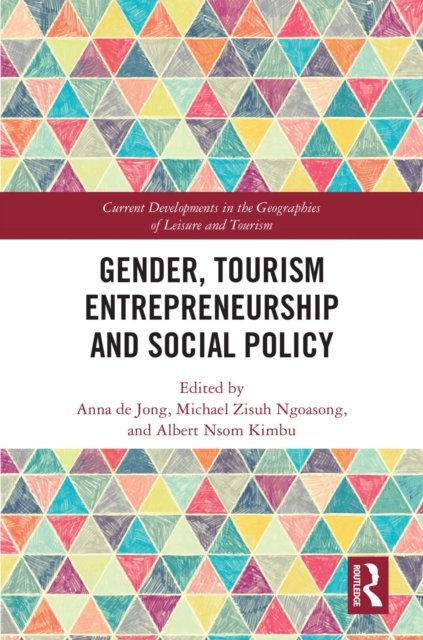
This timely volume is a novel and important contribution to scholarly literature on gender and tourism entrepreneurship, utilising feminist and post colonial frameworks to interrogate the role of social policies in facilitating inclusive tourism entrepreneurship.
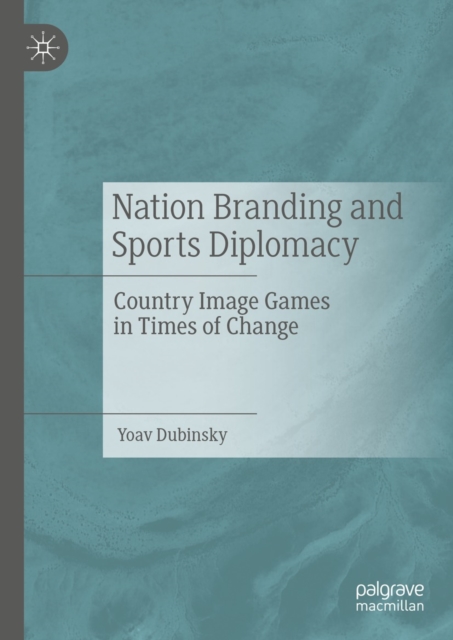
This book critically discusses the role of sports in nation branding and public diplomacy during the years 2020 and 2022, as the world was going through a global pandemic and health, economic, social, and political crises.
This book critically discusses the role of sports in nation branding and public diplomacy during the years 2020 and 2022, as the world was going through a global pandemic and health, economic, social, and political crises.
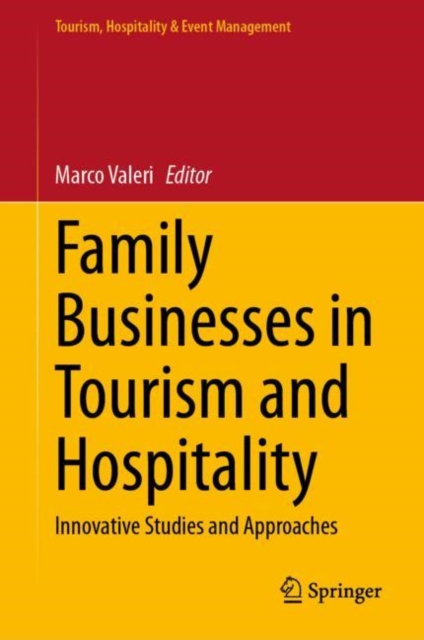
This book provides a comprehensive collection of new insights into traditional paradigms, approaches, and methods, as well as more recent developments in issues related to family businesses in tourism and hospitality.
This book provides a comprehensive collection of new insights into traditional paradigms, approaches, and methods, as well as more recent developments in issues related to family businesses in tourism and hospitality.
The book explores emerging themes, concepts, and issues in ethnic tourism, through examination of theoretical underpinnings and empirical research in various ethnic destinations worldwide.
The book explores emerging themes, concepts, and issues in ethnic tourism, through examination of theoretical underpinnings and empirical research in various ethnic destinations worldwide.
Previously viewed as a relatively small group of errant travellers rooted in counter-cultural ideas, backpackers have now become a powerful tourist sector of predominantly young travellers, planning and preparing their own trips, and looking for direct cultural contact, novelty and spontaneity all around the globe.
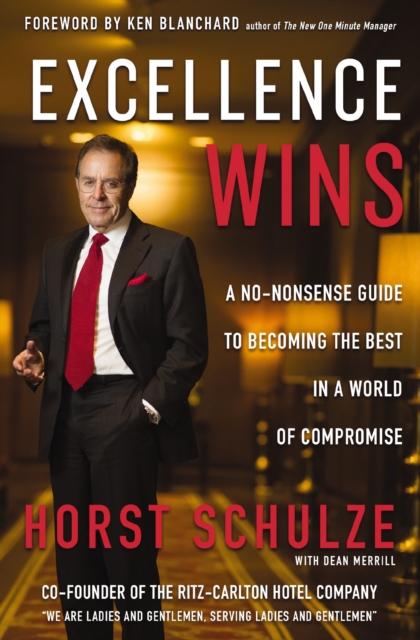
In his characteristic no-nonsense approach, Horst Schulze shares the visionary and disruptive principles that have led to immense global success over the course of his still-prolific fifty-year career in the hospitality industry.
This book explains and analyzes entrepreneurship and cultural management issues in the creative and cultural sectors and discusses the impacts of economic, social and structural changes on cultural entrepreneurship.
Casino and Gaming Resort Investigations addresses the continued and growing need for gaming security professionals to properly and successfully investigate the increasing and unique types of crime they will face in their careers.
This book presents the latest knowledge on the still under-researched field of academic tourism, which over the past decade has gained in importance at local and national economic levels as a result of increasing international mobility of students and academic staff in higher education.
Tourism is one of the sectors that have undergone substantial change for several decades and in particular due to the restrictions and change in national and international policies since the beginning of the COVID-19 pandemic.
This book identifies and describes five megatrends that will define the landscape of the Travel, Tourism & Hospitality industry, with a particular focus on the European context.
This book offers essential insights into how the world's second largest industry, tourism, is responding to challenges involved in expanding the corporate social responsibility (CSR) concept to corporate sustainability and responsibility, referred to as CSR 2.
Now in a fully revised and updated fifth edition, Managing Sport Organizations introduces the fundamentals of sport management across every industry sector, from youth and intercollegiate sport to professional leagues, and from community-level sport to international sport.
The movement of Asian citizens across continents now occurs on an unprecedented scale, with a surge in Asian tourists now visiting Europe, North America, Africa and Oceania.
Storytelling-Case Archetype Decoding and Assignment Manual (SCADAM) reviews cultural and tourism/hospitality applications of Carl Jung's work on archetypes in shaping behavior and unconscious/conscious thought.
This book recognizes that while tourism research has undoubtedly penetrated and gone beyond a number of knowledge frontiers, frontiers are never static, but are constantly shifting and changing form in the context of a dynamic environment.
This guide demystifies the often invisible impacts of global tourism, one of the biggest industries in the world, from labor conditions to development by stealth, to the role of elites and the cultural impacts on both the visitor and the visited.
Concerned to think intentionally about liturgy in Baptist life and thought, this book aims to address the practices of Christian worship in a theological light, examining how each brings individual Christian believers and communities of faith to a greater understanding and embodiment of the gospel.
The God of Abraham, Isaac, and Jacob brings readers on a surprising journey from the dawn of divine-human communion to the present, showing how this mysterious, ongoing relationship holds the keys to true worship.
Liturgical Elements for Reformed Worship is a series of four liturgical resources: three consisting of liturgical elements for Years A, B, and C, and a fourth, the first such resource to support the implementation of Year D: A Quadrennial Supplement to the Revised Common Lectionary (Cascade Books).
Seeking to push the historical study of the liturgical phenomenon known as "e;Contemporary Worship"e; or "e;Praise and Worship"e; to a new level, this collection of essays offers an introduction to the phenomenon, documents critical aspects of its development, and suggests methods for future historical study.
Dieses Buch beleuchtet das Themenfeld New Work und setzt sich mit den Herausforderungen auseinander, denen Tourismusunternehmen auf dem Weg in eine sich verändernde Arbeitswelt begegnen.
Ziel des Buches ist es, aufbauend auf einem integrativen und ganzheitlichen Marketingverständnis, die grundlegenden strategischen und operativen Gestaltungskomplexe des Marketing-Management in der Hotellerie – mit Blick auf die aktuellen Herausforderungen der Branche – darzustellen.
Ziel des Buches ist es, aufbauend auf einem integrativen und ganzheitlichen Marketingverständnis, die grundlegenden strategischen und operativen Gestaltungskomplexe des Marketing-Management in der Hotellerie – mit Blick auf die aktuellen Herausforderungen der Branche – darzustellen.
Dieses Buch beleuchtet das Themenfeld New Work und setzt sich mit den Herausforderungen auseinander, denen Tourismusunternehmen auf dem Weg in eine sich verändernde Arbeitswelt begegnen.
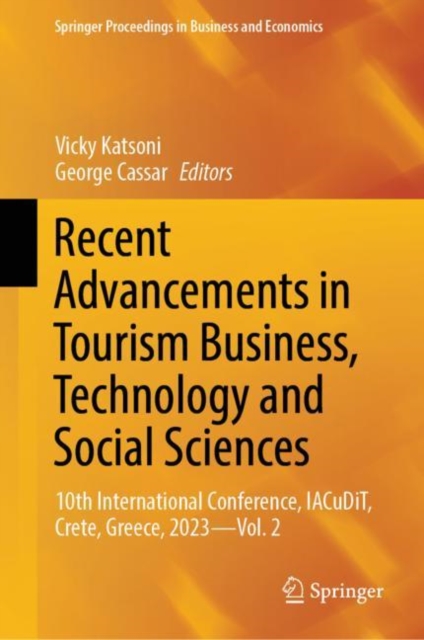
The book features the second volume of the proceedings of the 10th International Conference of the International Association of Cultural and Digital Tourism (IACuDiT), with the theme "e;Recent Advancements in Tourism Business, Technology, and Social Sciences,"e; which was held from August 29 to 31, 2023, in Crete, Greece.