Many Healthcare workers must deal on a daily basis with the transportation, preparation, storage, clean up, and disposal of cytotoxic drugs, which are used in chemotherapy because of their harmful effect on cancer cells.
Understanding and applying the principles of ergonomics consistently in an organization not only reduces the risk of employee injuries, but it also reduces an organization's costs and increases productivity.
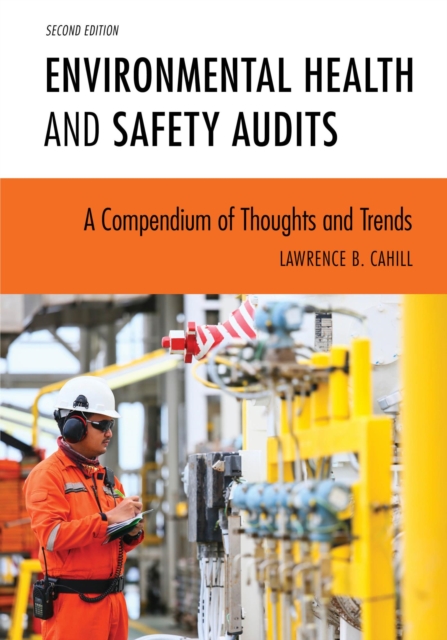
Environmental health and safety (EHS) audit programs have become an established and essential component of corporate governance in most every major organization whose activities could affect public health and the environment.
Recognized as an authoritative treatment of an important subject area, and presented in a conversational and straightforward style, Industrial Hygiene Simplified, Second Edition is an updated edition of the original, well-received textbook.
The seventh of a new, well-received, and highly acclaimed series on critical infrastructure and homeland security, Transportation Protection and Homeland Security is a valuable reference source.
Created for those who have little experience with statistics, or for those who need to keep a concise reference book on hand, this newly updated handbook provides an introductory guide to basic statistics and data analysis.
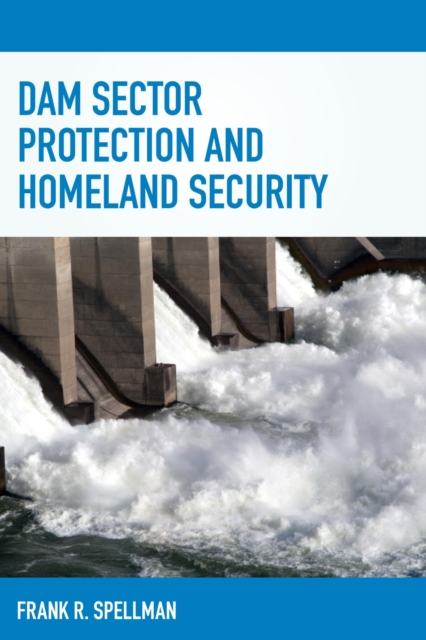
The sixth of a new, well-received and highly acclaimed series on critical infrastructure and homeland security, Dam Protection and Homeland Security is a reference source that is designed to serve and advise U.
Occupational Safety and Health Simplified for the Industrial Workplace serves industrial businesses, workplaces, and managers who want quick answers to complicated questions.
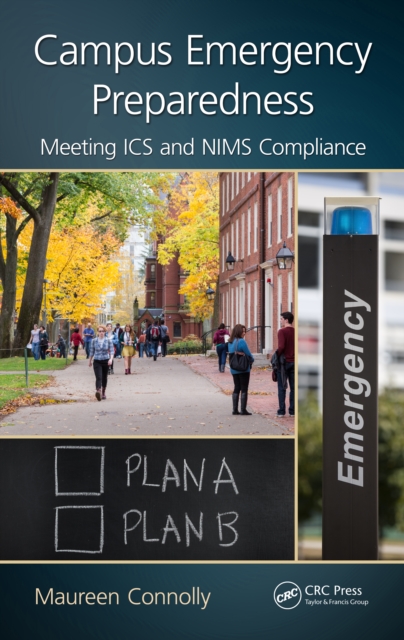
Emergency Preparedness: A Safety Guide to Planning for People, Property, and Business Continuity provides step-by-step instructions for developing prevention and response plans for all types of emergencies and disasters.
This practical guide-and popular reference-helps you evaluate the efficiency of your company's current safety and health processes and make fact-based decisions that continually improve overall performance.
Fundamentals of Fire Protection for the Safety Professional provides safety managers with a guide for incorporating fire hazard awareness and protection into their safety management plans.
This much anticipated new edition provides employers and employees with a day-to-day guide to reducing accidents and injuries, ensuring compliance, avoiding fines and penalties, and controlling workers' compensation costs.
If you're new to the safety field, or if you've just been given safety responsibilities, making sense of your compliance responsibilities can be overwhelming!
Building on previous work in rural criminology, this book casts a global and comparative look across 19 countries, drawing on themes of crime and victimisation, safety and fear, practices of policing and police trust, and crime prevention practices.
Safety and health concerns in workplaces across the globe continue to be of concern for leaders as they seek to discover novel ways to provide a workplace that preserves the health and safety of workers.
Occupational health and safety refers to the whole series of prevention measures and protection, technical measures, organizational solutions, and procedures that must be adopted by the employer to avoid dangerous situations for their employees.
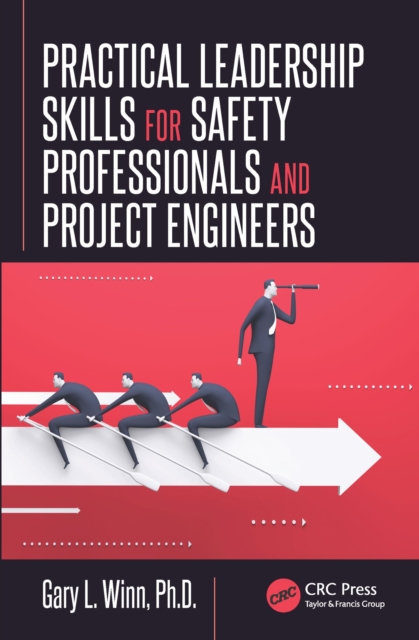
This book intends to help safety practitioners, project managers, construction managers, and craftsmen who are determined and self-motivated persons to strengthen their knowledge in safety, which is a prime importance of a construction company in the protection of well-being and company assets during the execution of the project.
The problem of removing water which is emulsified with produced oil has grown more widespread and often times more difficult as producers attempt to access more difficult reserves.
This pocketsize book may help you figure out how to be a qualified safety practitioner regardless of your nationality, faith, and current educational achievements.
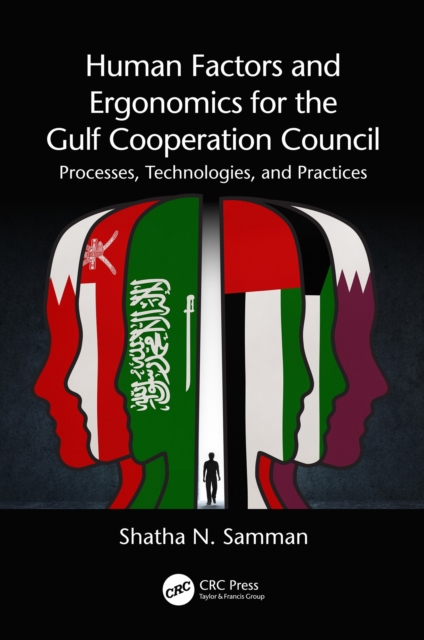
Human Factors and Ergonomics (HFE) is introduced to students, academics, researchers, practitioners, policy makers, and others in the Gulf Cooperation Council (GCC).
In today's rapidly changing workplace, safety and loss prevention professionals cannot always "e;go by the book"e; for the answers to new and unique problems and issues.
Over the past two decades bioscience facilities worldwide have experienced multiple safety and security incidents, including many notable incidents at so-called "e;sophisticated facilities"e; in North America and Western Europe.
A guide for facility managers of varying types of facilities including, apartment buildings/complexes, office buildings, retail stores, educational facilities (schools), restaurants, and countless others.
Workplace Violence: Issues in Threat Management defines what workplace violence is, delves into the myths and realities surrounding the topic and provides readers with the latest statistics, thinking, and strategies in the prevention of workplace violence.
This book discusses management decision-making under accident conditions as a vehicle to confirm the importance of clear decision-making guided by a systems approach on how an organization functions related to the role of managers, operators, and the operation of the plant.
The second edition of this book brings together a wide range of occupational safety and health recommendations and practices directly applying to hazardous waste site clean ups.