Laying out management and safety procedures that reduce injuries and the aggravation that follows, this book covers hiring, training, and managing employees with injury avoidance in mind.
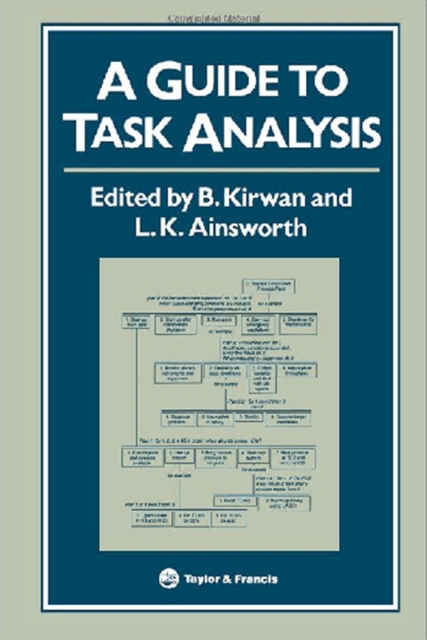
Hierarchical Task Analysis (HTA) is carried out by professionals who have to undertake a wide range of human factors and human resource design decisions.
Reap the benefits of the home workplace revolution with this practical resource that guides managers and employees through working from home either full or part-time.
OSHA frequently requires companies to implement the type of program promoted in Cumulative Trauma Disorders, the first and only book to address both the medical and ergonomic aspects of cumulative trauma.
FROM THE PREFACEThis book brings together (in one text) all of the Occupational Safety and Health Administration's regulatory requirements for making safe and proper confined space entries.
Effective process safety programs consist of three interrelated foundations-safety culture and leadership, process safety systems, and operational discipline-designed to prevent serious injuries and incidents resulting from toxic releases, fires, explosions, and uncontrolled reactions.
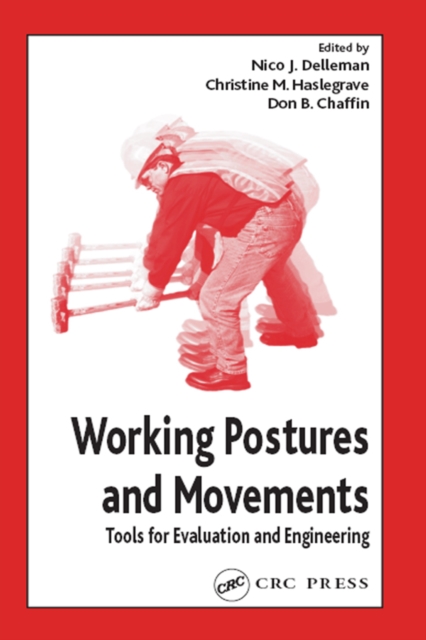
Work related musculoskeletal disorders (WRMSDs) are the leading cause of worker impairment, disability, compensation costs and loss of productivity in industrialized countries.
This work shows readers how to target task analysis TA resources effectively over the life cycle of a project from conceptual design Through To Systems Operation, Noting The Role Of TA In Safety And Quality assurance, minimizing operator error,
The second edition of a bestseller, Safety Differently: Human Factors for a New Era is a complete update of Ten Questions About Human Error: A New View of Human Factors and System Safety.
Reflecting changes in the current health and safety landscape, Occupational Health and Safety Management: A Practical Approach, Third Edition includes examples and tools to facilitate development and implementation of a safety and health management approach.
This exceptional guidebook provides the strategies necessary to curtail ergonomic losses and costs associated with spiraling worker's compensation premiums and medical expenses, of major concern in all businesses.
A must-have guide for current and future safety professionals, the third edition of this practical handbook presents the key elements of an effective fire safety management program; explains the types and functions of fire control equipment; discusses the identification and control of hazardous materials; identifies safety organizations and available resources for fire service programs; describes commonly installed fire detection systems and their maintenance and inspection; and includes learning objectives, case studies, updated codes and standards, and information about emergency response and school fire safety planning.
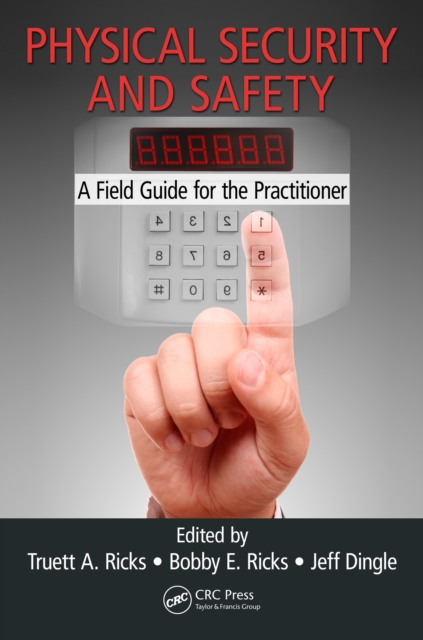
How-To Guide Written By Practicing ProfessionalsPhysical Security and Safety: A Field Guide for the Practitioner introduces the basic principles of safety in the workplace, and effectively addresses the needs of the responsible security practitioner.
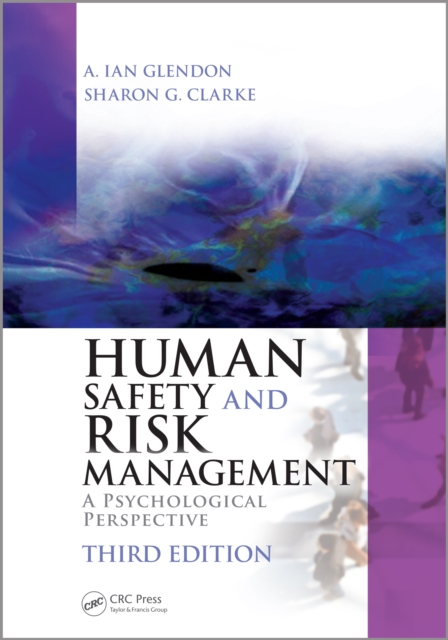
The third edition of a bestseller, Human Safety and Risk Management: A Psychological Perspective incorporates a decade of new research and development to provide you with a comprehensive and contemporary guide to the psychology of risk and workplace safety.
This book covers a wealth of knowledge from experts and informed stakeholders on the best ways to understand, prevent, and control fall-related risk exposures.
In today's rapidly changing workplace, safety and loss prevention professionals cannot always "e;go by the book"e; for the answers to new and unique problems and issues.
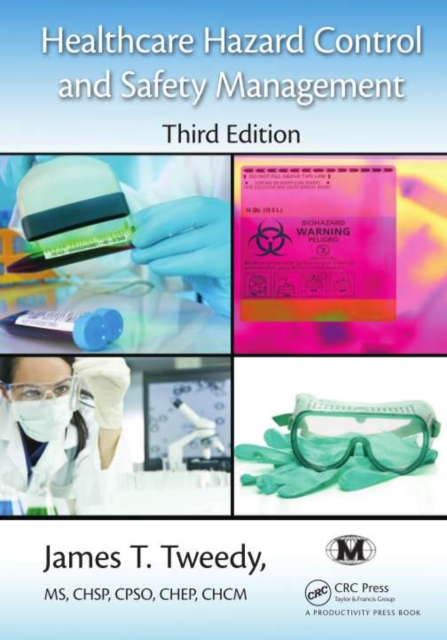
Comprehensive in scope, this totally revamped edition of a bestseller is the ideal desk reference for anyone tasked with hazard control and safety management in the healthcare industry.
The book provides information necessary for systematic management of traditional as well as emerging risks in the man-machine-environment system, especially in industrial technologies.
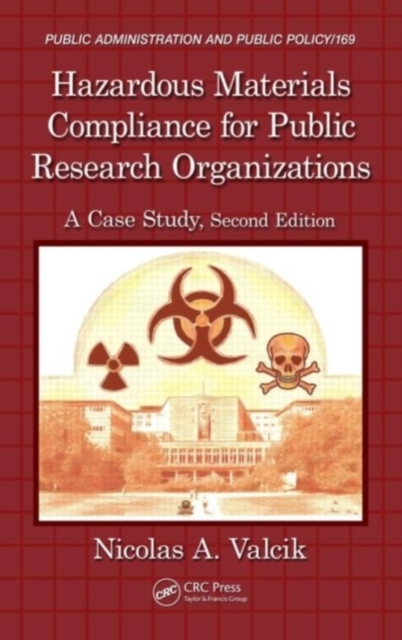
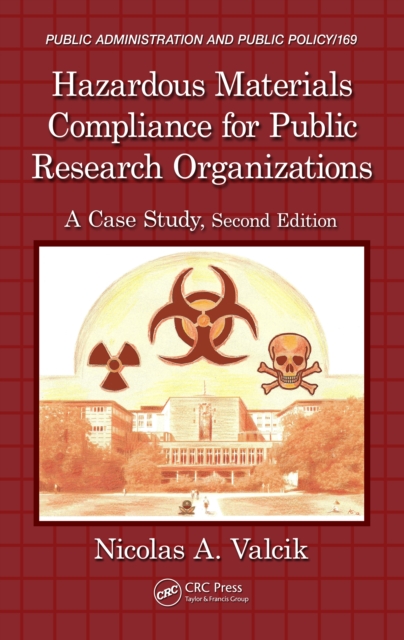
Completely revised and updated, Hazardous Materials Compliance for Public Research Organizations: A Case Study, Second Edition presents a case study of one university's policies and practices with regard to the procurement, use, storage and disposal of HAZMAT in the context of a changing internal structure and regulatory environment.
The aim of this book is to provide "e;human engineering"e; for workplaces, tools, machinery, computers, shift work, lighting, sound, climate, work demands, offices, vehicles, healthcare, and the home - and everything else that we can produce - to suit the human body and mind.
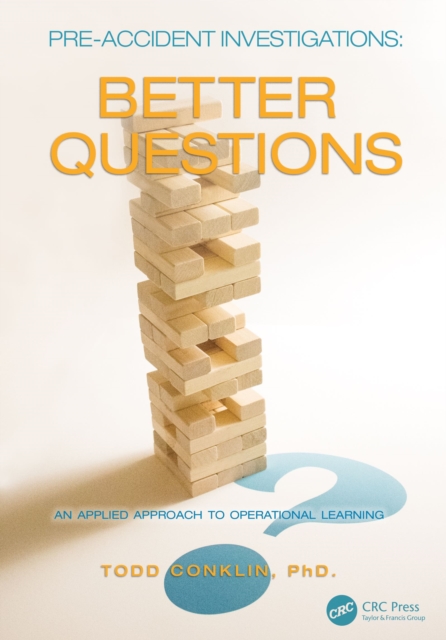
Pre-Accident Investigations: Better Questions - An Applied Approach to Operational Learning challenges safety and reliability professionals to get better answers by asking better questions.
This book presents a comprehensive view of the safety in the workplace and the safety leadership factors and provides detail analysis of the OSHA regulations, safety training and technological aspects of safety in the workplace.
With an updated edition including new material in additional chapters, this one-of-a-kind handbook covers not only current standardization efforts, but also anthropometry and optimal working postures, ergonomic human computer interactions, legal protection, occupational health and safety, and military human factor principles.
Over the past two decades bioscience facilities worldwide have experienced multiple safety and security incidents, including many notable incidents at so-called "e;sophisticated facilities"e; in North America and Western Europe.
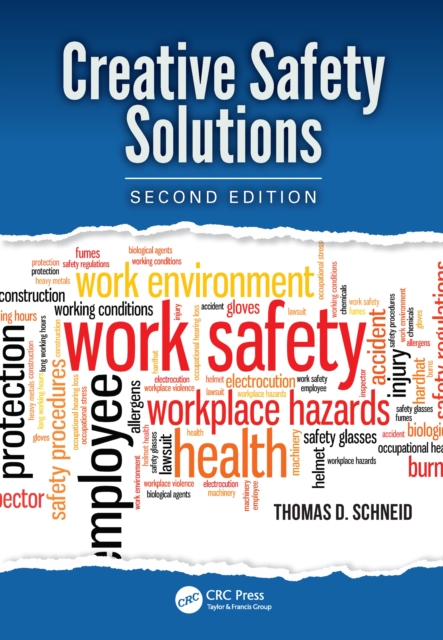
Despite the fact that workplaces have implemented and followed new safety innovations and approaches, the majority of them have seen little, if any, significant progress in the reduction of accidental deaths and injuries.
AWinner of the Educational Award by the World Safety OrganizationContractor safety management is often seen as nothing more than a subset of general safety management in that no special consideration needs to be given to understanding the difficulties of the contract environment.
The continued prevalence of major incidents (most recently the 2010 BP Gulf of Mexico Oil Spill) and preponderance of workplace fatalities and injuries as well as Process Safety Management (PSM) Incidents, globally, begs the question: why do incidents continue to occur in today's technologically advanced era?
Systems engineering principles are currently being applied to system safety best practices in several industries, as well as state and local governments.
The International Board for the Certification of Safety Managers (IBFCSM) has designated this text as the Primary Study Reference for those preparing to sit for the Certified Hazard Control Manager (CHCM) and the Certified Hazard Control Manager-Security (CHCM-SEC) Examinations.
Completely revised and updated, Hazardous Materials Compliance for Public Research Organizations: A Case Study, Second Edition presents a case study of one university's policies and practices with regard to the procurement, use, storage and disposal of HAZMAT in the context of a changing internal structure and regulatory environment.
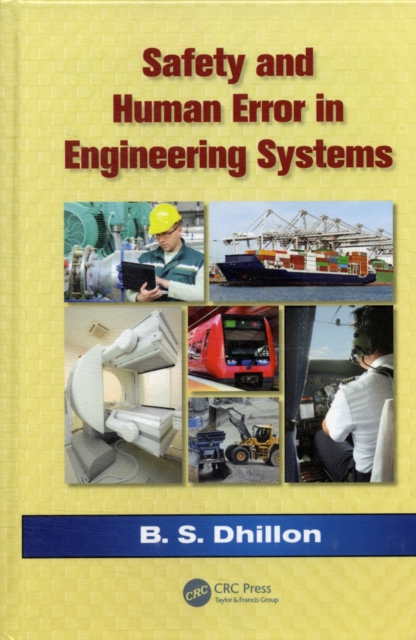
In an approach that combines coverage of safety and human error into a single volume, Safety and Human Error in Engineering Systems eliminates the need to consult many different and diverse sources for those who need information about both topics.
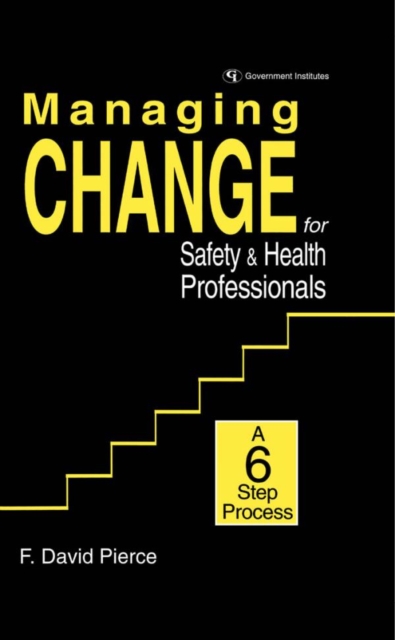
Pierce helps you take control of the dizzying process of effecting changing procedures, processes, and attitudes in your company's safety and health program and then position your operations for continuous improvement.