Conducted by NIOSH, these comprehensive case studies bring the latest research and technology to bear on workplace health problems which companies are likely to encounter at a variety of worksites.
This 2nd Edition is a significantly expanded exploration of hazardous chemicals, their effects on human health, and the principles of hazards materials toxicology and industrial hygiene.
Written for members of the construction industry and any industry where fall hazards exist, this reference book/self-study guide features more than 250 original illustrations of the 29 CFR Parts 1910 and 1926 requirements.
Using the simple and effective checklist method, this book offers a convenient and efficient way to comply with complicated federal regulations and to help your employees understand the dangers of the hazardous materials in your workplace.
This book investigates over 30 major catastrophes and reveals the critical necessity of transitioning from identifying lessons to implementing actionable changes in workplace safety.
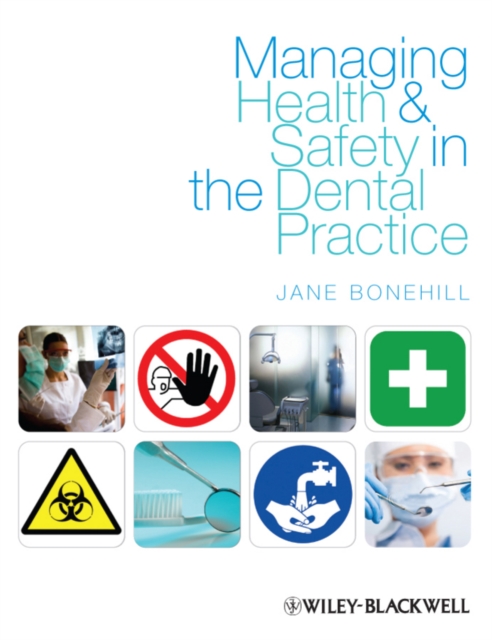
The main purpose of this book is to provide clear, straightforward information about the key requirements relating to health and safety in dental practices, with a practical and user-friendly approach to help manage these issues on a day-to-day basis.
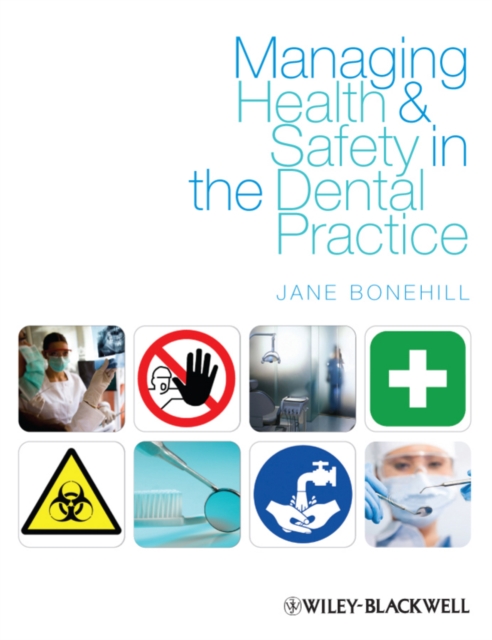
The main purpose of this book is to provide clear, straightforward information about the key requirements relating to health and safety in dental practices, with a practical and user-friendly approach to help manage these issues on a day-to-day basis.
The Construction (Design and Management) Regulations 2007 (CDM Regulations 2007) is a revision of a major piece of legislation within the wide portfolio of construction-related legislation.
The Managing Stress Practice Manual, 2nd ed, provides the ideal stress management tool for practitioners across the public sector and professionals at all levels in business and management.
In the almost ten years since the publication of the first edition of Motor Fleet Safety and Security Management, the availability of new methods of transportation has made travel faster, and consequently, safety and security have become more important and more complex.
Reflecting changes in the field during the ten years since the publication of the first edition, Developing a Safety and Health Program, Second Edition examines the elements of a safety and health program and delineates how to incorporate them into an organization's safety efforts.
An easily accessible guide to scientific information on safety management of chemical substances for students and occupational health professionals, this book covers proper management, related care, and precautions, and related global regulations.
In most schools you will probably see one, if not all of the following:Metal detectors to prevent handguns and other weapons from being brought onto school propertyStudents in standardized uniforms to prevent the appearance of gang affiliationsPolice officers patrolling the property to deter violent activity as well as respond to incidentsSuch evol
Based on recent research, this book discusses physical ergonomics, which is concerned with human anatomical, anthropometric, physiological and biomechanical characteristics as they relate to physical activity.
Meeting the needs of the manufacturing and service sectors of contemporary industry, this volume is concerned with the human factors, ergonomics, and safety issues related to the design of products, processes, and systems, as well as the operation and management of business enterprises.
An in depth review of social ergonomics- also known as organizational ergonomics- this book discusses the optimization of sociotechnical systems, including their organizational structures, policies, and processes.
With annual cost in excess of $150 billion from workplace related illnesses and injuries, any knowledge that can reduce this burden contributes to the overall welfare of the work force and business performance.
Published more than ten years ago, the first edition of Accident/Incident Prevention Techniques provided clear, comprehensive guidance on how to mitigate the cost, in personnel and to the bottom line, of accidents/incidents in the workplace.
This volume is concerned with the human factors, ergonomics, and safety issues related to the design of products, processes, and systems, as well as operation and management of business enterprises in both manufacturing and service sectors of contemporary industry.
Written by Chitram Lutchman, a project management professional with more than 20 years of field and business experience, Project Execution: A Practical Approach to Industrial and Commercial Project Management gives you a more optimistic view of this exciting and challenging area.
Terrorist or criminal attack, fire emergency, civil or geographic disruption, or major electrical failure-recent years have witnessed an increase in the number of natural disasters and man-made events that have threatened the livelihoods of businesses and organizations worldwide.
While worker safety is often touted as a company,s first priority, more often than not, safety activity is driven by compliance to legislation rather than any safety improvement initiative.
Using an interdisciplinary approach, this book presents a wide range of methods and specific criteria for assessing hazard and exposure in the workplace environment, offering ways to reduce these hazards.
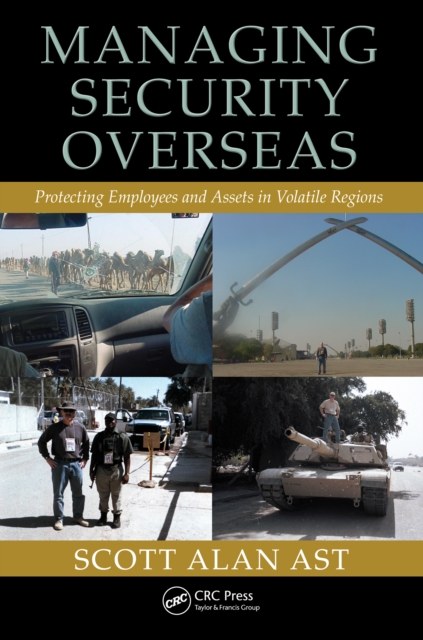
Written by a Certified Protection Professional (CPP), Certified Fraud Examiner (CFE), and FBI-recognized subject matter expert, this text details the recommended protocol for protecting people and assets in hostile global settings.
Handbook of Fire and Explosion Protection Engineering Principles: for Oil, Gas, Chemical and Related Facilities is a general engineering handbook that provides an overview for understanding problems of fire and explosion at oil, gas, and chemical facilities.
Safety and Security Review for the Process Industries: Application of HAZOP, PHA, What-IF and SVA Reviews, Third Edition, describes the responsibilities, methods, and documentation required for the performance of qualitative hazard analysis for industrial and commercial processes, specifically Preliminary Hazard Analysis (PHA), What-If, and Hazard and Operability (HAZOP) reviews.
In this important reference work, Zeliger catalogs the known effects of chemical mixtureson the human body and also proposes a framework for understanding and predicting theiractions in terms of lipophile (fat soluble) / hydrophile (water soluble) interactions.
Industrially developing countries have the largest populations, the highest levels of poverty, poor health, and illiteracy, and the greatest need for improvement in working conditions.
A comprehensive reference for the prevention, control, and mitigation of slip, trip, and fall accidents, this volume covers standards and best practices relating to facility design, effective management control programs, test methods and standards relating to pedestrian safety, and slip resistance methods.
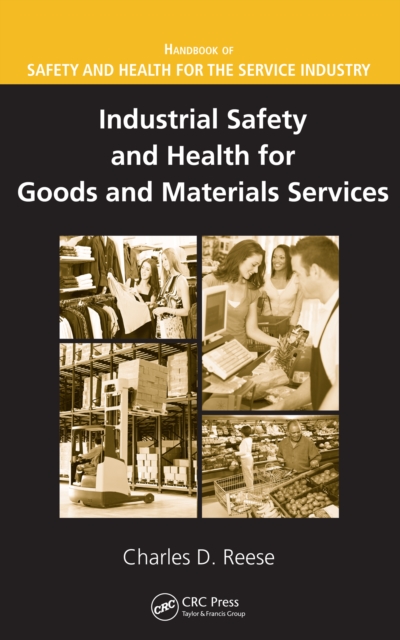
Industrial Safety and Health for Goods and Materials Services focuses on the safety requirements of the wholesale and retail trades, including warehousing.
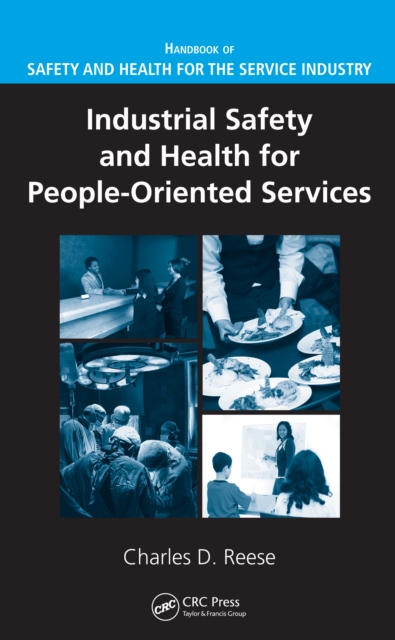
Industrial Safety and Health for People-Oriented Services focuses on the safety requirements of the tertiary sector of industry's education, health, and hospitality services.