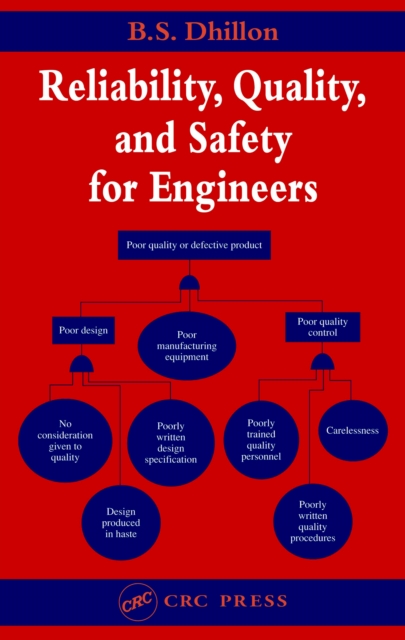
Due to global competition, safety regulations, and other factors, manufacturers are increasingly pressed to create products that are safe, highly reliable, and of high quality.
Industrial Safety and Health for People-Oriented Services focuses on the safety requirements of the tertiary sector of industry's education, health, and hospitality services.
The International Mining Forum is a meeting of scientists and professionals for exchanging new ideas and experiences, evaluate previously implemented solutions, and discuss fresh ideas that might change the mining industry's image.
Occupational Safety and Hygiene presents selected papers from the International Symposium on Occupational Safety and Hygiene , SHO2013 (Guimar,, Portugal, 14-15 February 2013), which was organized by the Portuguese Society for Occupational Safety and Hygiene (SPOSHO).
Meeting the needs of the manufacturing and service sectors of contemporary industry, this volume is concerned with the human factors, ergonomics, and safety issues related to the design of products, processes, and systems, as well as the operation and management of business enterprises.
In an approach that combines coverage of safety and human error into a single volume, Safety and Human Error in Engineering Systems eliminates the need to consult many different and diverse sources for those who need information about both topics.
This exceptional guidebook provides the strategies necessary to curtail ergonomic losses and costs associated with spiraling worker's compensation premiums and medical expenses, of major concern in all businesses.
Industrially developing countries have the largest populations, the highest levels of poverty, poor health, and illiteracy, and the greatest need for improvement in working conditions.
For the past decade, the rapid development of the ergonomics disciplines as well as the fast growing economy in the Asian region have been attracting the attention of the international ergonomics community.
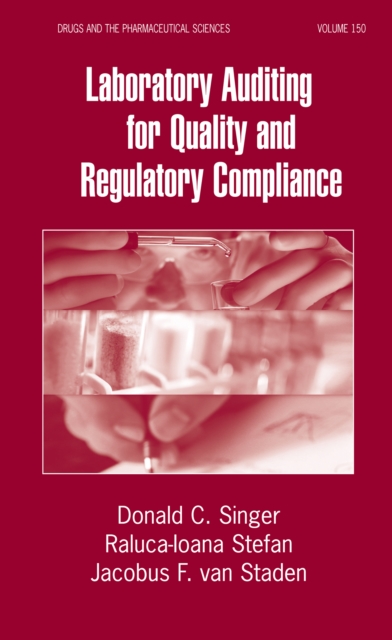
Identifying current tools, techniques, and approaches for the evaluation of laboratory operations, this reference reviews the latest regulatory standards and auditing practices to test laboratory safety, quality, and performance.
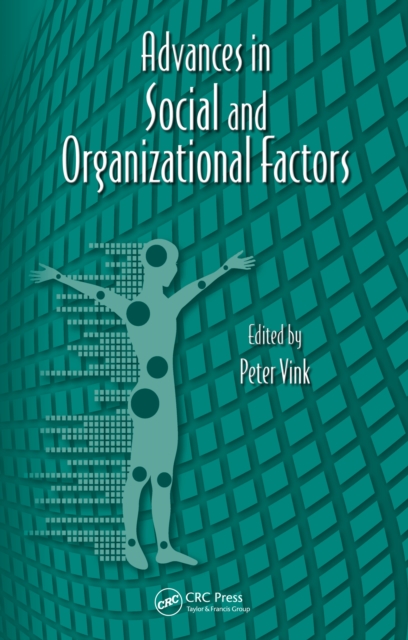
An in depth review of social ergonomics- also known as organizational ergonomics- this book discusses the optimization of sociotechnical systems, including their organizational structures, policies, and processes.
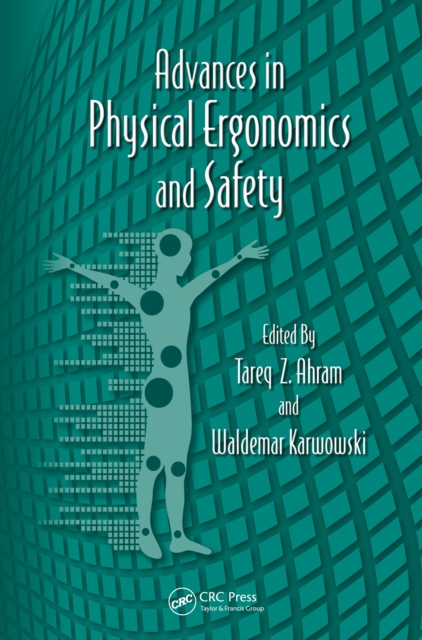
Based on recent research, this book discusses physical ergonomics, which is concerned with human anatomical, anthropometric, physiological and biomechanical characteristics as they relate to physical activity.
Occupational Safety and Hygiene II contains selected papers from the International Symposium on Occupational Safety and Hygiene (SHO2014, Guimar Portugal, 13-14 February 2014), which was organized by the Portuguese Society for Occupational Safety and Hygiene (SPOSHO).
Industrial Safety and Health for Goods and Materials Services focuses on the safety requirements of the wholesale and retail trades, including warehousing.
This book aims to provide a systematic approach to the design, assessment, operation, and maintenance of safety barriers that are used for preventing accidents and protecting humans, equipment, and the environment.
Managing Violence in the Workplace is a prescription that contains many lists of "e;do's"e; and "e;don'ts"e; and "e;how to's"e; for proactive and reactive responses to workplace violence.
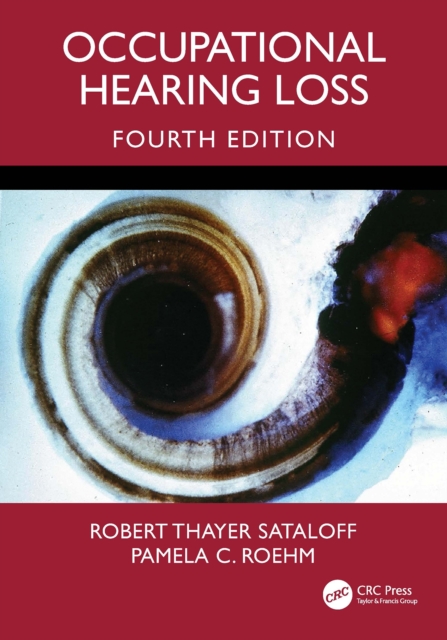
Now in its fourth edition, Occupational Hearing Loss delivers a complete overview of the hazards of occupational noise exposure, causes of hearing loss, testing of hearing, criteria to distinguish occupational hearing loss, and more.
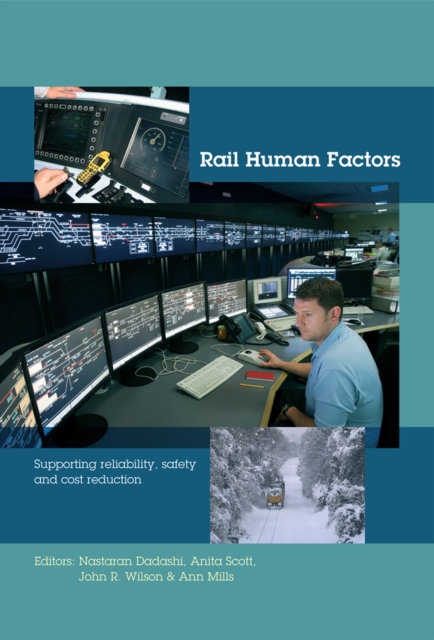
The rail human factors/ergonomics community has grown quickly and extensively, and there is much increased recognition of the vital importance of ergonomics/human factors by rail infrastructure owners, rail operating companies, system developers, regulators and national and trans-national government.
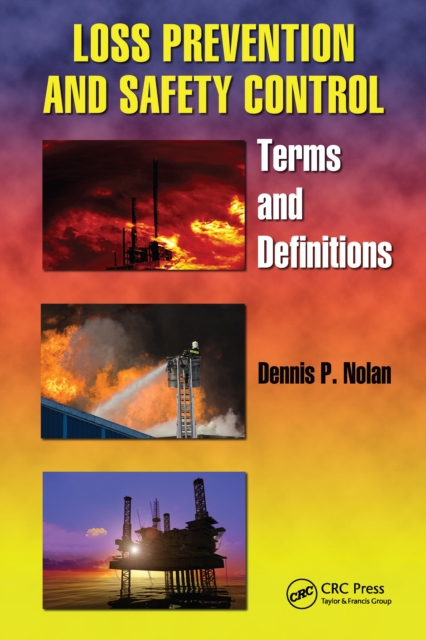
An encyclopedic, A-Z listing of terminology, Loss Prevention and Safety Control: Terms and Definitions addresses the need for a comprehensive reference that provides a complete and sufficient description of the terminology used in the safety/loss prevention field.
OSHA frequently requires companies to implement the type of program promoted in Cumulative Trauma Disorders, the first and only book to address both the medical and ergonomic aspects of cumulative trauma.
Este libro está dedicado a todas aquellas personas que en su trabajo están expuestas a riesgos, a aquellas que tienen personal a cargo, a aquellas que deben liderar grupos de trabajo, operarios, supervisores, gerentes y muy especialmente a aquellos profesionales de la prevención, ya que estas historias están relatadas desde la mirada de un preventor o profesional en Higiene y Seguridad, como se lo llama en la Argentina, y su batalla interna a la hora de tomar decisiones, de llegar a las personas, de influir en las decisiones de los demás, de sus miedos y de sus fantasmas.
In most schools you will probably see one, if not all of the following:Metal detectors to prevent handguns and other weapons from being brought onto school propertyStudents in standardized uniforms to prevent the appearance of gang affiliationsPolice officers patrolling the property to deter violent activity as well as respond to incidentsSuch evol
Fundamentals of Offshore Engineering addresses the basics of design for offshore oil and gas production systems and examines the health, safety, and environmental (HSE) aspects in the oil and gas industry with emphasis toward safety measures in design and operations.
The experience of the past decade since the publication of the first edition of The Rules of Work: A Practical Engineering Guide to Ergonomics proves just how central ergonomics is for effective production.
First published in 1921 and revised here in 1947, The Psychology of Industry was intended to make available for the ordinary person, rather than specialists in either psychology or economics, the results of recent experimental work in psychology at the time, so far as these had a direct bearing on problems of industry and commerce.
This captivating book explores the intersection where performing art meets human interaction and delves into the application of human factors' principles in this field.
The term "e;Human Engineering"e; was first used in America at the beginning of the twentieth century and was renamed "e;Human Factors"e; after World War II.
Managing Violence in the Workplace is a prescription that contains many lists of "e;do's"e; and "e;don'ts"e; and "e;how to's"e; for proactive and reactive responses to workplace violence.
The International Board for the Certification of Safety Managers (IBFCSM) has designated this text as the Primary Study Reference for those preparing to sit for the Certified Hazard Control Manager (CHCM) and the Certified Hazard Control Manager-Security (CHCM-SEC) Examinations.
This text guides the reader through the many forms of shiftwork, adopting a broad definition as being any regularly-taken employment outside the "e;day working window"e; 06.
This work shows readers how to target task analysis TA resources effectively over the life cycle of a project from conceptual design Through To Systems Operation, Noting The Role Of TA In Safety And Quality assurance, minimizing operator error,
FROM THE PREFACEThis book brings together (in one text) all of the Occupational Safety and Health Administration's regulatory requirements for making safe and proper confined space entries.
With annual cost in excess of $150 billion from workplace related illnesses and injuries, any knowledge that can reduce this burden contributes to the overall welfare of the work force and business performance.