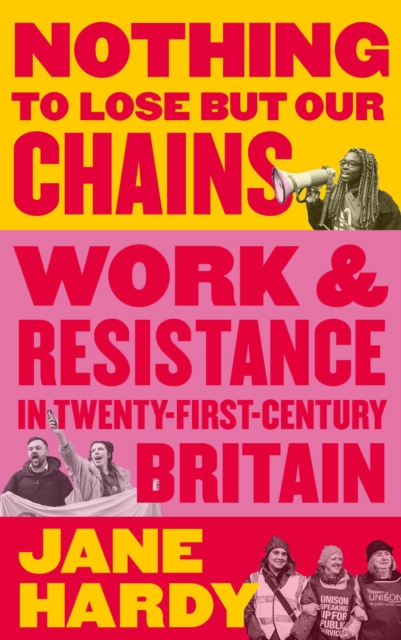
After a generation of retreat and decline, the trade unions are once more starting to command the public agenda and become a major force in political and social life in the UK.
US Labor in Trouble and Transition tells the story of union decline in America and of the split in the labor movement it led to, following the dismal tale of union mergers and management partnerships that accompanied the retreat from militancy since the 1980s.
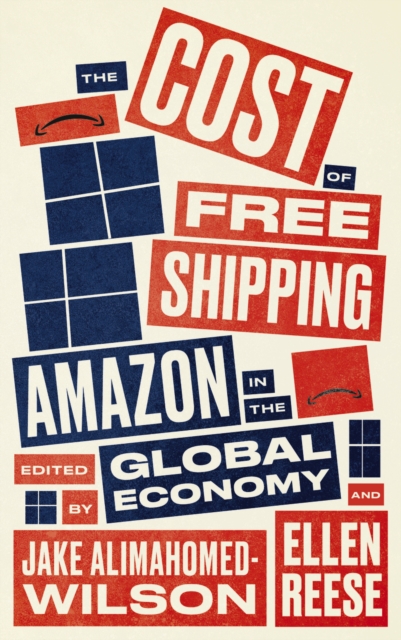
**Winner of the UALE Book Award 2021**Amazon is the most powerful corporation on the planet and its CEO, Jeff Bezos, has become the richest person in history, and one of the few people to profit from a global pandemic.
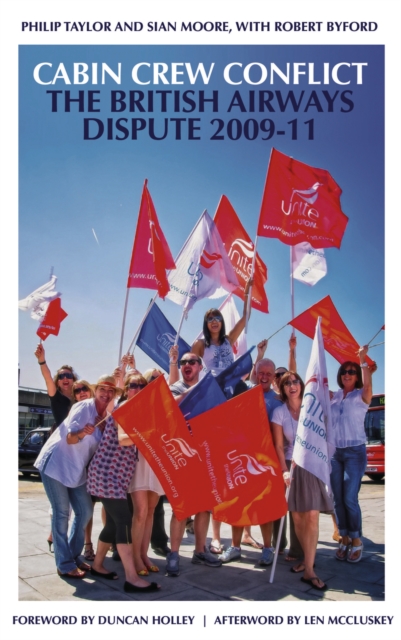
In 2009, cabin crew in the BASSA union embarked on a historic, two-year battle against British Airways which was seeking to impose reduced crew levels and to transform working conditions.
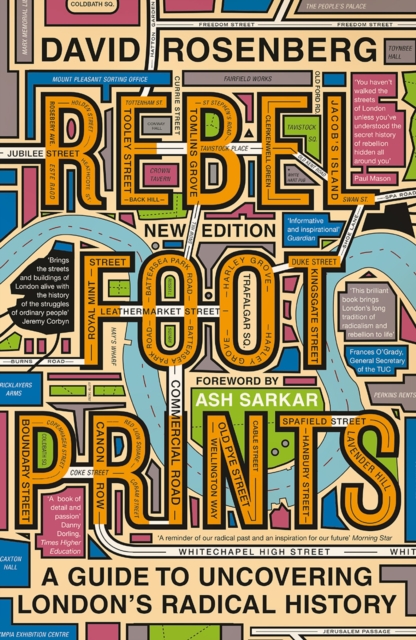
The radical response to conservative heritage tours and banal day-tripper guides, Rebel Footprints brings to life the history of social movements in the capital.
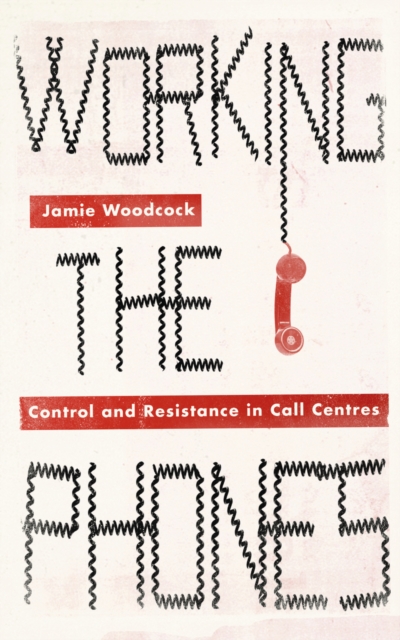
*Shortlisted for the BBC Radio 4 Thinking Allowed Award for Ethnography 2017**Winner of the 2016 Labor History Best Book prize*Over a million people in the UK work in call centres, and the phrase has become synonymous with low-paid and high stress work, dictatorial supervisors and an enforced dearth of union organisation.
Recalling the JeffBoat incident of 2001, A Serf's Journal is Terry Tapp's formidable first-hand account of American workers as they fight a multinational company and their corrupt union to stage the longest wildcat strike in US history.
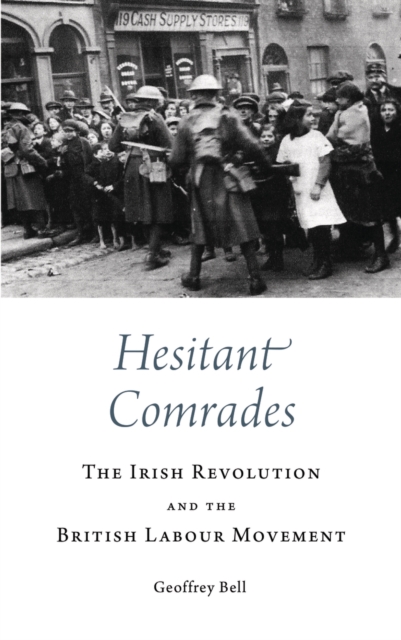
Geoffrey Bell's Hesitant Comrades is the first published history of the policies, actions and attitudes of the British working class towards the Irish national revolution of 1916-21.
In 1995, in the first contested election in the history of the AFL-CIO, John Sweeney won the presidency of the nation's largest labor federation, promising renewal and resurgence.
Collective Bargaining and Productivity: The Longshore Mechanization Agreement provides a meticulous analysis of the transformative effects of collective bargaining on productivity within the Pacific Coast longshore industry.
It is hard to believe that there was a time, not long ago, when there was no right to obtain government information, no protection against hazards in children's toys and other consumer products, no federal safety standards for motor vehicles, and no insurance to protect an investors' money and securities in brokerage accounts.
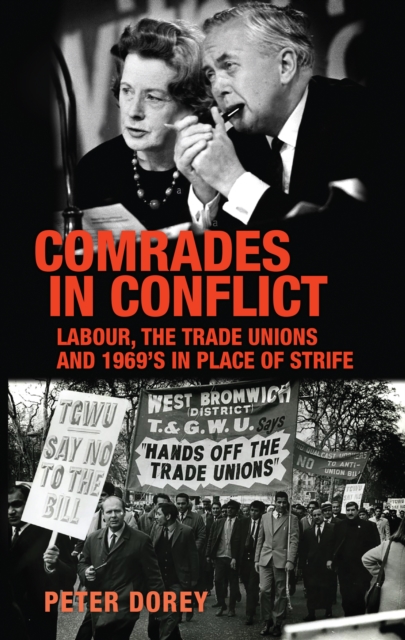
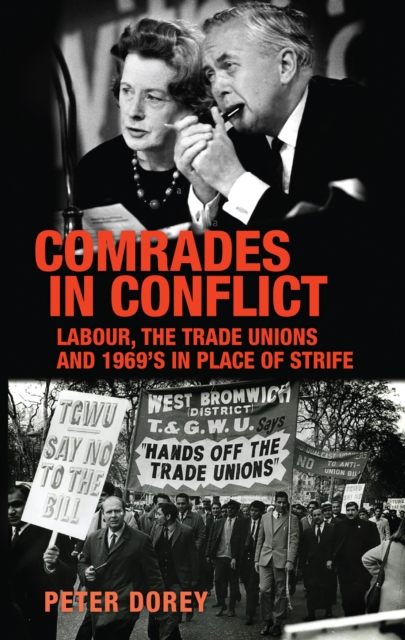
On the 50th anniversary of In Place of Strife, this scholarly study makes extensive use of previously unpublished archival and other primary sources to explain why Harold Wilson and Barbara Castle embarked on legislation to regulate the trade unions and curb strikes, and why this aroused such strong opposition, not just from the unions, but within the Cabinet and among backbench Labour MPs.
On the 50th anniversary of In Place of Strife, this scholarly study makes extensive use of previously unpublished archival and other primary sources to explain why Harold Wilson and Barbara Castle embarked on legislation to regulate the trade unions and curb strikes, and why this aroused such strong opposition, not just from the unions, but within the Cabinet and among backbench Labour MPs.
Originally published in 1964, at a time of much public unease regarding redundancy, this book contains the results of a comprehensive survey, inspired by a suggestion of the then Minister of Labour that the mass redundancies in the Midlands motor industry of 1956 merited a full-scale investigation.
Women Challenging Unions is a collection of original papers that presents a vision of an invigorated and vibrant labour movement, one that would actively seek the full participation of women and other traditionally excluded groups, and that would willingly incorporate a feminist agenda.
Creators of the modern industrial state, engineers of the late nineteenth and early twentieth centuries were part of a rising force or urban, middle-class experts.