The field of risk science continues to learn from the long history of events to develop principles and practices that enable individuals, organizations, and societies to understand and manage future risk.
The Transformation of Discontent demonstrates that far from disappearing from the workplaces of the Global North, labor protest has merely changed character and now focuses on healthcare and education, with white-collar and white coat employees clashing with employers over wages, working conditions, and professional autonomy.
First published in 1921 and revised here in 1947, The Psychology of Industry was intended to make available for the ordinary person, rather than specialists in either psychology or economics, the results of recent experimental work in psychology at the time, so far as these had a direct bearing on problems of industry and commerce.
Employment Expansion and Population Growth: The California Experience, 1900-1950 provides a detailed analysis of the dramatic population growth and employment trends that shaped California's development during the first half of the 20th century.
Transfer and Stockpiling Operations in the Crude Oil Refining Industry provides an overview of crude oil refining processes highlighting stockpiling operations, which unfortunately tend to be underestimated in comparison with processing units operations like FCC and hydrotreating.
Fundamentals of Offshore Engineering addresses the basics of design for offshore oil and gas production systems and examines the health, safety, and environmental (HSE) aspects in the oil and gas industry with emphasis toward safety measures in design and operations.
In the 1990s, states in what would become the eastern edge of the European Union transformed their political systems and economies, leaving state socialism behind for liberal democracies and free markets.
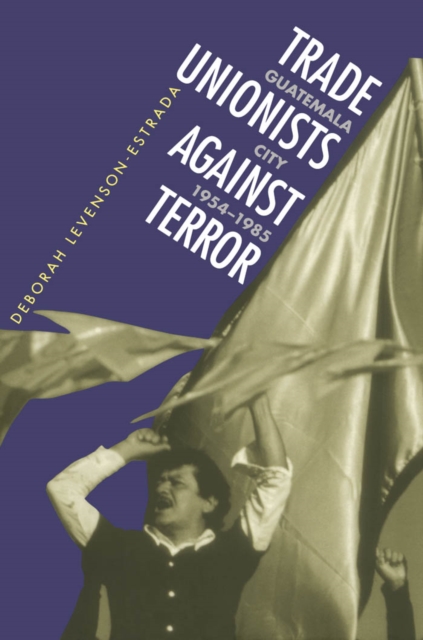
Deborah Levenson-Estrada provides the first comprehensive analysis of how urban labor unions took shape in Guatemala under conditions of state terrorism.
Society has become more educated on the impacts on human health and environment, and there has been a noticeable decrease in the acceptance of this risk by workers and the public.
Despite the vast amount of work building the foundations of safe operations, aviation accidents still happen, and prior to many accidents and other safety-related events, there was unexpressed or ignored disquiet as the 'last minute' approached - the last minute being that time when there is no longer time for discussion or analysis, only 'safety first' action.
Despite widespread interest in the trade union movement and its history, it has never been easy to trace the development of individual unions, especially those now defunct, or where name changes or mergers have confused the trail.
The Manager's Guide to Industrial Relations (1968) traces the origins and evolution of the attitudes of managers and men from the beginning of industrialization to the Fawley Agreement.
Staff Relations in the Civil Service (1973) describes the origins of the Civil Service National Whitley Council, the growing pains it endured in its early years, its major achievements and the role it played in industrial relations between staff in the civil service and their employers, the British Government.
Reap the benefits of the home workplace revolution with this practical resource that guides managers and employees through working from home either full or part-time.
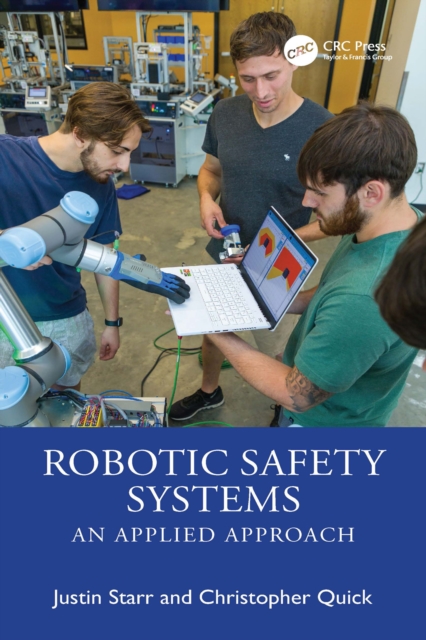
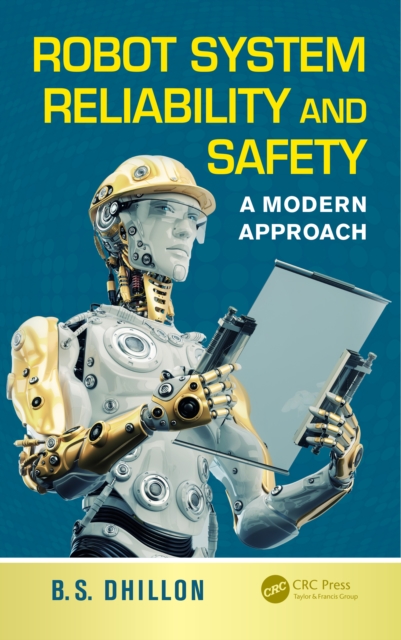
Written by a well-known expert in reliability engineering, this book presents up-to-date information on robot reliability, safety, and related areas in a single volume, eliminating the need to consult diverse sources.
Despite widespread interest in the trade union movement and its history, it has never been easy to trace the development of individual unions, especially those now defunct, or where name changes or mergers have confused the trail.
Public Sector Industrial Relations (1992) concentrates on individual relations in the public sector, identifying the distinctive features of management organization, collective bargaining, strikes and dispute resolution.
Handbook on Thermal Hydraulics of Water-Cooled Nuclear Reactors, Volume 2, Modelling includes all new chapters which delve deeper into the topic, adding context and practical examples to help readers apply learnings to their own setting.
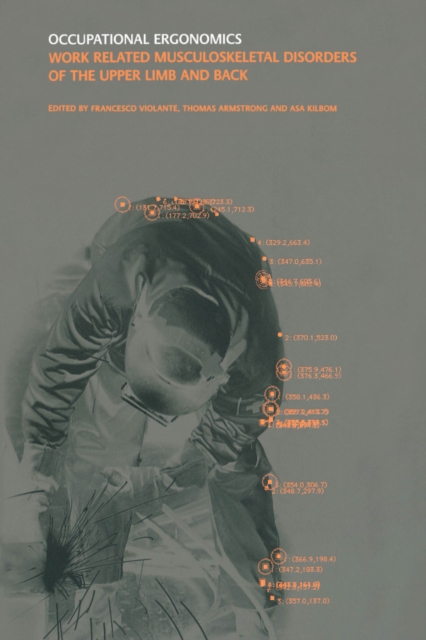
Work related musculoskeletal disorders (WRMSDs) are the leading cause of worker impairment, disability, compensation costs and loss of productivity in industrialized countries.
Learn How to Implement Safety Codes and Regulations EffectivelyA number of electrical fatalities and injuries that occur each year can be overcome by a thorough understanding of electrical concepts.
This text guides the reader through the many forms of shiftwork, adopting a broad definition as being any regularly-taken employment outside the "e;day working window"e; 06.
Public Sector Industrial Relations (1992) concentrates on individual relations in the public sector, identifying the distinctive features of management organization, collective bargaining, strikes and dispute resolution.
Comprehensive in scope, this totally revamped edition of a bestseller is the ideal desk reference for anyone tasked with hazard control and safety management in the healthcare industry.
Hierarchical Task Analysis (HTA) is carried out by professionals who have to undertake a wide range of human factors and human resource design decisions.
The second edition of Nanotechnology Safety outlines the safety, regulatory, and environmental issues related to nanotechnology per industry, offering guidelines for risk assessment and discussion of the legal and social-economic issues related to nanotechnology.
With adults over sixty becoming an ever-increasing proportion of the global population, the challenge of accommodating the needs, preferences, and abilities, of this heterogeneous population has increased.
Industrial Relations in the Public Services (1989) assesses the changes in industrial relations following Thatcher's 1979 election in three particular parts of the public sector: local authorities, the national health service and the civil service.
In einer Welt, die von technologischen Innovationen, demografischen Veränderungen und globaler Vernetzung geprägt ist, wird der Fachkräftemangel oft als eines der drängendsten Probleme unserer Zeit dargestellt.