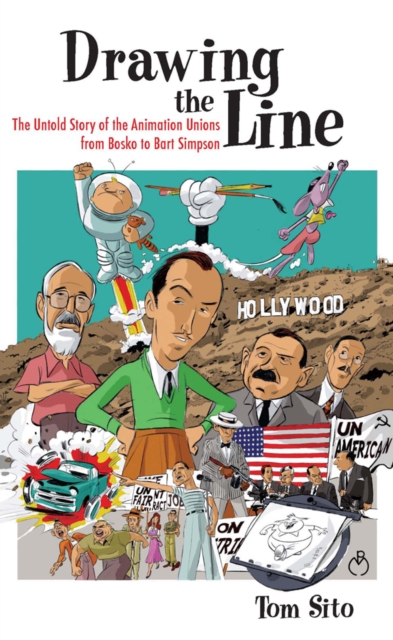
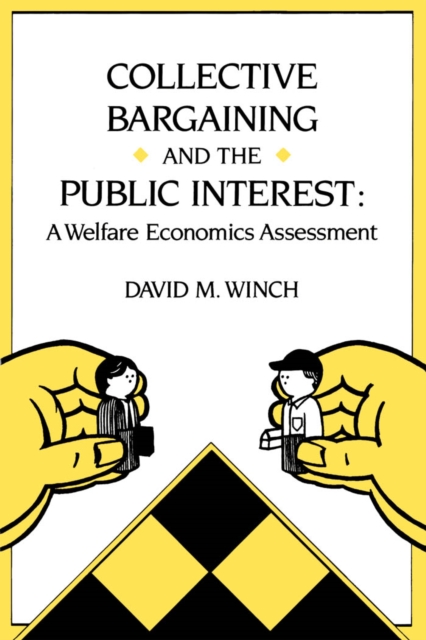
Some of the most beloved characters in film and television inhabit two-dimensional worlds that spring from the fertile imaginations of talented animators.
In this updated edition of a groundbreaking classic, Alice Kessler-Harris explores the meanings of women's wages in the United States in the twentieth and twenty-first centuries, focusing on three issues that capture the transformation of women's roles: the battle over minimum wage for women, which exposes the relationship between family ideology and workplace demands; the argument concerning equal pay for equal work, which challenges gendered patterns of self-esteem and social organization; and the debate over comparable worth, which seeks to incorporate traditionally female values into new work and family trajectories.
In this updated edition of a groundbreaking classic, Alice Kessler-Harris explores the meanings of women's wages in the United States in the twentieth and twenty-first centuries, focusing on three issues that capture the transformation of women's roles: the battle over minimum wage for women, which exposes the relationship between family ideology and workplace demands; the argument concerning equal pay for equal work, which challenges gendered patterns of self-esteem and social organization; and the debate over comparable worth, which seeks to incorporate traditionally female values into new work and family trajectories.
Some of the most beloved characters in film and television inhabit two-dimensional worlds that spring from the fertile imaginations of talented animators.
United Association for Labor Education Best Book AwardThe American Dream of reaching success through sheer sweat and determination rings false for countless members of the working classes.
United Association for Labor Education Best Book AwardThe American Dream of reaching success through sheer sweat and determination rings false for countless members of the working classes.
The exceptional experiences of South Korea and Taiwan in combining high growth and liberal democracy in a relatively short and similar timetable have brought scholarly attention to their economic and political transformations.
Throughout recorded history, labor to produce goods and services has been a central concern of society, and questions surrounding the terms of labor-the arrangements under which labor is made to produce and to divide its product with others-are of great significance for understanding the past and the emergence of the modern world.
This collection examines Latina/o immigrants and the movement of the Latin American labor force to the central states of Oklahoma, Kansas, Nebraska, Arkansas, Missouri, and Iowa.
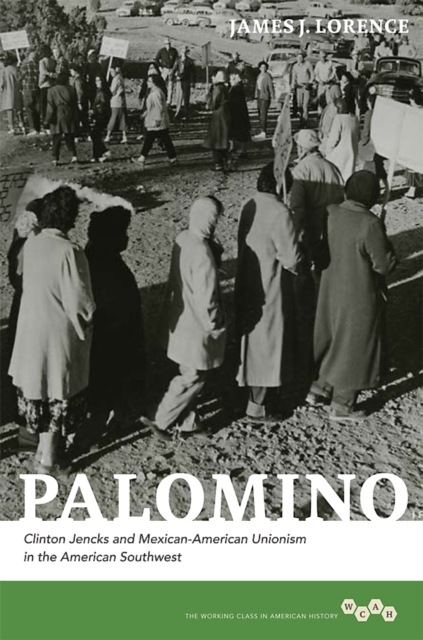
The first comprehensive biography of progressive labor organizer, peace worker, and economist Clinton Jencks (1918-2005), this book explores the life of one of the most important political and social activists to appear in the Southwestern United States in the twentieth century.
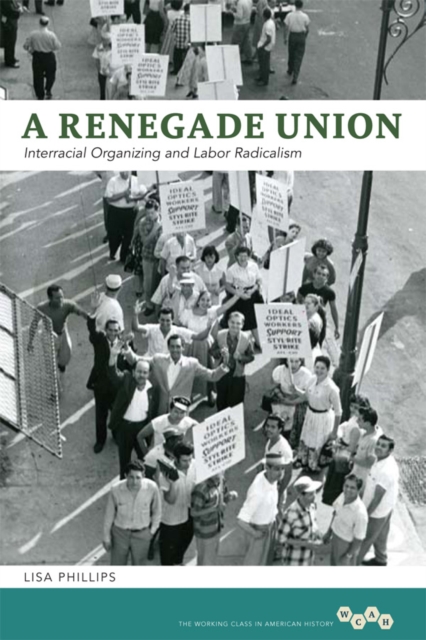
Dedicated to organizing workers from diverse racial, ethnic, and religious backgrounds, many of whom were considered "e;unorganizable"e; by other unions, the progressive New York City-based labor union District 65 counted among its 30,000 members retail clerks, office workers, warehouse workers, and wholesale workers.
Service life estimation is an area of growing importance in civil engineering both for determining the remaining service life of civil engineering structures and for designing new structural systems with well-defined periods of functionality.
With this important resource, health care leaders from the board room to the point-of-care can learn how to apply the science of safe and best practices from industry to healthcare by changing leadership practices, models of service delivery, and methods of communication.
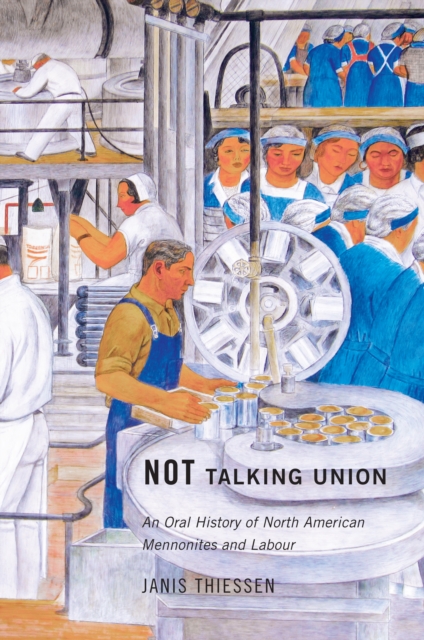
How does one write a labour history of a people who have not been involved in the labour movement in significant numbers and, historically, have opposed union membership?
Working Without Commitments offers a new understanding of the social and health impacts of this change in the modern workplace, where outsourcing, limited term contracts, and the elimination of pensions and health benefits have become the new standard.
This interdisciplinary volume offers a multifaceted picture of precarious employment and the ways in which its principal features are reinforced or challenged by laws, policies, and labour market institutions, including trade unions and community organizations.
Based on interviews with Leamington greenhouse growers and migrant Mexican workers, Tanya Basok offers a timely analysis of why the Seasonal Agricultural Workers Program is needed.
In No Justice, No Peace David Rapaport uses detail, insights, and anecdotes from over 150 interviews - with picket line captains, local executives, union leadership, journalists, mediators, and union and management negotiators among others - to provide an insider's view of the strike and its political and economic contexts, often told in the strikers' own voices.
Loney takes issue with popular attitudes toward race and gender, whereby to be born a woman or a member of a visible minority is to enter life at a disadvantage and therefore be entitled to compensatory provision.
Arguing that the consequences of the unemployment crisis could have been avoided by better government policies, particularly less restrictive monetary control, the contributors examine the effect of the zero-inflation policy adopted by the Bank of Canada and the role of unemployment insurance on the unemployment crisis of recent years.
Kealey provides an overview of the study of workers in Canada as well as in-depth examinations of two of the field's leading scholars, political economist Clare Pentland and Marxist historian Stanley Brehaut Ryerson.
'Jane Holgate is a brilliant thinker' - Jane McAleveyIn Arise, Jane Holgate argues that unions must revisit their understanding of power in order to regain influence and confront capital.
'A breath of fresh air' - Norman FinklesteinWorkers in the Global South are doomed through economic imperialism to carry the burden of the entire world.
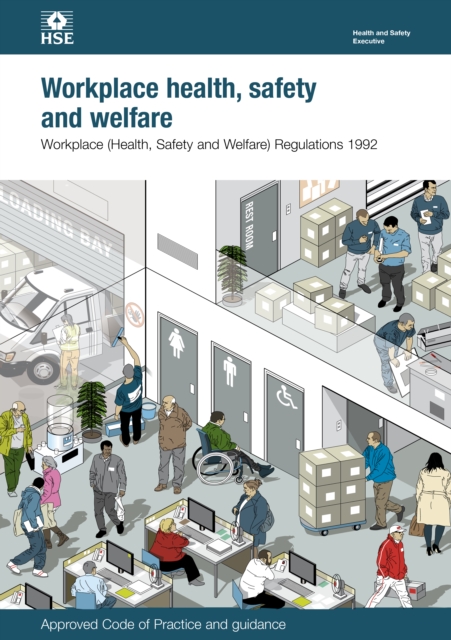
The Workplace (Health, Safety and Welfare) Regulations 1992 cover a wide range of basic health, safety and welfare issues and apply to most workplaces (except those involving construction work on construction sites, those in or on a ship, or those below ground at a mine).