Seeking to historicize the 2007-2009 Great Recession, this volume of essays situates the current economic crisis and its impact on workers in the context of previous abrupt shifts in the modern-day capitalist marketplace.
Emancipator of the Seamen explores the life and impact of Andrew Furuseth, a Norwegian-born seaman who became a defining figure in the American labor movement through his dedication to the Sailors' Union of the Pacific (SUP).
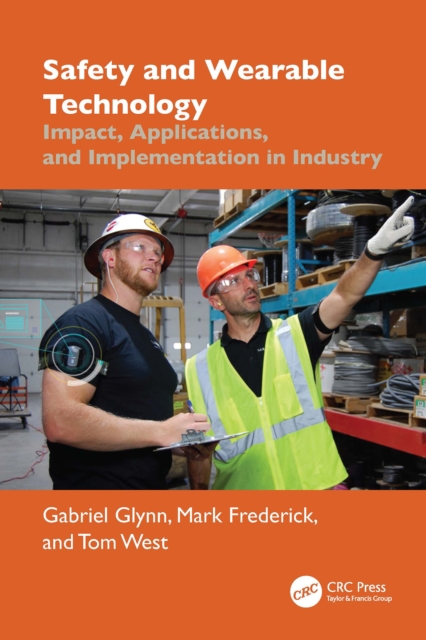
Safety and Wearable Technology tackles the profound issue of workplace safety, as each day unacceptable numbers of workers lose their lives in accidents, with even more succumbing to work-related illnesses across the globe.
Community Wage Patterns offers an insightful analysis into the dynamics of wage levels and structures within Los Angeles County, providing a case study that extends its relevance to broader economic contexts.
Employment Expansion and Population Growth: The California Experience, 1900-1950 provides a detailed analysis of the dramatic population growth and employment trends that shaped California's development during the first half of the 20th century.
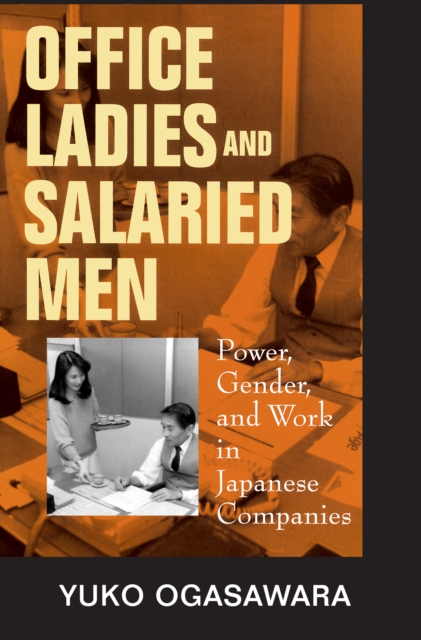
In large corporations in Japan, much of the clerical work is carried out by young women known as "e;office ladies"e; (OLs) or "e;flowers of the workplace.
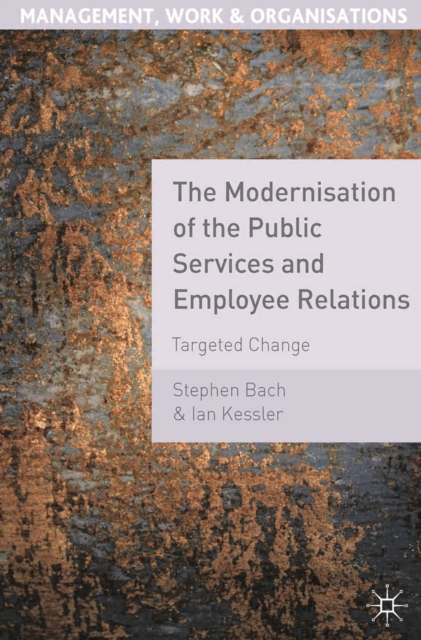
The Modernisation of the Public Services and Employee Relations provides an integrated and up-to-date account of changes in work and employment in the public services.
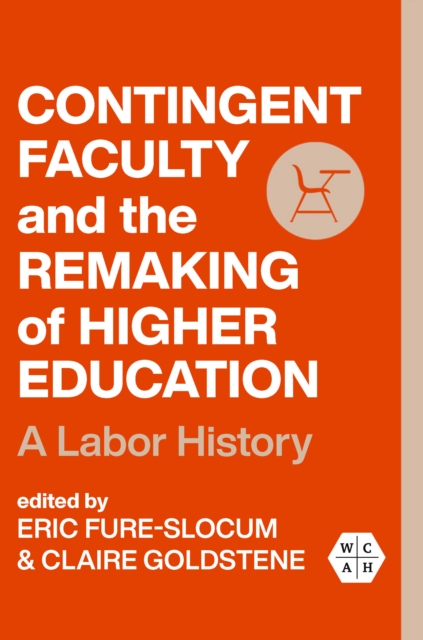
An educational crisis from its origins to present-day experiences In the United States today, almost three-quarters of the people teaching in two- and four-year colleges and universities work as contingent faculty.
Traditional and Novel Adsorbents for Antibiotics Removal from Wastewater describes, in detail, the importance of removing antibiotics from aqueous systems, along with new information on their variation, solubility, toxicology and allowable concentration in groundwater.
The papers in this volume present an excellent sampling of the best of current research in labor economics, combining the most sophisticated theory and econometric methods with high-quality data on a variety of problems.
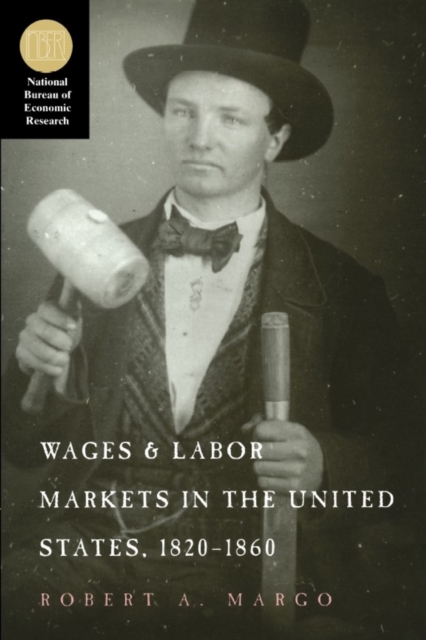
Research by economists and economic historians has greatly expanded our knowledge of labor markets and real wages in the United States since the Civil War, but the period from 1820 to 1860 has been far less studied.
One of former New York City Mayor Rudolph Giuliani's proudest accomplishments is his expansion of the Work Experience Program, which uses welfare recipients to do routine work once done by unionized city workers.
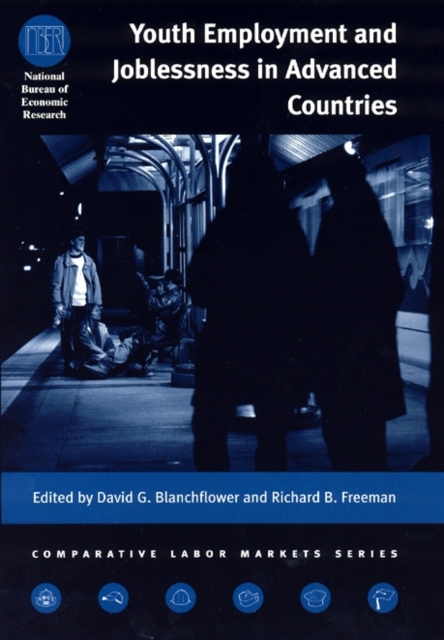
This volume brings together a massive body of much-needed research information on a problem of crucial importance to labor economists, policy makers, and society in general: unemployment among the young.
During the past two decades, wages of skilled workers in the United States rose while those of unskilled workers fell; less-educated young men in particular have suffered unprecedented losses in real earnings.
In recent years, the earnings of young blacks have risen substantially relative to those of young whites, but their rates of joblessness have also risen to crisis levels.
Workers' compensation was arguably the first widespread social insurance program in the United States and the most successful form of labor legislation to emerge from the early Progressive Movement.
The twentieth century saw significant increases in both life expectancy and retirement rates-changes that have had dramatic impacts on nearly every aspect of society and the economy.
Since the 1970s, the striking increase in immigration to the United States has been accompanied by a marked change in the composition of the immigrant community, with a much higher percentage of foreign-born workers coming from Latin America and Asia and a dramatically lower percentage from Europe.
The economic status of young people has declined significantly over the past two decades, despite a variety of programs designed to aid new workers in the transition from the classroom to the job market.
The term "e;Human Engineering"e; was first used in America at the beginning of the twentieth century and was renamed "e;Human Factors"e; after World War II.
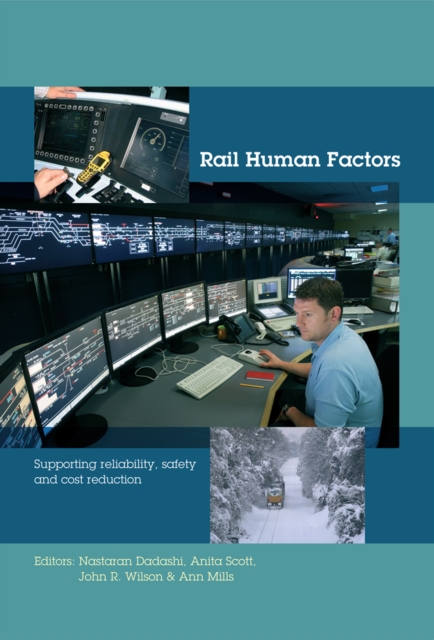
The rail human factors/ergonomics community has grown quickly and extensively, and there is much increased recognition of the vital importance of ergonomics/human factors by rail infrastructure owners, rail operating companies, system developers, regulators and national and trans-national government.
The broad and developing scope of ergonomics - the application of scientific knowledge to improve people's interaction with products, systems and environments - has been illustrated for 27 years by the books which make up the Contemporary Ergonomics series.
Occupational Safety and Hygiene presents selected papers from the International Symposium on Occupational Safety and Hygiene , SHO2013 (Guimar,, Portugal, 14-15 February 2013), which was organized by the Portuguese Society for Occupational Safety and Hygiene (SPOSHO).
A ground-breaking new book, Beyond Human Error: Taxonomies and Safety Science deconstructs the conventional concept of human error and provides a whole new way of looking at accidents and how they might be prevented.
Fundamentals of Health at Work is an engaging re-assessment of workplace health, with particular emphasis on the neglected issues of the social context of the working environment and the impact on individuals of their workplaces.
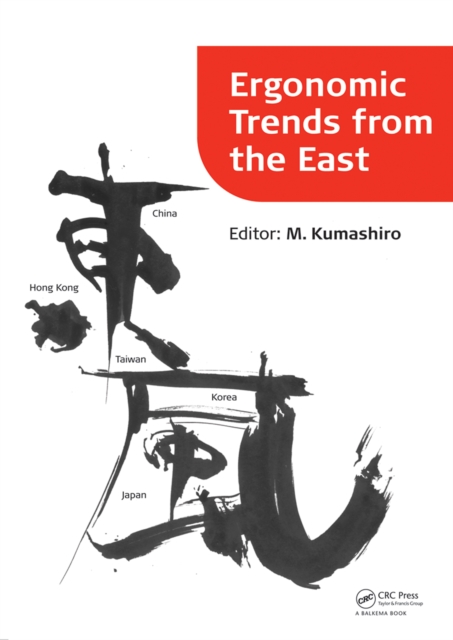
For the past decade, the rapid development of the ergonomics disciplines as well as the fast growing economy in the Asian region have been attracting the attention of the international ergonomics community.
The International Mining Forum is a meeting of scientists and professionals for exchanging new ideas and experiences, evaluate previously implemented solutions, and discuss fresh ideas that might change the mining industry's image.
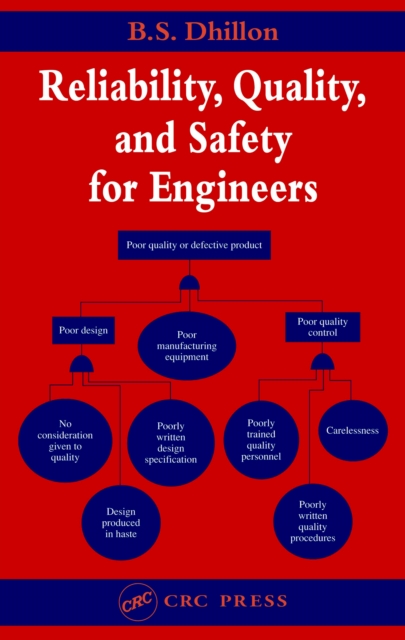
Due to global competition, safety regulations, and other factors, manufacturers are increasingly pressed to create products that are safe, highly reliable, and of high quality.
As workers in the private sector struggle with stagnant wages, disappearing benefits, and rising retirement ages, unionized public employees retire in their fifties with over $100,000 a year in pension and healthcare benefits.
As workers in the private sector struggle with stagnant wages, disappearing benefits, and rising retirement ages, unionized public employees retire in their fifties with over $100,000 a year in pension and healthcare benefits.
Why David Sometimes Wins tells the story of Cesar Chavez and the United Farm Workers' groundbreaking victory, drawing important lessons from this dramatic tale.