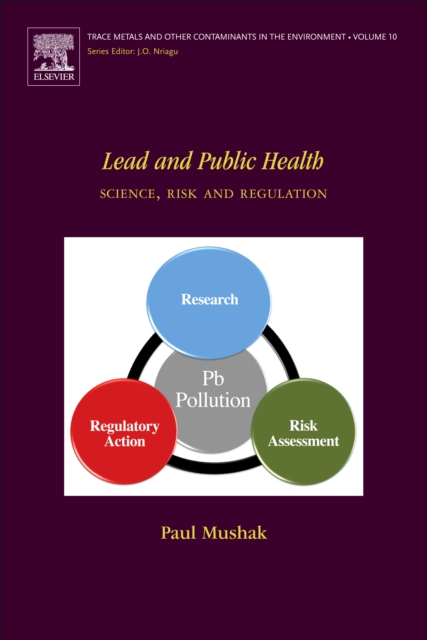
The book presents a detailed assessment of the health science of lead and the human health risk assessment models for lead's human health impacts, followed by an account of various regulatory efforts in the United States and elsewhere to eliminate or reduce human toxic exposures to lead.
Fully updated and expanded, the second edition of Human Factors in Aviation serves the needs of the widespread aviation community - students, engineers, scientists, pilots, managers and government personnel.
International Trade, Labor Relations, and Bargaining Power: International Strawberry Commodity Networks examines power in the commercial food system through the history of always available strawberries.
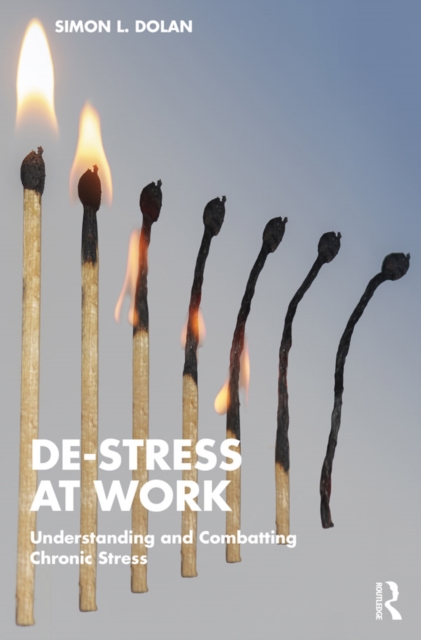
Burn-out, excessive hours, office politics, handling complaints, isolated remote working, complex and inefficient processes - this book addresses the full complexities of chronic stress at work.
Progress in space safety lies in the acceptance of safety design and engineering as an integral part of the design and implementation process for new space systems.
The problem of removing water which is emulsified with produced oil has grown more widespread and often times more difficult as producers attempt to access more difficult reserves.
Social Ecology of Infectious Diseases explores how human activities enable microbes to disseminate and evolve, thereby creating favorable conditions for the diverse manifestations of communicable diseases.
Job Hazard Analysis: A Guide for Voluntary Compliance and Beyond presents a new and improved concept for Job Hazard Analysis (JHA) that guides the reader through the whole process of developing tools for identifying workplace hazards, creating systems that support hazard recognition, designing an effective JHA, and integrating a JHA based program into occupational safety and health management systems.
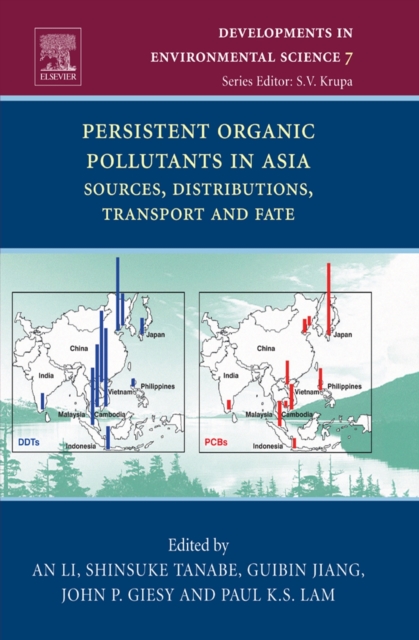
Large amounts of data obtained through environmental monitoring of persistent organic pollutants (POPs) in 10 Asian countries and Australia have been compiled and explored using principles of environmental chemistry, toxicology, and risk assessment.
This Proceedings contains the papers presented at the 14th International Conference on Condition Monitoring and Diagnostic Engineering Management (COMADEM 2001), held in Manchester, UK, on 4-6 September 2001.
This symposium was jointly organized by the United States Environmental Protection Agency and The Netherlands Ministry of Housing, Spatial Planning and the Environment.
The latest edition of Protecting Personnel at Hazardous Waste Sites brings together a wide range of occupational safety and health recommendations and practices directly applying to hazardous waste site cleanups.
Written with corporate regulatory compliance officers, health and safety managers, loss control managers, and human resource specialists in mind, this book offers workplace-tested strategies for meeting the health and safety needs of a modern corporation.
Human Performance and Ergonomics brings together a comprehensive and modern account of how the context of performance is crucial to understanding behavior.
This book provides comprehensive safety and health-related data for hydrocarbons and organic chemicals as well as selected data for inorganic chemicals.
This volume provides extensive health (toxicological) and safety handling information and data on over 1,000 chemicals of commercial and industrial importance.
The Health and Safety at Work Act, together with current and impending EU Directives, obliges those responsible for hazardous areas, those who work in such areas and those who supply equipment for use in such areas to demonstrate that they have taken all necessary and reasonable steps to prevent fires and explosions.
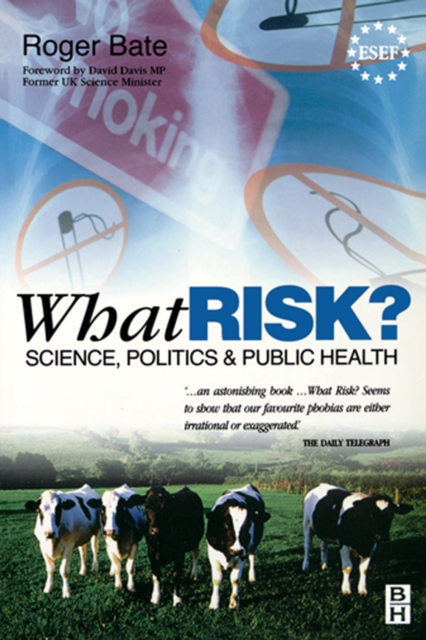
Whether the public or the environment is at risk is a commonly discussed question in numerous areas of public life, most recently and publicly with regard to issues like BSE, passive smoking and the dangers from pesticides in food production.
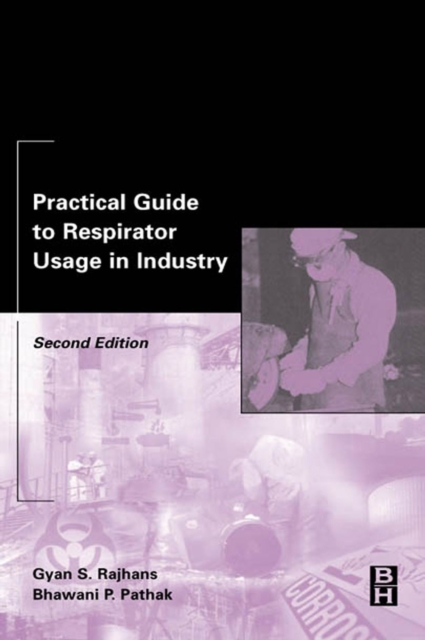
This new edition outlines the design and implementation of an effective respiratory protective equipment program for industries in which workers are at risk from inhaled particulates, toxins and other hazardous materials.
Why our workplaces are authoritarian private governments-and why we can't see itOne in four American workers says their workplace is a "e;dictatorship.
A clear and concise reference guide on integrating fire protection design, Fire Protection Engineering in Building Design encompasses not only the basic information on the functions, design, and applications of fire protection systems; but also reveals how this information can and should be integrated with every other major engineering discipline.
Originally published in three volumes by the Institution of Chemical Engineers from 1985 to 1988, this guide formed the first authoritative and comprehensive guide for dust explosion prevention and protection for engineers, scientists, safety specialists, and managers.
This revised edition of a best-selling book continues to provide a basis for the identification and evaluation of chemical reaction hazards for chemists, engineers, plant personnel, and students.