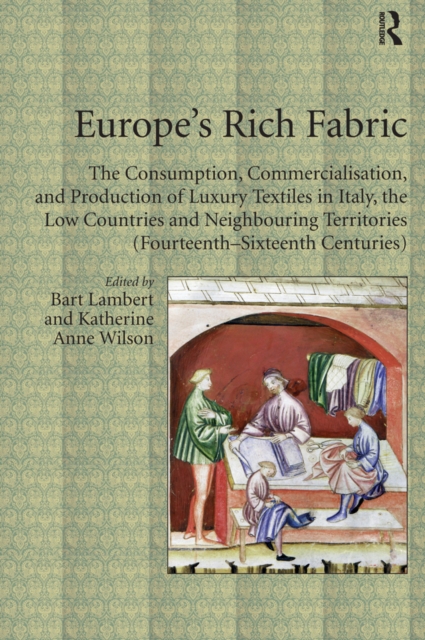
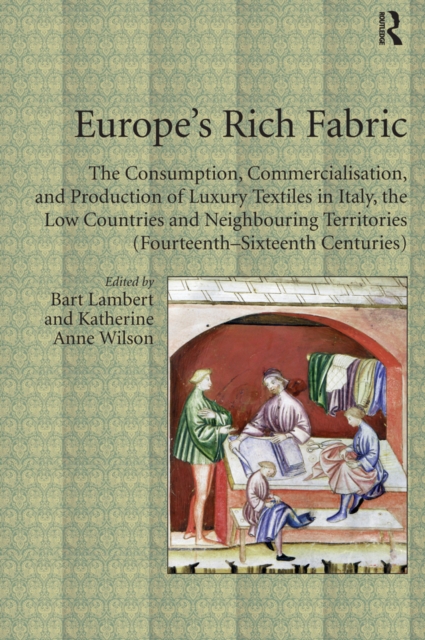
Although traditional manufacturing (textiles, clothing, footwear, furniture, etc) has been in decline in developed countries, it still represents an important part of European employment due to its labour-intensive character.
Although traditional manufacturing (textiles, clothing, footwear, furniture, etc) has been in decline in developed countries, it still represents an important part of European employment due to its labour-intensive character.
This book of essays, which draws on the expertise of leading textile scholars in Britain and the United States, focuses on the problem of and responses to foreign competition in textiles from the late nineteenth century to the present day.
This book of essays, which draws on the expertise of leading textile scholars in Britain and the United States, focuses on the problem of and responses to foreign competition in textiles from the late nineteenth century to the present day.
The production, use and eventual disposal of most clothing is environmentally damaging, and many fashion and textile designers are becoming keen to employ more sustainable strategies in their work.
The production, use and eventual disposal of most clothing is environmentally damaging, and many fashion and textile designers are becoming keen to employ more sustainable strategies in their work.
Tavistock Press was established as a co-operative venture between the Tavistock Institute and Routledge & Kegan Paul (RKP) in the 1950s to produce a series of major contributions across the social sciences.
Tavistock Press was established as a co-operative venture between the Tavistock Institute and Routledge & Kegan Paul (RKP) in the 1950s to produce a series of major contributions across the social sciences.
Apparel Production Terms and Processes, Third Edition, defines materials and terms relating to global mass production of raw materials, design and development, garment details and component parts, sizing and fit, patternmaking tools methods and computer technology, pre-production operations, assembly, production and manufacturing, labeling regulations, testing and quality control, inspection, finishing, and packaging.
This book analyzes the dramatic social impacts of global economic restructuring in the US textile industry and the consequences for Southern textile mill communities.
This book analyzes the dramatic social impacts of global economic restructuring in the US textile industry and the consequences for Southern textile mill communities.
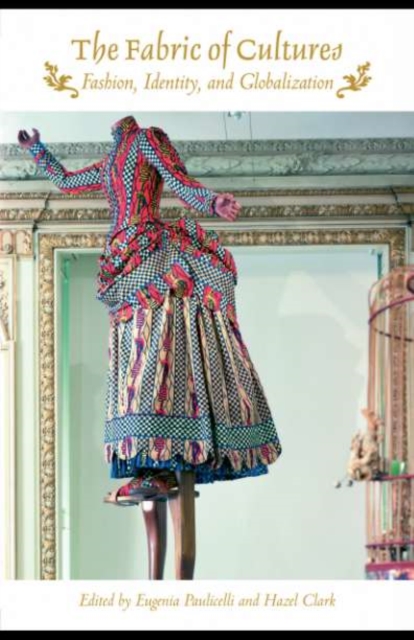
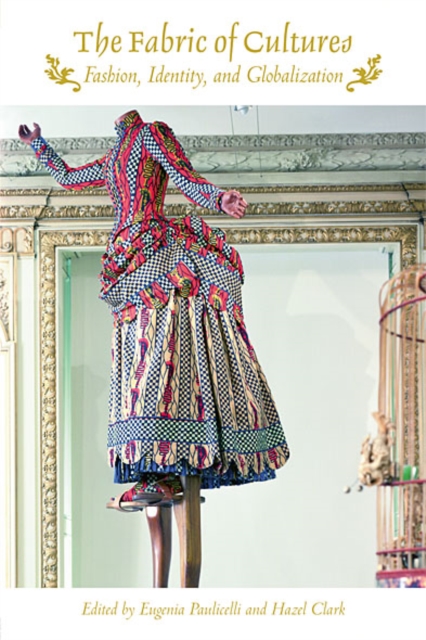
Fashion is both public and private, material and symbolic, always caught within the lived experience and providing an incredible tool to study culture and history.
Fashion is both public and private, material and symbolic, always caught within the lived experience and providing an incredible tool to study culture and history.
Industrial competition with rising economies, new regional investment from the West, and trade pacts among competitors threaten Japan's long postwar prominence.
Industrial competition with rising economies, new regional investment from the West, and trade pacts among competitors threaten Japan's long postwar prominence.
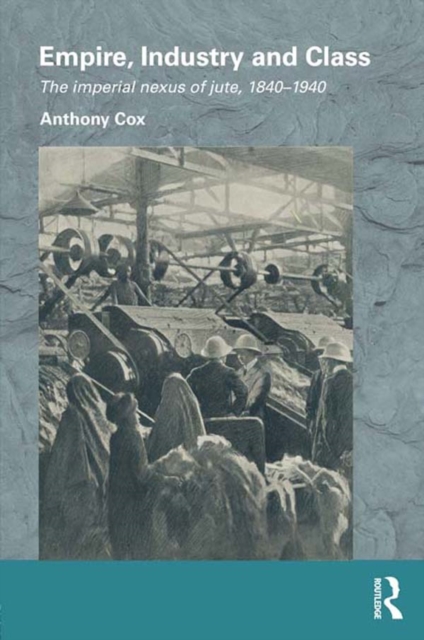
Presenting a new approach towards the social history of working classes in the imperial context, this book looks at the formation of working classes in Scotland and Bengal.
Presenting a new approach towards the social history of working classes in the imperial context, this book looks at the formation of working classes in Scotland and Bengal.
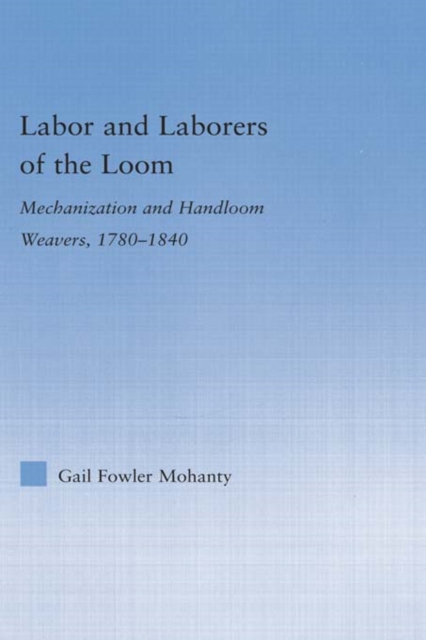
Labor and Laborers of the Loom: Mechanization and Handloom Weavers 1780-1840 develops several themes important to understanding the social, cultural and economic implications of industrialization.
Labor and Laborers of the Loom: Mechanization and Handloom Weavers 1780-1840 develops several themes important to understanding the social, cultural and economic implications of industrialization.
This book analyzes the competitive forces which dominate this major sector, and traces how the nature of competition has evolved during the last two hundred years.
This book analyzes the competitive forces which dominate this major sector, and traces how the nature of competition has evolved during the last two hundred years.
During the period of industrialisation in Japan from the 1870s to the 1930s, the textile industry was Japan's largest manufacturing industry, and the country's major source of export earnings.