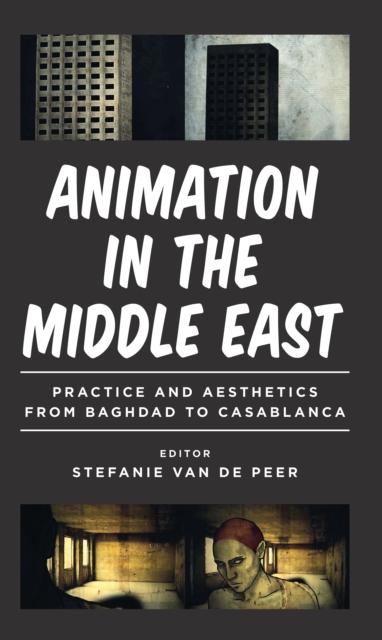
The internationally acclaimed films Persepolis and Waltz with Bashir only hinted at the vibrant animation culture that exists within the Middle East and North Africa.
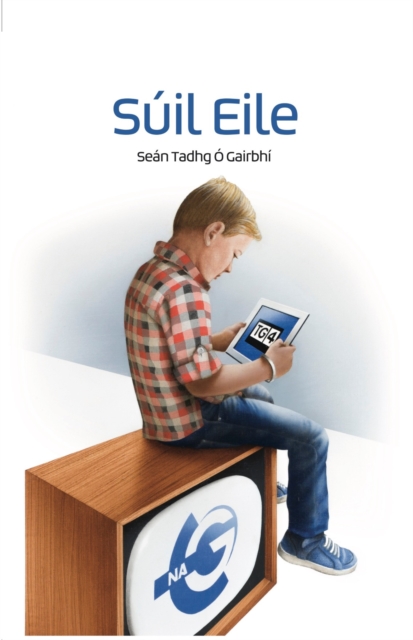
Based on new research and on interviews with those who have the inside story about the founding and development of TG4, Súil Eile gives a lively, no-nonsense account of Irish language TV in the last twenty years.
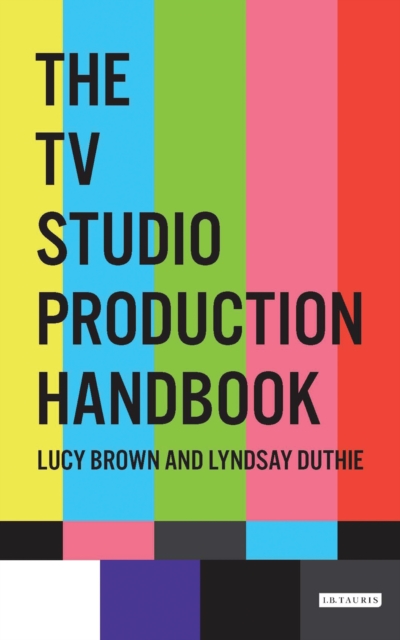
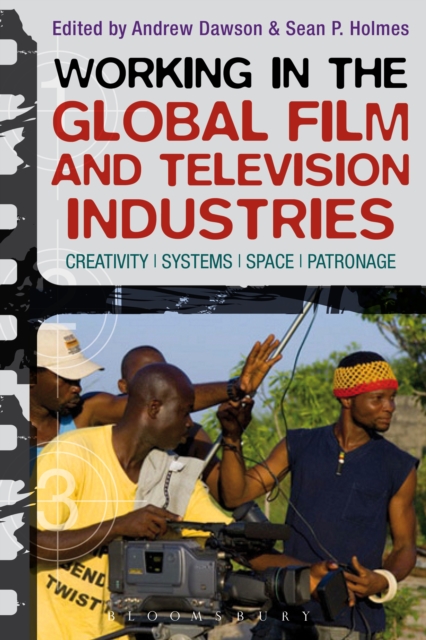
Like many other cultural commodities, films and TV shows tend to work in such a way as to obscure the conditions under which they are produced, a process that has been reinforced by dominant trends in the practice of Film and Television Studies.
Like many other cultural commodities, films and TV shows tend to work in such a way as to obscure the conditions under which they are produced, a process that has been reinforced by dominant trends in the practice of Film and Television Studies.
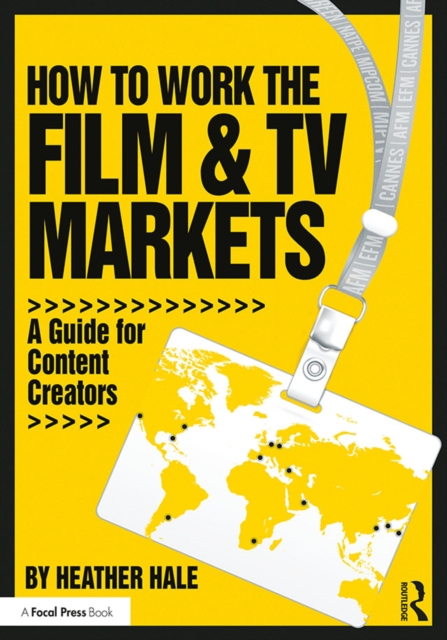
How to Work the Film & TV Markets takes independent filmmakers, television and digital content creators on a virtual tour of the entertainment industry's trade shows - the circulatory system of the entire global media landscape.
The official music quiz book from the iconic Greatest Hits Radio and Channel 4 TV show, with 1,500 new questions - get ready to take on the ultimate PopMaster challenge!
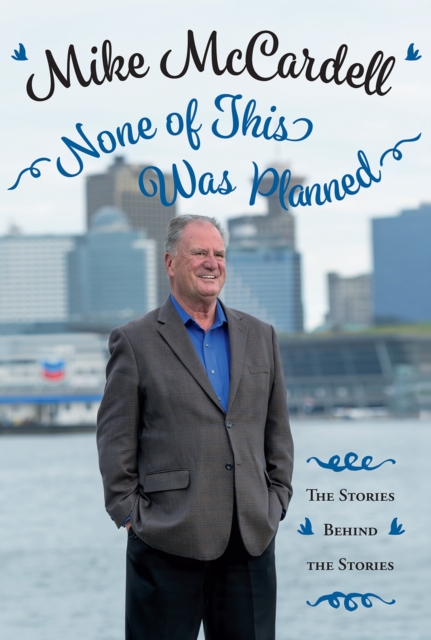
Vancouver news icon and co-host of CTVs The Last Word, Mike McCardell is the crafter of human-interest stories that counteract the doom and gloom of conventional news programming.
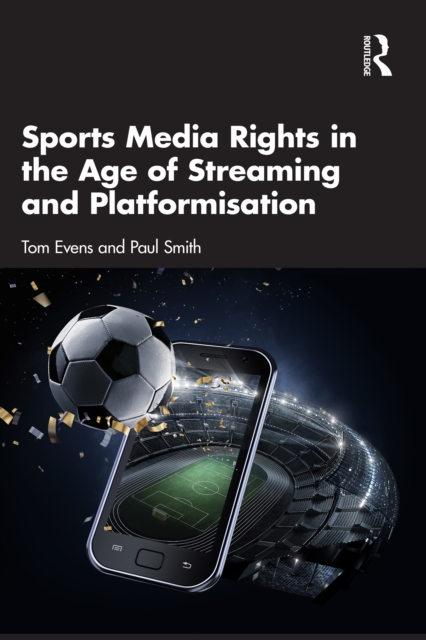
Against a backdrop of increased online distribution of media, this book provides an in-depth analysis of how the platformisation of television is both shaping and being shaped by the changing sports media market.
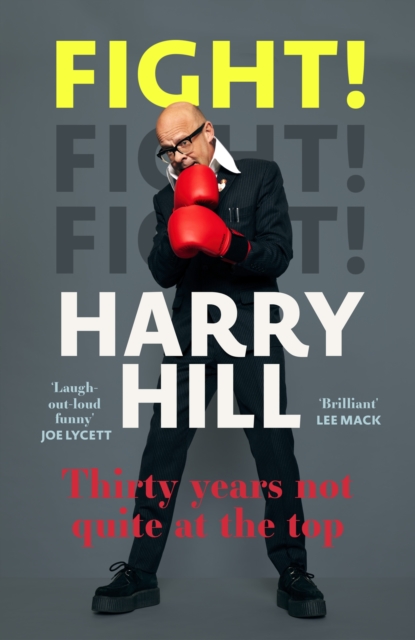
THE UNMISSABLE, LAUGH-OUT-LOUD MEMOIR FROM THE BELOVED BRITISH COMEDIAN'The funniest book I've read in years' - ADAM KAY'A brilliant insight into what it takes to go from regular funny bloke to one of the best stand-ups I've ever seen' - LEE MACKAfter a childhood spent making smoke bombs, killing wasps and carving soap in 70s Kent, Harry Hill then found himself in charge of hundreds of sick people as a junior doctor.
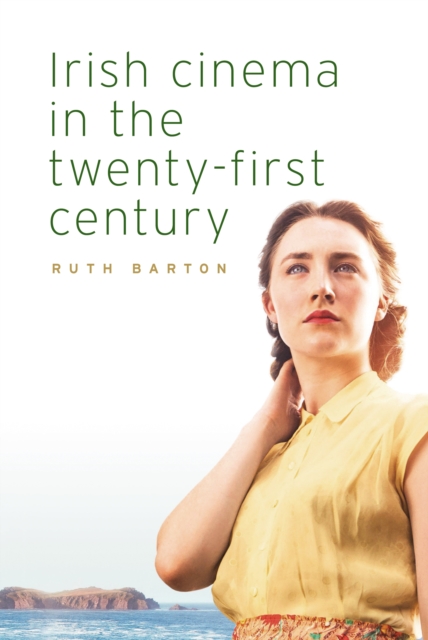
An accessible, comprehensive overview of contemporary Irish cinema, this book is intended for use as a third-level textbook and is designed to appeal to academics in the areas of film studies and Irish studies.
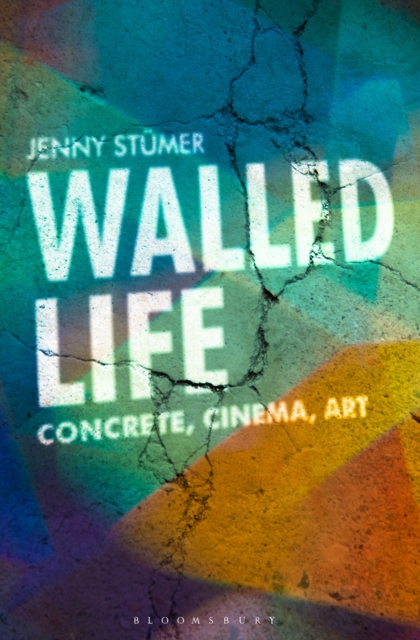
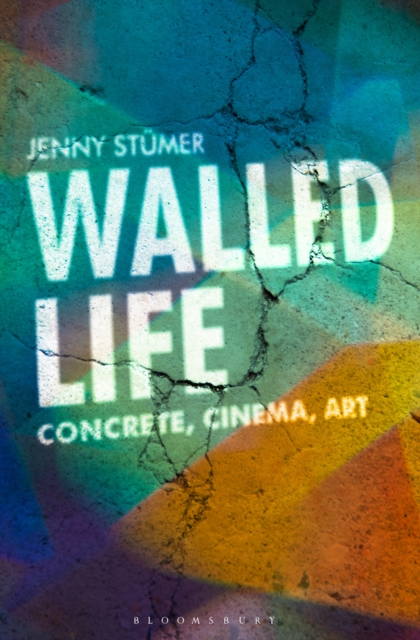
Going beyond a discussion of political architecture, Walled Life investigates the mediation of material and imagined border walls through cinema and art practices.
Going beyond a discussion of political architecture, Walled Life investigates the mediation of material and imagined border walls through cinema and art practices.
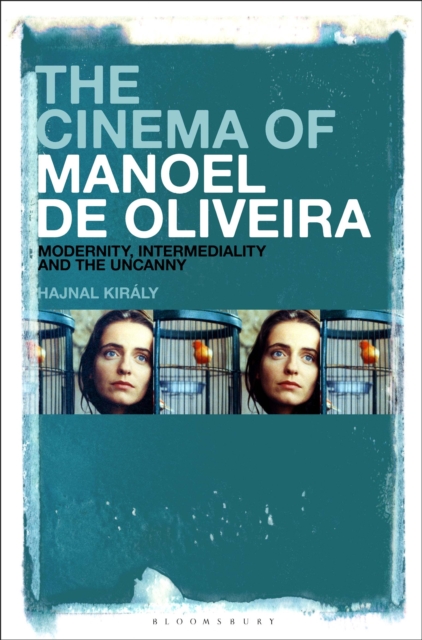
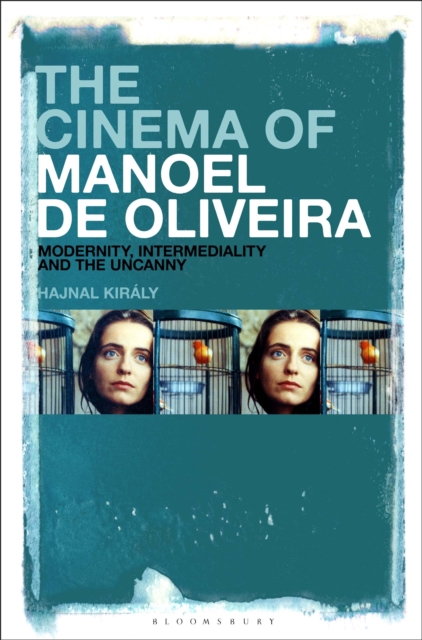
Manoel de Oliveira is the only filmmaker whose career spans from the silent era to the digital age, and yet there is little written in English about his extensive filmography.
Manoel de Oliveira is the only filmmaker whose career spans from the silent era to the digital age, and yet there is little written in English about his extensive filmography.
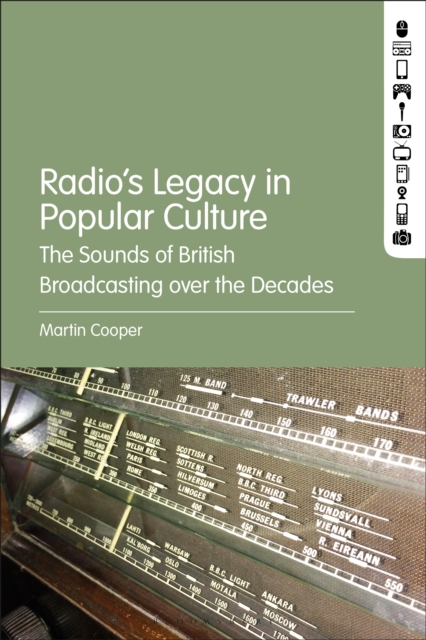
Examining work by novelists, filmmakers, TV producers and songwriters, this book uncovers the manner in which the radio - and the act of listening - has been written about for the past 100 years.
As a period of film history, The American New Wave (ordinarily understood as beginning in 1967 and ending in 1980) remains a preoccupation for scholars and audiences alike.
As a period of film history, The American New Wave (ordinarily understood as beginning in 1967 and ending in 1980) remains a preoccupation for scholars and audiences alike.
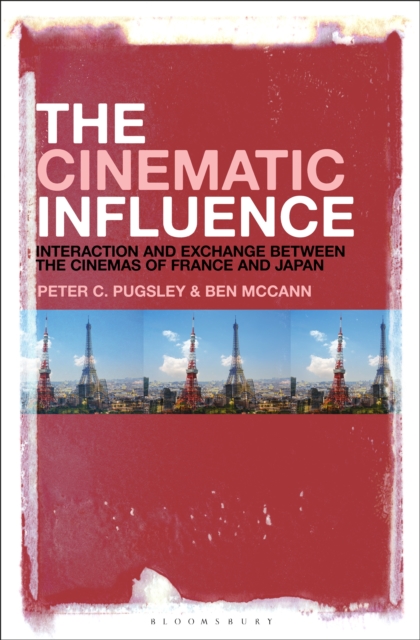
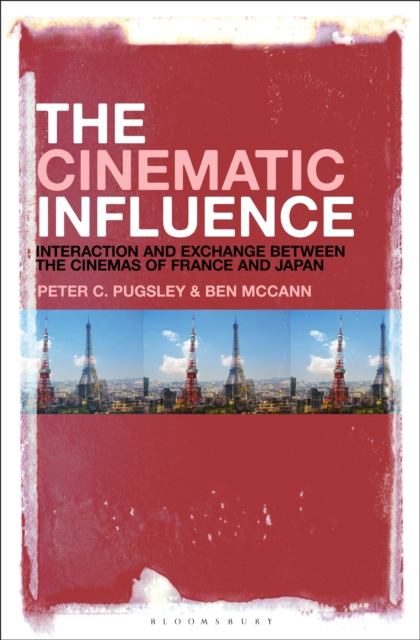
Exploring the multiple aesthetic and cultural links between French and Japanese cinema, The Cinematic Influence is packed with vivid examples and case studies of films by Akira Kurosawa, Jean-Luc Godard, Hirokazu Kore-eda, Claire Denis, Naomi Kawase, Michel Gondry and many others.
Exploring the multiple aesthetic and cultural links between French and Japanese cinema, The Cinematic Influence is packed with vivid examples and case studies of films by Akira Kurosawa, Jean-Luc Godard, Hirokazu Kore-eda, Claire Denis, Naomi Kawase, Michel Gondry and many others.
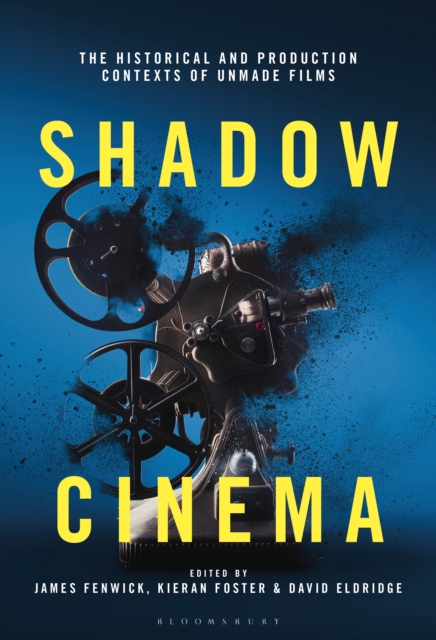
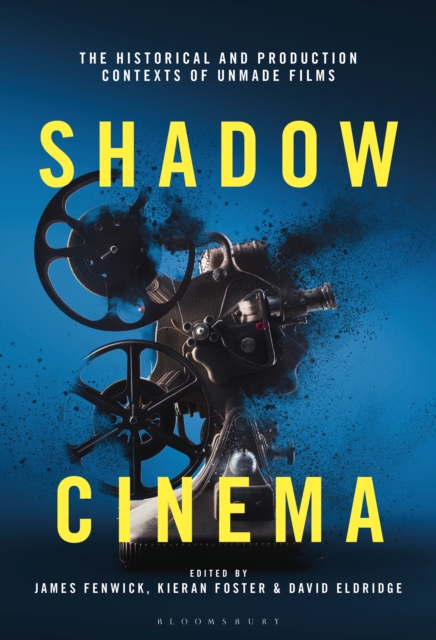
Filmmakers and cinema industries across the globe invest more time, money and creative energy in projects and ideas that never get produced than in the movies that actually make it to the screens.
Filmmakers and cinema industries across the globe invest more time, money and creative energy in projects and ideas that never get produced than in the movies that actually make it to the screens.
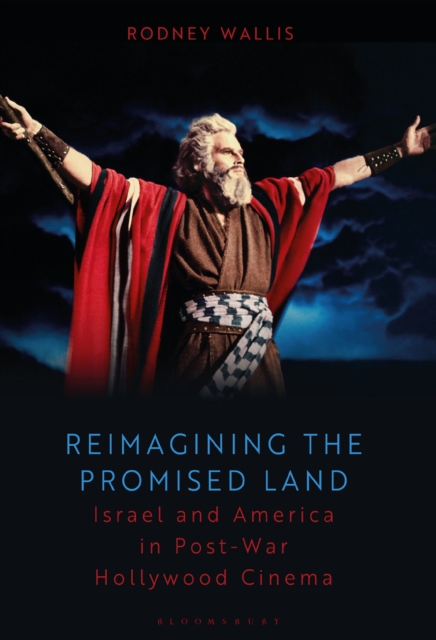
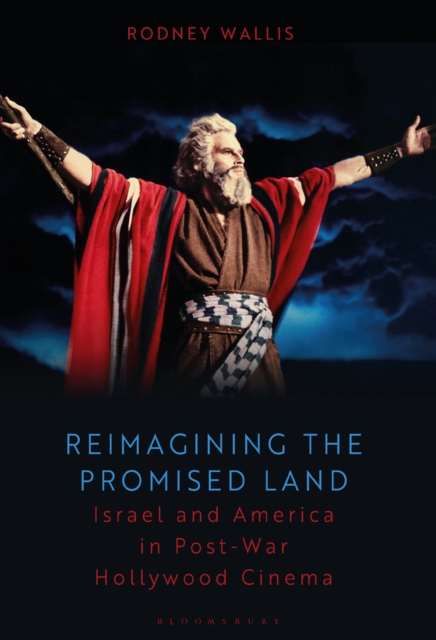
While Israel has seemingly been a minor presence in Hollywood cinema, Reimagining the Promised Land argues that there is a long history of Hollywood deploying images of Israel as a means of articulating an idealized notion of American national identity.
While Israel has seemingly been a minor presence in Hollywood cinema, Reimagining the Promised Land argues that there is a long history of Hollywood deploying images of Israel as a means of articulating an idealized notion of American national identity.
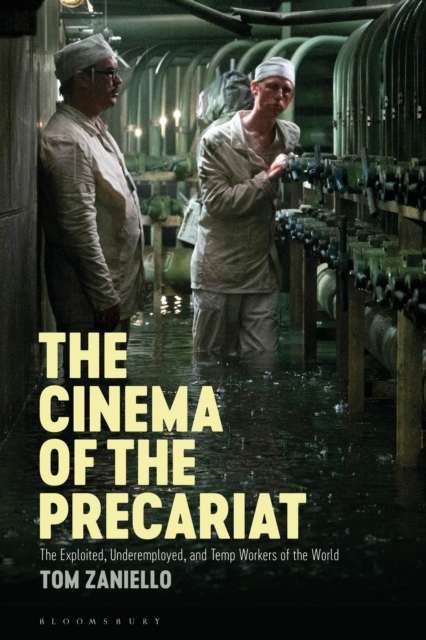
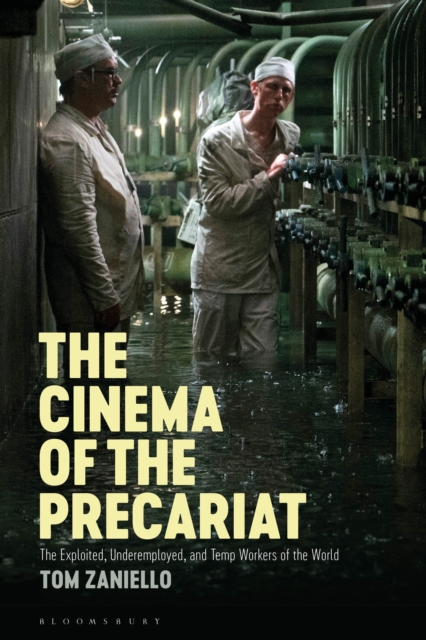
The Cinema of the Precariat is the first book to lay out the incredible range of the precariat (the social class suffering from precarity) as well as a detailed report on the cinematic record of their work and lives.
The Cinema of the Precariat is the first book to lay out the incredible range of the precariat (the social class suffering from precarity) as well as a detailed report on the cinematic record of their work and lives.
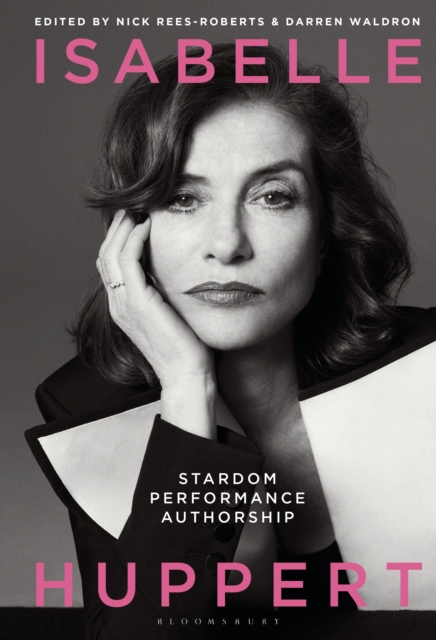
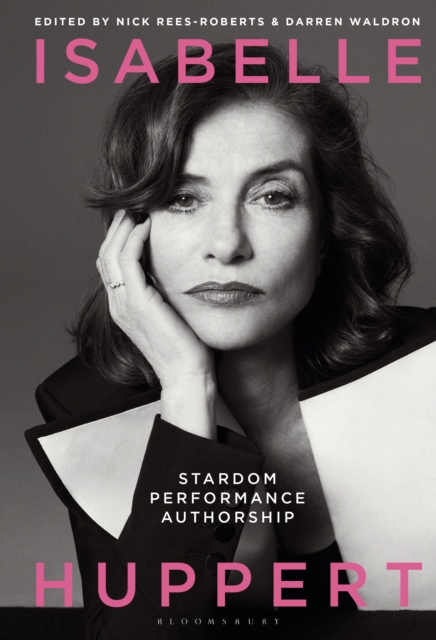
Featuring a lineup of distinguished academics, this collection remedies the absence of scholarly attention to French cinematic legend Isabelle Huppert.
Featuring a lineup of distinguished academics, this collection remedies the absence of scholarly attention to French cinematic legend Isabelle Huppert.
World Cinema on Demand brings together diverse contributions by leading film and media scholars to examine world cinema's dialogue with the transformations that took place during 2010-2014, engaging directly with ongoing debates surrounding national cinema, transnational identity, and cultural globalization, as well as ideas about genre, fandom and cinephilia.
World Cinema on Demand brings together diverse contributions by leading film and media scholars to examine world cinema's dialogue with the transformations that took place during 2010-2014, engaging directly with ongoing debates surrounding national cinema, transnational identity, and cultural globalization, as well as ideas about genre, fandom and cinephilia.