In 2005, photographer Chris Hondros captured a striking image of a young Iraqi girl in the aftermath of the killing of her parents by American soldiers.
At the turn of the twentieth century, ambitious publishers like Joseph Pulitzer, William Randolph Hearst, and Robert McCormick produced the most spectacular newspapers Americans had ever read.
Since the rise of Napster and other file-sharing services in its wake, most of us have assumed that intellectual piracy is a product of the digital age and that it threatens creative expression as never before.
Making "e;Nature"e; is the first book to chronicle the foundation and development of Nature, one of the world's most influential scientific institutions.
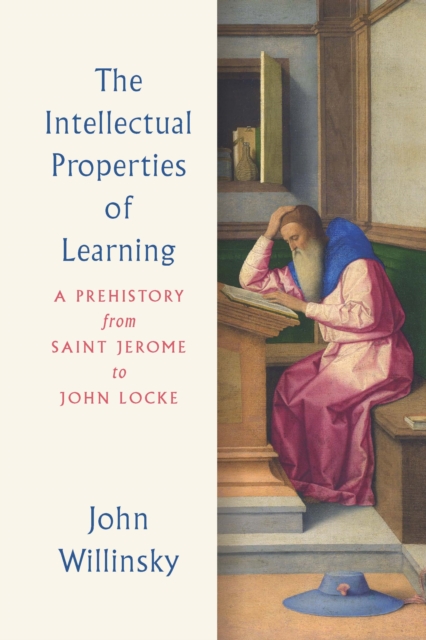
Providing a sweeping millennium-plus history of the learned book in the West, John Willinsky puts current debates over intellectual property into context, asking what it is about learning that helped to create the concept even as it gave the products of knowledge a different legal and economic standing than other sorts of property.
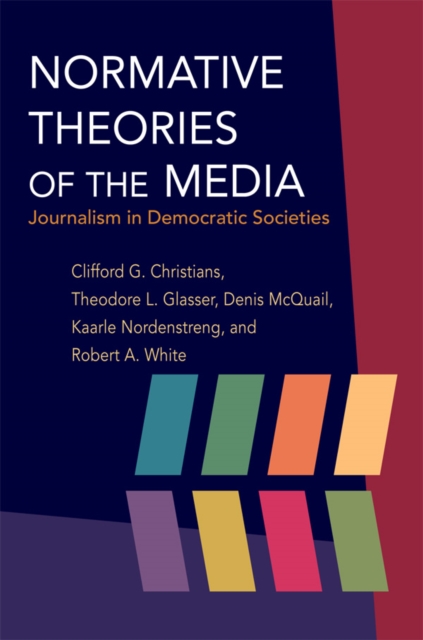
In this book, five leading scholars of media and communication take on the difficult but important task of explicating the role of journalism in democratic societies.
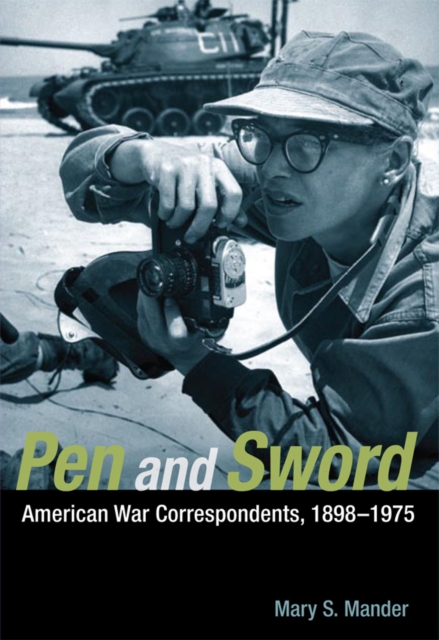
Addressing the ever-changing, overlapping trajectories of war and journalism, this introduction to the history and culture of modern American war correspondence considers a wealth of original archival material.
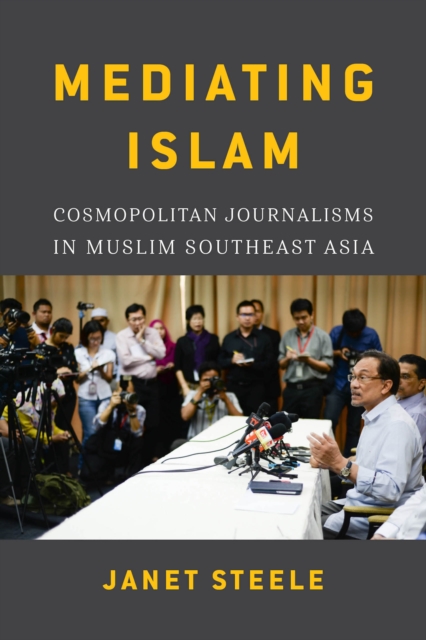
Broadening an overly narrow definition of Islamic journalism, Janet Steele examines day-to-day reporting practices of Muslim professionals, from conservative scripturalists to pluralist cosmopolitans, at five exemplary news organizations in Malaysia and Indonesia.
News coverage of law can be a daunting task for any journalist, especially in a time when public interest in media coverage of the courts has greatly intensified.
This book addresses print-based modes of adaptation that have not conventionally been theorized as adaptations-such as novelization, illustration, literary maps, pop-up books, and ekphrasis.
An incisive and sympathetic examination of the case for ending the practice of imprisonmentDespite its omnipresence and long history, imprisonment is a deeply troubling practice.
Philip Meyer's work in precision journalism established a new and ongoing trend-the use by reporters of social science research techniques to increase the depth and accuracy of major stories.
Contrary to the common notion that news regarding the unfolding Holocaust was unavailable or unreliable, news from Europe was often communicated to North American Poles through the Polish-language press.
From the dime novels of the Civil War era to the pulp magazines of the early 20th century to modern paperbacks, lurid fiction has provided thrilling escapism for the masses.
For aspiring journalists, the challenges of dyslexia can seem insurmountable, especially in the face of an educational system that is ill-equipped to help.
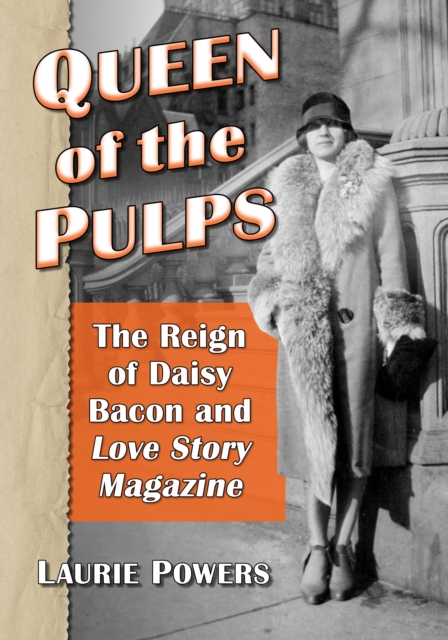
Daisy Bacon, the opinionated, autocratic and complex editor of Love Story Magazine from 1928 to 1947, chose the stories that would be read by hundreds of thousands of readers each week.
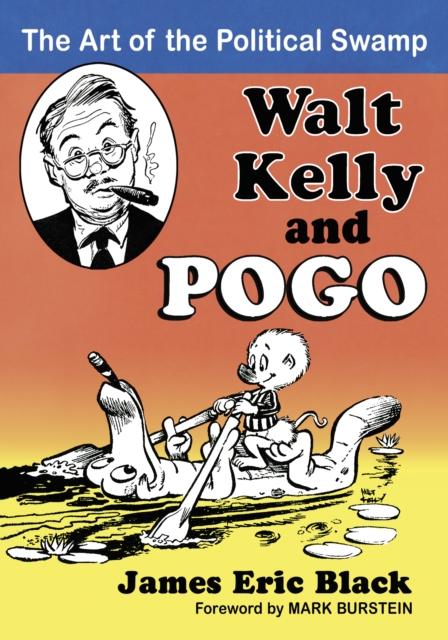
One of the most popular comic strips of the 1950s and the first to reference politics of the day, Walt Kelly's Pogo took on Joe McCarthy before the controversial senator was a blip on Edward R.