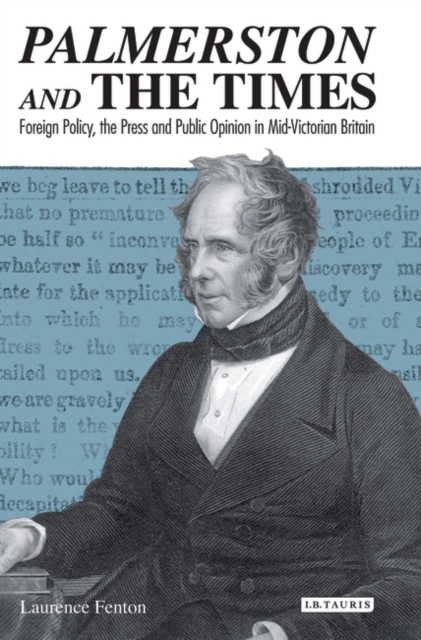
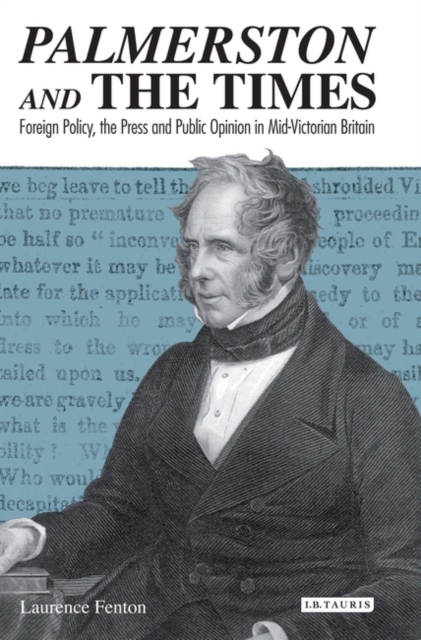
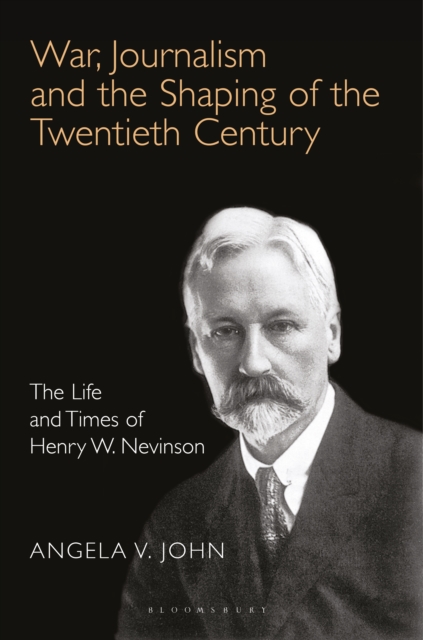
England in the Age of Palmerston had two players of colossal influence on the world stage: Lord Palmerston himself - the dominant figure in foreign affairs in the mid-nineteenth century - and The Times - the first global newspaper, read avidly by statesmen around the world.
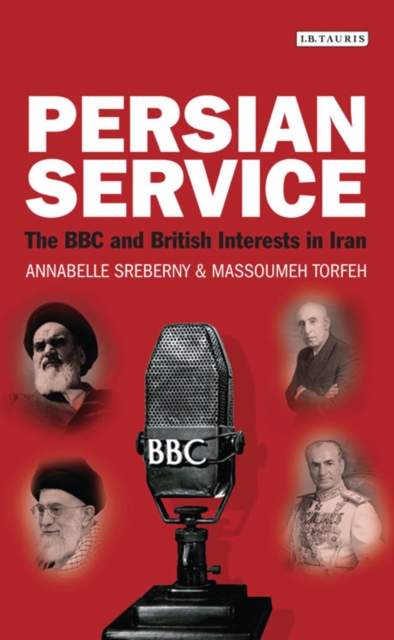
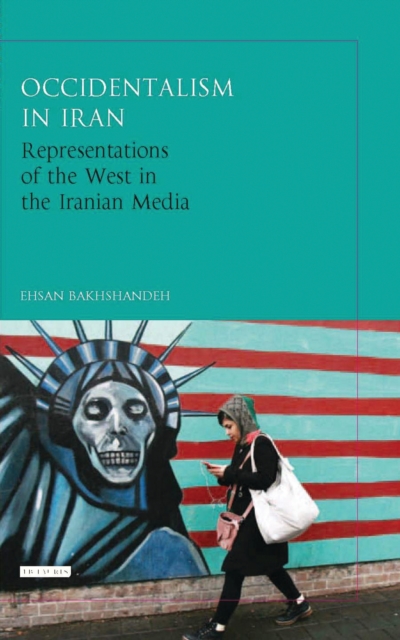
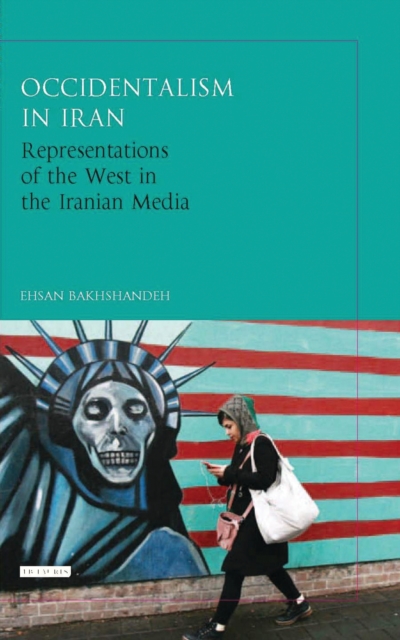
Negative portrayals of the West in Iran are often centred around the CIA-engineered coup of 1953, which overthrew Prime Minister Mohammad Mosaddeq, or the hostage-taking crisis in 1979 following the attack on the US embassy in Tehran.
In an international landscape, where emerging newly empowered states are projecting economic and political challenges from Asia, Africa and Latin America, countries like Britain have to redefine roles for themselves in a new order that has reshaped the world.
The media today, and especially the national press, are frequently in conflict with people in the public eye, particularly politicians and celebrities, over the disclosure of private information and behaviour.
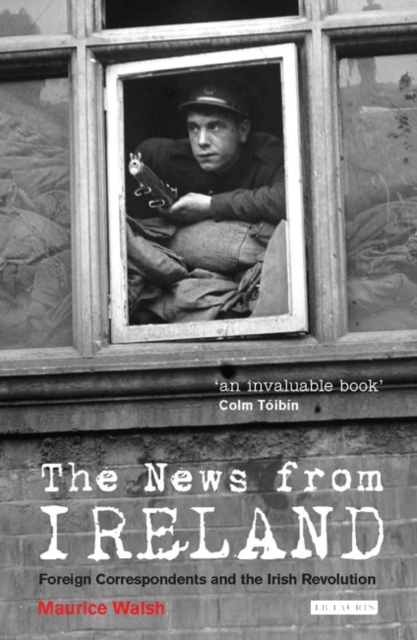
The Anglo-Irish war of 1919-1921 was an international historical landmark: the first successful revolution against British rule and the beginning of the end of the Empire.
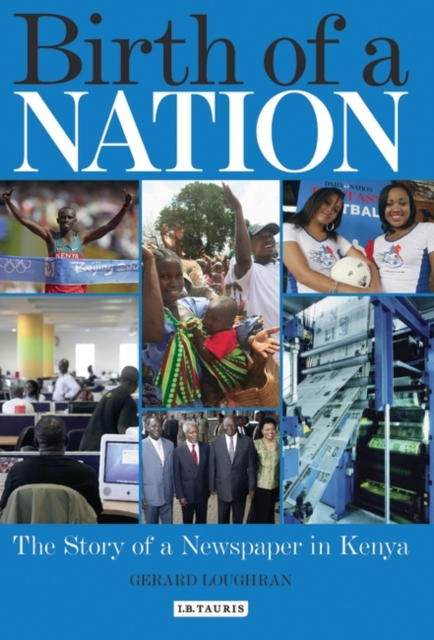
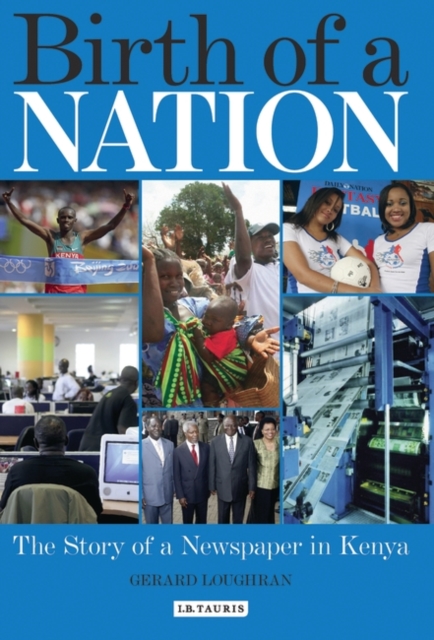
Launched in Nairobi in 1960, three years before the birth of independent Kenya, the Nation group of newspapers grew up sharing the struggles of an infant nation, suffering the pain of its failures and rejoicing in its successes.
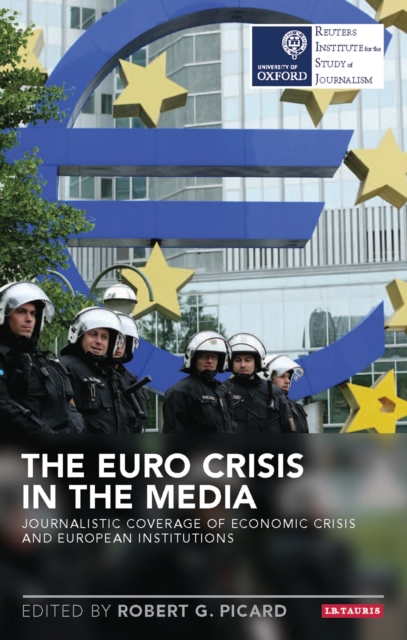
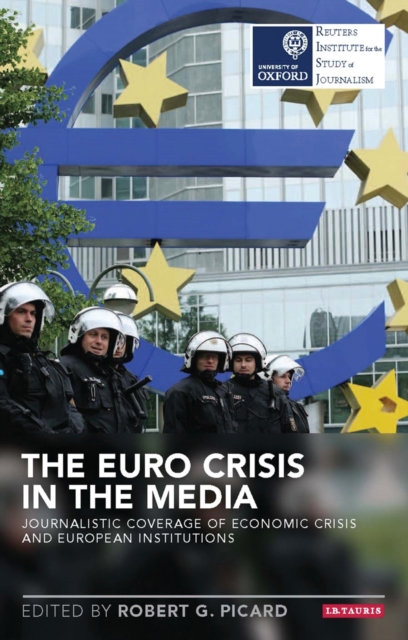
The Euro Crisis produced the most significant challenge to European integration in 60 years testing the structures and powers of the European Union and the Eurozone and threatening the common currency.
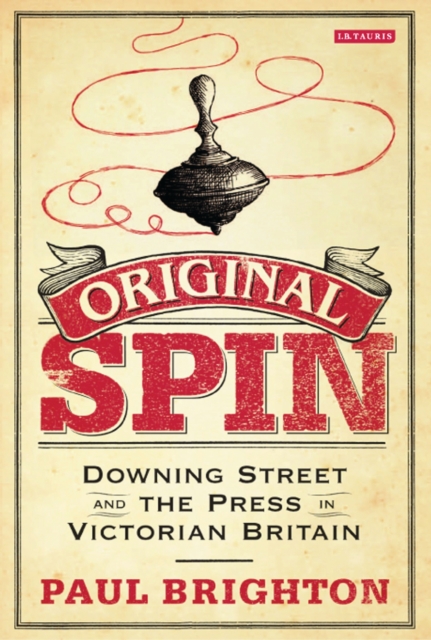
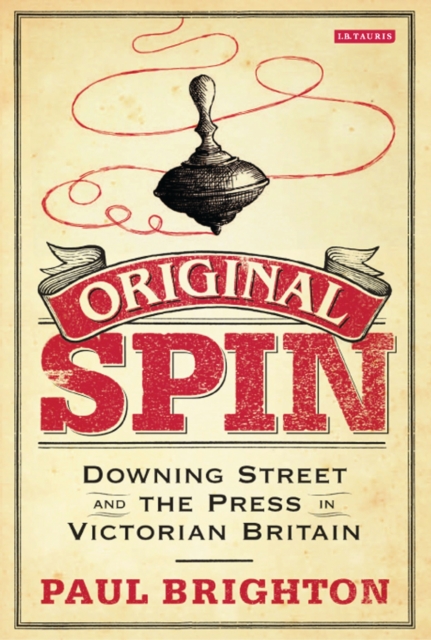
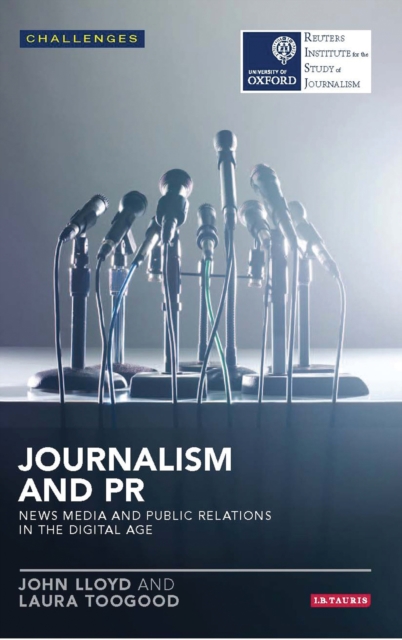
Secret lunches, off-the-record briefings, the leaking of confidential information and tightly-organised media launches - the well-known world of modern political spin.
Secret lunches, off-the-record briefings, the leaking of confidential information and tightly-organised media launches - the well-known world of modern political spin.
The Euro Crisis produced the most significant challenge to European integration in 60 years--testing the structures and powers of the European Union and the Eurozone and threatening the common currency.
The beginnings of what we now call 'globalization' dates from the early sixteenth century, when Europeans, in particular the Iberian monarchies, began to connect 'the four parts of the world'.
Public relations and journalism have had a difficult relationship for over a century, characterised by mutual dependence and - often - mutual distrust.
Negative portrayals of the West in Iran are often centred around the CIA-engineered coup of 1953, which overthrew Prime Minister Mohammad Mosaddeq, or the hostage-taking crisis in 1979 following the attack on the US embassy in Tehran.
England in the Age of Palmerston had two players of colossal influence on the world stage: Lord Palmerston himself - the dominant figure in foreign affairs in the mid-nineteenth century - and The Times - the first global newspaper, read avidly by statesmen around the world.
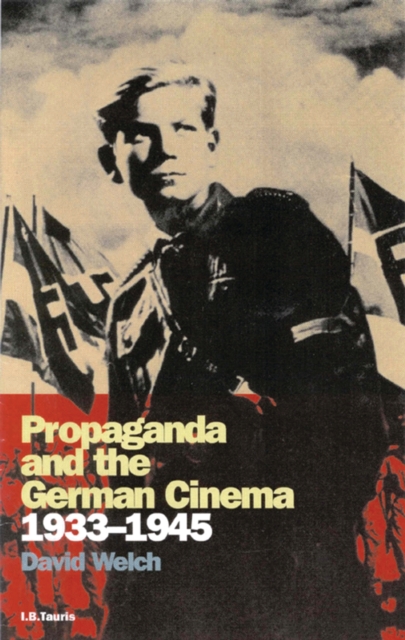
This is the most comprehensive analysis to date of Nazi film propaganda in its political, social, and economic contexts, from the pre-war cinema as it fell under the control of the Propaganda Minister, Joseph Goebbels, through to the end of the Second World War.
The Anglo-Irish war of 1919-1921 was an international historical landmark: the first successful revolution against British rule and the beginning of the end of the Empire.
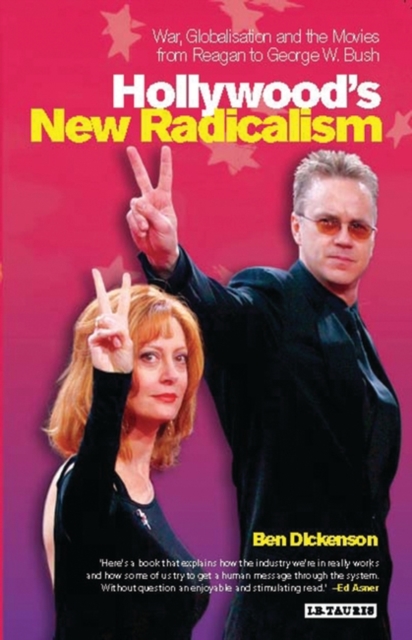
Provides an up-to-date, insightful take on modern American cinema's relations with, and influence on Reagan's, Clinton's and both Bush's administrations.
Launched in Nairobi in 1960, three years before the birth of independent Kenya, the Nation group of newspapers grew up sharing the struggles of an infant nation, suffering the pain of its failures and rejoicing in its successes.