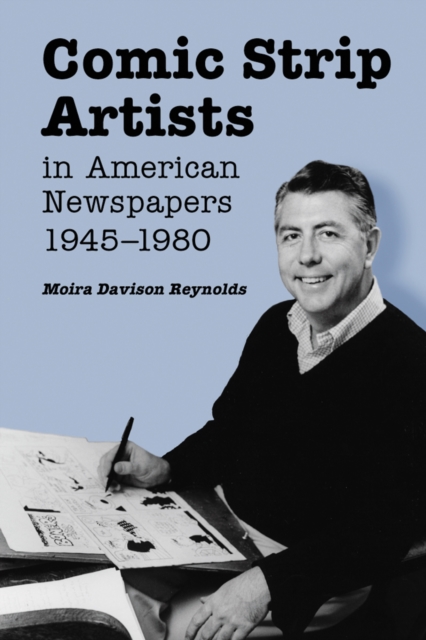
Millions of Americans know and love Charlie Brown and Snoopy, Blondie and Dagwood, Doonesbury, Li'l Abner, Garfield, Cathy, Beetle Bailey and other such comic strip characters.
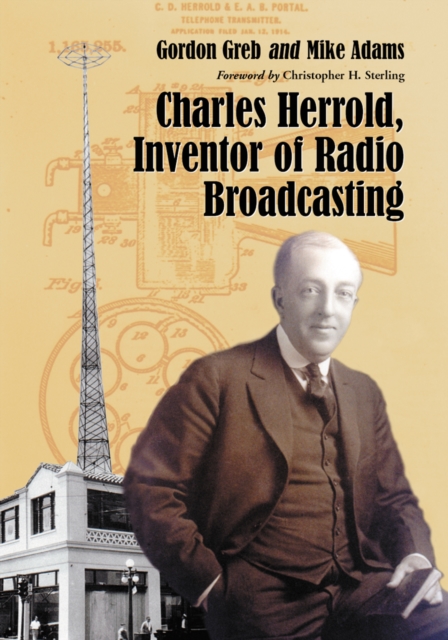
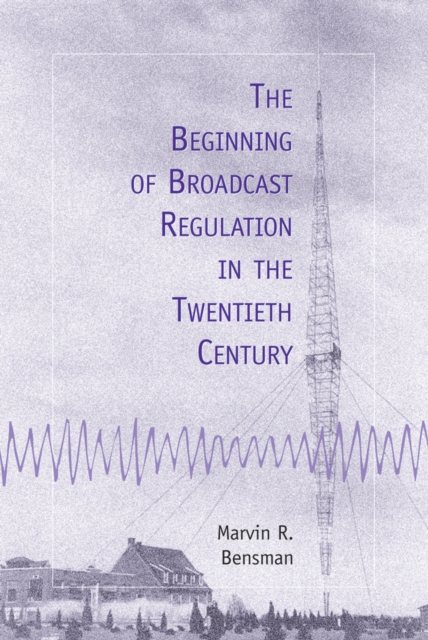
The Radio Act of August 13, 1912, provided for the licensing of radio operators and transmitting stations for nearly 15 years until Congress passed the Radio Act of 1927.
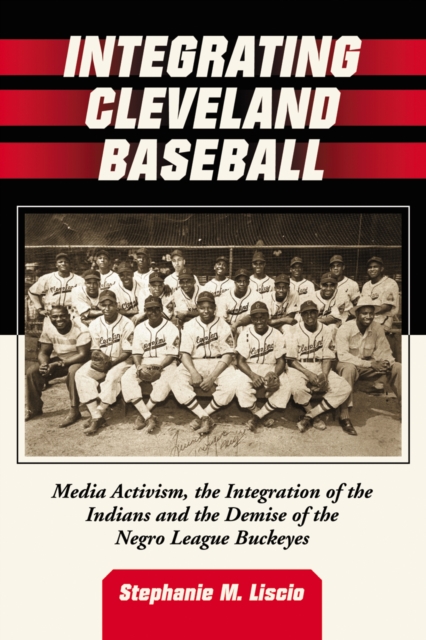
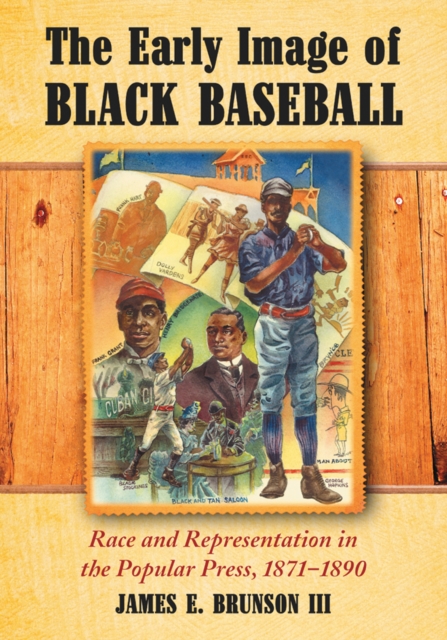
Focusing on the Negro American League Buckeyes, this detailed history describes the effects of major league integration on blackball in Cleveland, as well as the controversial role that the local black press played in the transformation.
Mass communication is used by governments to support their war efforts while media images are created or manipulated to inform, persuade or guide the consumers of those images.
When Franklin Delano Roosevelt founded the Civilian Conservation Corps in 1933, newspapers relating to the organization were launched almost immediately.
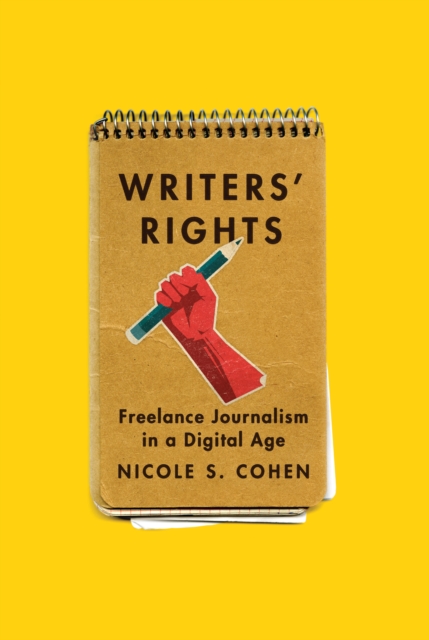
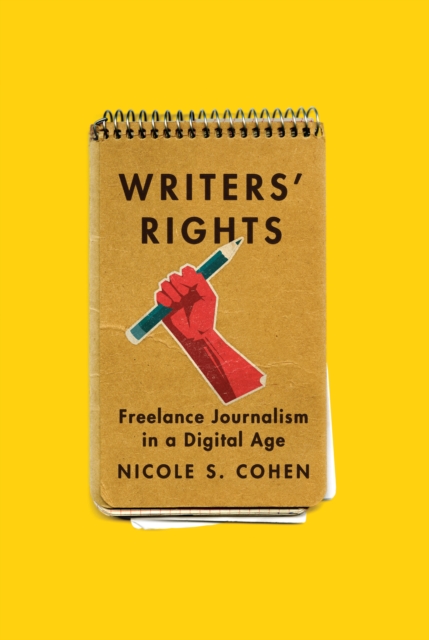
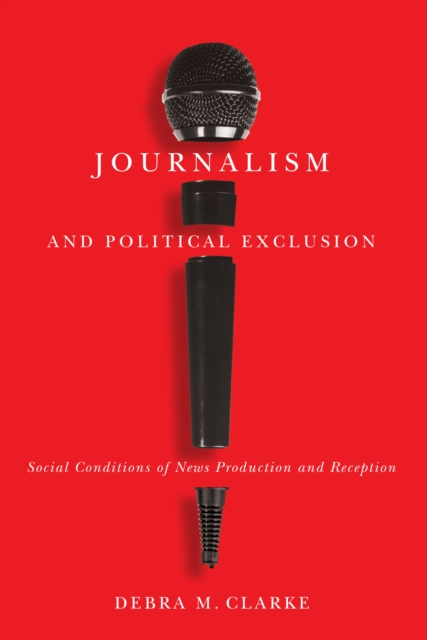
As media industries undergo rapid change, the conditions of media work are shifting just as quickly, with an explosion in the number of journalists working as freelancers.
As media industries undergo rapid change, the conditions of media work are shifting just as quickly, with an explosion in the number of journalists working as freelancers.
The ultimate goal of research in Distributed Computing is to understand the nature, properties and limits of computing in a system of autonomous communicating agents.
In 2014, when Postmedia acquired Quebecor's Sun Media newspaper and online assets, there was a sense that the recent history of newspapers was repeating itself not as comedy or tragedy, but as eulogy.
In 2014, when Postmedia acquired Quebecor's Sun Media newspaper and online assets, there was a sense that the recent history of newspapers was repeating itself not as comedy or tragedy, but as eulogy.
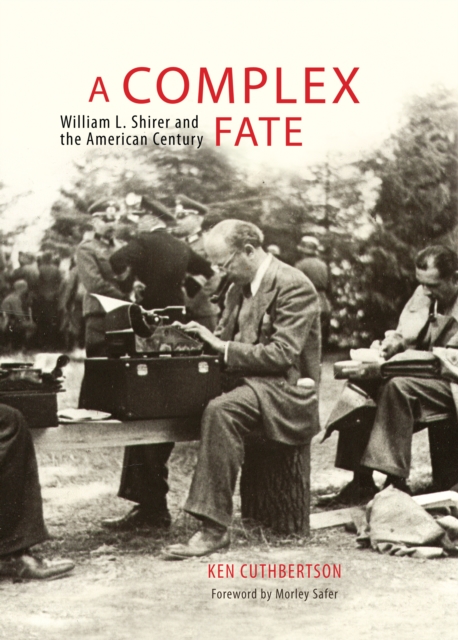
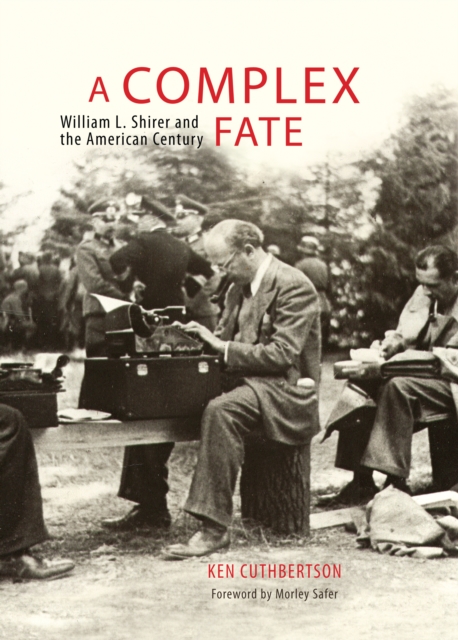
William Shirer (1904-1993), a star foreign correspondent with the Chicago Tribune in the 1920s and '30s, was a prominent member of what one contemporary observer described as an extraordinary band of American journalists, some with the Midwest hayseed still in their hair, who gave their North American audiences a visceral sense of how Europe was spiralling into chaos and war.
William Shirer (1904-1993), a star foreign correspondent with the Chicago Tribune in the 1920s and '30s, was a prominent member of what one contemporary observer described as an extraordinary band of American journalists, "e;some with the Midwest hayseed still in their hair,"e; who gave their North American audiences a visceral sense of how Europe was spiralling into chaos and war.
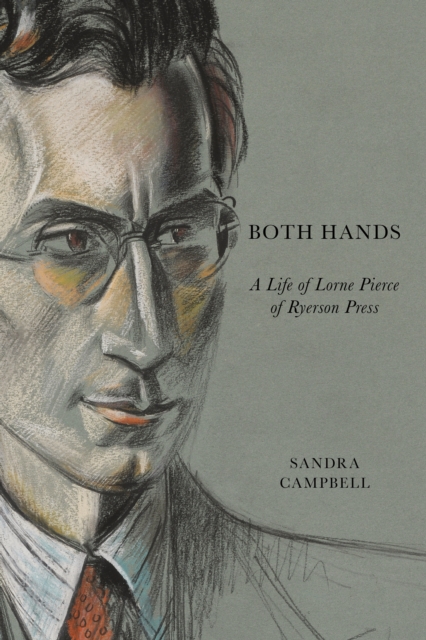
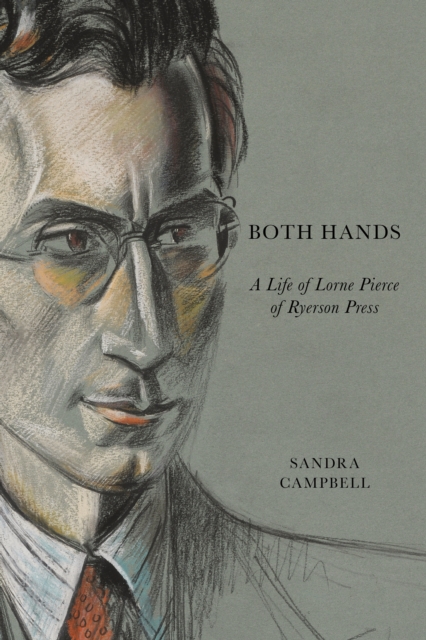
Editor and publisher, workaholic and romantic, idealist and pioneer, Lorne Pierce once described his editorial desk as "e;an altar at which I serve - the entire cultural life of Canada.
Available at long last, this volume is the posthumous memoir of a peasant from the depths of old Russia who rose to great wealth and influence as his country's most successful publisher.
Available at long last, this volume is the posthumous memoir of a peasant from the depths of old Russia who rose to great wealth and influence as his country's most successful publisher.
Focusing on the English- and French-language networks of the Canadian Broadcasting Corporation, Kyle Conway draws on the CBC/Radio Canada rich print and video archive as well as journalists' accounts of their reporting to revisit the story of the accords and the furor they stirred in both French and English Canada.
Focusing on the English- and French-language networks of the Canadian Broadcasting Corporation, Kyle Conway draws on the CBC/Radio Canada rich print and video archive as well as journalists' accounts of their reporting to revisit the story of the accords and the furor they stirred in both French and English Canada.
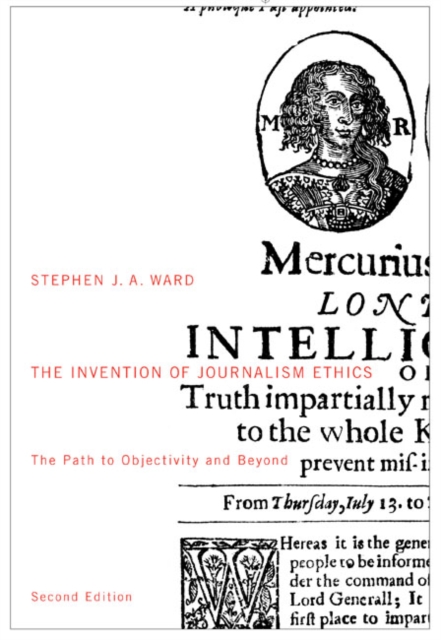
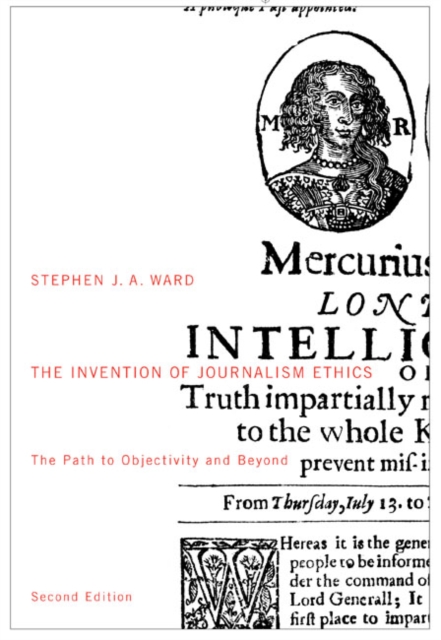
Stephen Ward argues that present media practices are narrowly based within the borders of single country and thus unable to successfully inform the public about a globalized world.
Stephen Ward argues that present media practices are narrowly based within the borders of single country and thus unable to successfully inform the public about a globalized world.
This first title in the Carleton Women's Experience Series looks at the lively writing of Kit Coleman, best known as the first accredited North American female war correspondent for her coverage of the Spanish-American War of 1898.
Rideout focuses on the protection of the public interest, a crucial element neglected by most recent studies, and shows that although alliances have been formed between labour, consumers, and public interest activists, significant disagreements over issues such as free trade, long distance and local competition, and a targeted subsidy program for very low-income Canadians have meant that this united front has not been able to counter the forces of the new neo-liberal telecommunication policy regime.
The postal sector is a multi-billion dollar set of activities that touches billions of lives daily and continues to be one of the world's largest employers.
Laurence Mussio examines how federal and provincial public policy tried to keep pace with the diffusion of telecommunications, consumer demand, and a rising tide of technological innovation.