Health and safety risk issues such as AIDS, hazardous waste disposal, airline disasters, and health care policy frequently dominate the news and require a new level of sensitivity and expertise on the part of journalists.
Using journalists' own standards as the measure, an exhaustive analysis of nearly 3000 network news reports from the Reagan, Bush, and Clinton administrations reveals that the networks may do more to misinform than inform on a whole range of complex issues related to national defense.
Through a long public life and short presidency, Herbert Hoover carefully cultivated reporters and media owners as he rose from a relief administrator to president of the United States.
Complementing the author's 1990 bibliography, A Bibliographic Guide to the History of Computing, Computers, and the Information Processing Industry, this bibliography provides 2,500 new citations, covering all significant literature published since the late 1980s.
Tracing the battles between the repressors and proponents of free speech, this chronology overviews press and speech freedoms in the United States from 1619 through 1995.
This unprecedented book provides a comprehensive examination of the issue of protecting journalists in conflict situations from both a practical and humanitarian law perspective.
The history of Latin American journalism is ultimately the story of a people who have been silenced over the centuries, primarily Native Americans, women, peasants, and the urban poor.
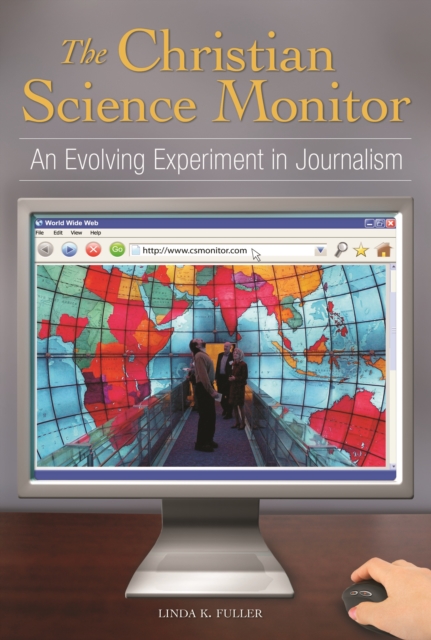
This text provides a unique examination of The Christian Science Monitor, a highly respected, venerable news publication that has survived over a century of changes and challenges.
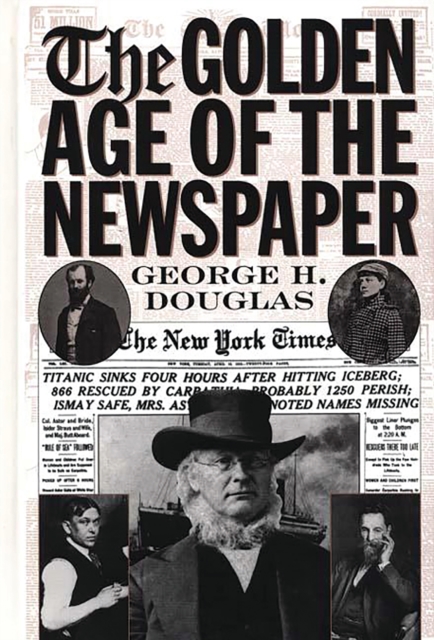
From the arrival of the penny papers in the 1830s to the coming of radio news around 1930, the American newspaper celebrated its Golden Age and years of greatest influence on society.
Traces the development of the Baltimore Afro-American, one of America's leading black newspapers, from its founding in 1892 to the dawn of the Civil Rights Era in 1950.
Analysts, political scientists, scholars, and consultants,--The News Shapers describes the elite club of individuals that the media approach for inside information, background, or predictions concerning the outcome of still-unfolding stories.
This is a research and reference guide to the telecommunications industry in the United States, providing an account of legislative and policy changes up until the publication of the work.
Two guys named Steve, working in a garage, created a prototype computer designed to be different in a way no one thought possible: It would be easy to use.
This collection of essays addresses whether all nations will actively participate in building the information superhighway or whether the Internet will reflect global technological inequalities.
Unlike its British forebears, the early American magazine, or periodical miscellany, functioned in culture as a forum driven by manifold contributions and perpetuated by reader response.
The southern textile strikes of 1929-1931 were ferocious struggles--thousands of millhands went on strike, the National Guard was deployed, several people were killed and hundreds injured and jailed.
Despite its rise in the global market, recent political progress, and a surging interest worldwide, Korean films are relatively unknown and rarely studied.
Students and others interested in radio history will be intrigued by this fast-paced biography of Gordon McLendon's career in the radio industry, touching also on his work in motion pictures and involvement in Texas politics.
Since the second decade of the nineteenth century, there have been black-owned book publishers in the United States, addressing the special concerns of black people in ways that other book publishers have not.
Richard Holt draws on his extensive experience in discourse analysis and Web design to present a picture of the Internet as a potentially powerful tool of civic discourse in the third millennium.
This introduction to the next generation of human telecommunications enterprise examines the development of laser satellite communications and describes its advantages over previous technologies.
Selecting journals that speak for a very large number of topics addressed by the conservative press, this volume profiles selected conservative journals published since 1787.
Although Americans tend to take the concept and protection of free expression for granted, free press and free speech are at best only tentatively established in some nations of the world.
Kuypers combines rhetorical theory and framing analysis in an examination of the interaction of the press and the president during international crisis situations in the post-Cold War world.
This is the third edition of a successful book which offers students and practitioners an up-to-date overview of developments in Internet law and practice.
Kuypers charts the potential effects the printed presses and broadcast media have upon the messages of political and social leaders when they discuss controversial issues.
Abridged and edited for the modern reader and available in paperback for the first time ever, this second edition brings back into print a classic autobiography of Middle Americaan immensely readable document that enriches our understanding of Progressivism and politics, journalism, and the social history of small-town America from Reconstruction into the Roaring Twenties.
Most technology startups never make it to the funding stage, and only a small percentage of those that are venture-backed generate a positive return for their investors.
Learn how IBM has overcome its toughest challenges-and how you can replicate iconic company's successOver the past 100 years, the IBM Corporation has survived several recessions and innumerable twists and turns in the global technology market.
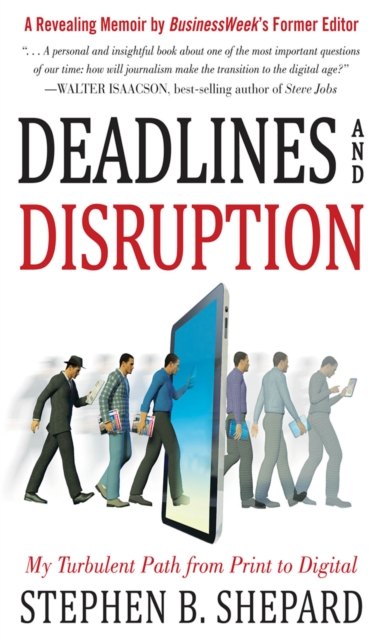
A Top Editor's Take on the State of Journalism Today-and His Prescient Forecast of Its Future This is a personal and insightful book about one of the most important questions of our time: how will journalism make the transition to the digital age?