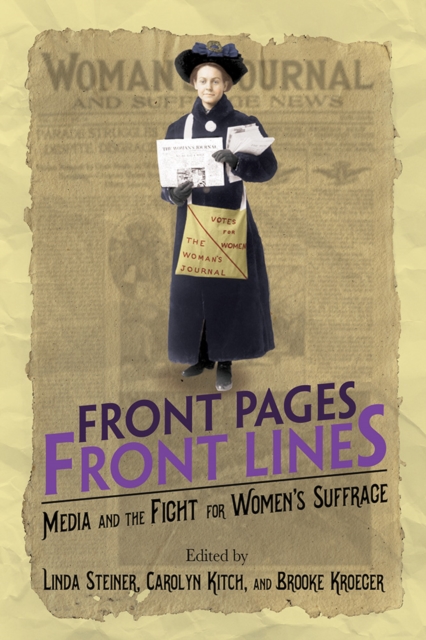
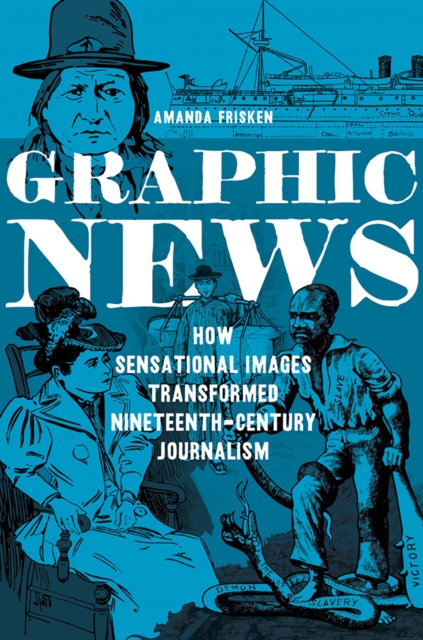
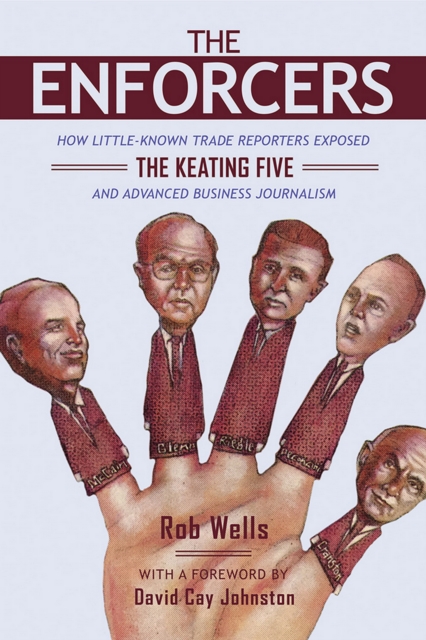
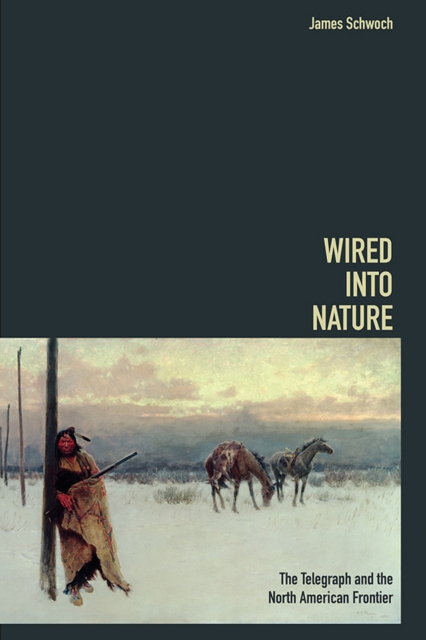
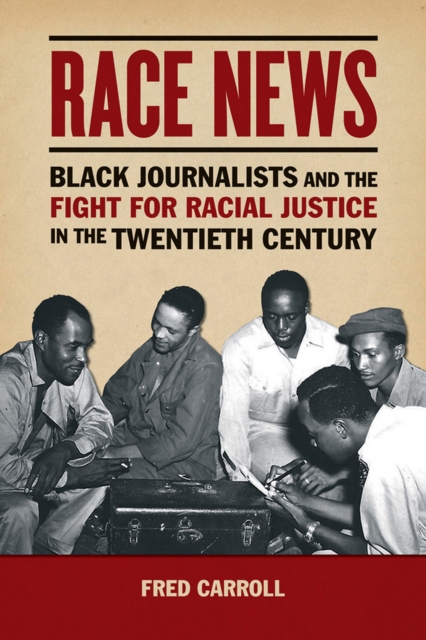
Social change triggered by the Civil Rights Movement in the 1960s sent the American Society of Newspaper Editors (ASNE) on a fifty-year mission to dismantle an exclusionary professional standard that envisioned the ideal journalist as white, straight, and male.
In a declaration of the ascendance of the American media industry, nineteenth-century press barons in New York City helped to invent the skyscraper, a quintessentially American icon of progress and aspiration.
Countering assumptions about early American print culture and challenging our scholarly fixation on the novel, Jared Gardner reimagines the early American magazine as a rich literary culture that operated as a model for nation-building by celebrating editorship over authorship and serving as a virtual salon in which citizens were invited to share their different perspectives.
To attract readers, journalists have long trafficked in the causes of trauma--crime, violence, warfare--as well as psychological profiling of deviance and aberrational personalities.
Triple Award Winner: 2006 History Division Book Award of the Association for Education in Journalism and Mass Communication, 2006 Frank Luther Mott/Kappa Tau Alpha Communications Award, and 2005 Donald McGannon Award for Social and Ethical Relevance in Communications Policy Research The public often views television investigative reporting as a watchdog on the government.
English in Print from Caxton to Shakespeare to Milton examines the history of early English books, exploring the concept of putting the English language into print with close study of the texts, the formats, the audiences, and the functions of English books.
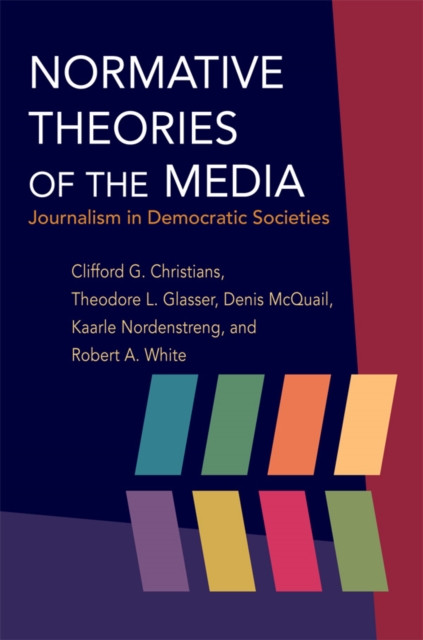
In this book, five leading scholars of media and communication take on the difficult but important task of explicating the role of journalism in democratic societies.
Addressing the ever-changing, overlapping trajectories of war and journalism, this introduction to the history and culture of modern American war correspondence considers a wealth of original archival material.
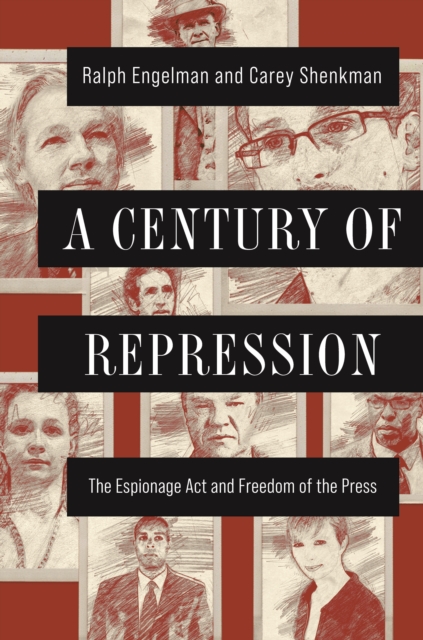
A Century of Repression offers an unprecedented and panoramic history of the use of the Espionage Act of 1917 as the most important yet least understood law threatening freedom of the press in modern American history.
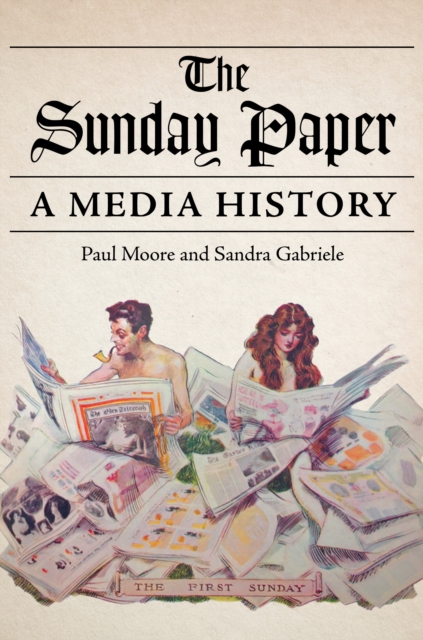
Pullout sections, poster supplements, contests, puzzles, and the funny pages--the Sunday newspaper once delivered a parade of information, entertainment, and spectacle for just a few pennies each weekend.
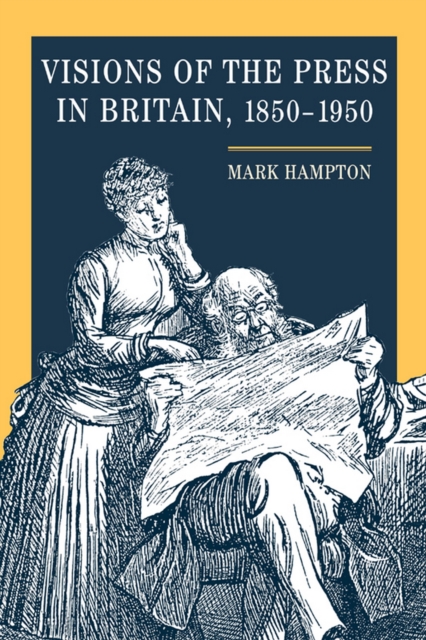
Historians recognize the cultural centrality of the newspaper press in Britain, yet very little has been published regarding competing historical understandings of the press and its proper role in British society.
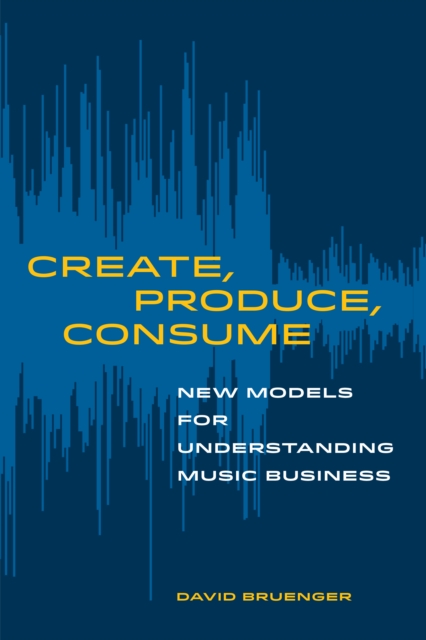
Create, Produce, Consume explores the cycle of musical experience for musicians, professionals, and budding entrepreneurs looking to break into the music industry.
Combining a broad analysis of political culture with a particular focus on rhetoric and strategy, Jeffrey Sawyer analyzes the role of pamphlets in the political arena in seventeenth-century France.
In today's increasingly digital media landscape, enhancing critical literacy and fostering civic engagement is crucial for addressing gender disparities and broader inequalities within education and public life.
This book provides a comprehensive account of Austrian animation history, as well as an analysis of the current state of the industry in competition with American and cheaper international products in the face of dwindling budgets.
Cuando conversamos con otro siempre hay una especie de "tercera persona del singular", una suerte de tercer elemento, una zona en común que nos involucra.
WINNER OF THE COSTA BIOGRAPHY AWARD 2021THE SUNDAY TIMES BESTSELLERSHORTLISTED FOR THE BAILLIE GIFFORD PRIZE 2021A SUNDAY TIMES AND TELEGRAPH BOOK OF THE YEARA dramatic, gripping account of the rise and fall of the notorious business tycoon Robert Maxwell from the acclaimed author of A Very English Scandal.
'You won't find a more honest, raw and helpful look into the trenches of founding a tech startup than this book' Nir Eyal, author of Hooked'Rand Fishkin is the real deal' Seth Godin, entrepreneur and author -----------Everyone knows how a startup story is supposed to go: a young, brilliant entrepreneur has an cool idea, drops out of college, defies the doubters, overcomes all odds, makes billions and becomes the envy of the technology world.
'In the space of three years, I went from a thirty-something full-time corporate cog, wife and mother who didn't know a thing about business, to the owner of a $100 million company.
The founder and executive chairman of the World Economic Forum on how the impending technological revolution will change our livesWe are on the brink of the Fourth Industrial Revolution.
The promise and perils of the digital economy - and how we can use it to create prosperity for allThe digital economy was supposed to create a new age of prosperity for everyone.