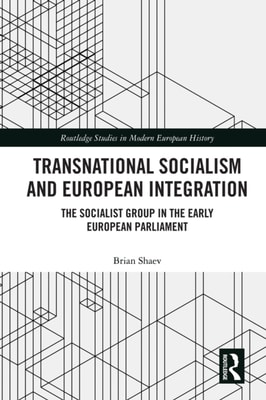
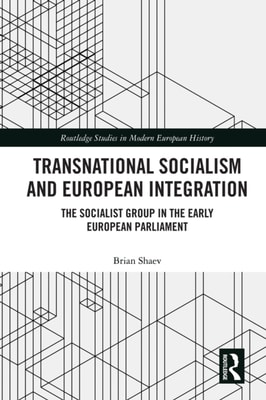
This history of the Socialist Group in the early European Parliament covers its role in six policy areas that formed the core of postwar European integration: foreign policy, democracy and institutions, social policy, agriculture, migration and free movement, and cartel and competition policy.
This history of the Socialist Group in the early European Parliament covers its role in six policy areas that formed the core of postwar European integration: foreign policy, democracy and institutions, social policy, agriculture, migration and free movement, and cartel and competition policy.
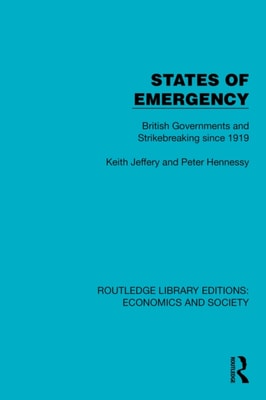
States of Emergency (1983) examines the co-ordinated Government planning in Britain to counter major strikes in vital industries, an effort that began in earnest during the aftermath of the First World War.
Tradefull Merchants (1981) surveys the range of English literature from the sixteenth to the twentieth centuries and explores the successive new lights in which the commercial character has been depicted in poetry, drama and fiction, and thus in society at large.
Tradefull Merchants (1981) surveys the range of English literature from the sixteenth to the twentieth centuries and explores the successive new lights in which the commercial character has been depicted in poetry, drama and fiction, and thus in society at large.
Contributing to the renewed interest in economic history in the role played by peripheral or smaller countries, this book provides a detailed analysis of Portuguese public finances during the Estado Novo regime (1933-1974) - a period marked by dictatorship, industrialization, internationalization, and war.
Understanding the African Diaspora offers a clear and engaging introduction to the global movements, histories, and cultural experiences of African and African-descended peoples, from ancient times to the present.
Gender Politics of Monetary Governance in Germany and the Eurozone provides a nuanced reading of how gender politics matter in monetary governance, contributing to a gendered critique of the political economy of Germany and the Eurozone and to efforts of 'de-patriarchalising' monetary and economic governance.
The travel industry is undergoing a paradigm shift in today's digital era, marked by an unprecedented influx of data from diverse sources such as online bookings, social media interactions, and location-based services.
Creating and building sustainable organizations that participate in circular innovation processes helps to foster a virtuous circle that benefits people and planet, without neglecting profit.
In the digital finance world, cybersecurity and cloud tools can be used to prevent attacks and secure sensitive information such as the data of business transactions, internal payments, interbank payments, bank accounts, loan and deposit accounts, stocks, and other financial transactions.
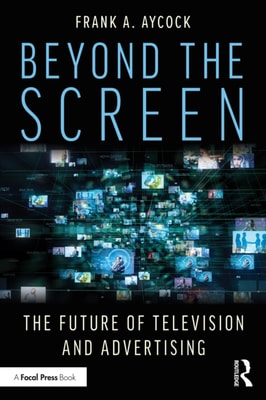
Written in an accessible style, this book explores the complex future of television, across its different industries, providing professional producers with key insights and pathways to adapt and prepare.
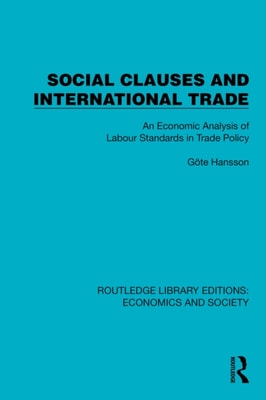
Social Clauses and International Trade (1983) provides a comprehensive survey of working standards in international trade: the clauses in international trade agreements that call for minimum standards for those working to produce the goods being traded.
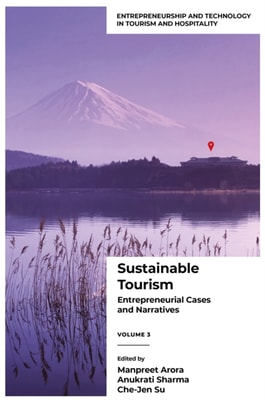
Sustainable Tourism: Entrepreneurial Cases and Narratives offers a powerful look into the experiences of entrepreneurs at the forefront of sustainable tourism.
Culture and Leadership: From Approximation Towards Symbiosis is a unique collection of international scholarly work that explores the connection between culture and leadership.
Aviation Industry Trends - Technology Advancements, Regulations, and Sustainability: The 5th International Aviation Management Conference 2024 offers readers a comprehensive guide to sustainable aviation's current and future landscape.
The book shows how leaders and employees can develop a mindset to recognize the opportunities of artificial intelligence and think actively and with a future-oriented perspective.
The book shows how leaders and employees can develop a mindset to recognize the opportunities of artificial intelligence and think actively and with a future-oriented perspective.
Luxury goods and service environments are inherently beautiful, refined, and aesthetically pleasing, qualities that closely align them with the concept of "e;art”.