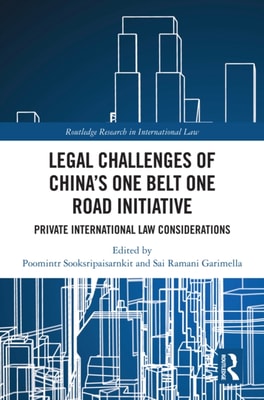
This book covers new legal developments of the One Belt One Road (OBOR) project and assesses how litigation may be organised to enforce and compensate for defaults in its related initiatives.
This book examines the interplay of legal traditions and linguistic practices and its influence on arbitral awards, opening new avenues of research on this underexplored area of legal discourse.
Combining both an industry and research focus, How to Judge a Book by its Cover not only judges books by their covers but provides a methodology for others to do the same.
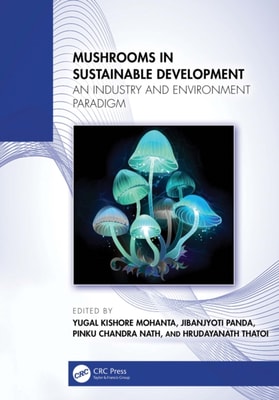
The book highlights the importance of mushrooms and their effective application in the nutraceutical sector, along with their role in promoting environmental resilience.
Social Clauses and International Trade (1983) provides a comprehensive survey of working standards in international trade: the clauses in international trade agreements that call for minimum standards for those working to produce the goods being traded.
Creating and building sustainable organizations that participate in circular innovation processes helps to foster a virtuous circle that benefits people and planet, without neglecting profit.
State and Economy in Contemporary Capitalism (1979) bridges the gap between practiced concerns and the abstract nature of theories surrounding the function of the state in advanced capitalist societies.
This book analyses the concept of new quality productive forces through rigorous academic research, exploring its theoretical foundations, formation logic, and practical implications.
This book examines the transformative impact of generative AI on cultural production, with a particular focus on how AI technologies like ChatGPT are reshaping the creation of popular culture.
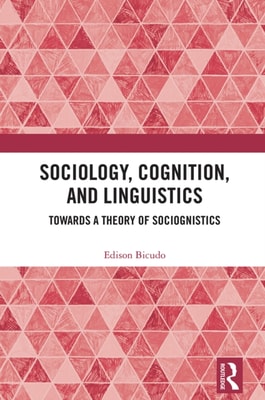
This book explores how social and political life are decisively shaped by unconscious linguistic operations and practical bodily experiences, rather than exclusively by rationality and consciously crafted arguments.
Combining both an industry and research focus, How to Judge a Book by its Cover not only judges books by their covers but provides a methodology for others to do the same.
This book explores how social and political life are decisively shaped by unconscious linguistic operations and practical bodily experiences, rather than exclusively by rationality and consciously crafted arguments.
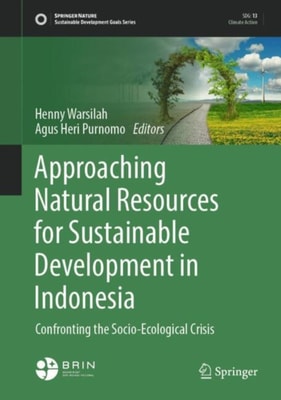
This book brings to light the sustainability dilemma in Southeast Asia, with a sharp focus on Indonesia’s rapid economic growth and its profound impact on natural resources, ecosystems, and society.
Politische Ökonomie in der Habsburgermonarchie ist eine neue und wichtige Studie über den Beitrag des österreichischen Ökonomen der Aufklärung Ludwig Zinzendorf zur politischen Ökonomie der Habsburgermonarchie in der Mitte des 18.
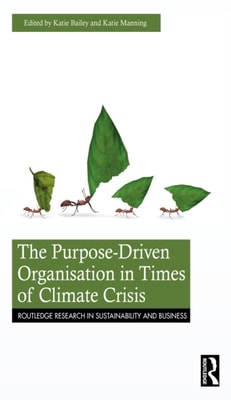
This book provides an authoritative, evidence-based understanding of the implications of climate change for organisations and offers valuable insights into how to craft and embed a sustainable purpose.
Contributing to the renewed interest in economic history in the role played by peripheral or smaller countries, this book provides a detailed analysis of Portuguese public finances during the Estado Novo regime (1933-1974) - a period marked by dictatorship, industrialization, internationalization, and war.
Une empreinte en eau a la base de tout Nourriture, energie, industrie, economie, bien vivre en ville, bien-etre de la planete, geopolitique, immigration, guerres.
This book explores the latest innovations in energy economics and finance, with a particular focus on the role of machine learning algorithms in advancing the energy sector.
This handbook provides a comprehensive examination of sustainable tourism and hospitality practices in Indonesia, offering insights into the industry's innovative approaches.