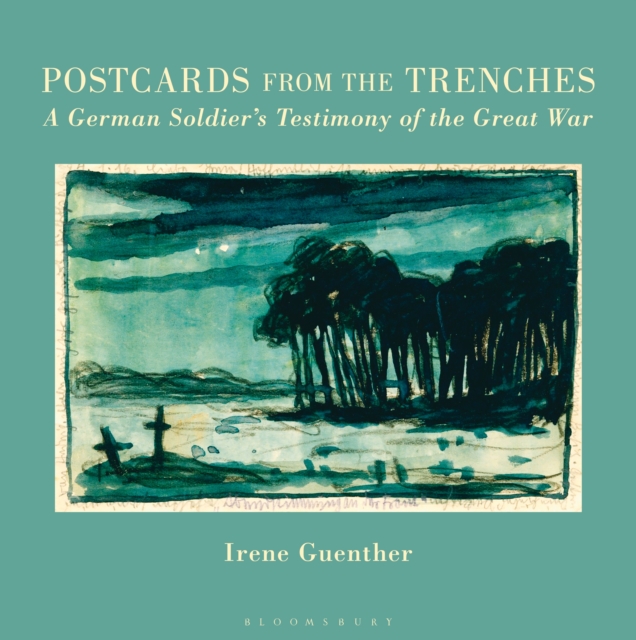
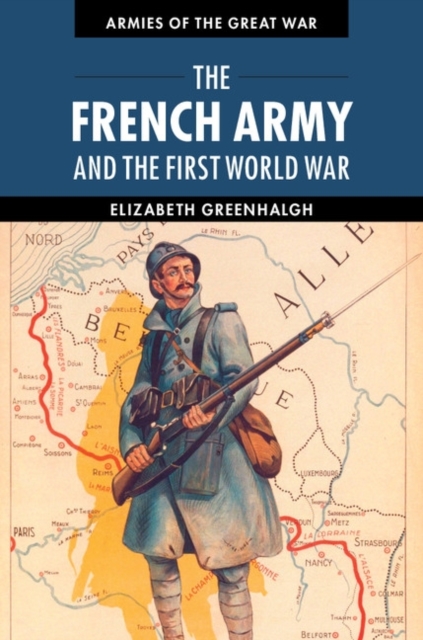
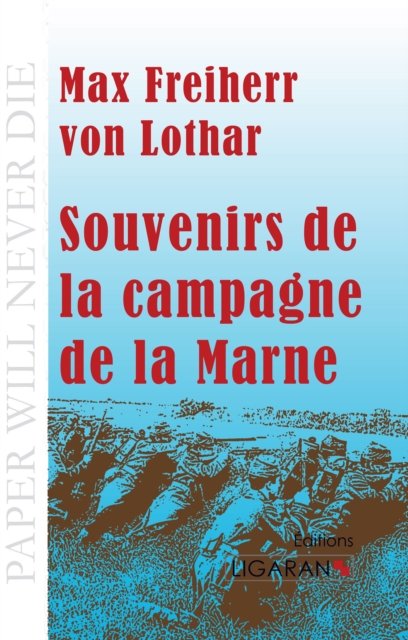
We have often heard about the brutal world of the trenches, the willingness of brave young soldiers and the apparent indifference of the generals, but reevaluations of the Great War in previous decades have shown us much more complexity, and in many cases some surprising reconstructions of very standard narratives of the war.
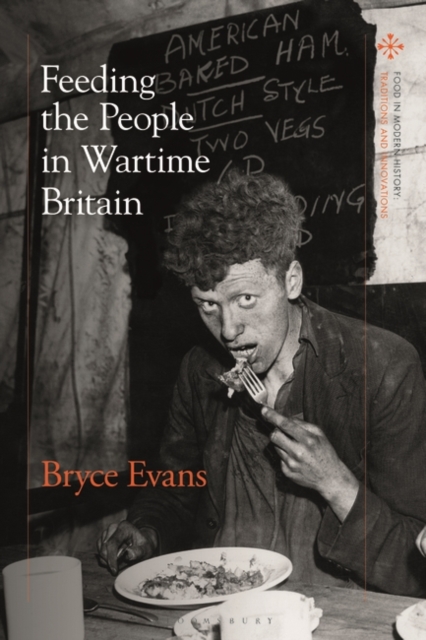
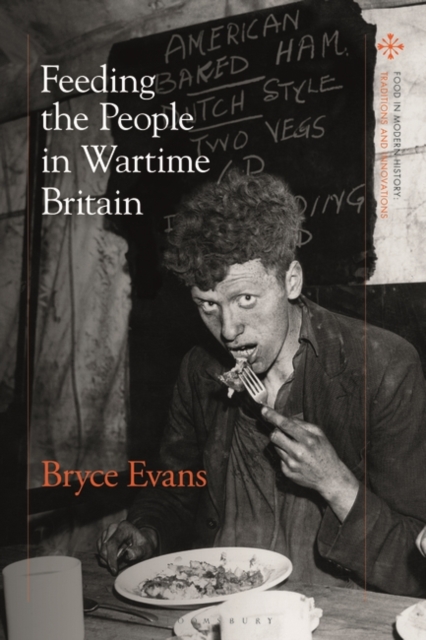
While the history of food on the home front in wartime Britain has mostly focused on rationing, this book reveals the importance and scale of nation-wide communal dining schemes during this era.
While the history of food on the home front in wartime Britain has mostly focused on rationing, this book reveals the importance and scale of nation-wide communal dining schemes during this era.
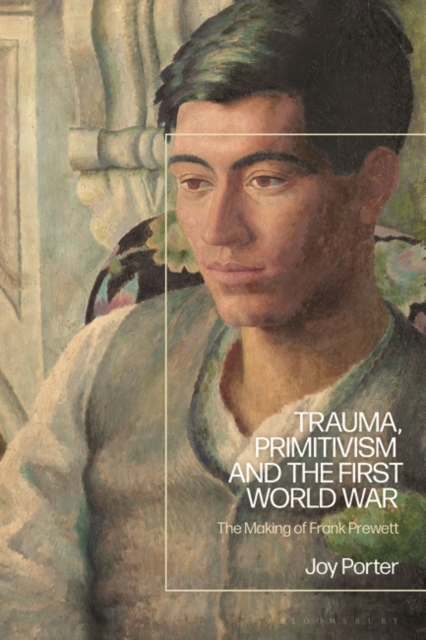
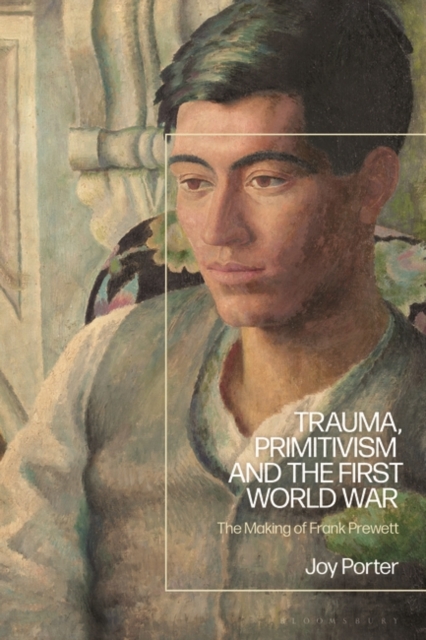
This book examines the extraordinary life of Frank “Toronto” Prewett and the history of trauma, literary expression, and the power of self-representation after WWI.
This book examines the extraordinary life of Frank “Toronto” Prewett and the history of trauma, literary expression, and the power of self-representation after WWI.
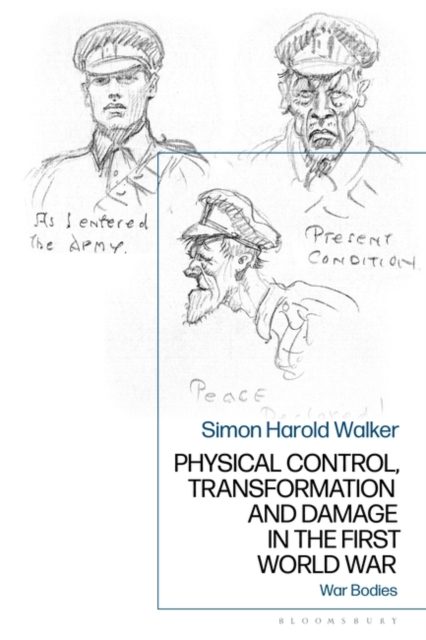
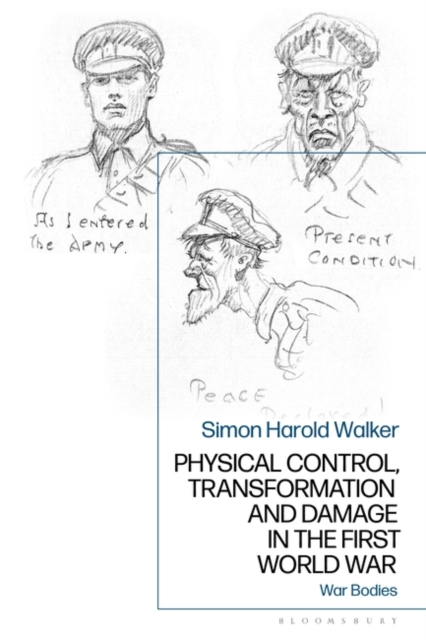
From enlistment in 1914 to the end of service in 1918, British men's bodies were constructed, conditioned, and controlled in the pursuit of allied victory.
From enlistment in 1914 to the end of service in 1918, British men's bodies were constructed, conditioned, and controlled in the pursuit of allied victory.
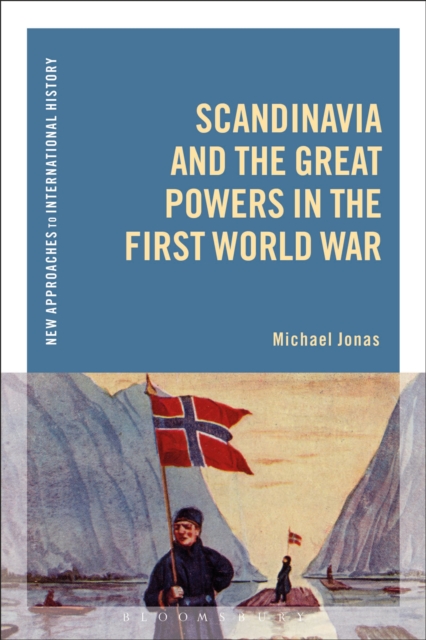
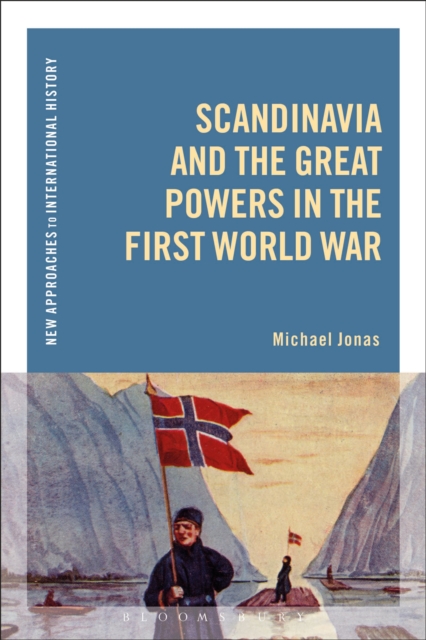
This study is among the first works in English to comprehensively address the Scandinavian First World War experience in the larger international context of the war.
This study is among the first works in English to comprehensively address the Scandinavian First World War experience in the larger international context of the war.
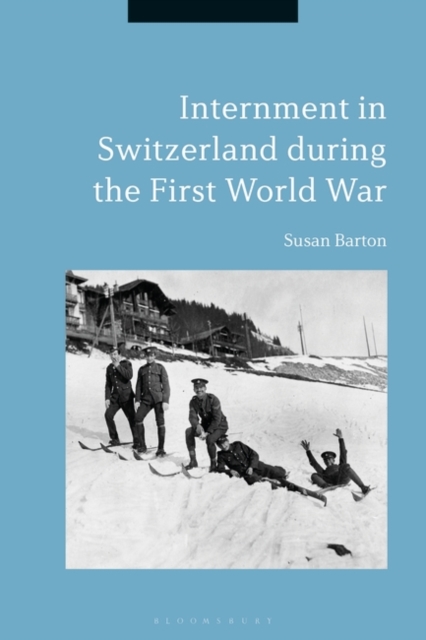
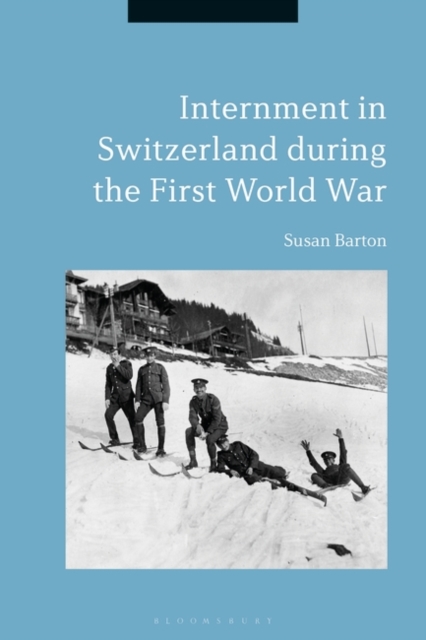
In contrast to the plethora of works focusing on the tragic loss of human lives during the First World War, little is known about the more hopeful realities of thousands of prisoners of war from Britain, France, Germany and Belgium who were sent to Switzerland from 1916.
In contrast to the plethora of works focusing on the tragic loss of human lives during the First World War, little is known about the more hopeful realities of thousands of prisoners of war from Britain, France, Germany and Belgium who were sent to Switzerland from 1916.
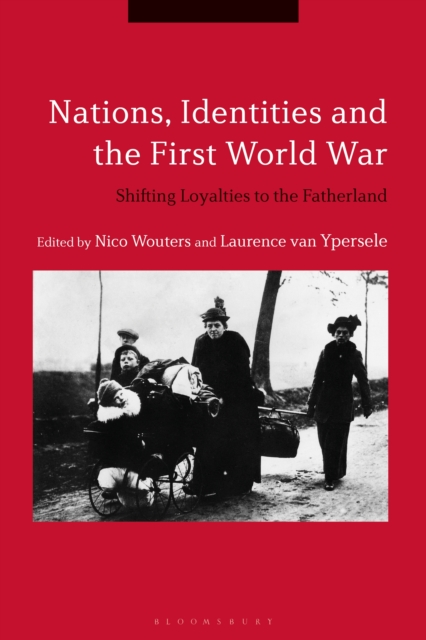
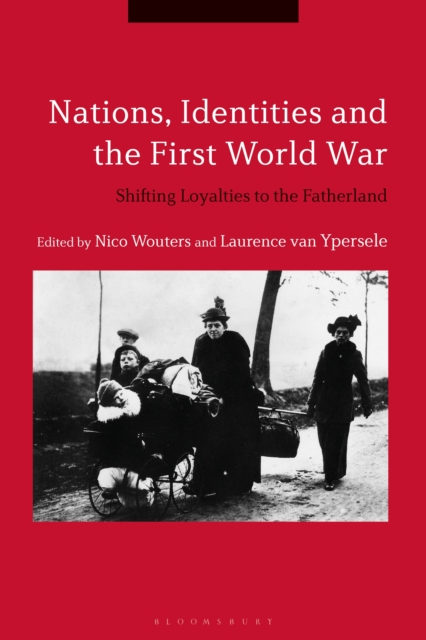
Nations, Identities and the First World War examines the changing perceptions and attitudes about the nation and the fatherland by different social, ethnic, political and religious groups during the conflict and its aftermath.
Nations, Identities and the First World War examines the changing perceptions and attitudes about the nation and the fatherland by different social, ethnic, political and religious groups during the conflict and its aftermath.
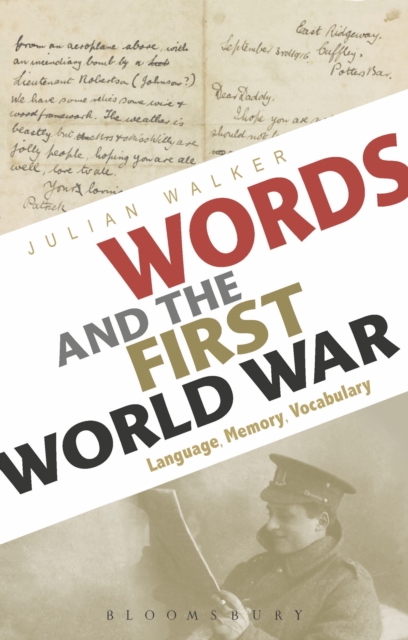
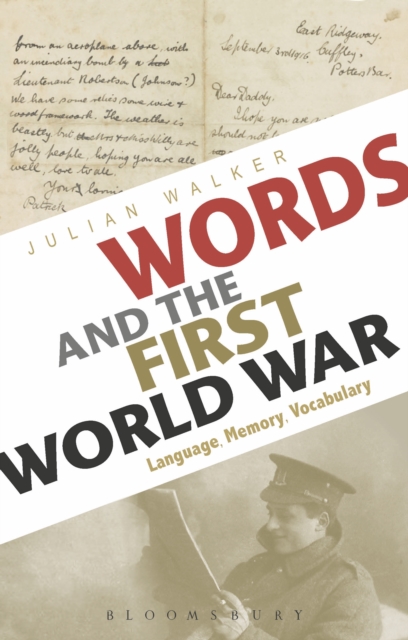
"e;An illustrated analytical study, Words and the First World War considers the situation at home, at war, and under categories such as race, gender and class to give a many-sided picture of language used during the conflict.
"e;An illustrated analytical study, Words and the First World War considers the situation at home, at war, and under categories such as race, gender and class to give a many-sided picture of language used during the conflict.
A major re-examination of Habsburg decision-making from 1912 to July 1914, the study argues that Austria-Hungary and not Germany made the crucial decisions for war in the summer of 1914.
For the Russians, it was the espionage coup of the century …An espionage operation has gone horribly wrong … Soviet agents take a bold gamble and seize an American ship.