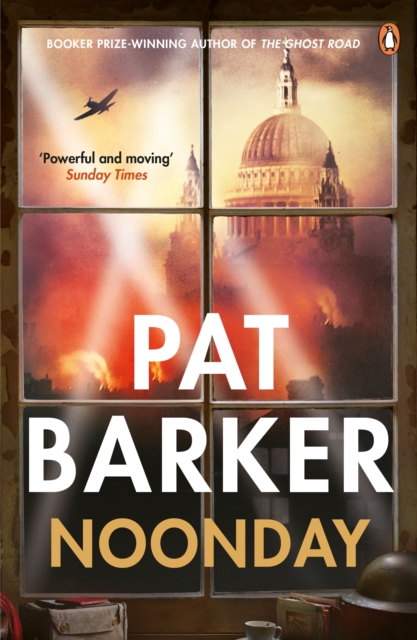
From the Booker Prize-winning and Women's Prize-shortlisted author of The Silence of the Girls The final novel in Pat Barker's acclaimed 'Life Class' trilogy - an unforgettable story of art and war, from one of our greatest writers on war and the human heart'Bold, hard-hitting, unforgettable, with luminous and unsparing insight' Independent on Sunday'Barker's command of detail and gift for metaphor are as sharp as ever.
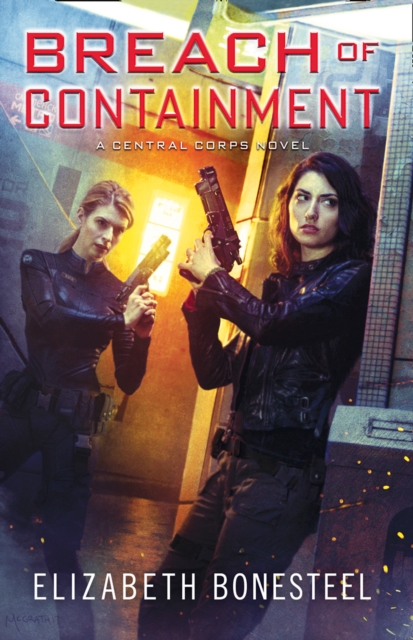
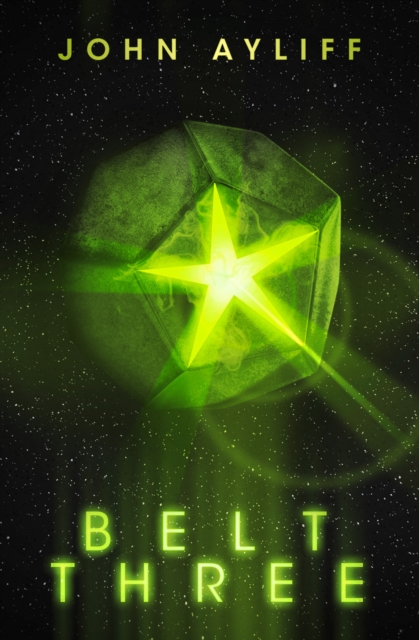
A reluctant hero must prevent war in space and on Earth in this fast-paced military science fiction thriller from the author of The Cold Between and Remnants of Trust.
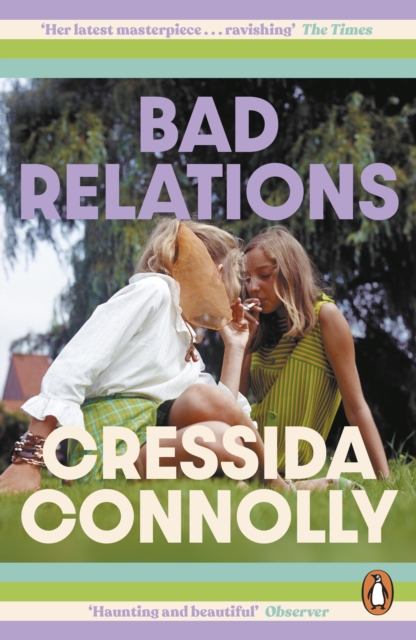
A TALE OF A TRAGEDY SEEPING THROUGH GENERATIONS, AND A FAMILY FRACTURED BY HISTORY AND DESIRE'Bad Relations is an amazing achievement and one of the most satisfying books you're likely to read this year' The Times'Haunting and beautiful.
The second book in Jason LaPier's thrilling sci-fi trilogyJustice isn't what it used to beRogue cop Stanford Runstom blew open a botched murder case and was given a promotion - of sorts.
From the slums of London to the riches of an Edwardian country house; from the hot, dark seams of a Yorkshire coalmine to the exposed terrors of the trenches, Adam Raine's journey from boy to man is set against the backdrop of a society violently entering the modern world.
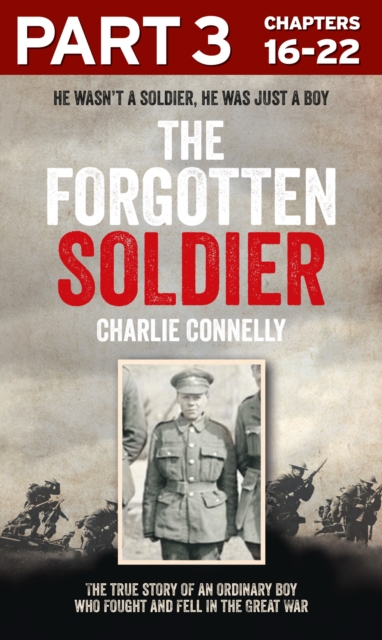
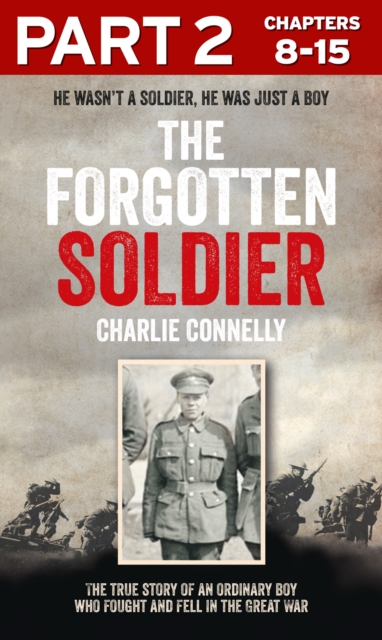
Bestselling author Charlie Connelly returns with a First World War memoir of his great uncle, Edward Connelly, who was an ordinary boy sent to fight in a war the likes of which the world had never seen.
Bestselling author Charlie Connelly returns with a First World War memoir of his great uncle, Edward Connelly, who was an ordinary boy sent to fight in a war the likes of which the world had never seen.
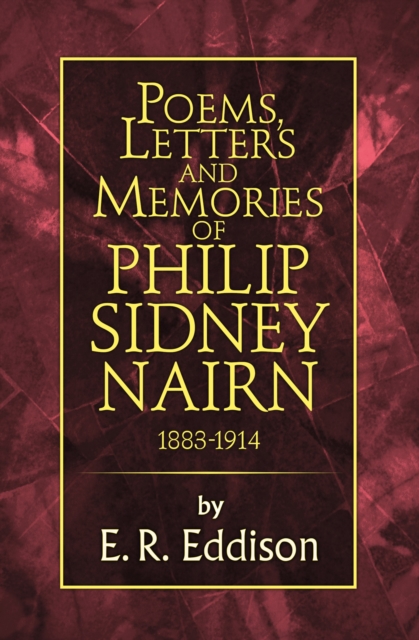
A poignant memoir and tribute to the Oxford poet Nairnby the author who went on to create The Worm Ouroborosand the groundbreaking Zimiamvia fantasy trilogy.
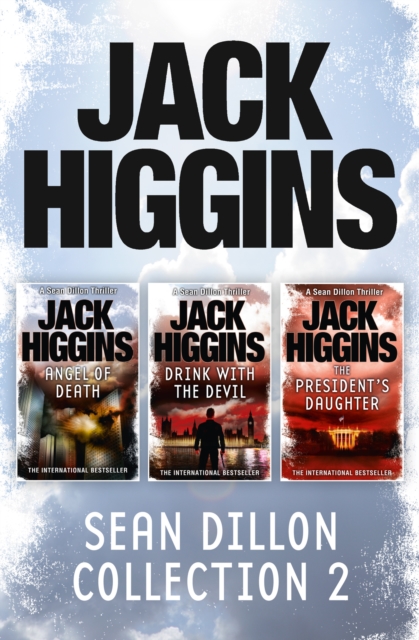
Three more deadly missions for Sean Dillon: assassin, terrorist, hero; available together for the first time in this bundle from master storyteller, Jack Higgins.
The dramatic story full of heartache and triumph from the bestselling author of Christmas on the Mersey and London BellesKitty has seen her fair share of tragedy and instead of thinking about romance, is determined to do her bit for King and country.
'Jung-Myung Lee's extraordinary The Investigation, translated by Chi-Young Kim, is set in a period of Korean history that isn't widely known in the West .
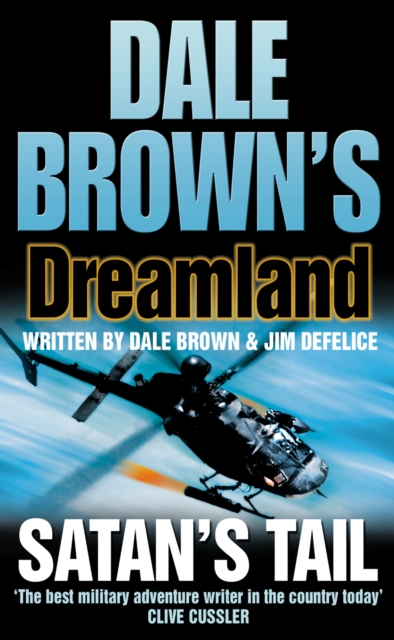
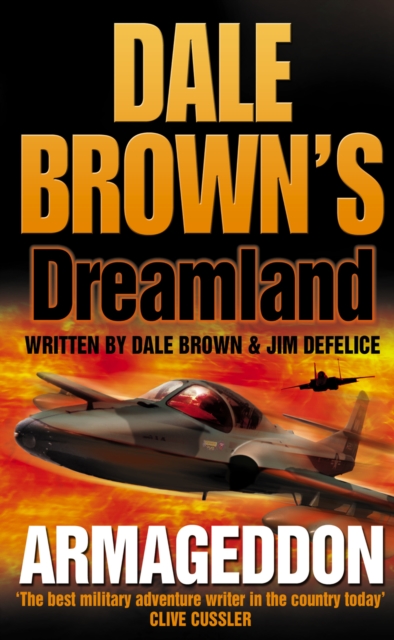
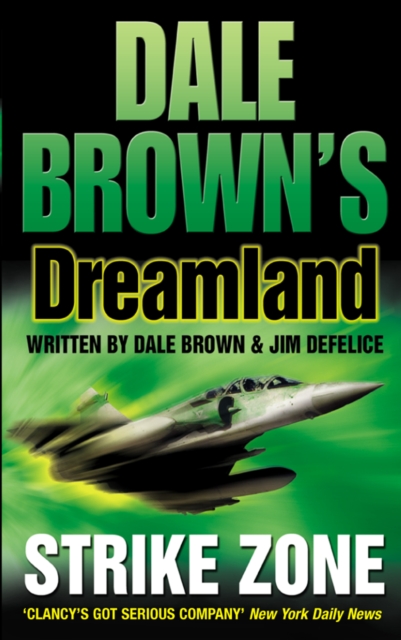
The eighth in the series of high-tech thrillers centred on Dreamland - a top-secret USAF weapons research centre - from the acclaimed author of 'Act of War' and 'Plan of Attack.
The seventh in the series of high-tech thrillers centred on Dreamland - a top-secret USAF weapons research centre - from the acclaimed author of FLIGHT OF THE OLD DOG and PLAN OF ATTACKDreamland is a cutting-edge weapons research facility in the Nevada desert - home to some of the world's finest pilots and an elite combat unit that operates directly at the command of the US President.
The sixth in the series of high-tech thrillers centred on Dreamland - a top-secret USAF weapons research centre - from the acclaimed author of Flight of the Old Dog and Air Battle Force.
The Dreamland special ops team uncover a plan to stir up unrest between Taiwan and mainland China - in the latest high-octane adventure from the acclaimed author of Flight of the Old Dog and Air Battle Force.