Dies ist eines der interessantesten und wertvollsten Bücher in der Flut der Literatur, die den Ersten Weltkrieg behandelt, denn es ist nicht, außer vielleicht im letzten Abschnitt, eine Apologie, sondern eine gründliche Untersuchung der Ursachen der großen Katastrophe und des Zusammenbruchs Österreich-Ungarns.
"Bismarck", hier vorliegend in einer Ausgabe aller vier Bände, entwickelt sich von der Biographie des großen Otto von Bismarck zu einer Gesamtdarstellung des Ersten Weltkrieges.
Bis in die Gegenwart gehört der Erste Weltkrieg (1914-1918) zu denjenigen Ereignissen der Weltgeschichte, die im Gedächtnis der Menschen einen wichtigen Platz bewahrt haben.
Das große Stalingrad-Epos über Krieg, Diktatur und menschliche GüteAn der Front werden Städte zermahlen, in Lagern entscheiden Nummern über Leben und Tod.
Als der Bootsbauer Virgile und seine Frau Victoria im Mai 1942 gebeten werden, Flüchtlingen über den Fluss zu helfen, verändert sich das Leben des kinderlosen Paares von einem Tag auf den anderen.
Der Verfasser dieser Erinnerungen, ein Bergmann aus dem Saarrevier, für dessen Glaubwürdigkeit und guten Charakter wir bürgen, hat in seiner einfachen, schmucklosen Schilderung des Krieges, wie er ist, das stärkste Argument gegen den Krieg nicht nur, sondern gegen jede Art von Militarismus, gegen jede Art von Kriegsbereitschaft geliefert.
Frankreich im Dezember 1943: Die Hinweise auf eine bevorstehende Landung der Alliierten an der französischen Kanalküste verdichten sich und führen zu immer nervöseren Reaktionen des deutschen Besatzungsregimes.
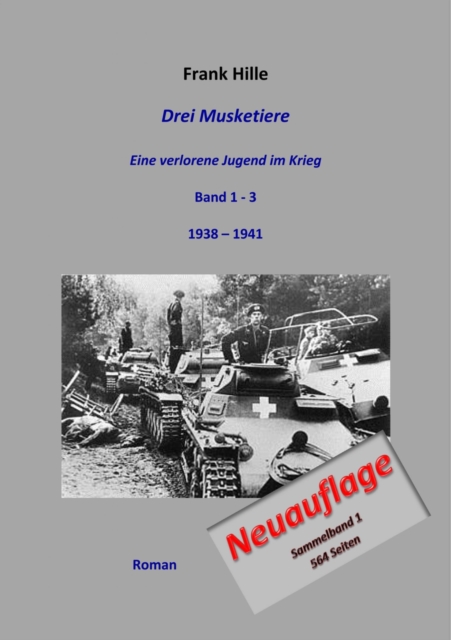
Ohne es zu wissen, liegen Fred Beyer und Günther Weber mit ihren Einheiten im Bereich der Heeresgruppe Mitte recht nah voneinander in ihren Bereitstellungsräumen.
+++Gesamtausgabe+++ Verrat-Geheimnisse-dunkle Begierde - Die bezaubernde Olga ist die erstgeborene Tochter des Zaren und der heimlicher Liebling des Vaters.
Die junge Amerikanerin Deborah wähnt sich am Ziel ihrer ehrgeizigen Träume: Bald schon Teilhaberin einer renommierten Kunstgalerie in San Francisco zu werden.
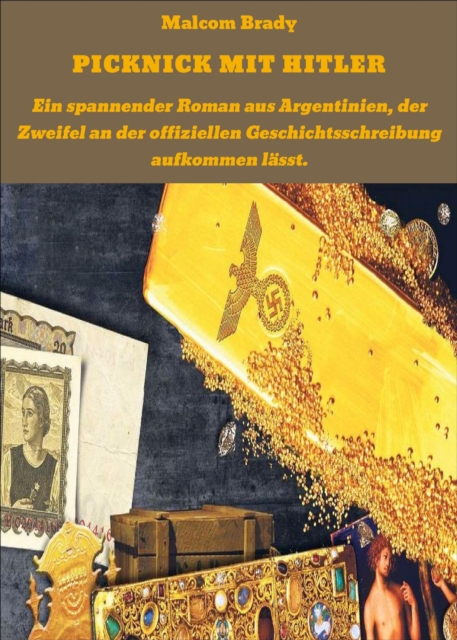
Die gebürtige Argentiniern Mia Sastre kehrt nach vielen Jahren im amerikanischen Exil erstmals in ihr Heimatland zurück um das Erbe ihrer verstorbenen Tante Juana anzutreten.
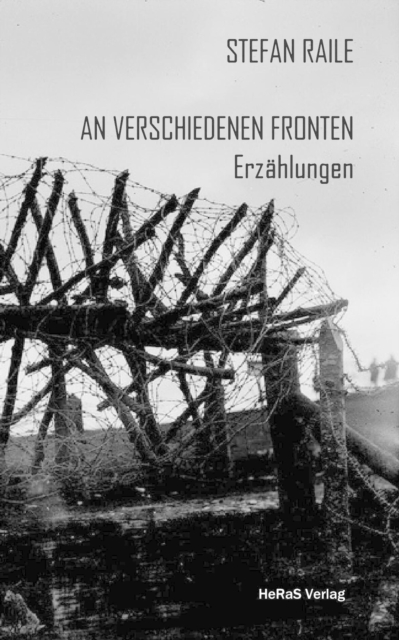
An verschiedenen Fronten kämpften die Soldaten der vier Erzählungen: in Bulgarien und Jugoslawien während des Zweiten Weltkriegs sowie bei der NVA vor der Wende.
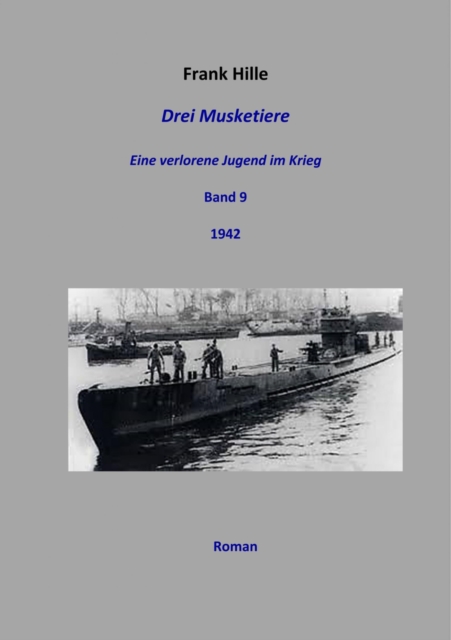
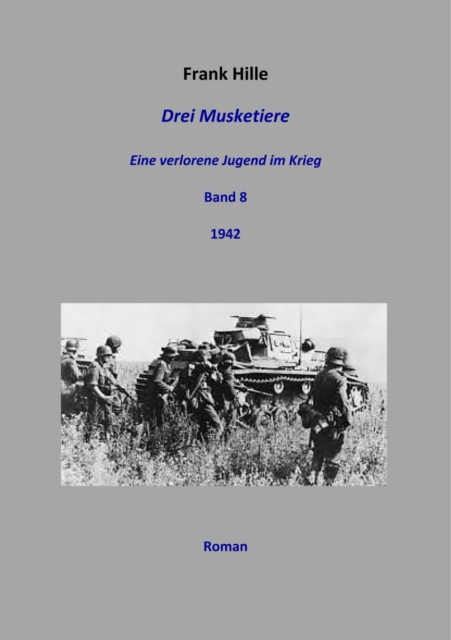
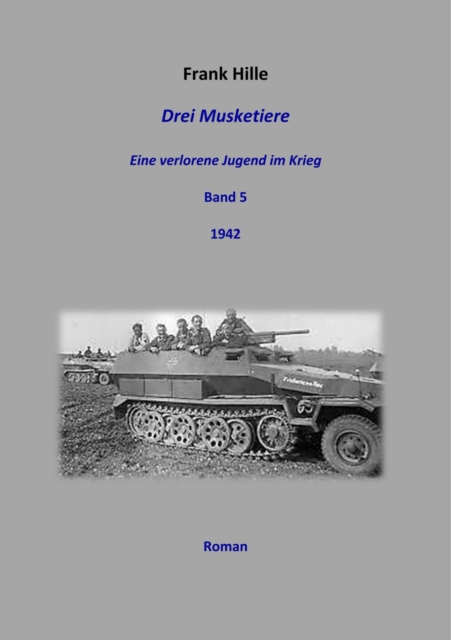
Nach den schweren Gefechten im Bereich der Heeresgruppe Mitte vor Moskau kommt es im beginnenden Frühjahr 1942 zu Bemühungen beider Seiten, die Initiative wieder zu gewinnen.