THE NUMBER ONE NEW YORK TIMESBESTSELLER FROM THE AUTHOR OF AMERICAN ASSASSIN With Iran on the brink of developing a nuclear weapon, Israel is forced to react.
Told through the eyes of a young girl, Lennie, this powerful novel tells of her search for her mum and little sister after the Clydebank Blitz near Glasgow in World War 2.
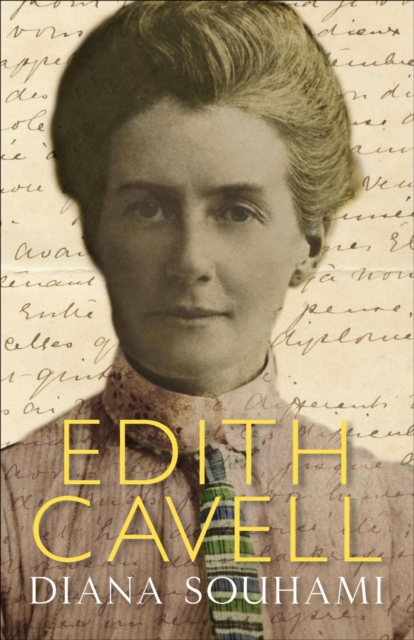
Edith Cavell was born in 1865, daughter of a Norfolk vicar, and shot in Brussels on 12 October 1915 by the Germans for sheltering British and French soldiers and helping them escape over the Belgian border.
Out now: The Land in Winter, shortlisted for the Booker Prize 2025 The Optimists: in a world full of suffering, how can we have faith in humanity, or the future?
WINNER OF THE BOOKER PRIZEThe acclaimed bestselling classic of Holocaust literature, adapted into the award-winning film Schindler's List'One of the world's greatest writers' Spectator'Extraordinary' Graham Greene'Powerful' The Times'Marvellous' Sunday TimesIn the shadow of Auschwitz, as thousands faced death in Nazi-occupied Poland, an unlikely saviour emerged.
When people on Paris's bustling streets look at Michael Roth, they see little more than a Parisian student, a quietly spoken young man with a book under his arm, handsome but guarded.
The Great War gave birth to some of the twentieth century's most celebrated writing; from Brooke to Sassoon, the poetry generated by the war is etched into collective memory.
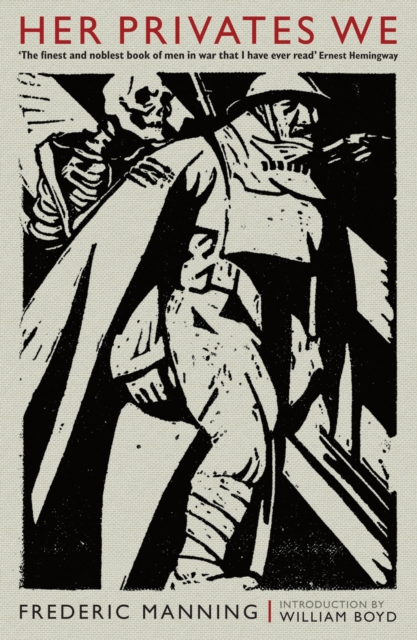
First published privately in 1929 as The Middle Parts of Fortune, Her Privates We is the novel of the Battle of the Somme told from the perspective of Bourne, an ordinary private.
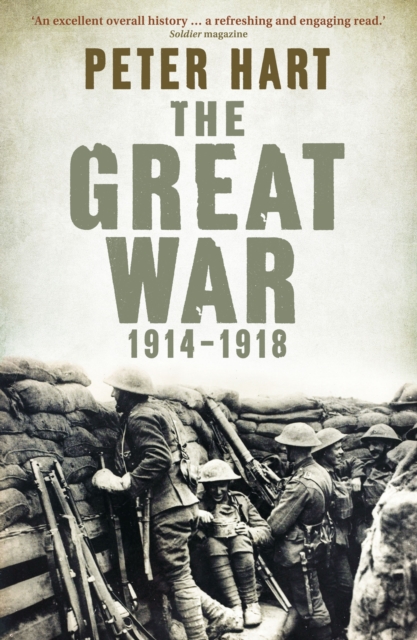
The Great War was the first truly global conflict, and it changed the course of world historyIn this magnum opus, critically-acclaimed historian Peter Hart examines the conflict in every arena around the world, in a history that combines cutting edge scholarship with vivid and unfamiliar eyewitness accounts, from kings and generals, and ordinary soldiers.
A ';rich and beautifully crafted multigenerational epic' (Kristin Harmel, New York Times bestselling author of The Paris Daughter) following one woman's struggle to protect her culture and her family amidst the backdrop of a military occupation.
A Gregor Reinhardt NovelShortlisted for the 2015 CWA Endeavour Historical DaggerIn war-torn Yugoslavia, a beautiful young filmmaker and photographer - a veritable hero to her people - and a German officer have been brutally murdered.
Longlisted for the Andrew Carnegie Medals for Excellence 2017A powerful and emotionally gripping literary novel about family secrets, the lasting scars of war, and the ties that bind us together.