Joss Lambert has always been a loner, constrained by a secret from his past, until he finds friendship and solace firstly with Guy Liddell, a friend from school, and then with Guy's family, who welcome him into their farmhouse home.
As WWI begins, no family, including the Neylers, will be left untouched, and by the time the war finally finishes, nothing will ever be the same againTed and Tina Neyler's children are growing up, doomed to be drawn into the Great War: Frank will be scarred forever by one terrible day in the trenches, while Louis, the charming optimist, returns unscathed from the war to find that his wife and mistress have met up and that his misdemeanours are inexorably catching up with him.
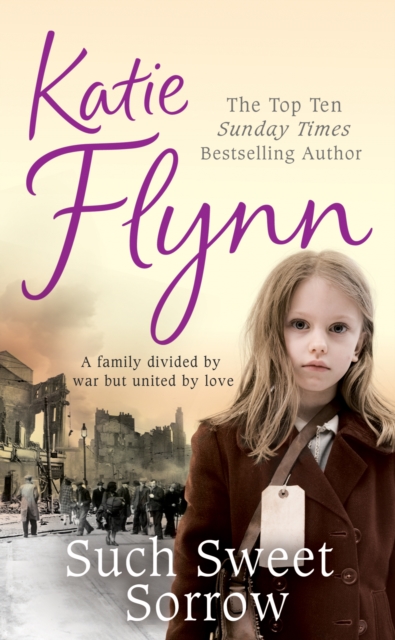
The fourth and final novel in the Neylor Quartet, by Sunday Times bestselling author Katie Flynn, writing as Judith Saxton Hitler's war is reaching out to affect every member of the Neylor family.
On the edge of a small Australian town, far from the battlefields of the Second World War, a camp holds thousands of Japanese, Italian and Korean prisoners of war.
'ORIGINAL AND ENTHRALLING' Guardian'AFFECTING AND TENDER' The Times'COMPLETELY ENCHANTING' Penny Vincenzi Elizabeth Pringle lived all her long life on the Scottish island of Arran.
LONGLISTED FOR THE BAILEYS WOMEN'S PRIZE FOR FICTION 2014'SUPERB' - SIMON SEBAG MONTEFIORE, LONDON EVENING STANDARD BOOKS OF THE YEAR 2013'EXTRAORDINARY' - KEVIN POWERS, AUTHOR OF THE YELLOW BIRDS'THINK HOMELAND IN FICTION FORM.
As the Civil War tears America apart, General Stonewall Jackson leads a troop of confederate soldiers towards the battle they believe will be a conclusive victory.
Norse-Slayer and nation-builder, Kenneth, son of Alpin mac Eochaidh, Kingof Galloway, was the visionary who brought together the ancient kingdomsof Alba, Dalriada, Strathclyde and Galloway to create the country ofScotland.
The youthful Alexander II, who ascended to the Scottish throne in 1214at the age of sixteen, was delighted to welcome to his court a young manof royal blood, heir to the ancient - and all but rival - line of theCospatricks, Earls of Dunbar.