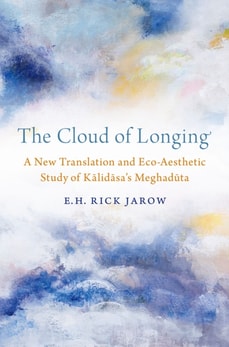
A full-length study and new translation of the great Sanskrit poet Kalidasa's famed Meghaduta (literally "e;The Cloud Messenger,"e;) The Cloud of Longing focuses on the poem's interfacing of nature, feeling, figuration, and mythic memory.
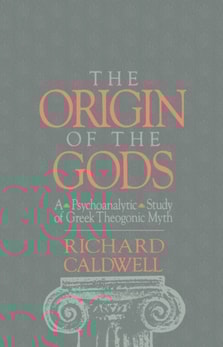
This innovative study posits that myths in general, and Greek theogonic myth in particular, have a latent meaning that is responsible both for the emotional energy inherent in myths, and for the special attraction they have even to those who no longer believe in their literal meaning.
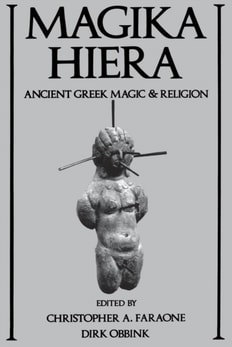
This well-researched and inspiring collection of ten essays by leading American and European scholars challenges the tendency among scholars of Greek religion to ignore what have traditionally been called "e;magical"e; practices in ancient Greece.
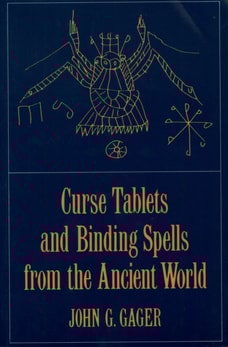
In the ancient Greco-Roman world, it was common practice to curse or bind an enemy or rival by writing an incantation on a tablet and dedicating it to a god or spirit.
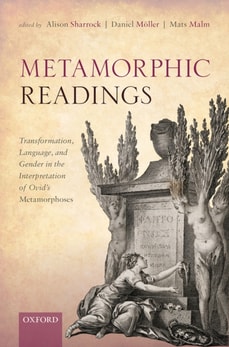
Ovid's remarkable and endlessly fascinating Metamorphoses is one of the best-known and most popular works of classical literature, exerting a pervasive influence on later European literature and culture.
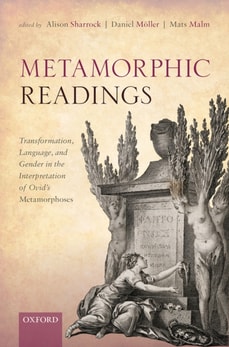
Ovid's remarkable and endlessly fascinating Metamorphoses is one of the best-known and most popular works of classical literature, exerting a pervasive influence on later European literature and culture.
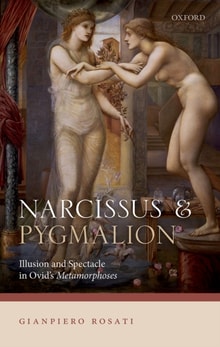
Nature imitates art--not a paradox from Oscar Wilde's pen, but instead the bold formulation of the Latin poet Ovid (43 BCE-17 CE), marking a radical turning point in ancient aesthetics, founded on the principle of mimesis.
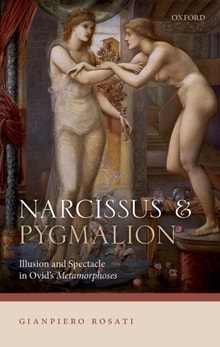
Nature imitates art--not a paradox from Oscar Wilde's pen, but instead the bold formulation of the Latin poet Ovid (43 BCE-17 CE), marking a radical turning point in ancient aesthetics, founded on the principle of mimesis.
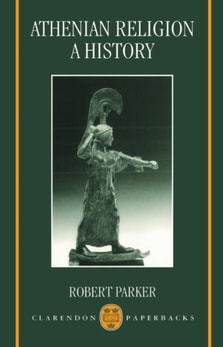
Tantalizingly inadequately documented, ancient Greek religion can all too easily be reduced to the dry analysis of archaeological remains and so-called "e;ritual objects"e;, or the isolated interpretation of other scattered fragments of evidence.
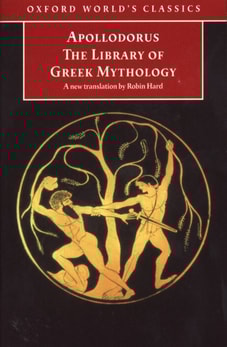
The only work of its kind to survive from classical antiquity, the Library of Apollodorus is a unique guide to Greek mythology, from the origins of the universe to the Trojan War.
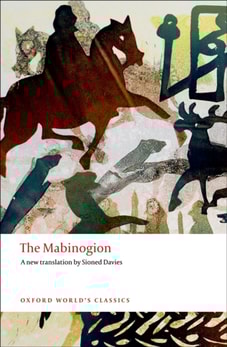
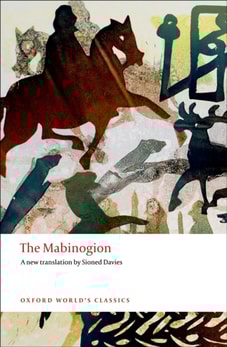
Then they took the flowers of the oak, and the flowers of the broom, and the flowers of the meadowsweet, and from those they conjured up the fairest and most beautiful maiden that anyone had ever seen.
Then they took the flowers of the oak, and the flowers of the broom, and the flowers of the meadowsweet, and from those they conjured up the fairest and most beautiful maiden that anyone had ever seen.
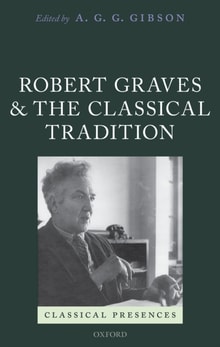
The poet Robert Graves' use of material from classical sources has been contentious to scholars for many years, with a number of classicists baulking at his interpretation of myth and his novelization of history, and questioning its academic value.
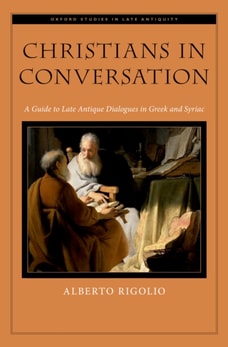
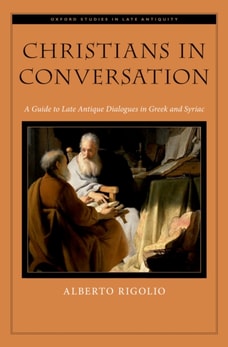
This book addresses a particular and little-known form of writing, the prose dialogue, during the Late Antique period, when Christian authors adopted and transformed the dialogue form to suit the new needs of religious debate.
This book addresses a particular and little-known form of writing, the prose dialogue, during the Late Antique period, when Christian authors adopted and transformed the dialogue form to suit the new needs of religious debate.
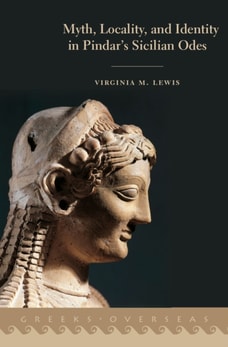
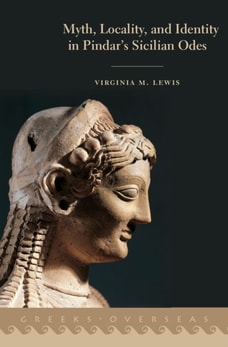
Myth, Locality, and Identity argues that Pindar engages in a striking, innovative style of mythmaking that represents and shapes Sicilian identities in his epinician odes for Sicilian victors in the fifth century BCE.
Myth, Locality, and Identity argues that Pindar engages in a striking, innovative style of mythmaking that represents and shapes Sicilian identities in his epinician odes for Sicilian victors in the fifth century BCE.
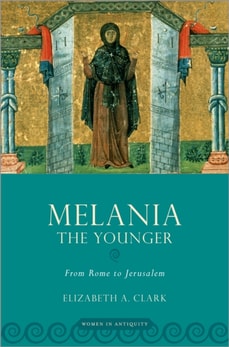
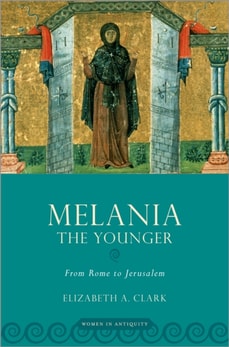
Melania the Younger: From Rome to Jerusalem explores the richly detailed story of Melania, an early fifth-century Roman Christian aristocrat who renounced her staggering wealth to lead a life of ascetic renunciation.
Melania the Younger: From Rome to Jerusalem explores the richly detailed story of Melania, an early fifth-century Roman Christian aristocrat who renounced her staggering wealth to lead a life of ascetic renunciation.
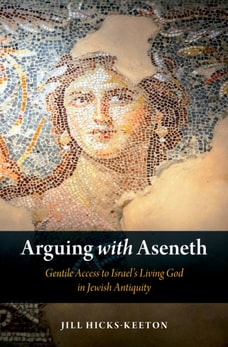
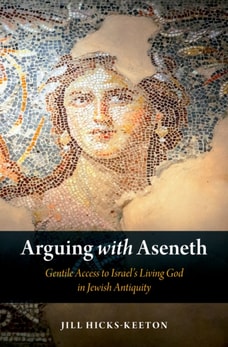
Arguing with Aseneth shows how the ancient Jewish romance known as Joseph and Aseneth moves a minor character in Genesis from obscurity to renown, weaving a new story whose main purpose was to intervene in ancient Jewish debates surrounding gentile access to Israel's God.
Arguing with Aseneth shows how the ancient Jewish romance known as Joseph and Aseneth moves a minor character in Genesis from obscurity to renown, weaving a new story whose main purpose was to intervene in ancient Jewish debates surrounding gentile access to Israel's God.
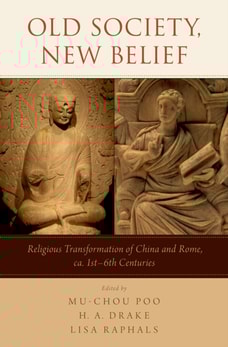
In the first century of the Common Era, two new belief systems entered long-established cultures with radically different outlooks and values: missionaries started to spread the teachings of Jesus of Nazareth in Rome and the Buddha in China.
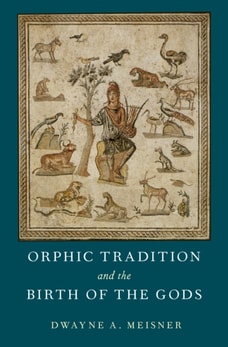
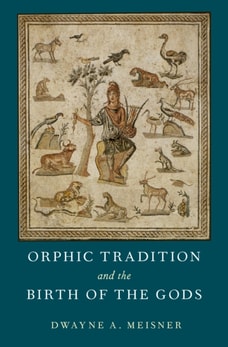
The hatching of the Cosmic Egg, the swallowing of Phanes by Zeus, and the murder of Dionysus by the Titans were just a few of the many stories that appeared in ancient Greek epic poems that were thought to have been written by the legendary singer Orpheus.
The hatching of the Cosmic Egg, the swallowing of Phanes by Zeus, and the murder of Dionysus by the Titans were just a few of the many stories that appeared in ancient Greek epic poems that were thought to have been written by the legendary singer Orpheus.
This book presents for the first time a full translation and analysis of a newly discovered bamboo divination manual from the fourth century BCE China, called the Stalk Divination Method (Shifa).
This book presents for the first time a full translation and analysis of a newly discovered bamboo divination manual from the fourth century BCE China, called the Stalk Divination Method (Shifa).
How did an ancient mythological figure who stole fire from the gods become a face of the modern, lending his name to trailblazing spaceships and radical publishing outfits alike?
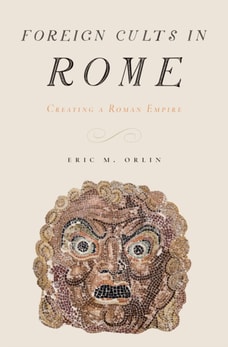
Religion is a particularly useful field within which to study Roman self-definition, for the Romans considered themselves to be the most religious of all peoples and ascribed their imperial success to their religiosity.