Extrait : "Qui est-ce qui n'a pas rencontré un voisin chicaneur, un débiteur qui ne paie pas, un agent d'affaires fripon, un honnête contrefacteur qui demande un brevet pour l'invention d'autrui, ou au moins un ami qui croit qu'il entre dans le droit de l'amitié d'emprunter pour ne pas rendre ?
Extrait : "Dans un ouvrage qui semble destiné à faire connaître à l'avenir les illusions, les mœurs et les passions variables de notre époque de transition, le type d'un jeune républicain doit trouver sa place.
Extrait : "Je conçois Bicêtre et ses cabanons étroits, sombres, infects, où l'homme recueille sa dernière énergie, et boit ces longs tourments qui le préparent à une mort violente; Je conçois les hautes tours, vieilles et perdues en l'air avec leurs murs noirs, criblés de noms et de légendes; Je conçois les souterrains humides de la Conciergerie, ces caveaux d'où l'eau suinte, ces secrets dont rien n'interrompt la hideuse monotonie, où l'on est seul, tout seul!
Extrait : "En 1828, vers une heure du matin, deux personnes sortaient d'un hôtel situé dans la rue du Faubourg-Saint-Honoré, près de l'Elysée-Bourbon : l'un était un médecin célèbre, Horace Biauchon ; l'autre un des hommes les plus élégants de Paris, le baron de Rastignac, tous deux amis depuis longtemps.
Extrait : "Beaucoup de personnes ont dû rencontrer dans certaines provinces de France plus ou moins de chevaliers de Valois : il en existait un en Normandie, il s'en trouvait un autre à Bourges, un troisième florissait en 1816 dans la ville d'Alençon, peut-être le Midi possédait-il le sien.
Extrait : "Au commencement du mois d'avril 1813, il y eut un dimanche dont la matinée promettait un de ces beaux jours où les Parisiens voient pour la première fois de l'année leurs pavés sans boue et leur ciel sans nuages.
Extrait : "Tout le monde connaît la célèbre phrase de Pascal sur le gain de sable qui changea les destinées de l'univers en arrêtant la fortune de Cromwell.
Extrait : "Au milieu des steppes, des montagnes ou des forêts impraticables des contrées reculées de la Sibérie, on rencontre, de loin en loin, de petites villes d'un millier ou deux d'habitants, entièrement bâties en bois, fort laides, avec deux églises, — l'une au centre de la ville, l'autre dans le cimetière, — en un mot, des villes qui ressemblent beaucoup plus à un bon village de la banlieue de Moscou qu'à une ville proprement dite.
Extrait : "Il y a une belle église paroissiale dans la ville de Woodstock , – on me l'a dit du moins, car je ne l'ai jamais vue ; à peine, lorsque j'y allai, si j'eus le temps de visiter le magnifique château de Blenheim, ses salles décorées par la peinture, et les riches tapisseries de ses appartements.
In this an electrifying historical thriller that is sure to become a classic (The Real Book Spy) the long-anticipated origin story of legendary Marine, fan favorite, and father of literary icon Bob Lee takes us to the battlefields of World War II as Earl Swagger embarks on a top secret and deadly mission.
A young woman discovers what lurks beneath the system that anointed her among the best and brightest of her generationA smart, razor-sharp exploration of the precarious island of academic life and the cold unforgiving waters that surround it.
In Admit This to No One, we meet a group of women connected to a central figure either personally or professionally, and for better or for worse-an all-powerful and elusive Speaker of the House, whose political career has only stopped short of being Presidential due to his myriad extra-marital affairs.
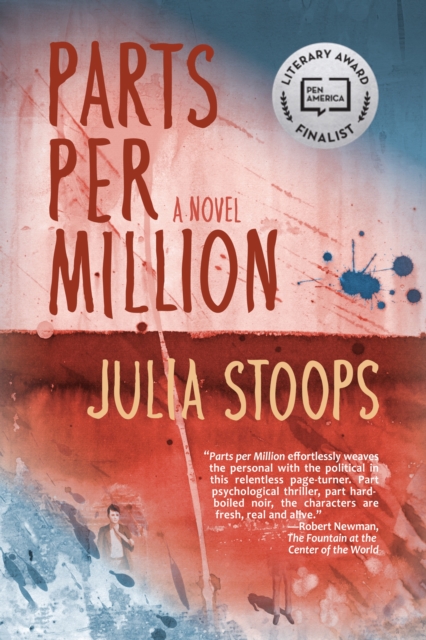
A young woman and a fugitive scientist gather allies and dodge assassins while they learn harsh truths about their world, where consumerism has invaded every aspect of their lives, and the political system protects itself by making people and information disappear.
The first English-language anthology of contemporary Tibetan fiction available in the West, Old Demons, New Deities brings together the best Tibetan writers from both Tibet and the diaspora, who write in Tibetan, English and Chinese.
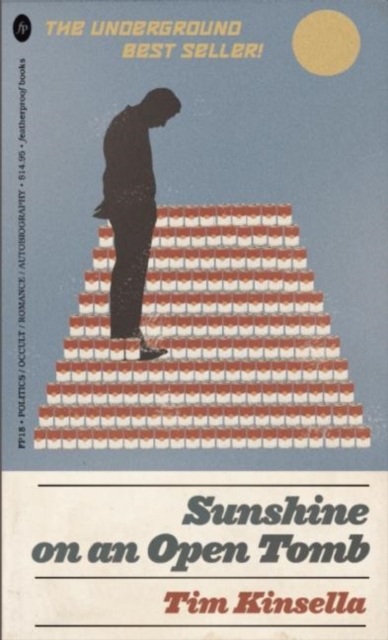
Set in fall 1988, Sunshine On An Open Tomb shuttles between two storylines: the creation of The CIA as a result of the Texas/Kingdom oil connection, and a love triangle involving the moon.
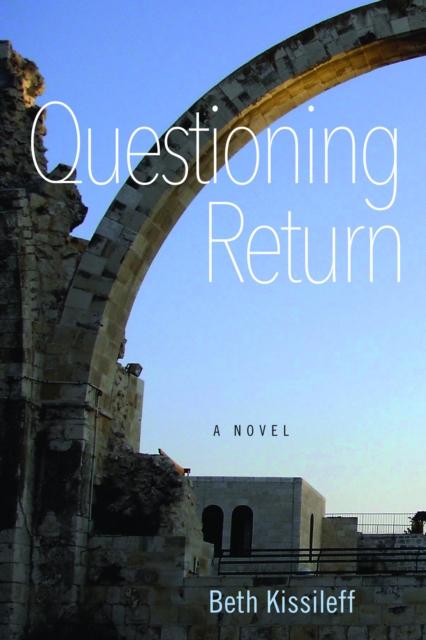
Student Wendy Goldberg spends a year in Jerusalem questioning the lives of American Jews who return both to Israel itself and to traditional religious practices.
The stories in Ukrainian film director, writer, and dissident Oleh Sentsov's debut collection are as much acts of dissent as they are acts of creative expression.
A satirical look at the origins of power, A Zero-Sum Game uses the highly-charged election for the presidency of a residents' committee and the influence of a powerful stranger to both expose those in power and sympathize with the individuals who find themselves caught in the paradox of empowerment and impotence that is modern consumer society and the democratic state.
A lyrical and funny look at democracy and bureaucracy, The Committee on Town Happiness consists of ninety-nine linked stories about disappearing townsfolk.
Winner, National Indie Excellence Award 2021 Best Regional Fiction - SouthwestFinalist, National Indie Excellence Award 2021 Literary FictionFinalist, National Indie Excellence Award 2021 Best Fiction Cover DesignWinner, Independent Press Award 2021 Literary FictionJacobo's Rainbow is an historical literary novel set primarily in the nineteen sixties during the convulsive period of the student protest movements and the Vietnam War.
As the once-powerful Soviet Union descends into social and economic collapse, a group of hard-line communists has devised a strategy to return their country to its former glory.
TRIP WIRES travels around the world, with stories, many of children, set against turbulent socio-political backdrops from Afghanistan to Syria to Columbia to America, and examines how the dilemma of isolation is a common human condition.
(Published in Association with the Westport Library, Westport, Connecticut)Written by an intimate participant in the turbulent civil rights movement in Mississippi, Nobody Said Amen tells the stories of two families lives, one white, one black, as they navigate the challenging, tilting landscape created by the coming of outside agitators and social change to the Mississippi Delta in the 1960s.
Illuminating the intimate, human faces of war, this unique series of short stories by award-winning author Katey Schultz questions the stereotypes of modern war by bearing witness to the shared struggles of all who are touched by it.