In What the Dog Saw Malcolm Gladwell covers everything from criminology to spaghetti sauce to show how the most ordinary subjects can illuminate the most extraordinary things about ourselves and our world.
An important dispatch from a new, multipolar order that is taking form before our eyesA vast cultural movement is emerging from outside the Western world.
The Shobogenzo (The Treasury of the True Dharma Eye) is a revered eight-hundred-year-old Zen Buddhism classic written by the Japanese monk Eihei Dogen.
Fascinating insights on what Japanese manga and anime mean to artists, audiences, and fans in the United States and elsewhere, covering topics that range from fantasy to sex to politics.
Traces the history of the use of hallucinogenic drugs and discusses the psychological and physical effects of LSD, marijuana, mescaline, and other drugs.
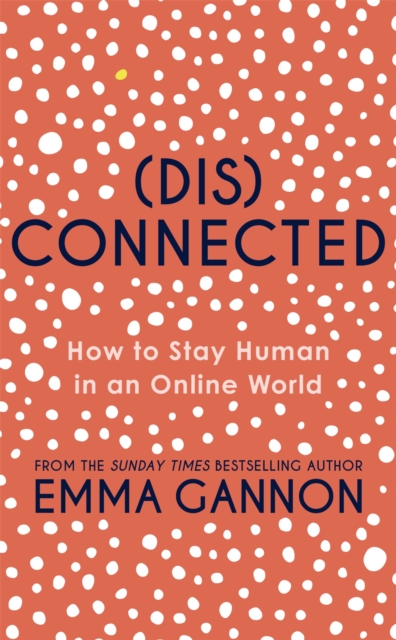
OUT NOW: The new book by Sunday Times bestselling author, Emma Gannon I love Emma Gannon's wise and refreshing perspective on work, and more broadly on the challenges of building a meaningful life in an era of distraction, overwhelm and uncertainty.
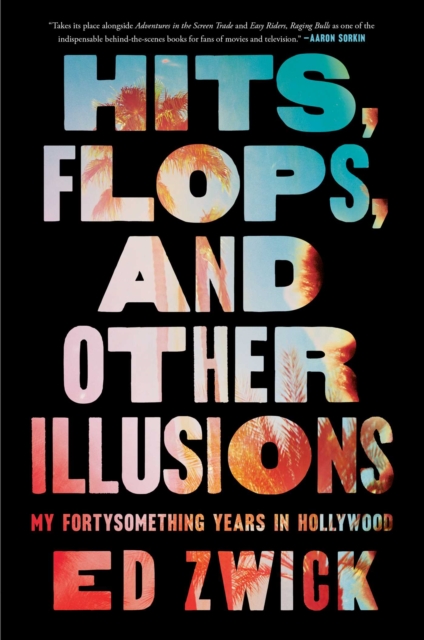
A NEW YORK TIMES BESTSELLER * LOS ANGELES TIMES BESTSELLER * USA TODAY BESTSELLER ';This funny, insightful, and deliciously dishy memoir' (Town & Country) from the director of Blood Diamond, The Last Samurai, Legends of the Fall, and Glory, creator of thirtysomething, and executive producer of My So-Called Life, ';takes its place alongside Adventures in the Screen Trade and Easy Riders, Raging Bulls as one of the indispensable behind-the-scenes books for fans of movies and television' (Aaron Sorkin).
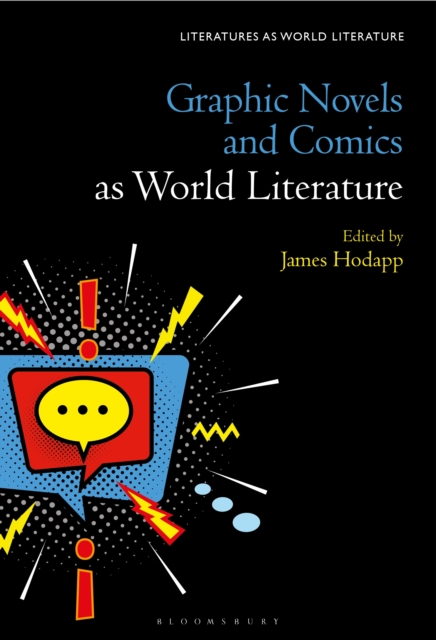
Graphic narratives are one of the world's great art forms, but graphic novels and comics from Europe and the United States dominate scholarly conversations about them.
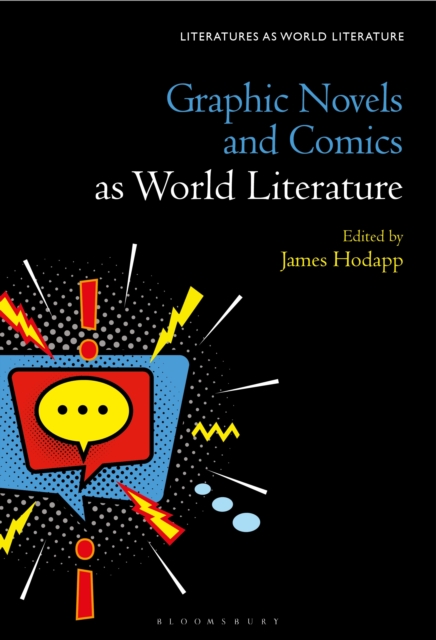
Graphic narratives are one of the world's great art forms, but graphic novels and comics from Europe and the United States dominate scholarly conversations about them.
Even as the major superhero film franchises appear to be exhausting their runs The Umbrella Academy demonstrates that the superhero genre is still extremely effective at creating role models with lasting psychological resonance and allegories with extraordinary emotional impact.
Since the Punisher's first appearance in the pages of Spider-Man #129, the character has become one of the most popular and controversial figures in Marvel's vast universe.
For decades, Marvel Comics' superhero group the Avengers have captured the imagination of millions, whether in comics, multi-billion dollar grossing films or video games.
Peter David, award-winning writer of comic books, novels, television, films and video games, has boatloads of stories to tell about his 30-year career.
This is the first book to comprehensively examine the multitude of non-Archie teen humor comic books, including girls and boys such as Patsy Walker, Hedy Wolfe, Buzz Baxter and Wendy Parker from Marvel; Judy Foster, Buzzy, Binky and Scribbly from DC; Candy from Quality Comics; and Hap Hazard from Ace Comics.
Arkham Asylum for the Criminally Insane is a staple of the Batman universe, evolving into a franchise comprised of comic books, graphic novels, video games, films, television series and more.
Central to every vampire story is the undead's need for human blood, but equally compelling is the human ingestion of vampire blood, which often creates a bond.
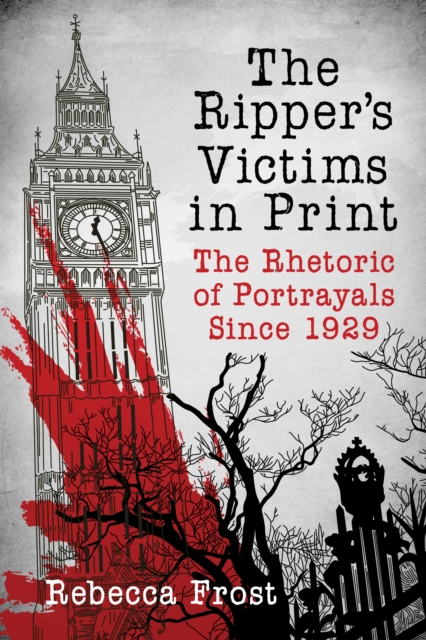
Mary Ann Nichols, Annie Chapman, Elizabeth Stride, Katherine Eddowes and Mary Jane Kelly--the five known victims of Jack the Ripper--are among the most written-about women in history.