Since her first appearance in 1992, Harley Quinn--eccentric sidekick to the Joker--has captured the attention of readers like few new characters have in eight decades of Batman comics.
This collection of new essays focuses on The CW network's hit television series Arrow--based on DC Comic's Green Arrow--and its spin-offs The Flash, DC's Legends of Tomorrow and Supergirl.
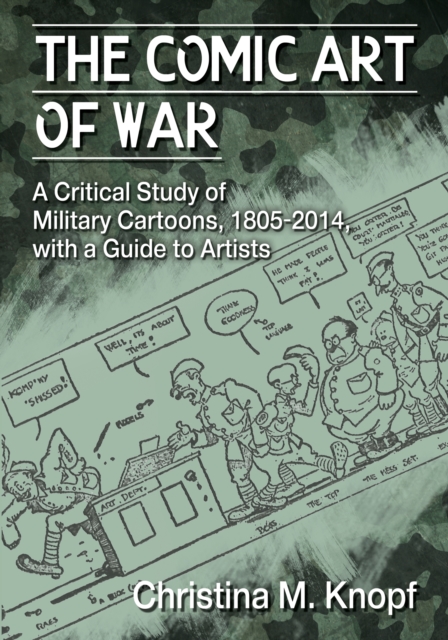
Fictional war narratives often employ haunted battlefields, super-soldiers, time travel, the undead and other imaginative elements of science fiction and fantasy.
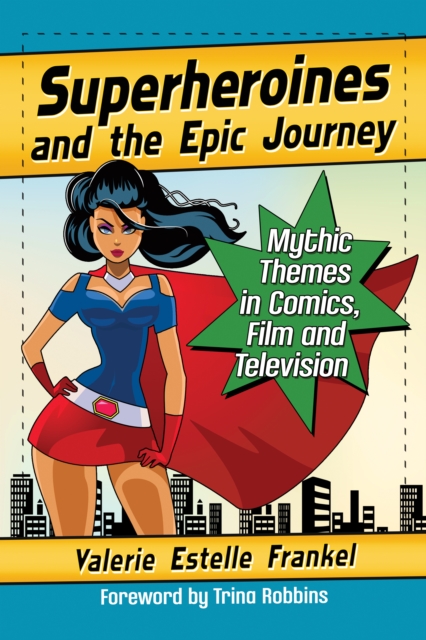
Superheroes have been an integral part of popular society for decades and have given rise to a collective mythology familiar in popular culture worldwide.
Exploring the pedagogical power of the monstrous, this collection of new essays describes innovative teaching strategies that use our cultural fascination with monsters to enhance learning in high school and college courses.
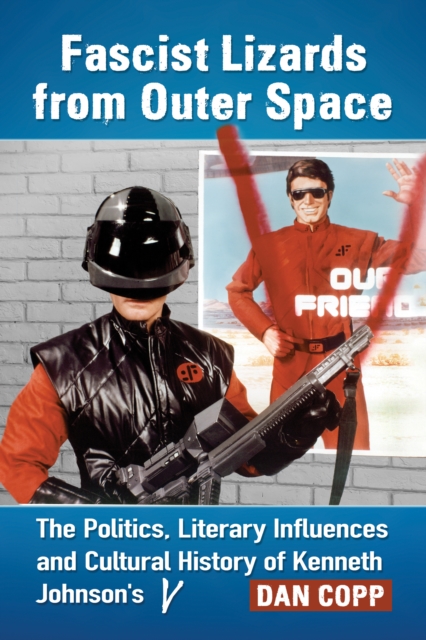
When Kenneth Johnson's science fiction miniseries V premiered in 1983, it netted more than 40 percent of the television viewing audience and went on to spawn a sequel, a weekly series, novelizations, comic books and a remake.
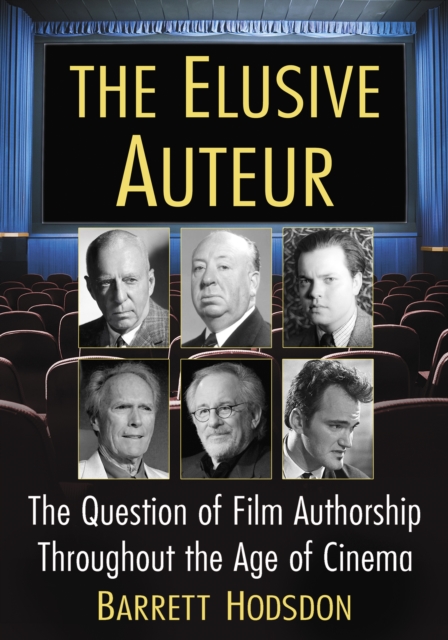
The director's authorial role in filmmaking--the extent to which a film reflects his or her individual style and creative vision--has been much debated among film critics and scholars for decades.
Marvel Studios' approach to its Cinematic Universe--beginning with the release of Iron Man (2008)--has become the template for successful management of blockbuster film properties.
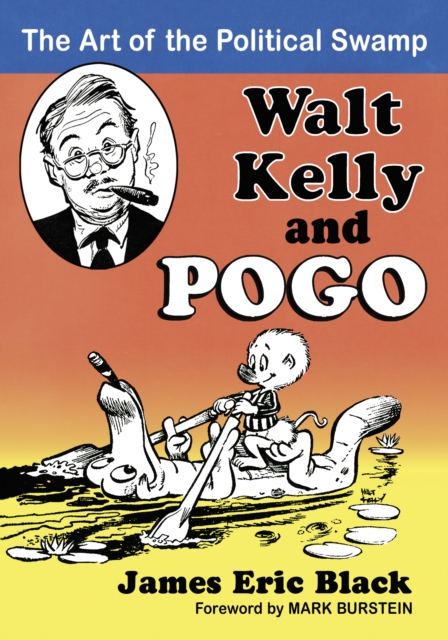
One of the most popular comic strips of the 1950s and the first to reference politics of the day, Walt Kelly's Pogo took on Joe McCarthy before the controversial senator was a blip on Edward R.
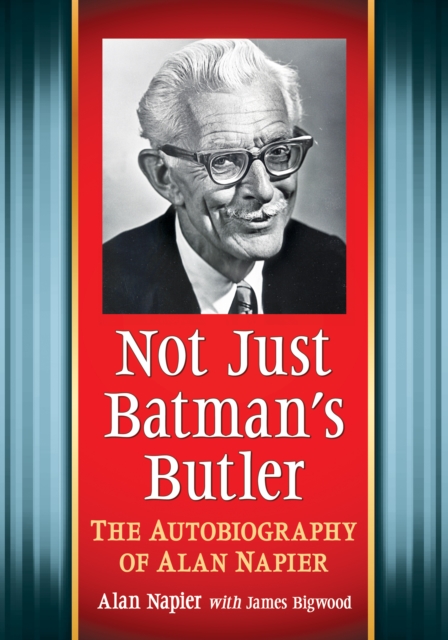
In January 1966, Alan Napier became a household name on ABC's hit series Batman (1966-1968) as Alfred Pennyworth, loyal butler to the show's title character.
Superheroes are enjoying a cultural resurgence, dominating the box office and breaking out of specialty comics stores onto the shelves of mainstream retailers.
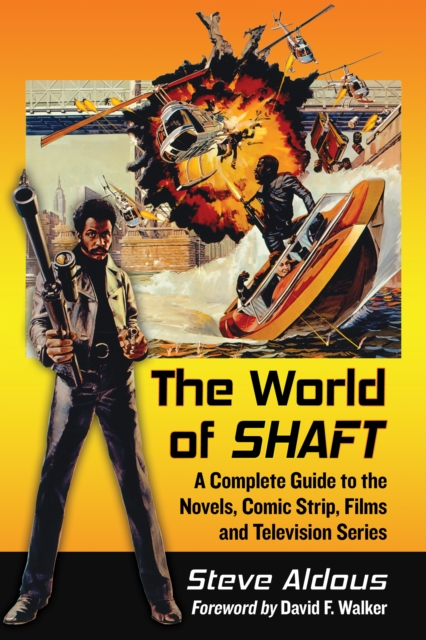
Mention Shaft and most people think of Gordon Parks' seminal 1971 film starring Richard Roundtree in a leather coat, walking the streets of Manhattan to Isaac Hayes' iconic theme music.
Since the early 2000s, popular culture has experienced a "e;Zombie Renaissance,"e; beginning in film and expanding into books, television, video games, theatre productions, phone apps, collectibles and toys.
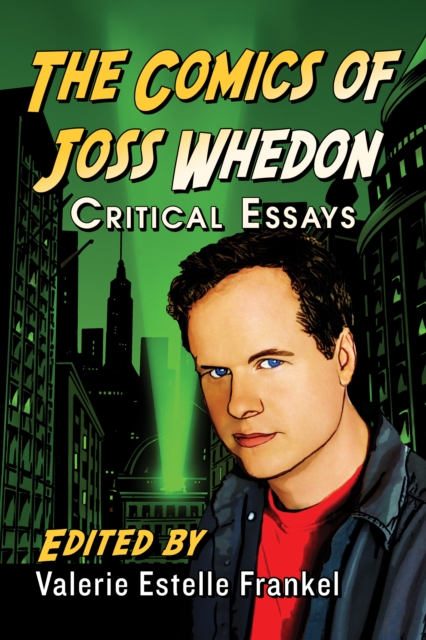
A great deal of scholarship has focused on Joss Whedon's television and film work, which includes Buffy the Vampire Slayer, Firefly, Doctor Horrible's Sing-Along Blog, The Cabin in the Woods and The Avengers.
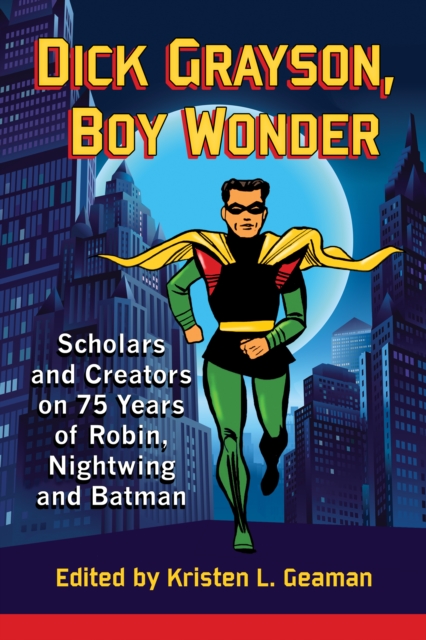
Dick Grayson--alter-ego of the original Robin of Batman comics--has gone through various changes in his 75 years as a superhero but has remained the optimistic, humorous character readers first embraced in 1940.
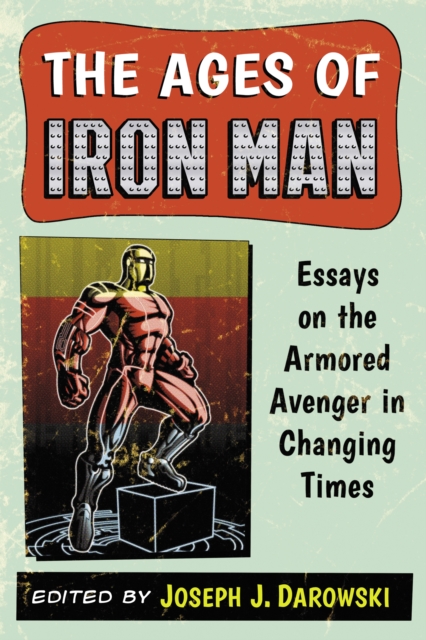
Billionaire industrialist, cold warrior, weapons designer, alcoholic, philanthropist, Avenger--Tony Stark, alter-ego of Marvel Comics' Iron Man, has played many roles in his five decades as a superhero.
Comic book audience expectations have fluctuated dramatically through the years, and comic book creators have had to adapt to shifting reader concerns.
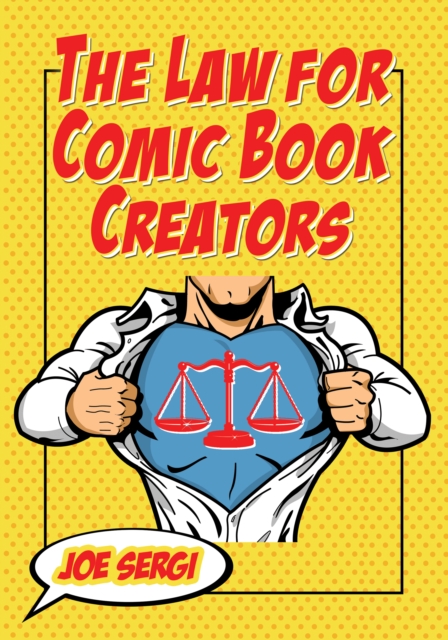
Since the creation of the comic book, cases of legal conflict and confusion have often arisen where concepts such as public domain, unincorporated entities and moral rights are involved.
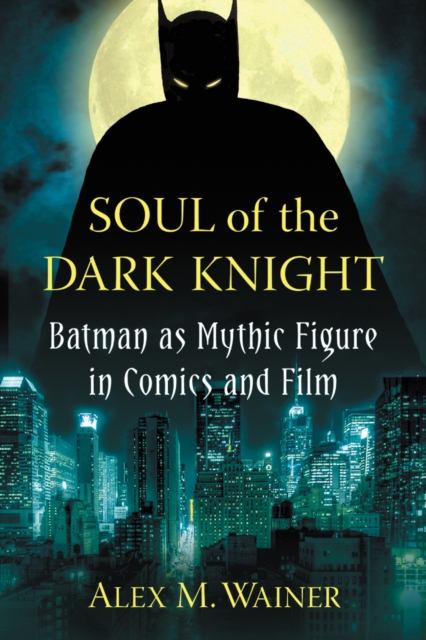
This is a book about the comics genre and language, how these were used to create Batman, and how that character's longevity is largely due to the medium's unique formal qualities.