As properties of DC comics continue to sprout over the years, narratives that were once kept sacrosanct now spill over into one another, synergizing into one bona fide creative Universe.
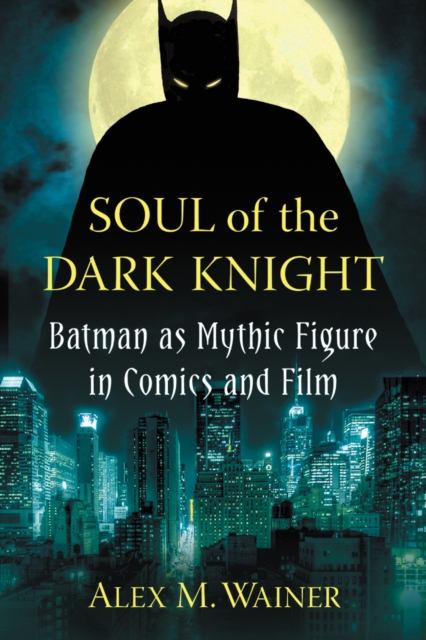
This is a book about the comics genre and language, how these were used to create Batman, and how that character's longevity is largely due to the medium's unique formal qualities.
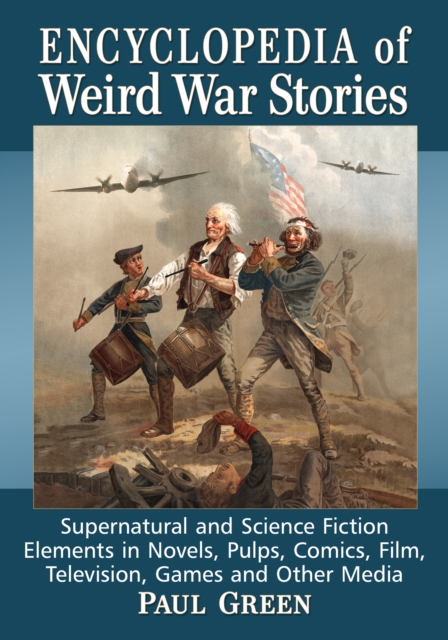
Fictional war narratives often employ haunted battlefields, super-soldiers, time travel, the undead and other imaginative elements of science fiction and fantasy.
This detailed chronological analysis of British World War II movies from 1939 until the present explores how films projected recognizable stereotypes of British national character and how the times in which a film was made shaped its perspectives.
Exploring the pedagogical power of the monstrous, this collection of new essays describes innovative teaching strategies that use our cultural fascination with monsters to enhance learning in high school and college courses.
The 2005 James McTeigue and Wachowski Brothers film V for Vendetta represents a postmodern pastiche, a collection of fragments pasted together from the original Moore and Lloyd graphic novel of the same name, along with numerous allusions to literature, history, cinema, music, art, politics, and medicine.
Exploring image and imagination in conjunction with natural environments, the animal, and the human, this collection of essays turns the ecocritical and ecocompositional gaze upon comic studies.
Since her first appearance in 1992, Harley Quinn--eccentric sidekick to the Joker--has captured the attention of readers like few new characters have in eight decades of Batman comics.
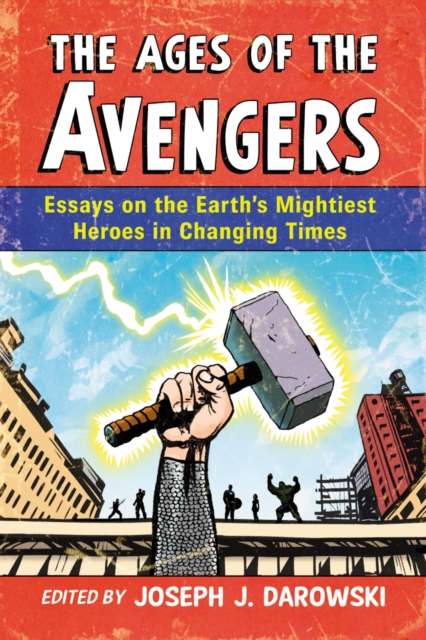
For decades, Marvel Comics' superhero group the Avengers have captured the imagination of millions, whether in comics, multi-billion dollar grossing films or video games.
Central to every vampire story is the undead's need for human blood, but equally compelling is the human ingestion of vampire blood, which often creates a bond.
Since the creation of the comic book, cases of legal conflict and confusion have often arisen where concepts such as public domain, unincorporated entities and moral rights are involved.
Comic book audience expectations have fluctuated dramatically through the years, and comic book creators have had to adapt to shifting reader concerns.
Arkham Asylum for the Criminally Insane is a staple of the Batman universe, evolving into a franchise comprised of comic books, graphic novels, video games, films, television series and more.
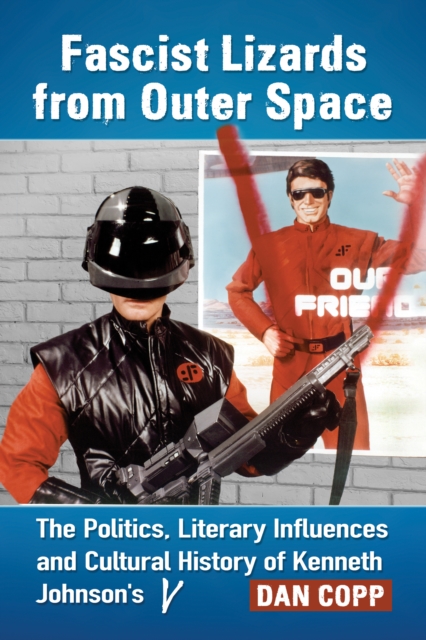
When Kenneth Johnson's science fiction miniseries V premiered in 1983, it netted more than 40 percent of the television viewing audience and went on to spawn a sequel, a weekly series, novelizations, comic books and a remake.
This collection of new essays focuses on The CW network's hit television series Arrow--based on DC Comic's Green Arrow--and its spin-offs The Flash, DC's Legends of Tomorrow and Supergirl.
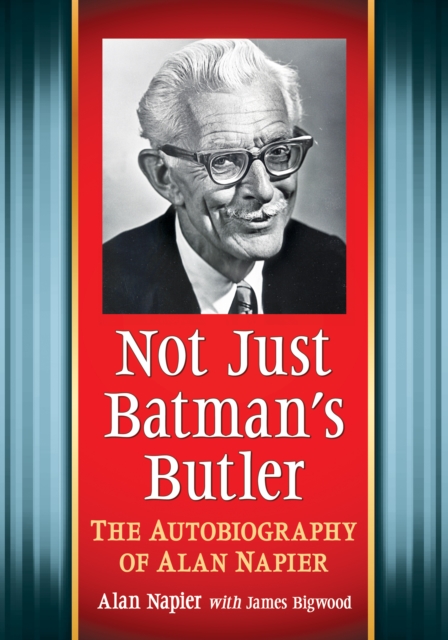
In January 1966, Alan Napier became a household name on ABC's hit series Batman (1966-1968) as Alfred Pennyworth, loyal butler to the show's title character.
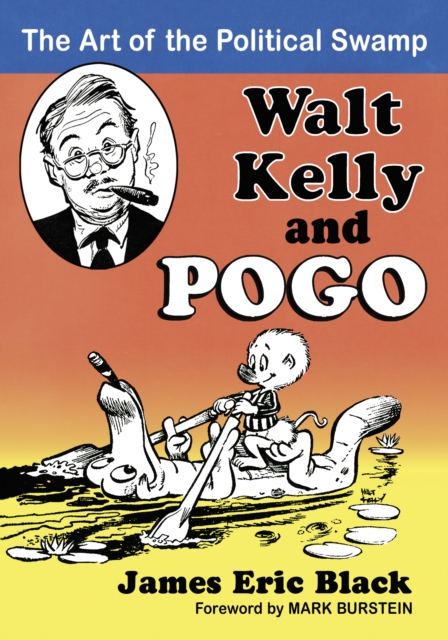
One of the most popular comic strips of the 1950s and the first to reference politics of the day, Walt Kelly's Pogo took on Joe McCarthy before the controversial senator was a blip on Edward R.
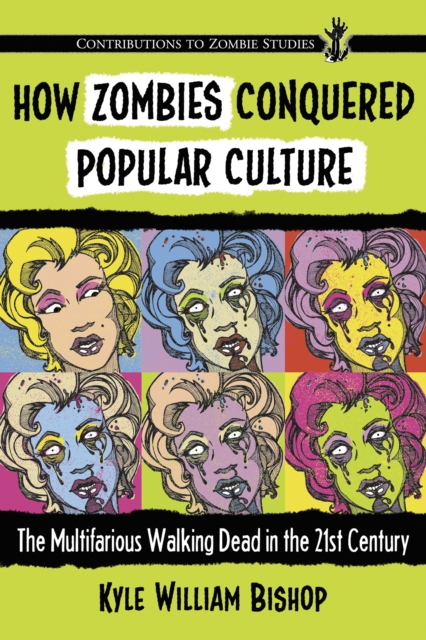
Since the early 2000s, popular culture has experienced a "e;Zombie Renaissance,"e; beginning in film and expanding into books, television, video games, theatre productions, phone apps, collectibles and toys.