Many people around the country deal with problems of mental illness and substance abuse, as well as trouble with finding work, communicating with family members, or being bullied at school.
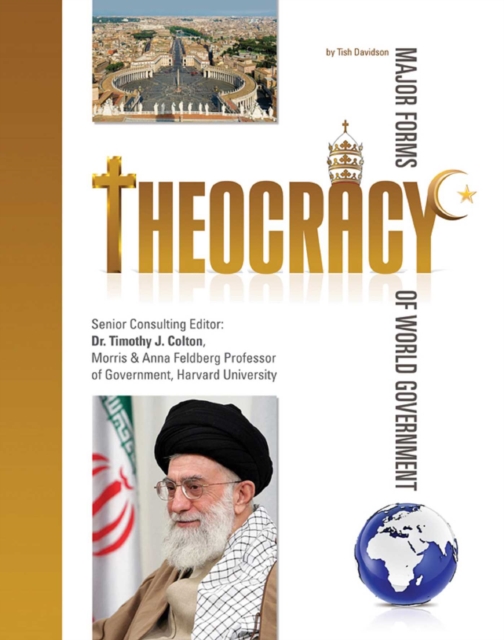
Today, the basic ideas underpinning democracy--that government exists for the benefit of the people, and that it must have their consent to be legitimate--may seem obvious.
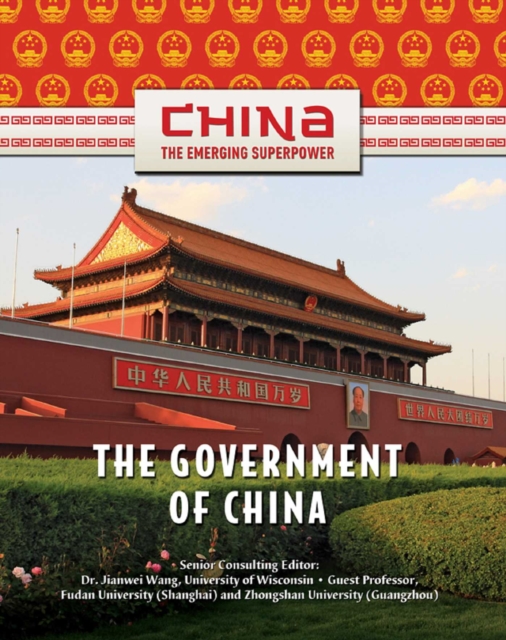
Since its founding in 1949, the People's Republic of China has been a one-party state in which the Chinese Communist Party holds a monopoly of political power.
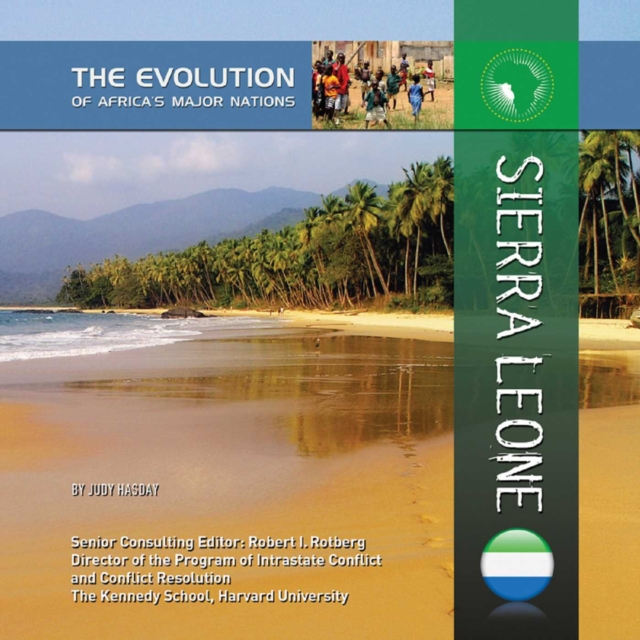
Although graced with picturesque beaches, lush rain forests, and abundant diamond mines, the tiny West African nation of Sierra Leone is a land haunted by tragedy.
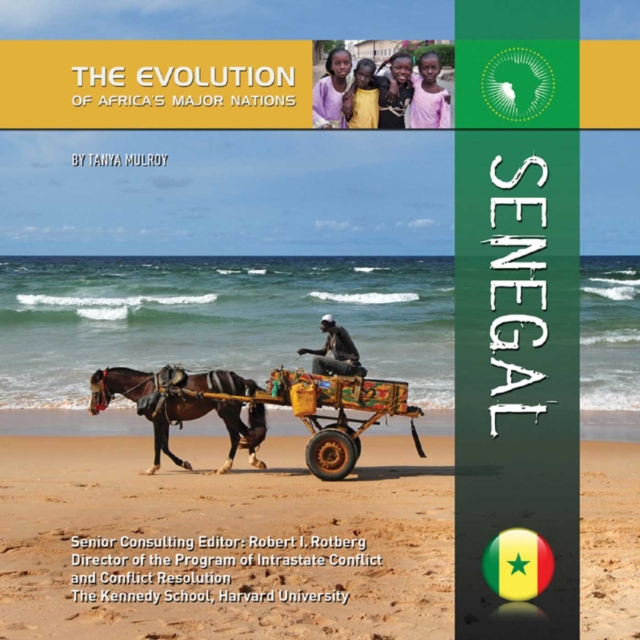
Located on the westernmost point of Africa, Senegal is a land of stunning coastlines, semi-desert sands, fertile river valleys, grassland plains, and tropical rainforests.
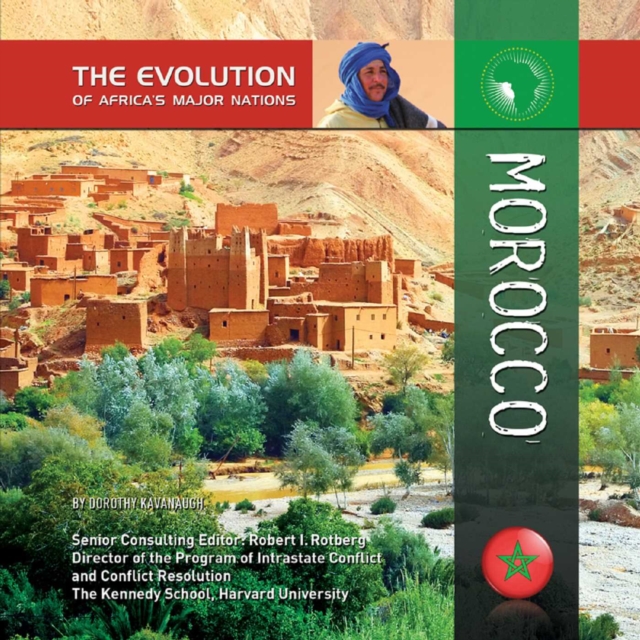
For centuries the Kingdom of Morocco, located in the northwest corner of Africa, has been a crossroads for trade between Europe and sub-Saharan Africa.
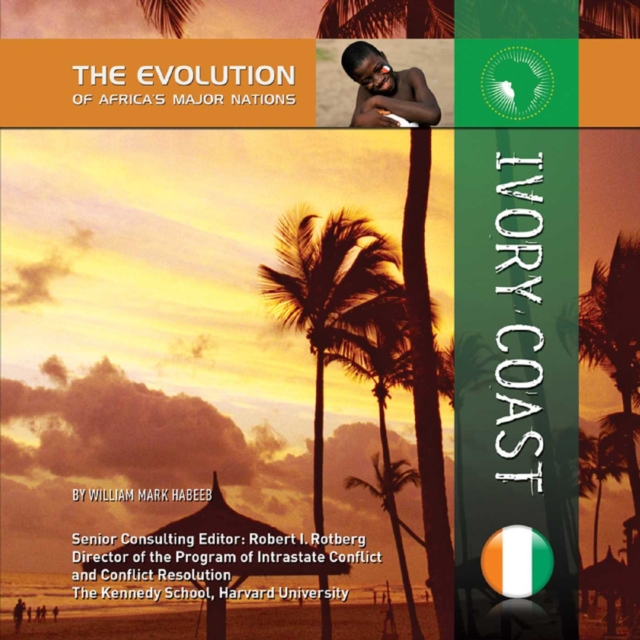
The name of the Ivory Coast (also known as Cote d'Ivoire) comes from its history; at one time, Europeans came to the region to hunt elephants for their valuable ivory.
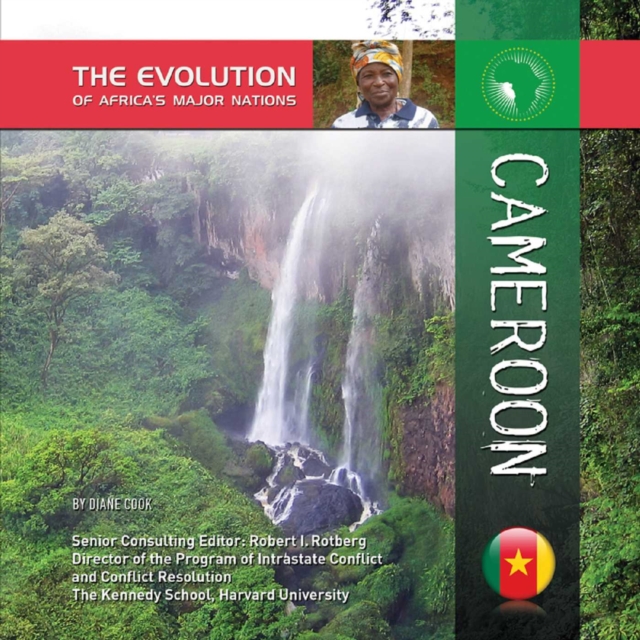
If Cameroon is "e;Africa in miniature,"e; then understanding this California-sized coastal nation takes one closer to capturing the story of this remarkable continent.
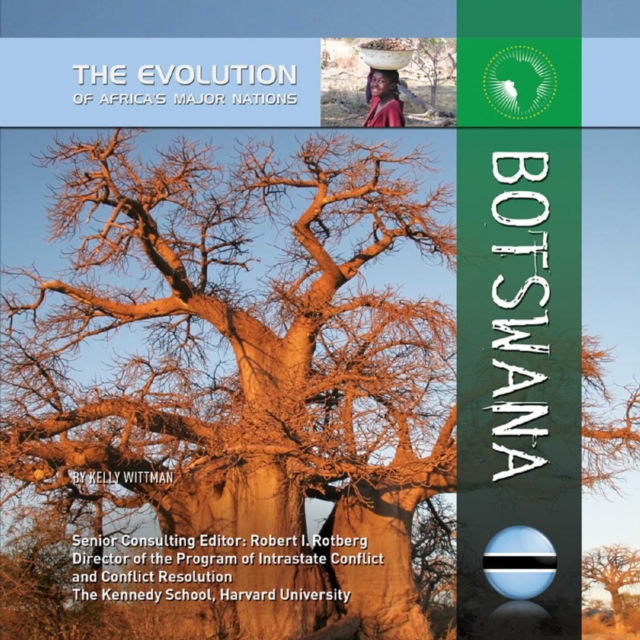
The combination of breathtaking scenic beauty, fabulous wildlife, and peace-loving citizens makes Botswana a favorite of tourists from all over the world.
Rhodesia, a country in southern Africa, was a fairly prosperous British colony until the mid-1960s; however, the black African majority of Rhodesia was ruled by a handful of white leaders.
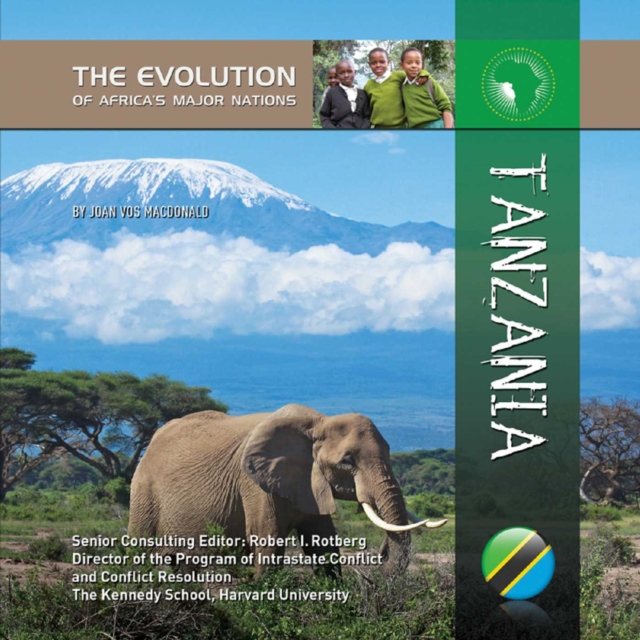
The United Republic of Tanzania was created in the 1960s by the merger of two independent countries: Tanganyika, a territory on mainland East Africa, and the Zanzibar islands in the Indian Ocean.
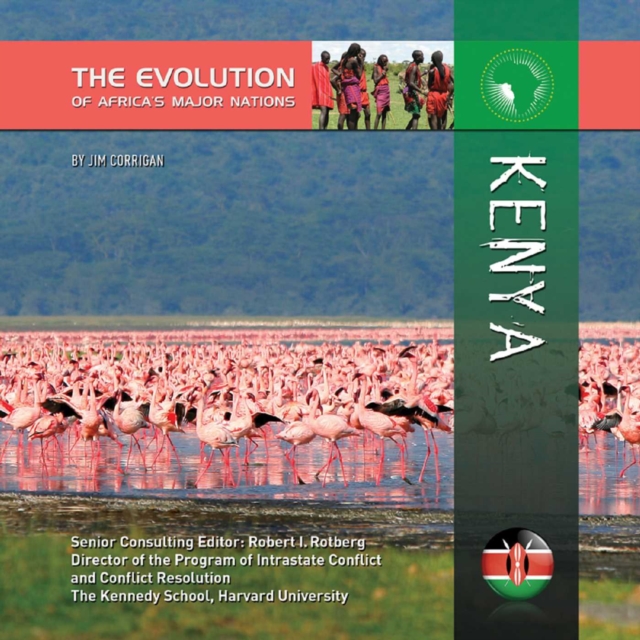
Many anthropologists believe the human species originated in Kenya's Rift Valley, where hominid skulls more than 2 million years old have been discovered.
Pharmacists and workers in the pharmaceutical industry are responsible for developing, producing, and distributing medicines that treat infectious diseases, prevent and treat chronic diseases, or help control diseases in animals.
Throughout history, humans have been finding and developing ever-faster modes of transportation moving from horses to the cars and high-speed jets of today.