A lively and authoritative investigation into the lives of our ancestors, based on the revolution in the field of Bronze Age archaeology which has been taking place in Norfolk and the Fenlands over the last twenty years, and in which the author has played a central role.
An argument that we should be optimistic about the capacity of “methodologically omnivorous” geologists, paleontologists, and archaeologists to uncover truths about the deep past.
The relationship between infrastructure governance and the ways we read and represent waste systems, examined through three waste tracking and participatory sensing projects.
Soils, invaluable indicators of the nature and history of the physical and human landscape, have strongly influenced the cultural record left to archaeologists.
The Global History of Paleopathology is the first comprehensive global compendium on the history of paleopathology, an interdisciplinary scientific discipline that focuses on the study of ancient disease.
This volume explores 15,000 years of indigenous human history on the North American continent, drawing on the latest archaeological theories, time-honored methodologies, and rich datasets.
Soils, invaluable indicators of the nature and history of the physical and human landscape, have strongly influenced the cultural record left to archaeologists.
One afternoon in late April 1859 two geologically minded businessmen, John Evans and Joseph Prestwich, found and photographed the proof for great human antiquity.
One afternoon in late April 1859 two geologically minded businessmen, John Evans and Joseph Prestwich, found and photographed the proof for great human antiquity.
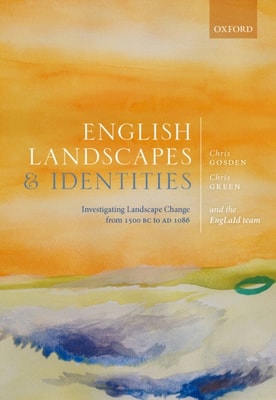
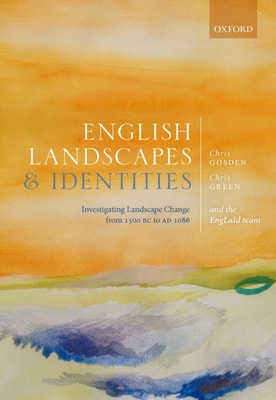
Long before the Norman Conquest of 1066, England saw periods of profound change that transformed the landscape and the identities of those who occupied it.
Long before the Norman Conquest of 1066, England saw periods of profound change that transformed the landscape and the identities of those who occupied it.
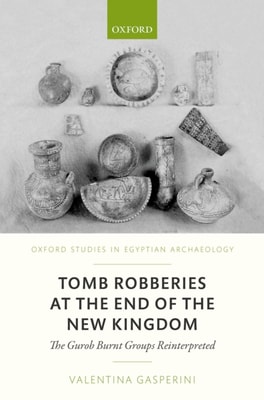
Artefact evidence has the unique power to illuminate many aspects of life that are rarely explored in written sources, yet this potential has been underexploited in research on Roman and Late Antique Egypt.
Artefact evidence has the unique power to illuminate many aspects of life that are rarely explored in written sources, yet this potential has been underexploited in research on Roman and Late Antique Egypt.
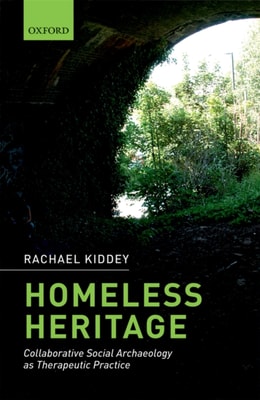
Homeless Heritage describes the process of using archaeological methodologies to collaboratively document how contemporary homeless people use and experience the city.
Contemporary Archaeology and the City foregrounds the archaeological study of post-industrial and other urban transformations through a diverse, international collection of case studies.
Contemporary Archaeology and the City foregrounds the archaeological study of post-industrial and other urban transformations through a diverse, international collection of case studies.
The fiery transformation of the dead is replete in our popular culture and Western modernity's death ways, and yet it is increasingly evident how little this disposal method is understood by archaeologists and students of cognate disciplines in the humanities and social sciences.
The fiery transformation of the dead is replete in our popular culture and Western modernity's death ways, and yet it is increasingly evident how little this disposal method is understood by archaeologists and students of cognate disciplines in the humanities and social sciences.
Mankind's utter dependency on technology extends back approximately three million years to the first stone tools, but it was only with the innovation of hafting, some 300,000 years ago, that technology took its first modern form and revolutionized our social and economic lives.
It has been clear for many years that the ways in which archaeology is practised have been a direct product of a particular set of social, cultural, and historical circumstances - archaeology is always carried out in the present.
It has been clear for many years that the ways in which archaeology is practised have been a direct product of a particular set of social, cultural, and historical circumstances - archaeology is always carried out in the present.
The Oxford Handbook of Historical Ecology and Applied Archaeology presents theoretical discussions, methodological outlines, and case-studies describing the field of overlap between historical ecology and the emerging sub-discipline of applied archaeology to highlight how modern environments and landscapes have been shaped by humans.
The Oxford Handbook of Historical Ecology and Applied Archaeology presents theoretical discussions, methodological outlines, and case-studies describing the field of overlap between historical ecology and the emerging sub-discipline of applied archaeology to highlight how modern environments and landscapes have been shaped by humans.
The Oxford Handbook of the Archaeology of Death and Burial reviews the current state of mortuary archaeology and its practice, highlighting its often contentious place in the modern socio-politics of archaeology.
The Oxford Handbook of the Archaeology of Death and Burial reviews the current state of mortuary archaeology and its practice, highlighting its often contentious place in the modern socio-politics of archaeology.
This entertaining Very Short Introduction reflects the enduring popularity of archaeology - a subject which appeals as a pastime, career, and academic discipline, encompasses the whole globe, and surveys 2.
This entertaining Very Short Introduction reflects the enduring popularity of archaeology - a subject which appeals as a pastime, career, and academic discipline, encompasses the whole globe, and surveys 2.
The Emergent Past approaches archaeological research as an engagement within an assemblage - a particular configuration of materials, things, places, humans, animals, plants, techniques, technologies, forces, and ideas.
Why is it that in some places around the world communities live in villages, while elsewhere people live in isolated houses scattered across the landscape?
While Celtic art includes some of the most famous archaeological artefacts in the British Isles, such as the Battersea shield or the gold torcs from Snettisham, it has often been considered from an art historical point of view.
The environment has always been a central concept for archaeologists and, although it has been conceived in many ways, its role in archaeological explanation has fluctuated from a mere backdrop to human action, to a primary factor in the understanding of society and social change.
The Oxford Handbook of Public Archaeology seeks to reappraise the place of archaeology in the contemporary world by providing a series of essays that critically engage with both old and current debates in the field of public archaeology.
The Oxford Handbook of Public Archaeology seeks to reappraise the place of archaeology in the contemporary world by providing a series of essays that critically engage with both old and current debates in the field of public archaeology.
Sticks, Stones, and Broken Bones: Neolithic Violence in a European Perspective presents an up-to-date overview of the evidence for violent injuries on human skeletons of the Neolithic period in Europe, ranging from 6700 to 2000 BC.