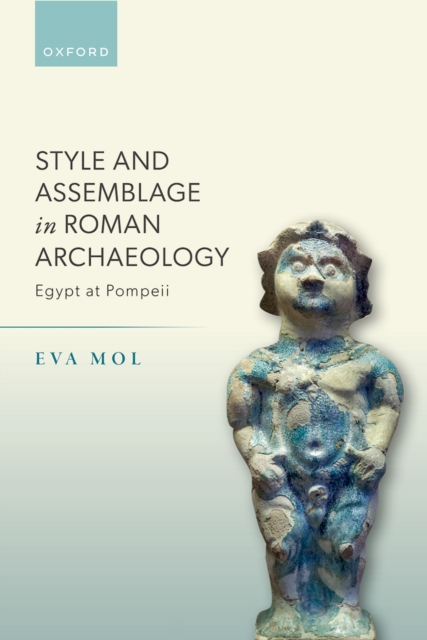
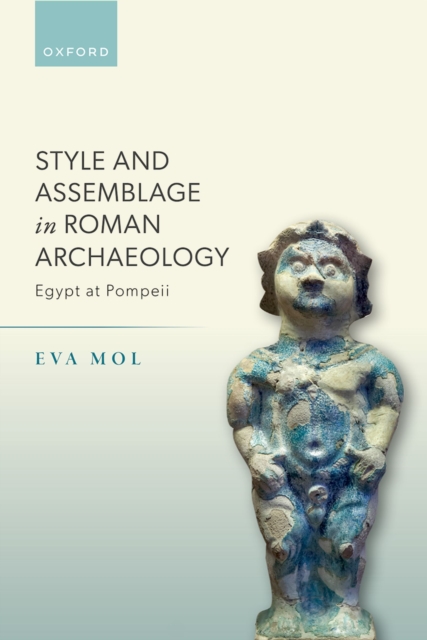
Style and Assemblage in Roman Archaeology proposes a rethinking of the way in which objects, styles, concepts, and people relate in archaeological interpretation, using Egyptian and Egyptian-styled objects from the houses of Roman Pompeii as a case study.
Style and Assemblage in Roman Archaeology proposes a rethinking of the way in which objects, styles, concepts, and people relate in archaeological interpretation, using Egyptian and Egyptian-styled objects from the houses of Roman Pompeii as a case study.
Network research has recently been adopted as one of the tools of the trade in archaeology, used to study a wide range of topics: interactions between island communities, movements through urban spaces, visibility in past landscapes, material culture similarity, exchange, and much more.
Network research has recently been adopted as one of the tools of the trade in archaeology, used to study a wide range of topics: interactions between island communities, movements through urban spaces, visibility in past landscapes, material culture similarity, exchange, and much more.
Blanks, Print, Space, and Void in English Renaissance Literature is an inquiry into the empty spaces encountered not just on the pages of printed books in c.
Blanks, Print, Space, and Void in English Renaissance Literature is an inquiry into the empty spaces encountered not just on the pages of printed books in c.
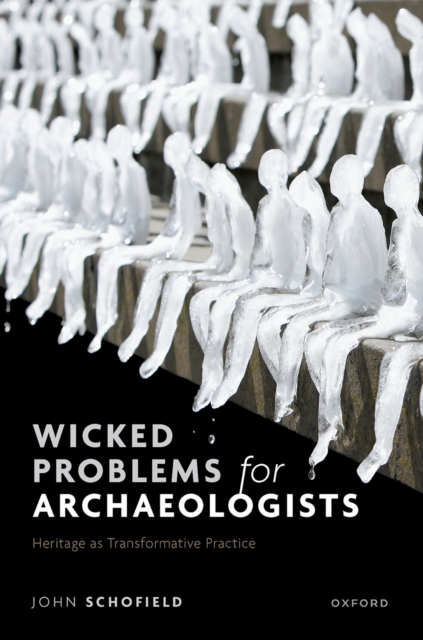
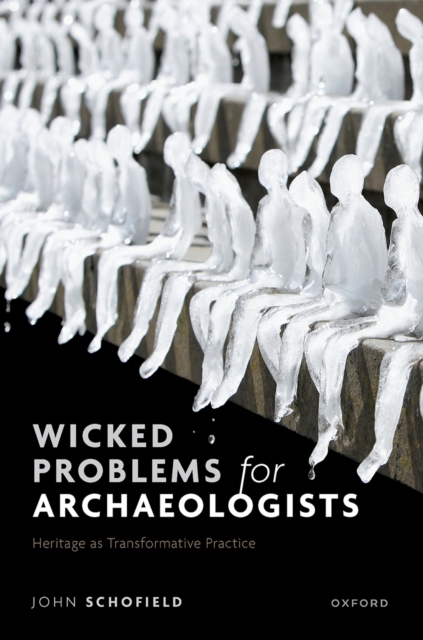
'Wicked Problems' are those problems facing the planet and its inhabitants, present and future, which are hard (if not impossible) to resolve and for which bold, creative, and messy solutions are typically required.
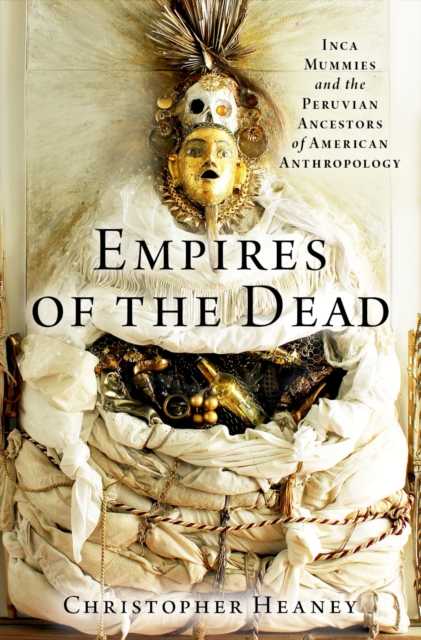
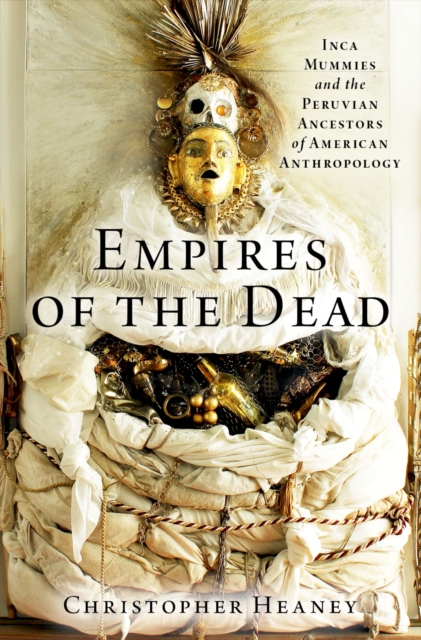
When the Smithsonian's Hall of Physical Anthropology opened in 1965 it featured 160 Andean skulls affixed to a wall to visualize how the world's human population had exploded since the birth of Christ.
When the Smithsonian's Hall of Physical Anthropology opened in 1965 it featured 160 Andean skulls affixed to a wall to visualize how the world's human population had exploded since the birth of Christ.
'Wicked Problems' are those problems facing the planet and its inhabitants, present and future, which are hard (if not impossible) to resolve and for which bold, creative, and messy solutions are typically required.
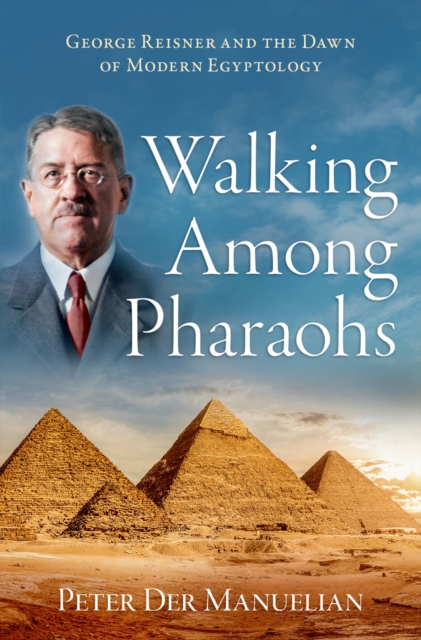
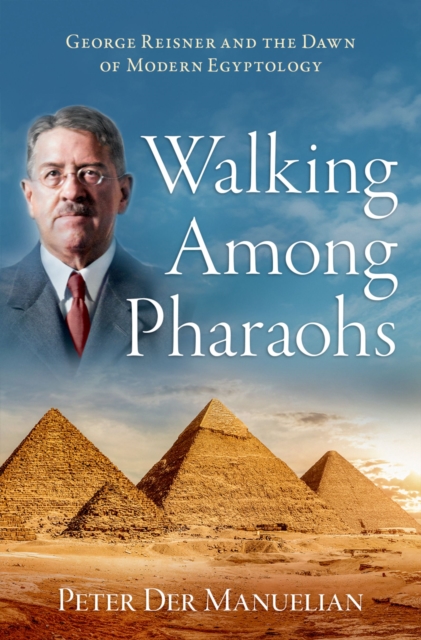
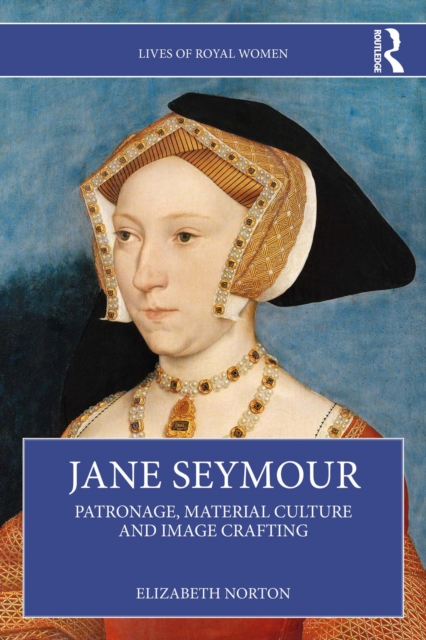
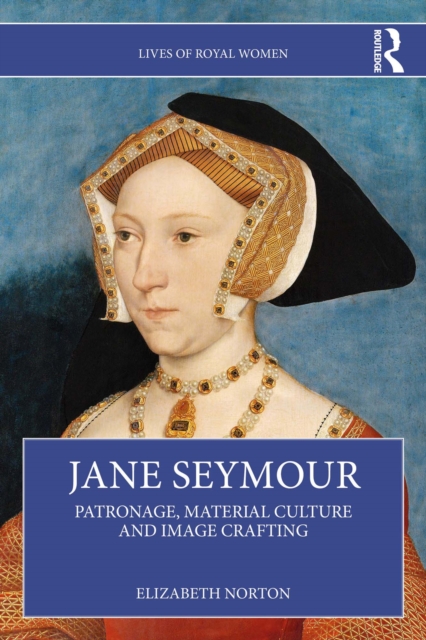
Jane Seymour, the third wife of Henry VIII, was queen of England for only seventeen months, something which has accounted for the little interest shown in her by historians.
Developing a new understanding of the cultural relationships of humans with nature through heritage and tradition, this book examines ways of transforming these relationships sustainably and assesses the impact on policy related actions for ecologically embedded futures, drawing particularly on case studies from the European north.
Developing a new understanding of the cultural relationships of humans with nature through heritage and tradition, this book examines ways of transforming these relationships sustainably and assesses the impact on policy related actions for ecologically embedded futures, drawing particularly on case studies from the European north.
Jane Seymour, the third wife of Henry VIII, was queen of England for only seventeen months, something which has accounted for the little interest shown in her by historians.
This book examines the origins, development, and current state of myths surrounding 'lost civilizations' and, more importantly, how these myths contribute to modern political ideologies.
This book examines the origins, development, and current state of myths surrounding 'lost civilizations' and, more importantly, how these myths contribute to modern political ideologies.
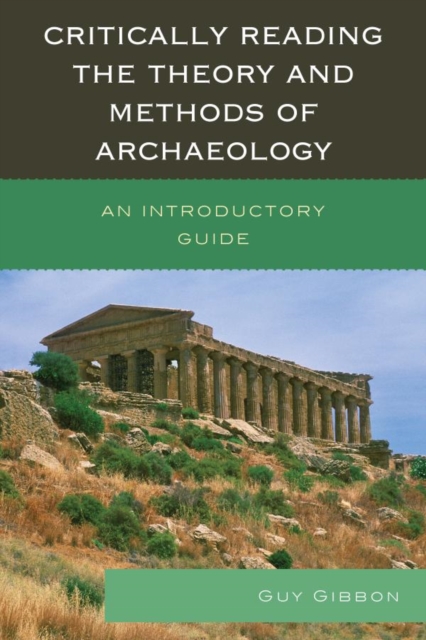
Critically Reading the Theory and Methods of Archaeology stands out as the most thorough and practical guide to the essential critical reading and writing skills that all students, instructors, and practitioners should have.
Critically Reading the Theory and Methods of Archaeology stands out as the most thorough and practical guide to the essential critical reading and writing skills that all students, instructors, and practitioners should have.
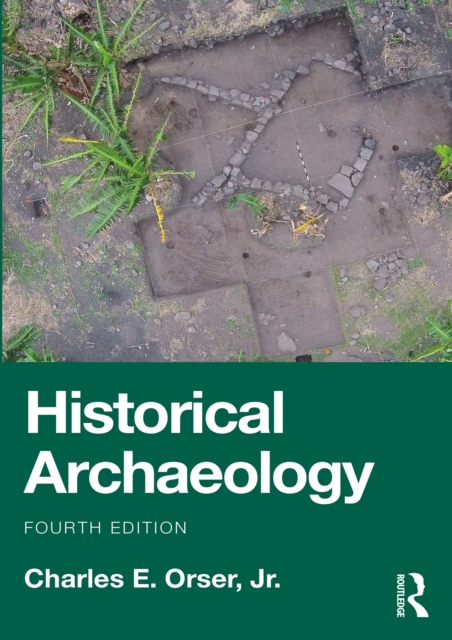
Historical Archaeology offers students a comprehensive and accessible introduction to historical archaeology and highlights the regional, cultural, and ethnic diversity of the modern historical period.
Historical Archaeology offers students a comprehensive and accessible introduction to historical archaeology and highlights the regional, cultural, and ethnic diversity of the modern historical period.
Indigenous Archaeology in Two Hemispheres: Approaches to Inuit and First Nations Pasts in Canada, Australia and Greenland examines the history and current experiences of Inuit and Australian First Nations peoples in archaeology.
Indigenous Archaeology in Two Hemispheres: Approaches to Inuit and First Nations Pasts in Canada, Australia and Greenland examines the history and current experiences of Inuit and Australian First Nations peoples in archaeology.
The identification of ceramic imports within prehistoric and historic assemblages has long been the primary indicator for identifying connections between different sites and regions.
The identification of ceramic imports within prehistoric and historic assemblages has long been the primary indicator for identifying connections between different sites and regions.
This book examines our understanding of the ways in which we produce and consume archaeological knowledge and proposes that this should play a greater role in our attempts to describe and comprehend the nature and purpose of archaeology, and the nature of archaeological knowledge.
This book examines our understanding of the ways in which we produce and consume archaeological knowledge and proposes that this should play a greater role in our attempts to describe and comprehend the nature and purpose of archaeology, and the nature of archaeological knowledge.
This book provides the first account of the Isonzo/Soca frontline through the multidisciplinary lens of modern conflict archaeology, offering unique insights into multilayered conflict landscapes of the Soca Front.
This book provides the first account of the Isonzo/Soca frontline through the multidisciplinary lens of modern conflict archaeology, offering unique insights into multilayered conflict landscapes of the Soca Front.
The Archaeological Challenge of Gender asks, what do we know about the relations between men and women in past societies, and on what basis is this knowledge built?