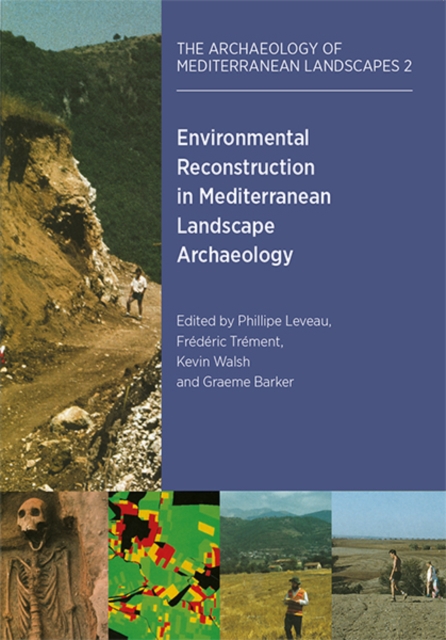
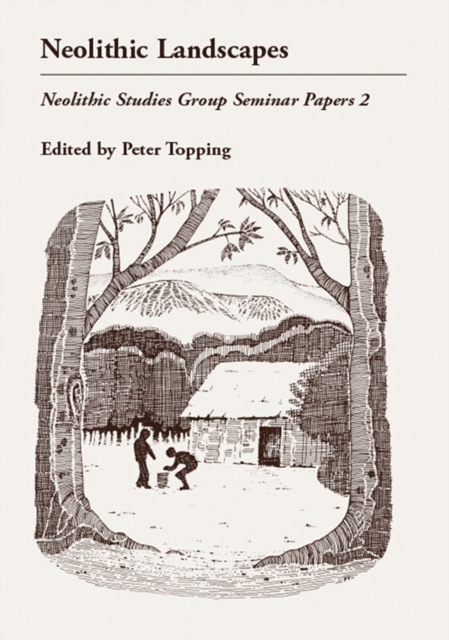
Contents include: Introduction ( K Walsh ); Palynology ( S Bottema ); A database for the palynological recording of human activity ( V Andrieu, E Brugiapaglia, R Cheddadi, M Reille and J-L de Beaulieu ); The contribution of anthracology ( J-L Vernet ); Dendroclimatology ( F Guibal ); Techniques in Landscape Archaeology ( A G Brown ); L'apport de la micromorphologie des sols ( N Fédoroff ); Reconstructing past soil environments ( R S Shiel ); The Geochemistry of Soil Sediments ( D D Gilbertson and J P Grattam ); Searching the Ports of Troy ( E Zanagger, M Timpson, S Yazvenko and H Leiermann ); The pontine region in central Italy ( P Attema, J Delvigne and B J Haagsma ); Population pressure on agricultural resources in Karstic landscapes ( P Novacovic, H Simoni and B Music ); La Pianura padana centrale tra il Bronzo Medio ed il Bronzo finale ( M Cremaschi ); The ancient ports of Marseille and Fos, Provence, southern France ( C Vella, C Morhange and M Provansal ); The evolution of field systems in the middle Rhône valley ( J-F Berger and C Jung ); La línea de Costa en época histórica en el Golfo de Valencia ( P Carmona ); The Vallée des Baux, Southern France ( P Leveau ); The étang de Berre, southern France ( F Trément ); Geoarchaeology in mediterranean landscape archaeology ( G Barker and J Bintliff ).
Contents include: Introduction ( K Walsh ); Palynology ( S Bottema ); A database for the palynological recording of human activity ( V Andrieu, E Brugiapaglia, R Cheddadi, M Reille and J-L de Beaulieu ); The contribution of anthracology ( J-L Vernet ); Dendroclimatology ( F Guibal ); Techniques in Landscape Archaeology ( A G Brown ); L'apport de la micromorphologie des sols ( N Fédoroff ); Reconstructing past soil environments ( R S Shiel ); The Geochemistry of Soil Sediments ( D D Gilbertson and J P Grattam ); Searching the Ports of Troy ( E Zanagger, M Timpson, S Yazvenko and H Leiermann ); The pontine region in central Italy ( P Attema, J Delvigne and B J Haagsma ); Population pressure on agricultural resources in Karstic landscapes ( P Novacovic, H Simoni and B Music ); La Pianura padana centrale tra il Bronzo Medio ed il Bronzo finale ( M Cremaschi ); The ancient ports of Marseille and Fos, Provence, southern France ( C Vella, C Morhange and M Provansal ); The evolution of field systems in the middle Rhône valley ( J-F Berger and C Jung ); La línea de Costa en época histórica en el Golfo de Valencia ( P Carmona ); The Vallée des Baux, Southern France ( P Leveau ); The étang de Berre, southern France ( F Trément ); Geoarchaeology in mediterranean landscape archaeology ( G Barker and J Bintliff ).
The concept of a socially constructed space of human activity in areas of everyday actions, as initially proposed in the field of anthropology by Tim Ingold, has actually been much more applied in archaeology.
The concept of a socially constructed space of human activity in areas of everyday actions, as initially proposed in the field of anthropology by Tim Ingold, has actually been much more applied in archaeology.
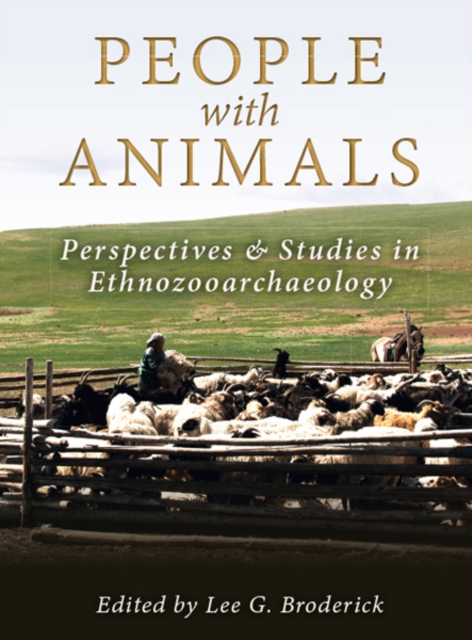
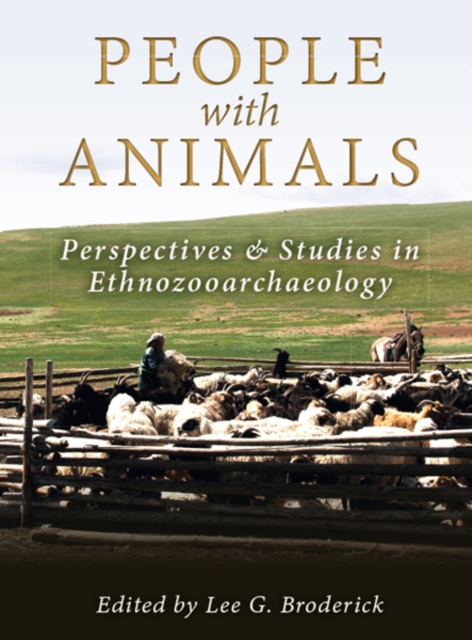
People with Animals emphasizes the interdependence of people and animals in society, and contributors examine the variety of forms and time-depth that these relations can take.
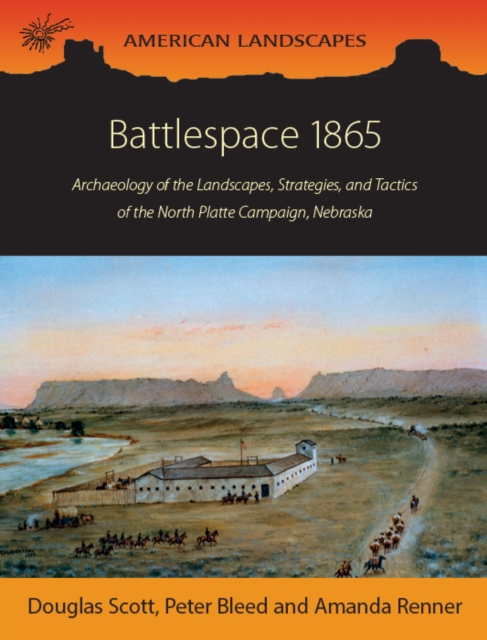
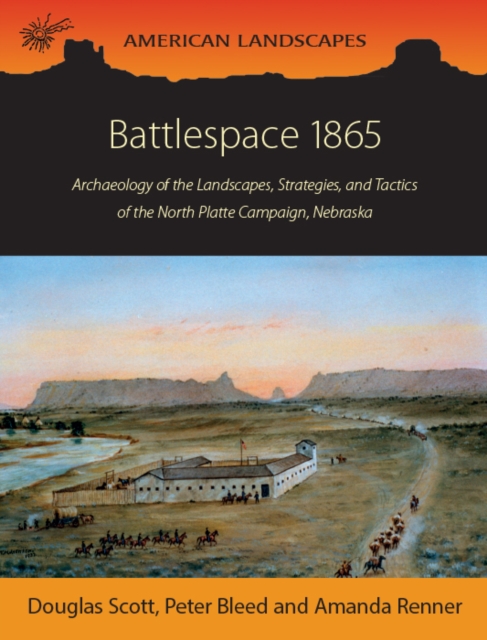
For a period of about week in February 1865, as the Civil War was winding down and Plains Indian communities were reeling in the wake of the Sand Creek massacre, combat swept across the Nebraska panhandle, especially along the Platte River.
For a period of about week in February 1865, as the Civil War was winding down and Plains Indian communities were reeling in the wake of the Sand Creek massacre, combat swept across the Nebraska panhandle, especially along the Platte River.
People with Animals emphasizes the interdependence of people and animals in society, and contributors examine the variety of forms and time-depth that these relations can take.
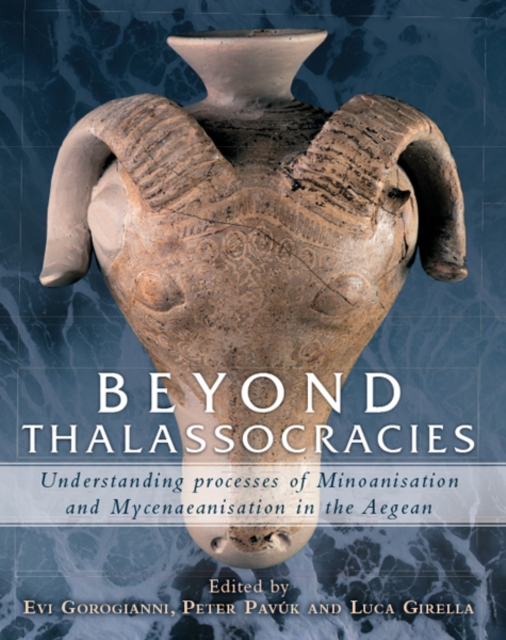
Beyond Thalassocracies aims to evaluate and rethink the manner in which archaeologists approach, understand, and analyze the various processes associated with culture change connected to interregional contact, using as a test case the world of the Aegean during the Late Bronze Age (c.
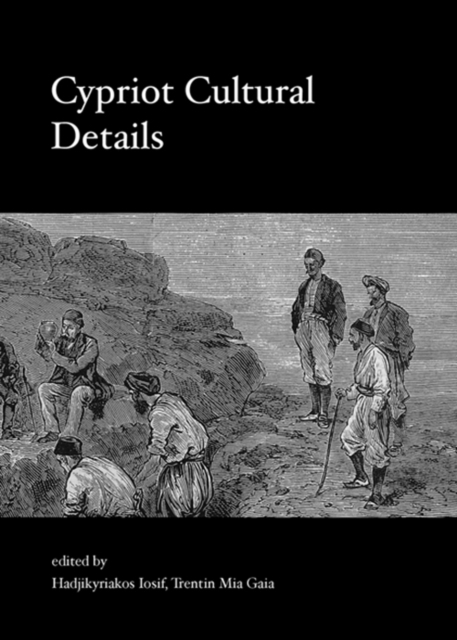
There are countless references to Cyprus in Venice: in palaces, primarily that of Queen Caterina Corner, in the church of Saints Giovanni e Paolo, where the skin of Mark Antonius Bragadin (the staunch defender of Famagusta) is guarded, in the spices, and especially in the wine of Cyprus (Commandaria), that is today still recalled in Venetian sayings.
In 2014, the Joukowsky Institute for Archaeology and the Ancient World organized an international writing competition calling for accessible and engaging essays about any aspect of archaeology.
Incomplete Archaeologies takes a familiar archaeological concept – assemblages – and reconsiders such groupings, collections and sets of things from the perspective of the work required to assemble them.
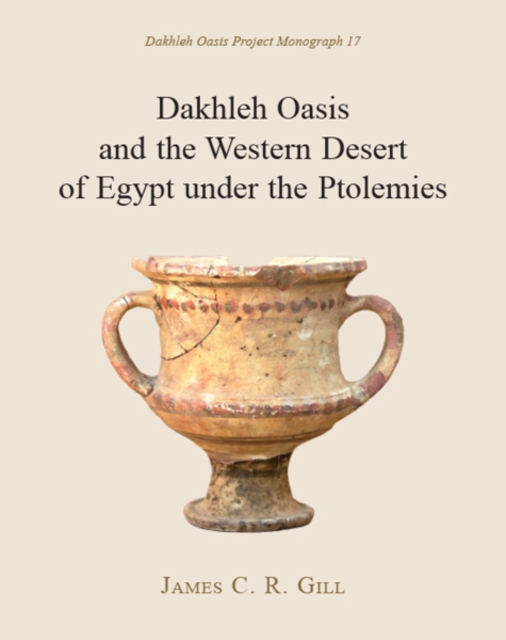
Through an analysis of recently discovered Ptolemaic pottery from Mut al-Kharab, as well as a reexamination of pottery collected by the Dakhleh Oasis Project during the survey of the oasis from 1978–1987, this book challenges the common perception that Dakhleh Oasis experienced a sudden increase in agricultural exploitation and a dramatic rise in population during the Roman Period.
Through an analysis of recently discovered Ptolemaic pottery from Mut al-Kharab, as well as a reexamination of pottery collected by the Dakhleh Oasis Project during the survey of the oasis from 1978–1987, this book challenges the common perception that Dakhleh Oasis experienced a sudden increase in agricultural exploitation and a dramatic rise in population during the Roman Period.
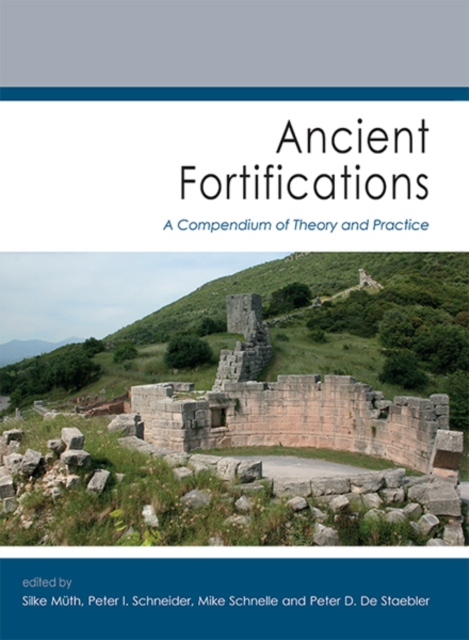
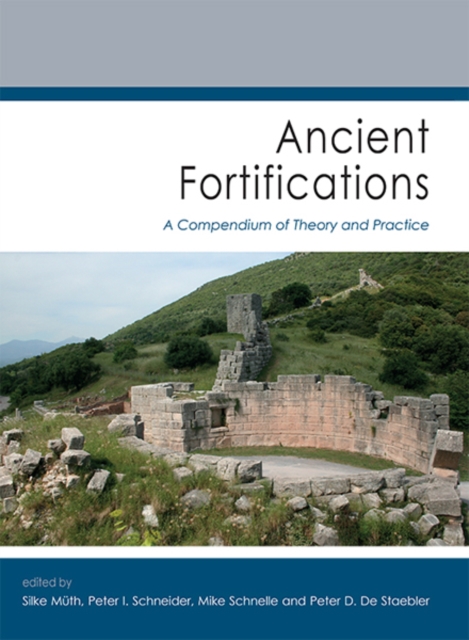
Dedicated to the investigation of fortifications as important and integral elements of ancient built space, the present volume results from the activity of the German based international research network Fokus Fortifikation.
Dedicated to the investigation of fortifications as important and integral elements of ancient built space, the present volume results from the activity of the German based international research network Fokus Fortifikation.
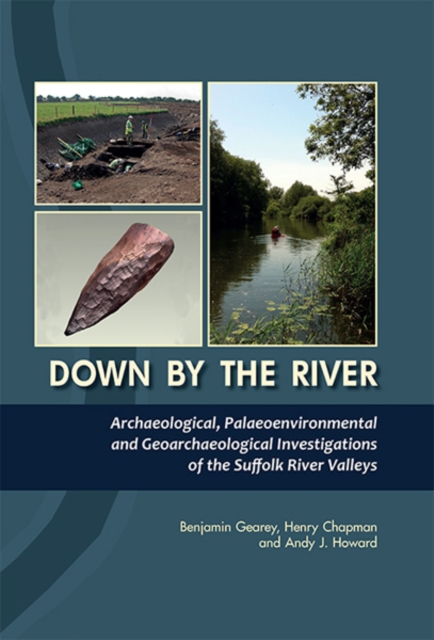
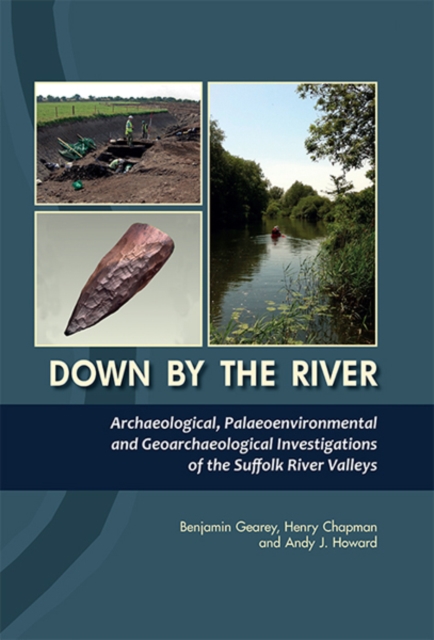
East Anglia has long been known for its internationally significant cultural and environmental Palaeolithic archaeology, often overshadowing the potential of its Holocene resource.
East Anglia has long been known for its internationally significant cultural and environmental Palaeolithic archaeology, often overshadowing the potential of its Holocene resource.
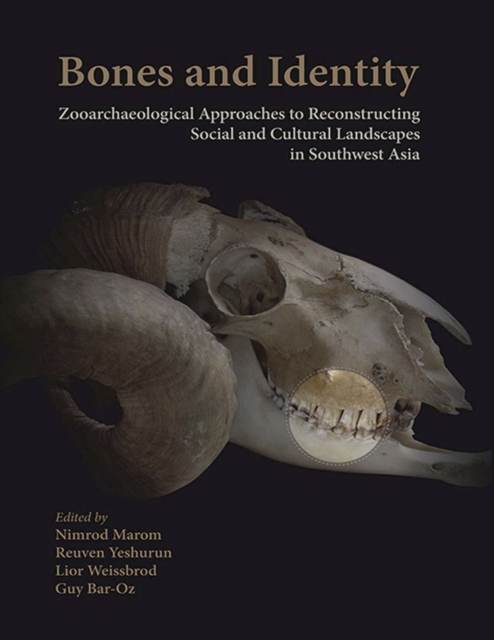
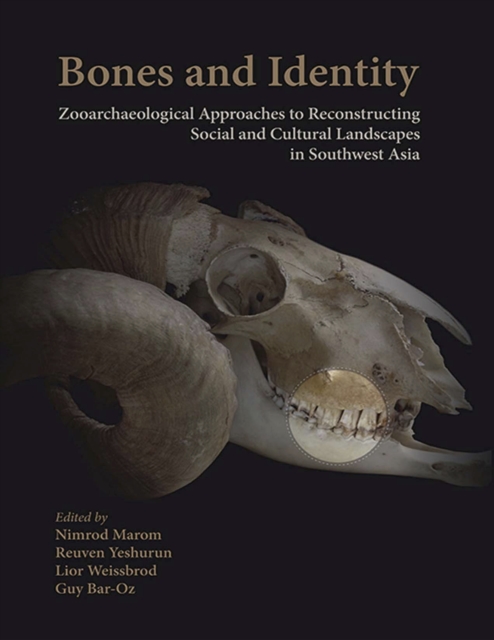
Seventeen papers demonstrate how zooarchaeologists engage with questions of identity through culinary references, livestock husbandry practices and land use.
Seventeen papers demonstrate how zooarchaeologists engage with questions of identity through culinary references, livestock husbandry practices and land use.
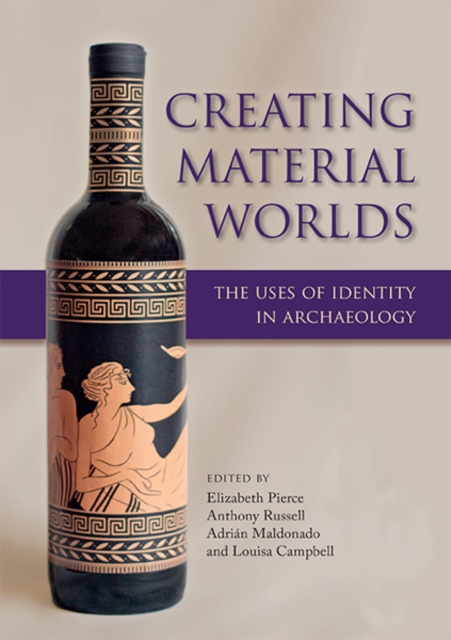
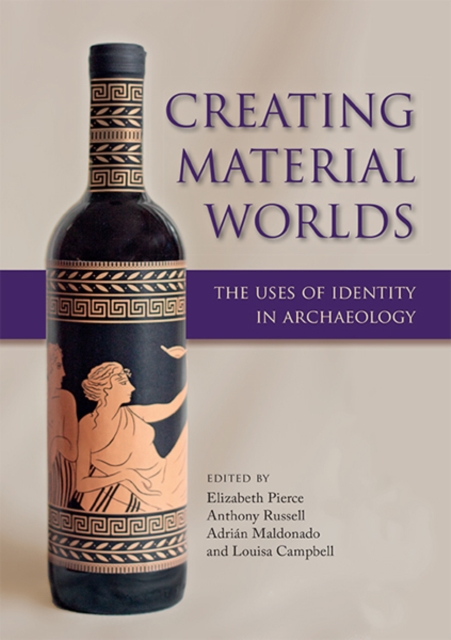
Despite a growing literature on identity theory in the last two decades, much of its current use in archaeology is still driven toward locating and dating static categories such as ‘Phoenician’, ‘Christian’ or ‘native’.
Despite a growing literature on identity theory in the last two decades, much of its current use in archaeology is still driven toward locating and dating static categories such as ‘Phoenician’, ‘Christian’ or ‘native’.
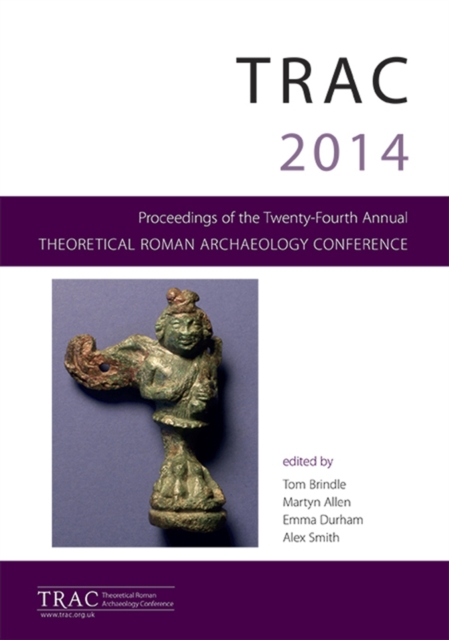
The 2015 TRAC proceedings feature a selection of 14 papers summing up some of the key sessions presented at the conference held at the University of Leicester in March 2015, which drew over 180 delegates of 17 nationalities from a variety of universities, museums, and research institutions in the UK, Europe, and North America.