The Sacred Identity of Ephesos offers a full-length interpretation of one of the largest known bequests in the Classical world, made to the city of Ephesos in AD 104 by a wealthy Roman equestrian, and challenges some of the basic assumptions made about the significance of the Greek cultural renaissance known as the 'Second Sophistic'.
The Sacred Identity of Ephesos offers a full-length interpretation of one of the largest known bequests in the Classical world, made to the city of Ephesos in AD 104 by a wealthy Roman equestrian, and challenges some of the basic assumptions made about the significance of the Greek cultural renaissance known as the 'Second Sophistic'.
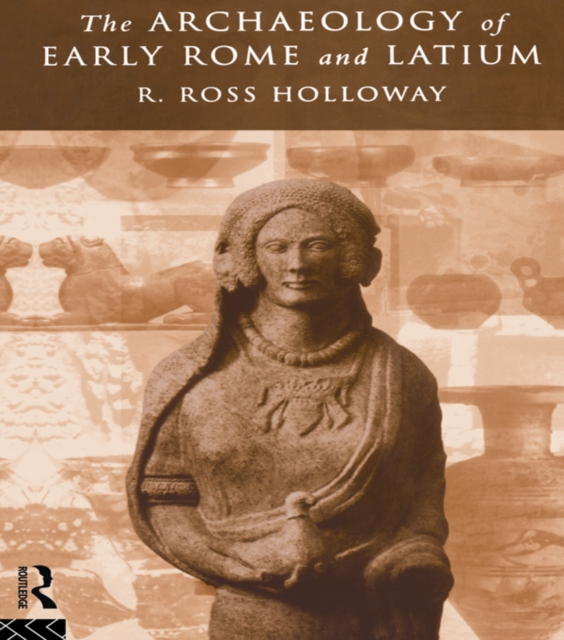
The archaeology of early Rome has progressed rapidly and dramatically over the last century; most recently with the discovery of the shrine of Aeneas at Lavinium and the reports of the walls of the Romulan city discovered on the city slopes of the Palatine Hill.
The archaeology of early Rome has progressed rapidly and dramatically over the last century; most recently with the discovery of the shrine of Aeneas at Lavinium and the reports of the walls of the Romulan city discovered on the city slopes of the Palatine Hill.
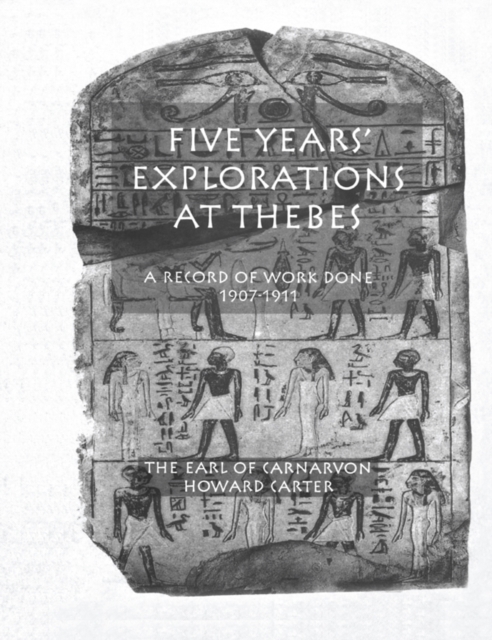
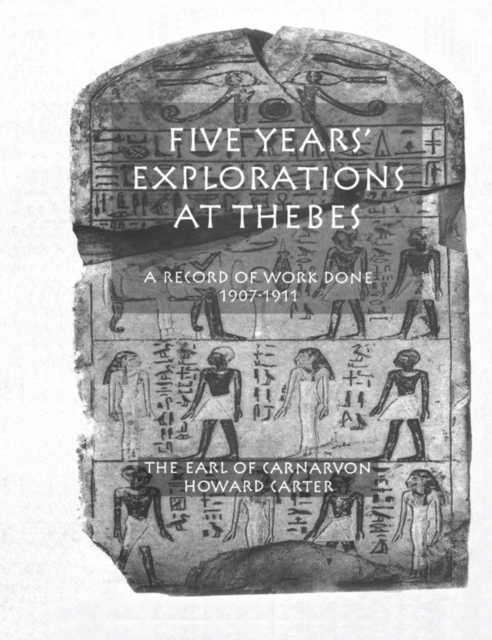
This work was published in 1912 as a record of the pioneering and most significant excavation undertaken at Thebes by Howard Carter and his team under the patronage of Lord Carnarvon.
This work was published in 1912 as a record of the pioneering and most significant excavation undertaken at Thebes by Howard Carter and his team under the patronage of Lord Carnarvon.
This book offers a comprehensive overview of the tombs of Pompeii and its immediate environs, examining the funerary culture of the population, delving into the importance of social class and self-representation, and developing a broad understanding of Pompeii's funerary epigraphy and business.
This book offers a comprehensive overview of the tombs of Pompeii and its immediate environs, examining the funerary culture of the population, delving into the importance of social class and self-representation, and developing a broad understanding of Pompeii's funerary epigraphy and business.
No country is as rich in field antiquities as Ireland, and this work gives an account in simple language of the origin, purpose, date and distribution of all classes of monuments with the exception of ecclesiastical remains and medieval castles.
No country is as rich in field antiquities as Ireland, and this work gives an account in simple language of the origin, purpose, date and distribution of all classes of monuments with the exception of ecclesiastical remains and medieval castles.
The archaeological monuments known as souterrains, particularly characteristic of eastern Scotland from Aberdeenshire to Fife, have long been a mystery.
The archaeological monuments known as souterrains, particularly characteristic of eastern Scotland from Aberdeenshire to Fife, have long been a mystery.
Darius I, King of Persia, claims to have accomplished many deeds in the early years of his reign, but was one of them the rebuilding of the temple in Jerusalem?
Darius I, King of Persia, claims to have accomplished many deeds in the early years of his reign, but was one of them the rebuilding of the temple in Jerusalem?
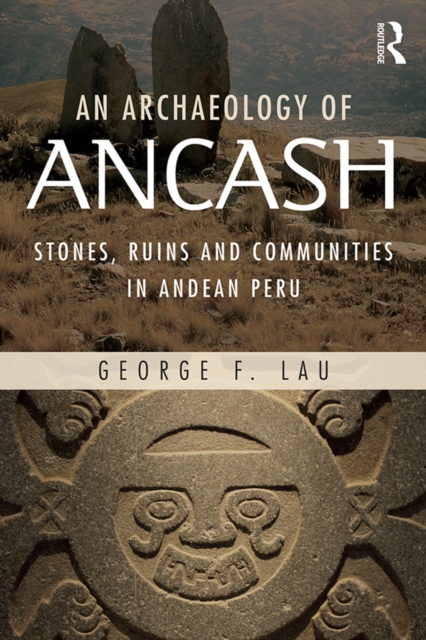
An Archaeology of Ancash is a well-illustrated synthesis of the archaeology of North Central Peru, and specifically the stone structures of the Ancash region.
An Archaeology of Ancash is a well-illustrated synthesis of the archaeology of North Central Peru, and specifically the stone structures of the Ancash region.
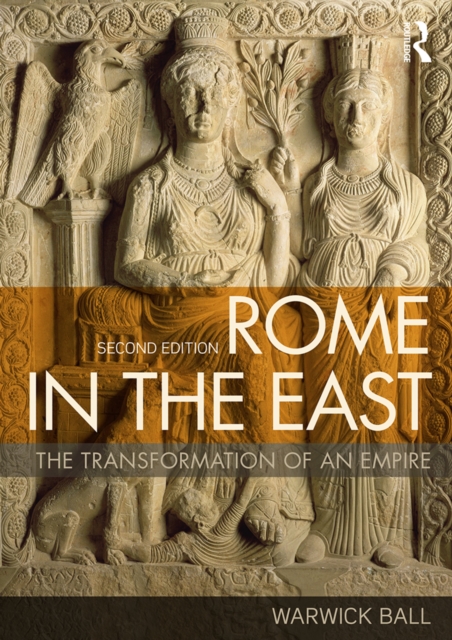
This new edition of Rome in the East expands on the seminal work of the first edition, and examines the lasting impact of the near Eastern influence on Rome on our understanding of the development of European culture.
This new edition of Rome in the East expands on the seminal work of the first edition, and examines the lasting impact of the near Eastern influence on Rome on our understanding of the development of European culture.
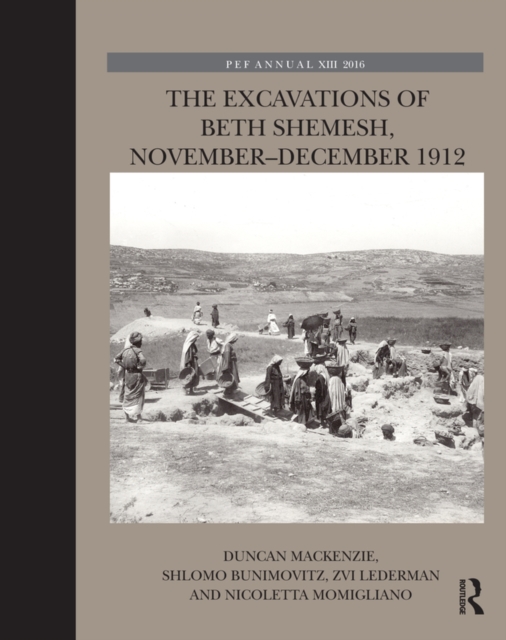
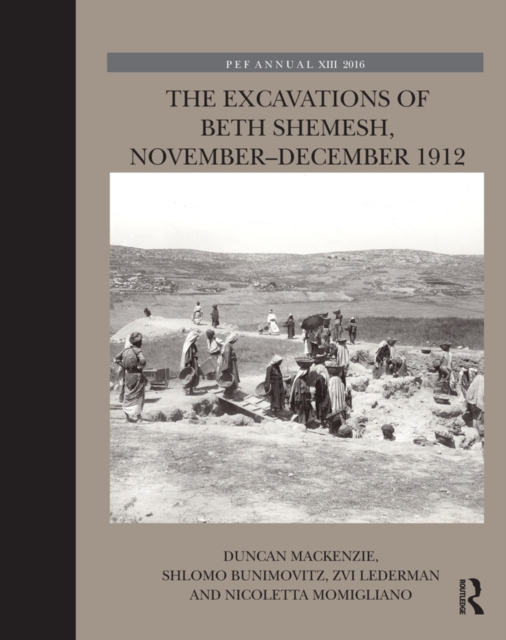
In 1909 the Scottish archaeologist Duncan Mackenzie, Sir Arthur Evans's right-hand man on the excavations of the legendary 'Palace of Minos' at Knossos since 1900, was appointed 'Explorer' of the Palestine Exploration Fund (PEF).
In 1909 the Scottish archaeologist Duncan Mackenzie, Sir Arthur Evans's right-hand man on the excavations of the legendary 'Palace of Minos' at Knossos since 1900, was appointed 'Explorer' of the Palestine Exploration Fund (PEF).