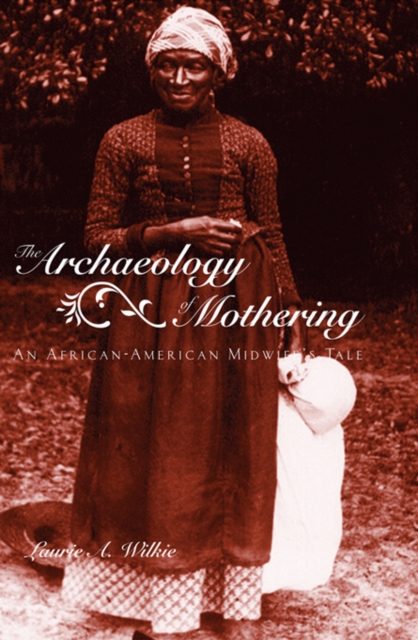
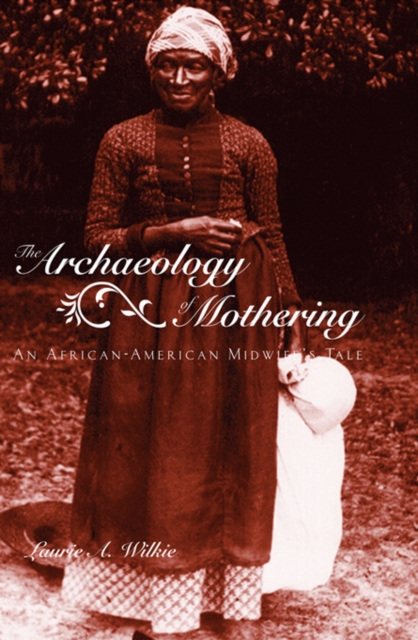
Using archaeological materials recovered from a housesite in Mobile, Alabama, Laurie Wilkie explores how one extended African-American family engaged with competing and conflicting mothering ideologies in the post-Emancipation South.
Using archaeological materials recovered from a housesite in Mobile, Alabama, Laurie Wilkie explores how one extended African-American family engaged with competing and conflicting mothering ideologies in the post-Emancipation South.
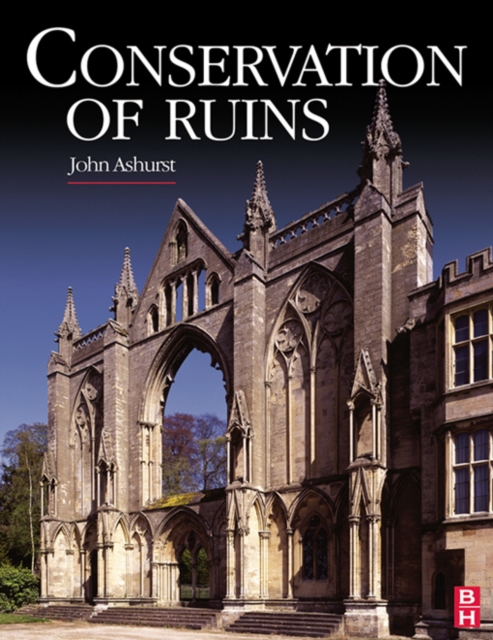
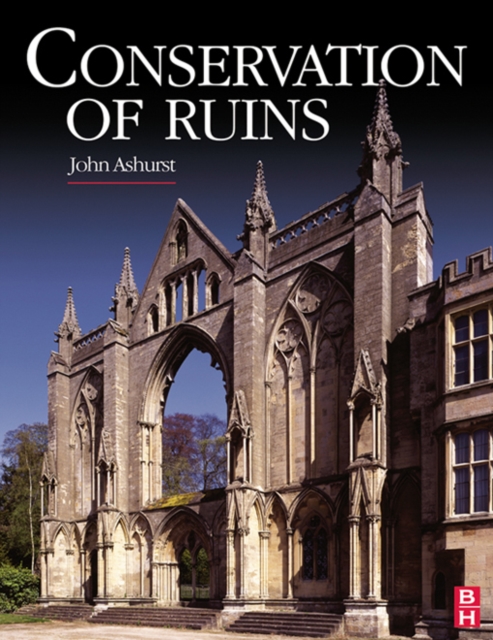
Despite growing international awareness of the presence and significance of ruined buildings and archaeological sites, and the increasingly sophisticated technology available for the collection of data about them, these sites continue to be at risk across the globe.
Despite growing international awareness of the presence and significance of ruined buildings and archaeological sites, and the increasingly sophisticated technology available for the collection of data about them, these sites continue to be at risk across the globe.
There is no synthetic or comprehensive treatment of any late Roman frontier in the English language to date, despite the political and economic significance of the frontiers in the late antique period.
There is no synthetic or comprehensive treatment of any late Roman frontier in the English language to date, despite the political and economic significance of the frontiers in the late antique period.
First published in 1906, this archaeological examination of the ruins of Zimbabwe, Rhodesia's pre-historic monument, asserted that it was African in origin, belonging to the medieval period.
First published in 1906, this archaeological examination of the ruins of Zimbabwe, Rhodesia's pre-historic monument, asserted that it was African in origin, belonging to the medieval period.
This volume explores why natural places such as caves, mountains, springs and rivers assumed a sacred character in European prehistory, and how the evidence for this can be analysed in the field.
This volume explores why natural places such as caves, mountains, springs and rivers assumed a sacred character in European prehistory, and how the evidence for this can be analysed in the field.
"e;Lepcis Magna"e;, one of the greatest of the Roman cities of North Africa and one of the most famous archaeological sites in the Mediterranean, was situated in the region of Tripolitania.
"e;Lepcis Magna"e;, one of the greatest of the Roman cities of North Africa and one of the most famous archaeological sites in the Mediterranean, was situated in the region of Tripolitania.
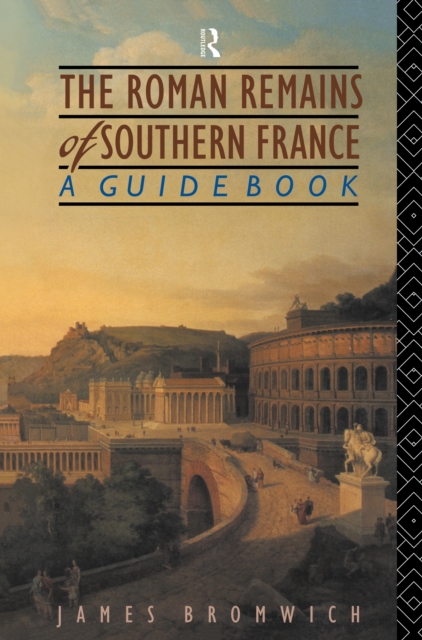
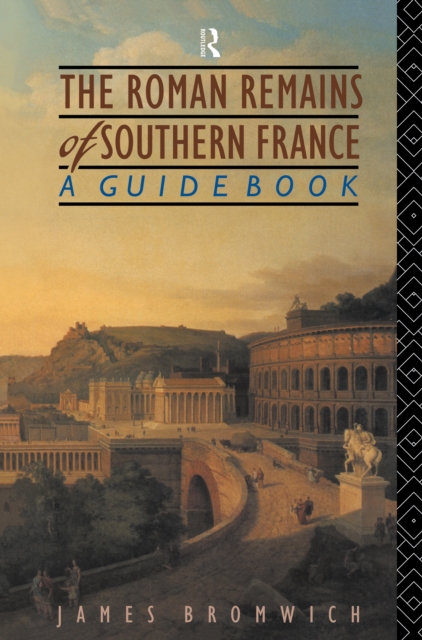
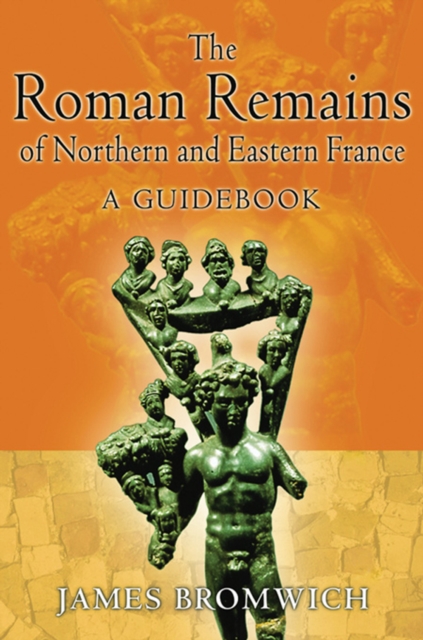
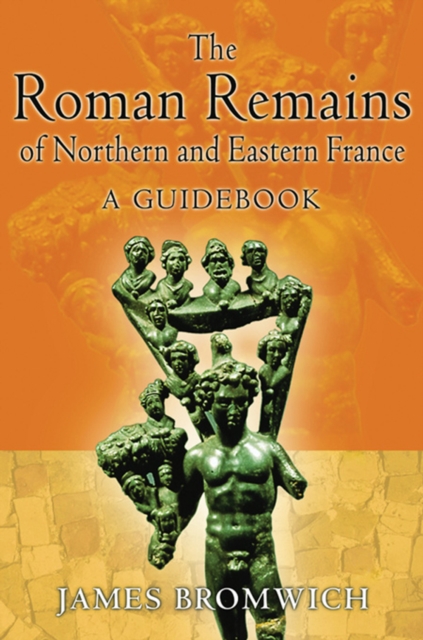
This book provides a thorough, area by area companion to the region's wealth of monuments, excavations and artefacts, from Paris and Boulogne-sur-Mer to Strasbourg and Lyon.
This book provides a thorough, area by area companion to the region's wealth of monuments, excavations and artefacts, from Paris and Boulogne-sur-Mer to Strasbourg and Lyon.
While much has been achieved in understanding and managing weather effects and erosion phenomena affecting ancient imagery within the relatively protected environments of caves and rock-shelters, the same cannot be said of rock-art panels situated in the open-air.