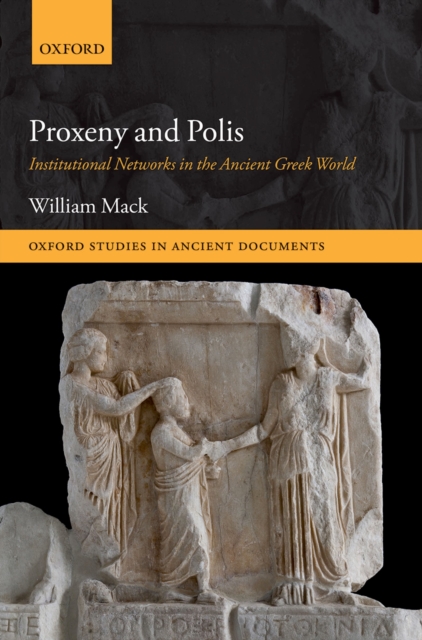
Known from ancient authors such as Herodotus, Thucydides, and Plato, and more than 2,500 inscriptions, proxeny (a form of public guest-friendship) is the best attested interstate institution of the ancient world.
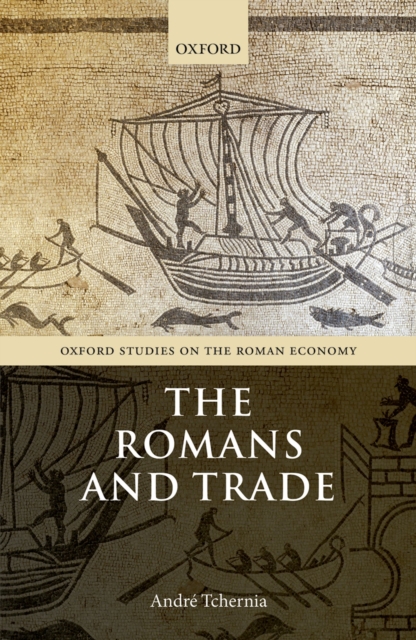
Andre Tchernia is one of the leading experts on amphorae as a source of economic history, a pioneer of maritime archaeology, and author of a wealth of articles on Roman trade, notably the wine trade.
The central argument of The Formation of the English Kingdom in the Tenth Century is that the English kingdom which existed at the time of the Norman Conquest was defined by the geographical parameters of a set of administrative reforms implemented in the mid- to late tenth century, and not by a vision of English unity going back to Alfred the Great (871-899).
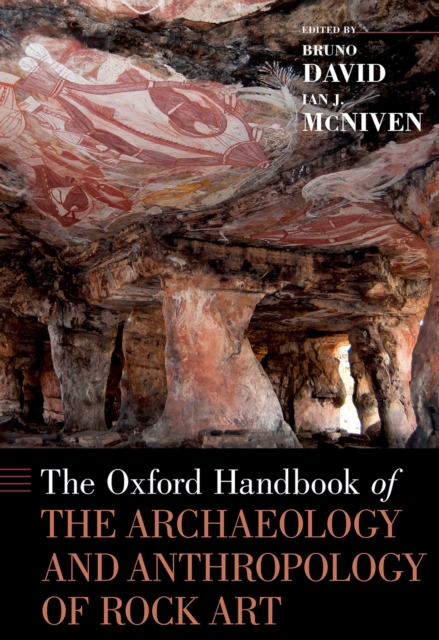
For more than a century, the study of hunting and gathering societies has been central to the development of both archaeology and anthropology as academic disciplines, and has also generated widespread public interest and debate.
For more than a century, the study of hunting and gathering societies has been central to the development of both archaeology and anthropology as academic disciplines, and has also generated widespread public interest and debate.
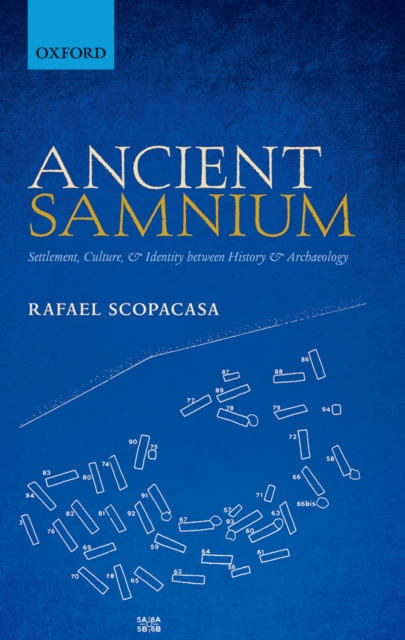
Ancient Samnium focuses on the region of Samnium in Italy, where a rich blend of historical, literary, epigraphic, numismatic, and archaeological evidence supports a fresh perspective on the complexity and dynamism of a part of the ancient Mediterranean that is normally regarded as marginal.
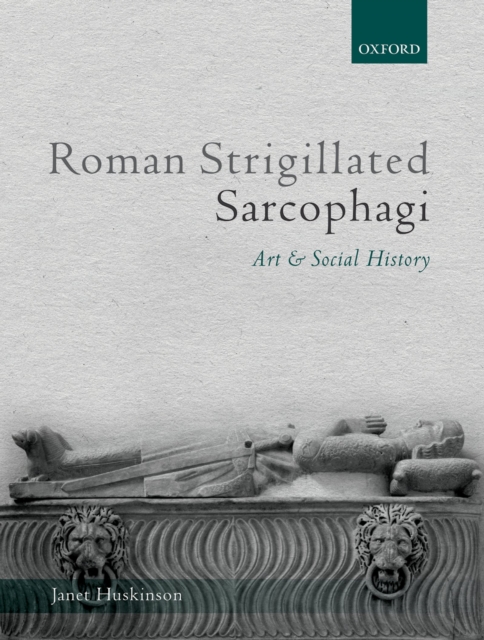
This is the first full study of Roman strigillated sarcophagi, which are the largest group of decorated marble sarcophagi to survive in the city of Rome.
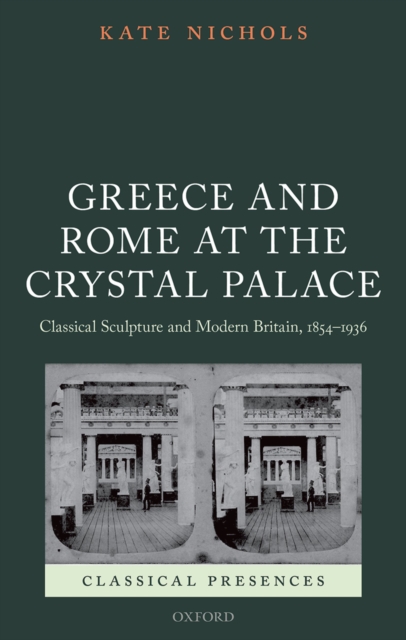
The marble halls of the British Museum might seem the natural habitat for classical sculpture, but in the nineteenth century its sombre displays were far from being the only place that people encountered antiquities.
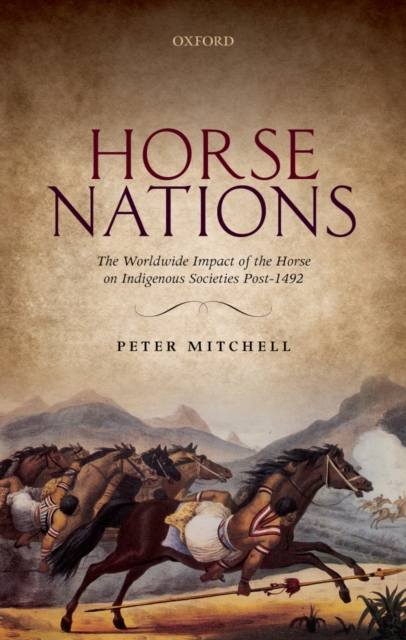
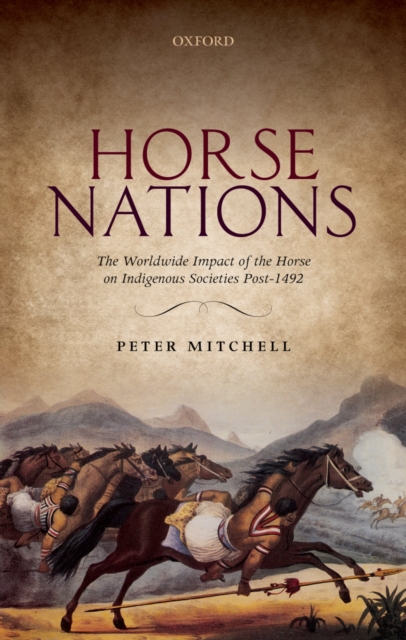
The Native American on a horse is an archetypal Hollywood image, but though such equestrian-focused societies were a relatively short-lived consequence of European expansion overseas, they were not restricted to North America's Plains.
The Native American on a horse is an archetypal Hollywood image, but though such equestrian-focused societies were a relatively short-lived consequence of European expansion overseas, they were not restricted to North America's Plains.
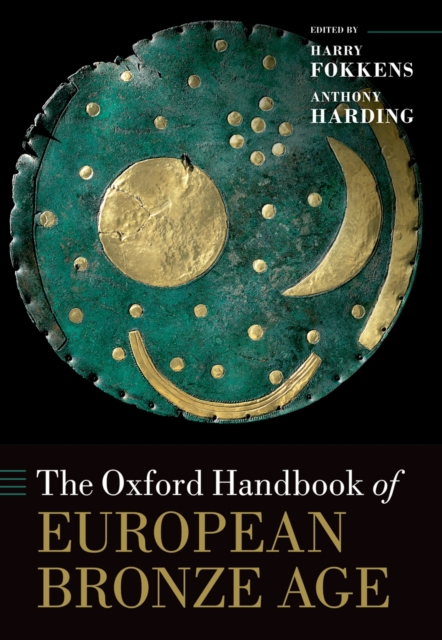
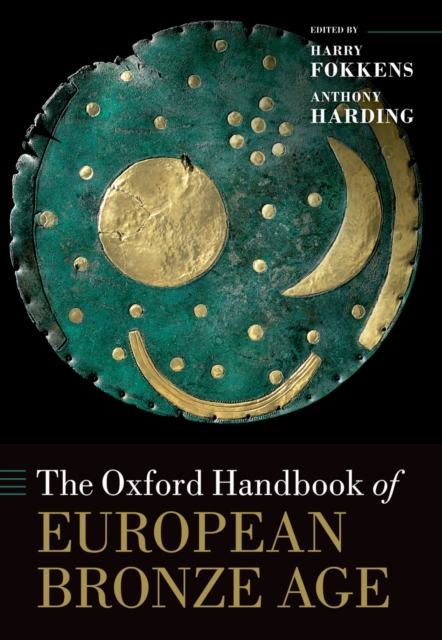
The Oxford Handbook of the European Bronze Age is a wide-ranging survey of a crucial period in prehistory during which many social, economic, and technological changes took place.
The Oxford Handbook of the European Bronze Age is a wide-ranging survey of a crucial period in prehistory during which many social, economic, and technological changes took place.
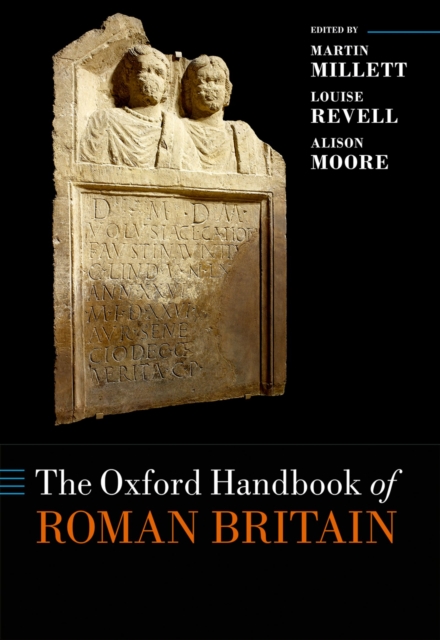
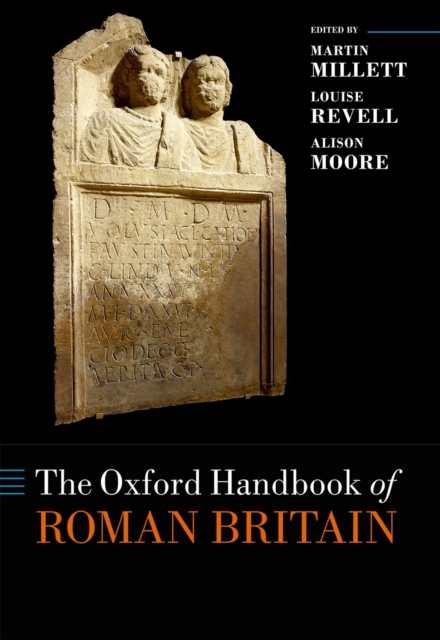
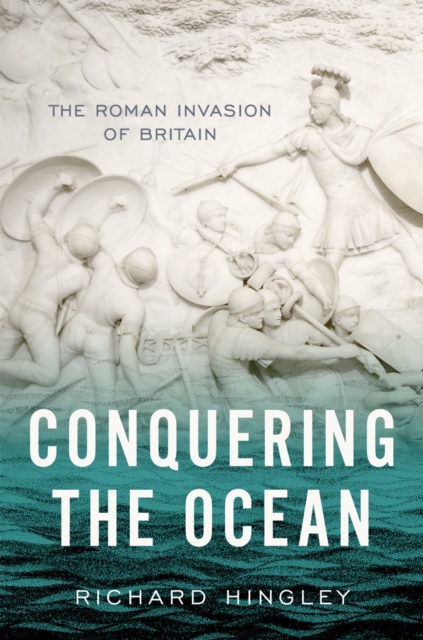
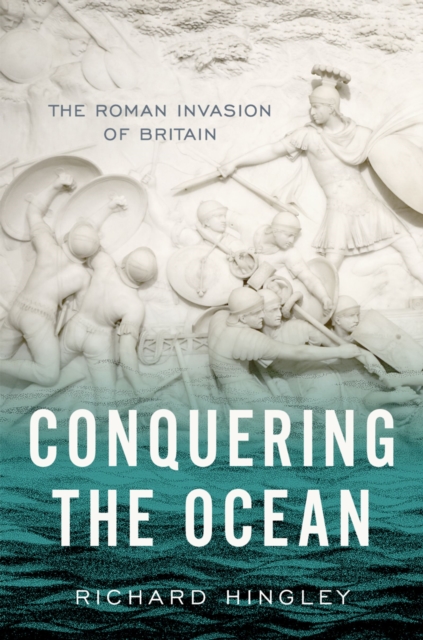
This book provides a twenty-first century perspective on Roman Britain, combining current approaches with the wealth of archaeological material from the province.
This book provides a twenty-first century perspective on Roman Britain, combining current approaches with the wealth of archaeological material from the province.
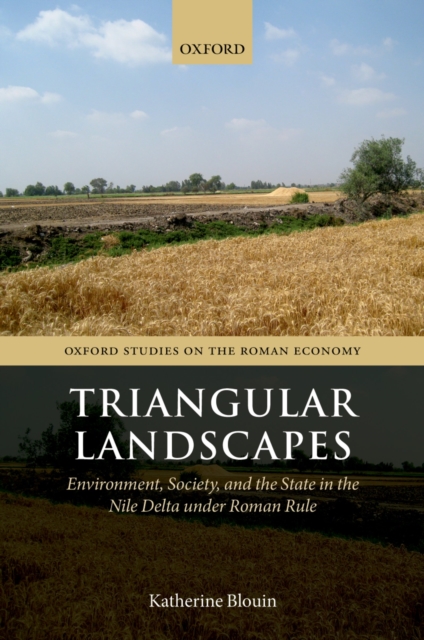
Between the Roman annexation of Egypt and the Arab period, the Nile Delta went from consisting of seven branches to two, namely the current Rosetta and Damietta branches.
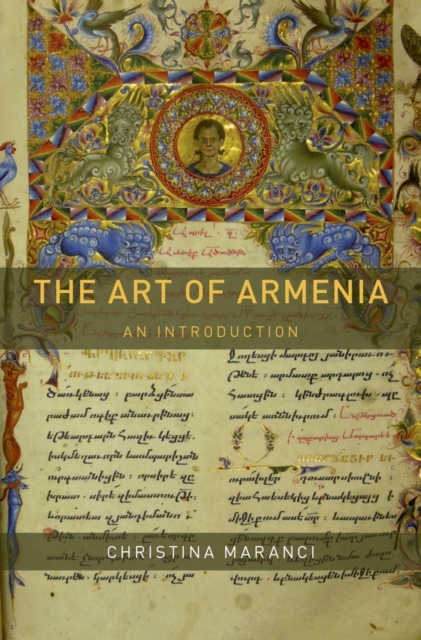
Though immediately recognizable in public discourse as a modern state in a political "e;hot zone,"e; Armenia has a material history and visual culture that reaches back to the Paleolithic era.
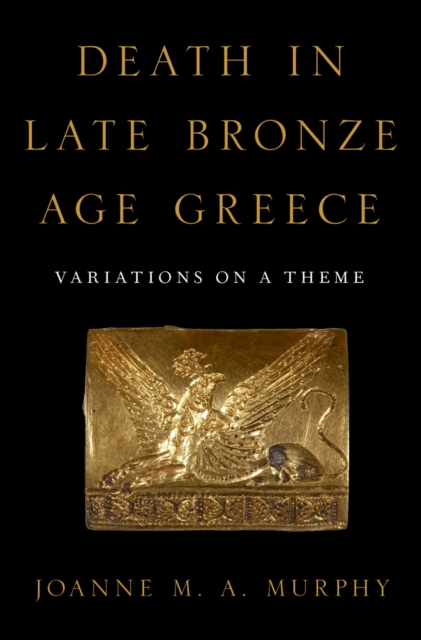
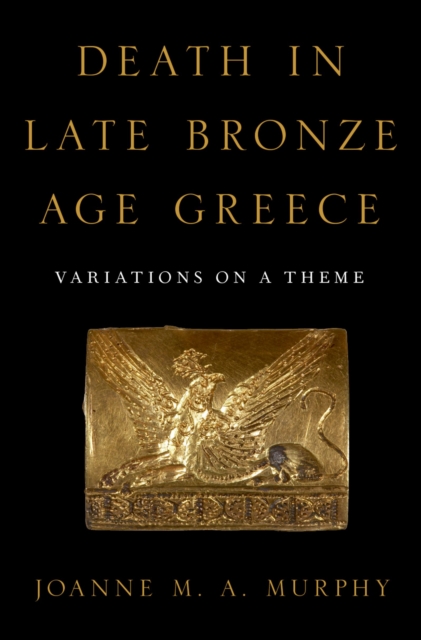
Late Bronze Age tombs in Greece and their attendant mortuary practices have been a topic of scholarly debate for over a century, dominated by the idea of a monolithic culture with the same developmental trajectories throughout the region.
Late Bronze Age tombs in Greece and their attendant mortuary practices have been a topic of scholarly debate for over a century, dominated by the idea of a monolithic culture with the same developmental trajectories throughout the region.
The Oxford Handbook of Early Christian Archaeology brings together expert work by leading scholars of the archaeology of Early Christianity and the Roman world in the Mediterranean and surrounding regions.
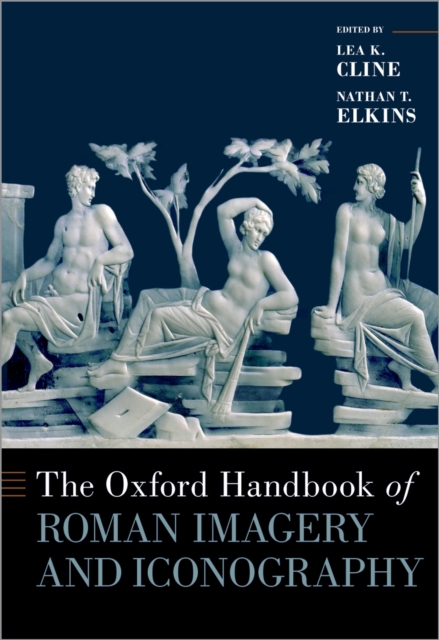
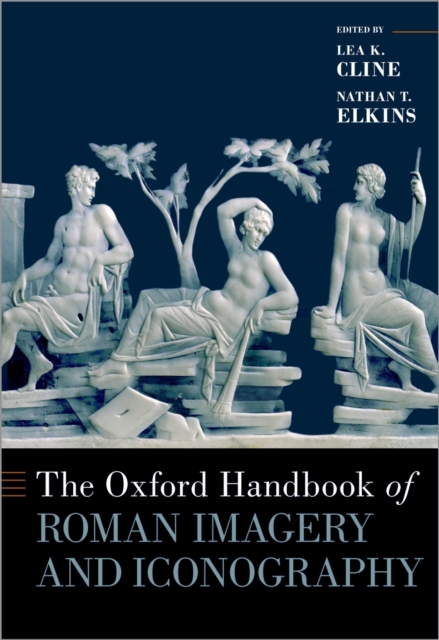
Across the Roman Empire, ubiquitous archaeological, art historical, and literary evidence attests to the significance of bathing for Romans' routines and relationships.
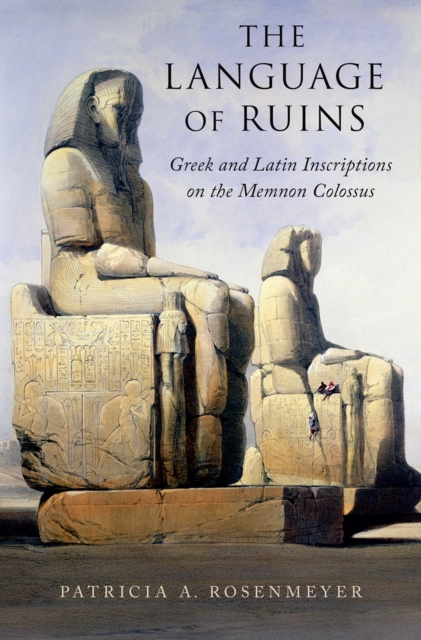
A colossal statue, originally built to honor an ancient pharaoh, still stands today in Egyptian Thebes, with more than a hundred Greek and Latin inscriptions covering its lower surfaces.
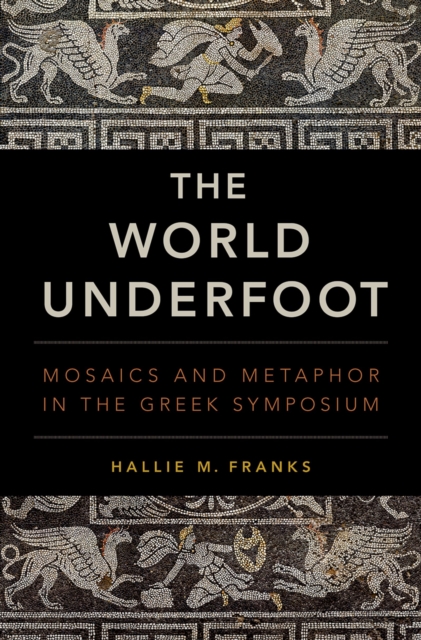
In the Greek Classical period, the symposium--the social gathering at which male citizens gathered to drink wine and engage in conversation--was held in a room called the andron.
In the Greek Classical period, the symposium--the social gathering at which male citizens gathered to drink wine and engage in conversation--was held in a room called the andron.
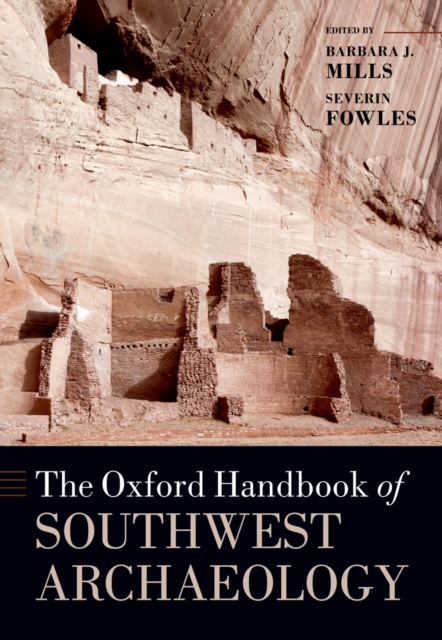
The American Southwest is one of the most important archaeological regions in the world, with many of the best-studied examples of hunter-gatherer and village-based societies.