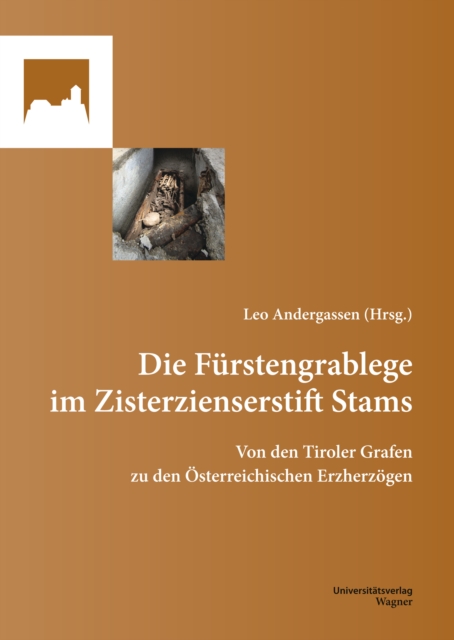
Der vorliegende Band prasentiert die Forschungsergebnisse eines vom Betrieb Sudtiroler Landesmuseen getragenen Projektes zur Stamser Grablege der Tiroler Grafen.
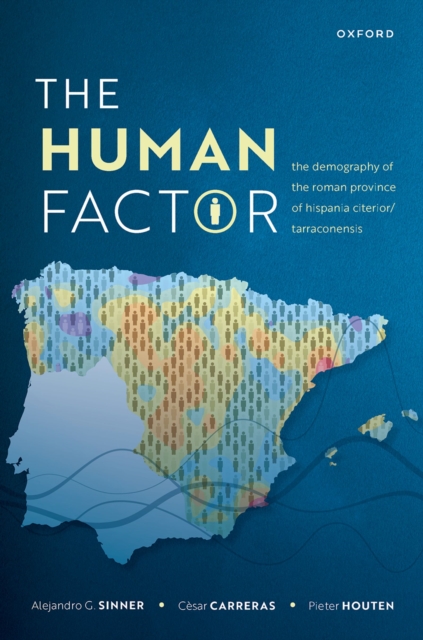
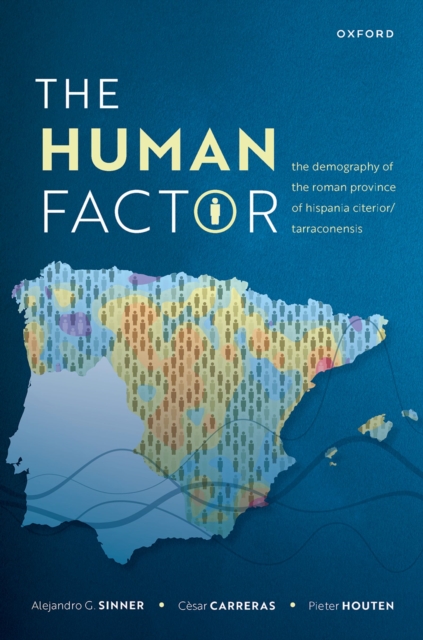
The Human Factor establishes a foundation for the study of ancient demography in the Iberian Peninsula, focusing on its largest province, Hispania Citerior/Tarraconensis.
The Human Factor establishes a foundation for the study of ancient demography in the Iberian Peninsula, focusing on its largest province, Hispania Citerior/Tarraconensis.
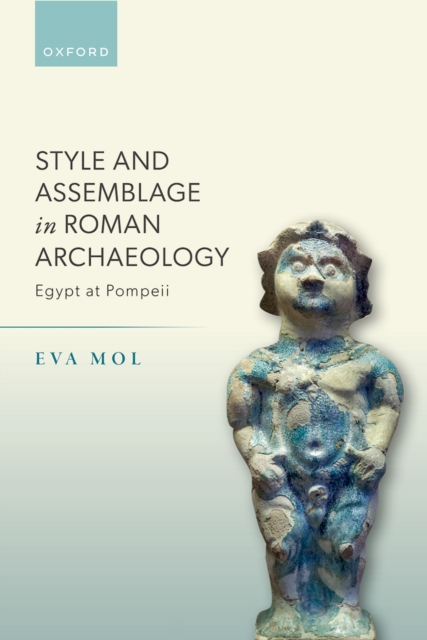
Style and Assemblage in Roman Archaeology proposes a rethinking of the way in which objects, styles, concepts, and people relate in archaeological interpretation, using Egyptian and Egyptian-styled objects from the houses of Roman Pompeii as a case study.
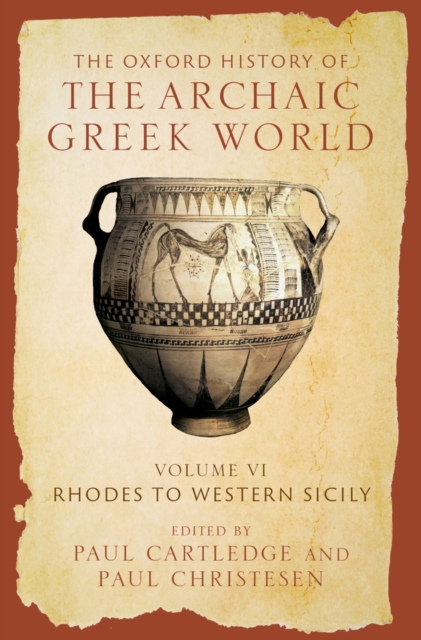
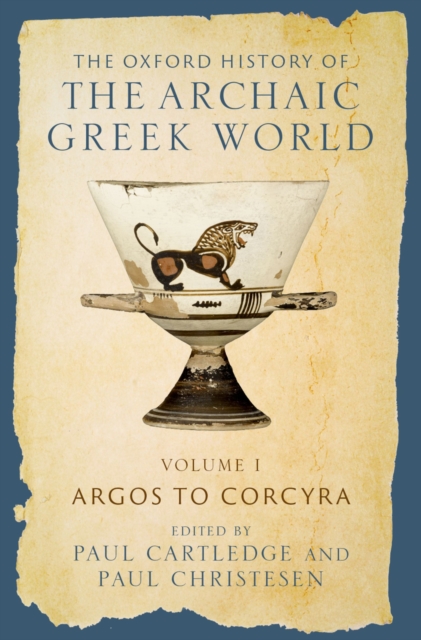
The ancient Greek world consisted of approximately 1,000 autonomous polities scattered across the Mediterranean basin and was remarkable for both its diversity and its uniformity.
The ancient Greek world consisted of approximately 1,000 autonomous polities scattered across the Mediterranean basin and was remarkable for both its diversity and its uniformity.
Style and Assemblage in Roman Archaeology proposes a rethinking of the way in which objects, styles, concepts, and people relate in archaeological interpretation, using Egyptian and Egyptian-styled objects from the houses of Roman Pompeii as a case study.
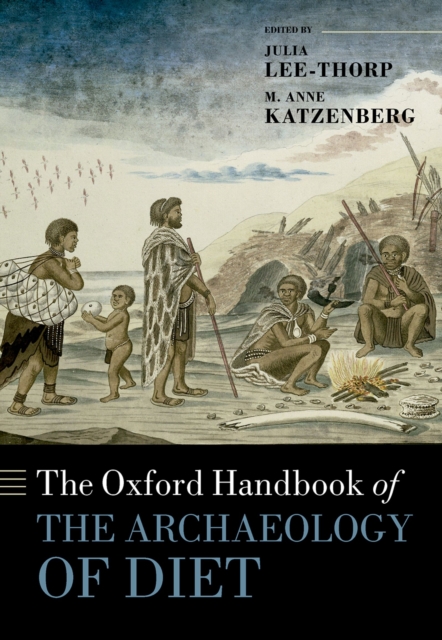
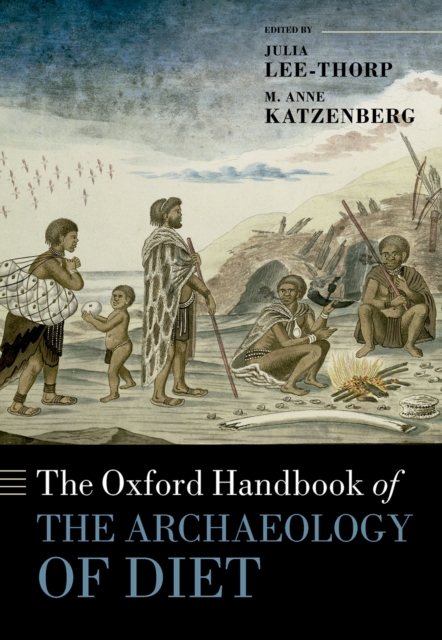
Humans are unique among animals for the wide diversity of foods and food preparation techniques that are intertwined with regional cultural distinctions around the world.
Humans are unique among animals for the wide diversity of foods and food preparation techniques that are intertwined with regional cultural distinctions around the world.
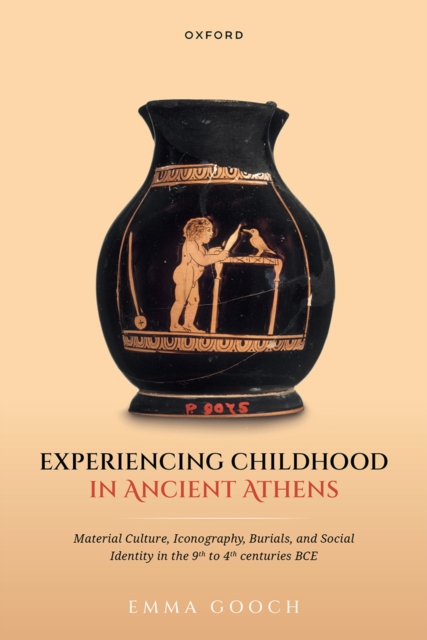
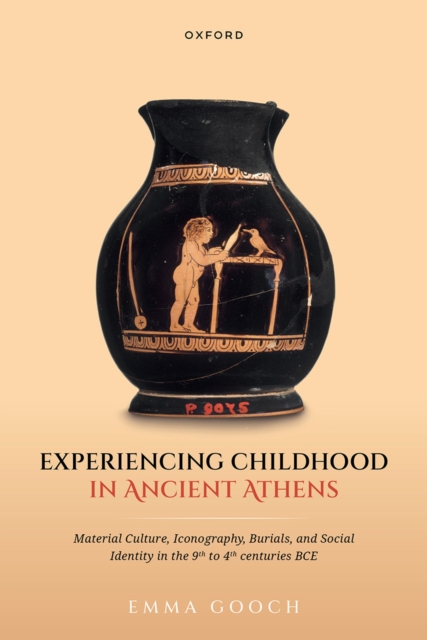
Experiencing Childhood in Ancient Athens uses literary sources and archaeological and iconographic evidence to investigate children's identities throughout the ninth to fourth centuries BCE in Athens and Attica, the city's surrounding hinterland.
Experiencing Childhood in Ancient Athens uses literary sources and archaeological and iconographic evidence to investigate children's identities throughout the ninth to fourth centuries BCE in Athens and Attica, the city's surrounding hinterland.
The ancient Greek world consisted of approximately 1,000 autonomous polities scattered across the Mediterranean basin and was remarkable for both its diversity and its uniformity.
This is the second of three volumes of a Corpus publication of the Greek, bilingual and trilingual inscriptions from Ptolemaic Egypt covering the period from Alexander's conquest in 332 BC to the fall of Alexandria to the Romans in 30 BC.
The ancient Greek world consisted of approximately 1,000 autonomous polities scattered across the Mediterranean basin and was remarkable for both its diversity and its uniformity.
A bold new theory on what sparked the "e;big bang"e; of human cultureThe abrupt emergence of human culture over a stunningly short period continues to be one of the great enigmas of human evolution.
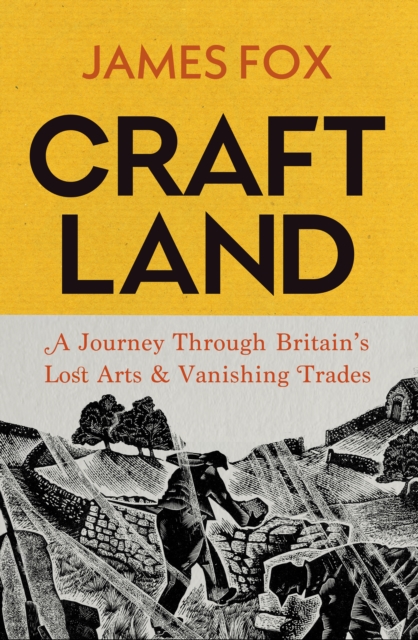
*SHORTLISTED FOR THE WAINWRIGHT PRIZE FOR NATURE WRITING 2026**SHORTLISTED FOR THE NERO NON-FICTION BOOK AWARD 2025**SHORTLISTED FOR WATERSTONES BOOK OF THE YEAR 2025**A BBC RADIO 4 AND SUNDAY TIMES BOOK OF THE WEEK*Connect with Britain s extraordinary heritage and be awakened to the beauty all around you with this Sunday Times bestselling journey to Craftland by award-winning historian and broadcaster James Fox.
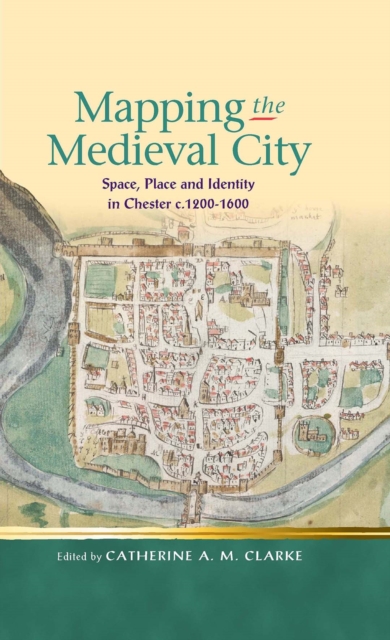
This ground-breaking volume brings together contributions from scholars across a range of disciplines (including literary studies, history, geography and archaeology) to investigate questions of space, place and identity in the medieval city.
This ground-breaking volume brings together contributions from scholars across a range of disciplines (including literary studies, history, geography and archaeology) to investigate questions of space, place and identity in the medieval city.
The Sunday Times bestselling author of The Children of Ash and Elm and award-winning expert on the Vikings brings us even closer to their worldWho do we think of when we think about the Vikings?
As the general public in Britain read about Egypt's history, visited collections, and viewed the material remains of a past that had not yet been uncovered by Western scholars, the mysterious nature of Egypt's past became fertile ground for literary imaginations.
As the general public in Britain read about Egypt's history, visited collections, and viewed the material remains of a past that had not yet been uncovered by Western scholars, the mysterious nature of Egypt's past became fertile ground for literary imaginations.