Land and Trade in Early Islam discusses the latest developments in the field of early Islamic economic and social history, and explores the notion of polycentrism and the dialectic between global and local between 700 and 1050 CE.
Land and Trade in Early Islam discusses the latest developments in the field of early Islamic economic and social history, and explores the notion of polycentrism and the dialectic between global and local between 700 and 1050 CE.
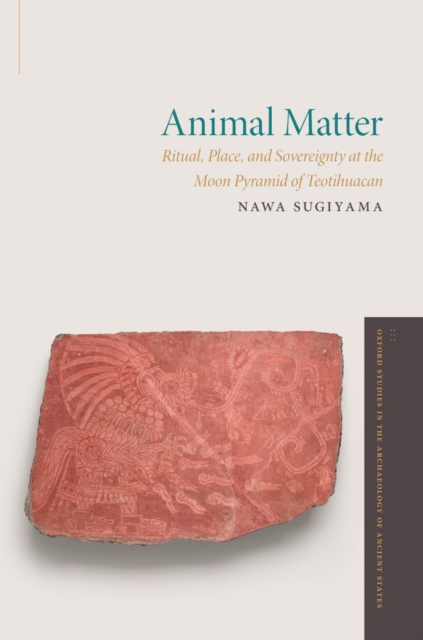
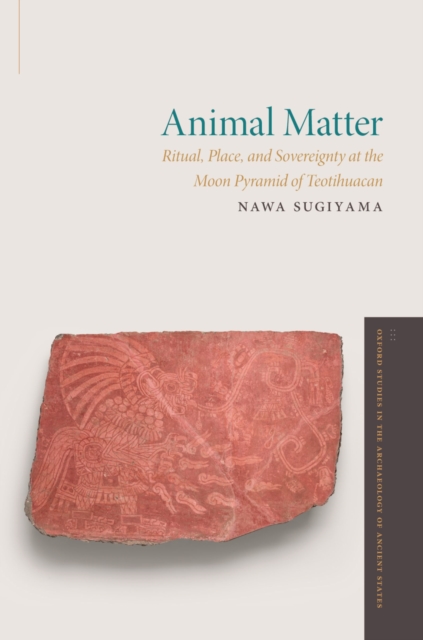
Based on primary data and analyses from the Moon Pyramid Project at the center of the UNSECO World Heritage site at Teotihuacan, Mexico (1-550 CE), Animal Matter questions how the inhabitants of this ancient metropolis elevated a monumental earthwork into a sacred mountain that crowns one of the most influential and enduring ritualized landscapes in Mesoamerica.
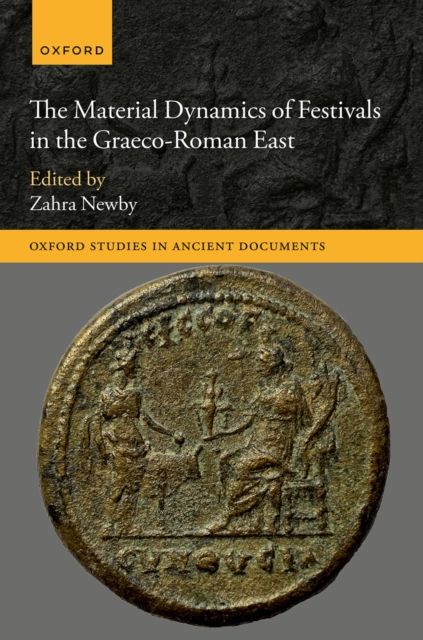
The Material Dynamics of Festivals in the Graeco-Roman East explores the various ways in which the experience of civic festivals in the Graeco-Roman East was created and framed by material culture.
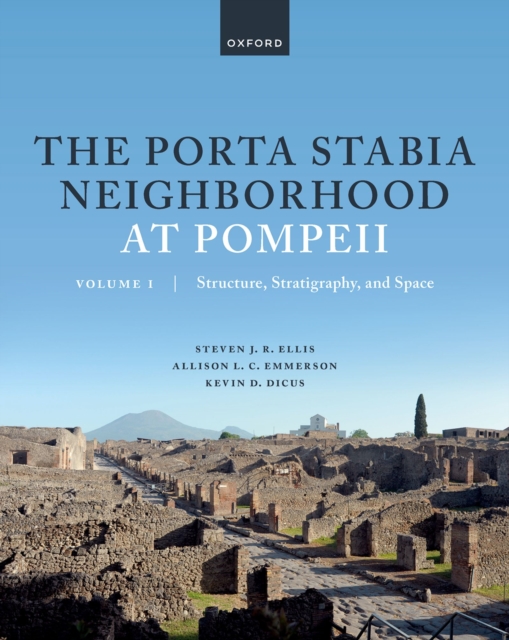
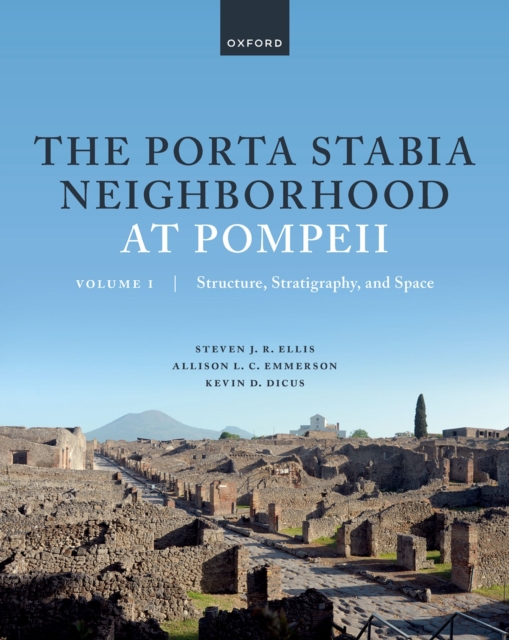
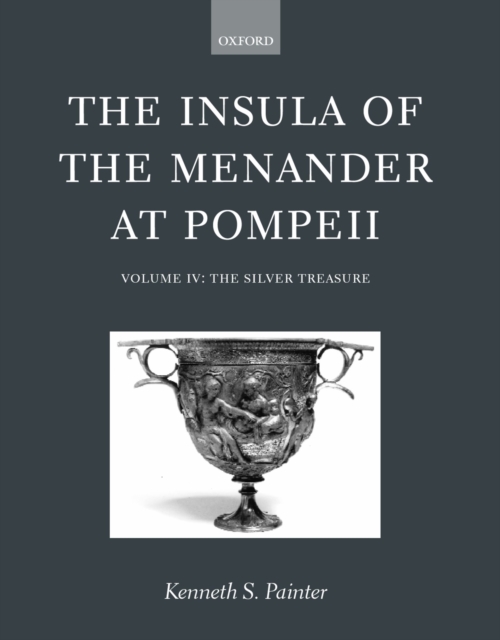
This is the first of four volumes that present the results from the University of Cincinnati's archaeological excavations of the Porta Stabia neighborhood at Pompeii.
The Material Dynamics of Festivals in the Graeco-Roman East explores the various ways in which the experience of civic festivals in the Graeco-Roman East was created and framed by material culture.
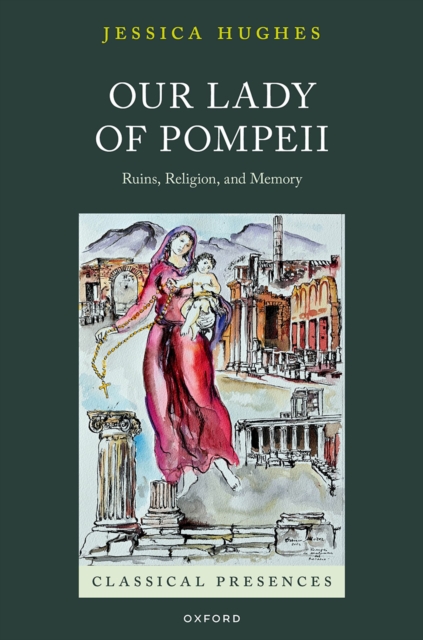
One of the last things that Pope Francis did before his death in April 2025 was to approve the canonization of Bartolo Longo, an Italian lawyer who had spent his life building an enormous shrine to Our Lady of the Rosary in Pompeii, next to the famous archaeological excavations.
One of the last things that Pope Francis did before his death in April 2025 was to approve the canonization of Bartolo Longo, an Italian lawyer who had spent his life building an enormous shrine to Our Lady of the Rosary in Pompeii, next to the famous archaeological excavations.
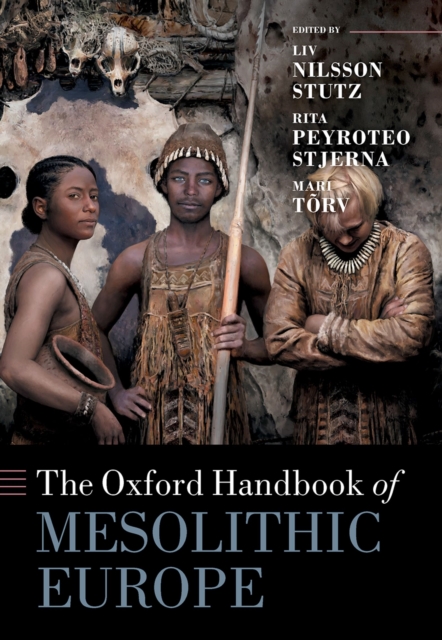
Research into the Mesolithic has recently undergone important transformations, making it one of the most dynamic fields of archaeological research today.
Research into the Mesolithic has recently undergone important transformations, making it one of the most dynamic fields of archaeological research today.
In late summer 2017, ongoing Turkish excavations at the site of Teos in Ionia uncovered one of the largest and most important Greek inscriptions to have been discovered this century.
In late summer 2017, ongoing Turkish excavations at the site of Teos in Ionia uncovered one of the largest and most important Greek inscriptions to have been discovered this century.
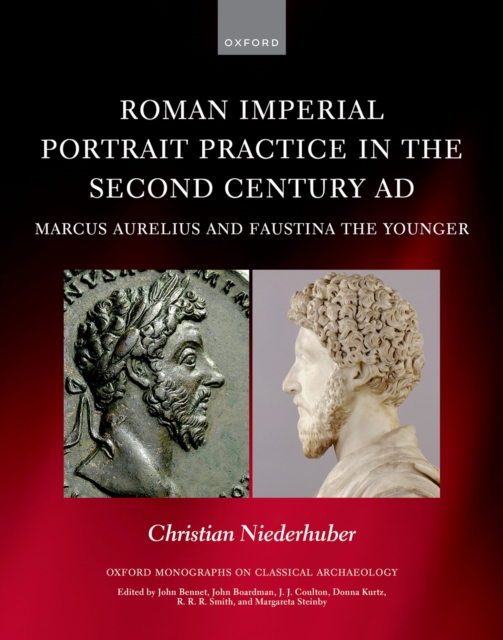
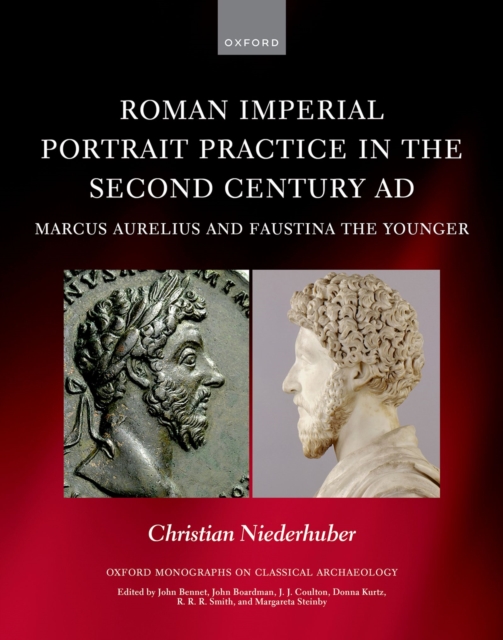
It has long been thought that imperial portrait types were officially commissioned to commemorate specific historical moments and that they were made available to both the mint and the marble workshops in Rome, assuming a close correspondence between portraits on coins and in the round.
It has long been thought that imperial portrait types were officially commissioned to commemorate specific historical moments and that they were made available to both the mint and the marble workshops in Rome, assuming a close correspondence between portraits on coins and in the round.
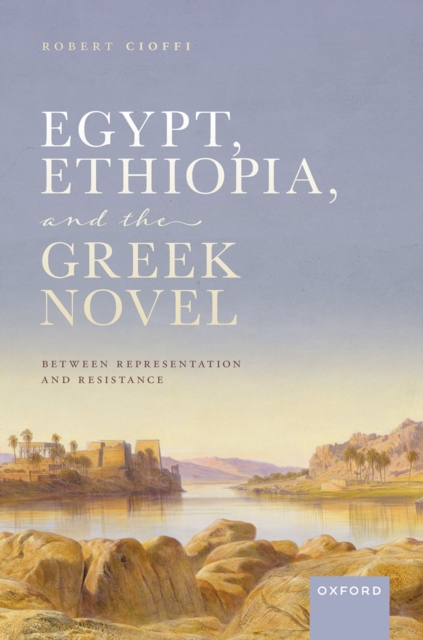
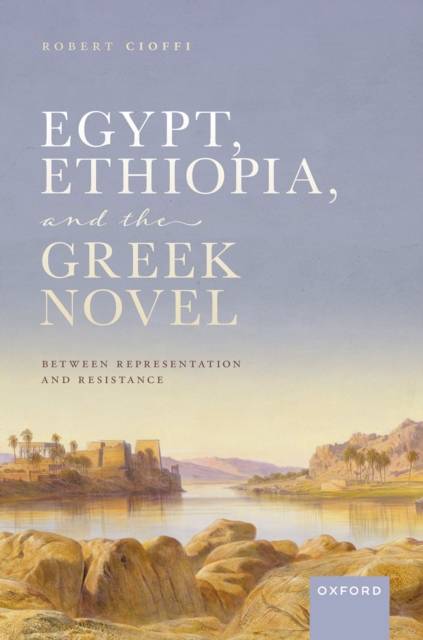
There is no region more central to the ancient Greek romance novel than the thousand or so miles stretching from Alexandria to ancient Ethiopia that comprise the Nile River Valley.
There is no region more central to the ancient Greek romance novel than the thousand or so miles stretching from Alexandria to ancient Ethiopia that comprise the Nile River Valley.
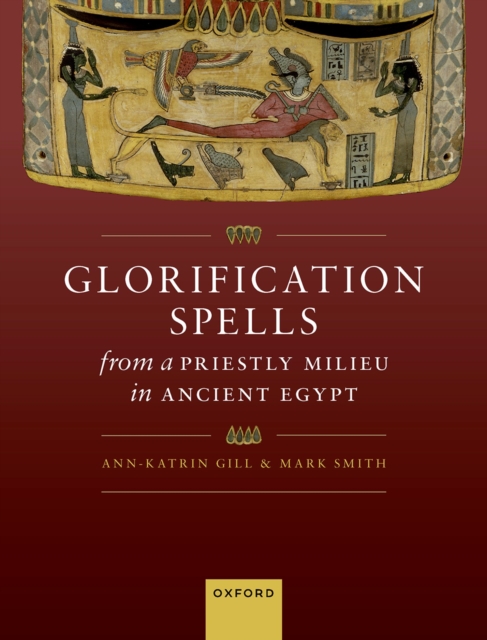
Glorification Spells from a Priestly Milieu in Ancient Egypt presents the first comprehensive edition of an ancient Egyptian ritual composition entitled the Glorification Recited on Each Due Occasion of the Embalming Place, a collection of glorification spells attested in five papyri from around 300 BCE.
Based on primary data and analyses from the Moon Pyramid Project at the center of the UNSECO World Heritage site at Teotihuacan, Mexico (1-550 CE), Animal Matter questions how the inhabitants of this ancient metropolis elevated a monumental earthwork into a sacred mountain that crowns one of the most influential and enduring ritualized landscapes in Mesoamerica.
This is the first of four volumes that present the results from the University of Cincinnati's archaeological excavations of the Porta Stabia neighborhood at Pompeii.
Offering a clear and accessible introduction to the fast-growing field of archaeogenetics, this book pays particular attention to the methods and approaches that are reshaping how archaeologists and historians think about the past.
Offering a clear and accessible introduction to the fast-growing field of archaeogenetics, this book pays particular attention to the methods and approaches that are reshaping how archaeologists and historians think about the past.
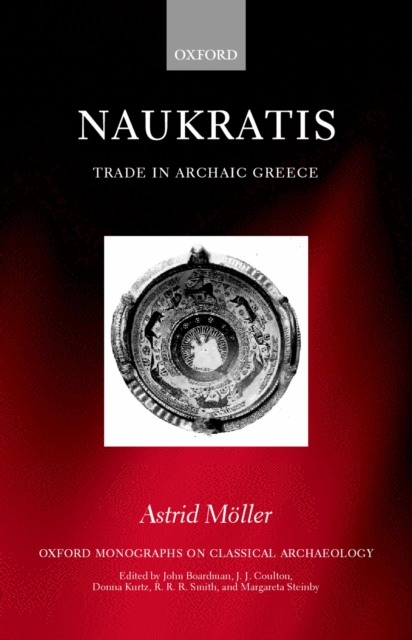
Archaic Naukratis was a busy trading place in the Western Delta of the Nile, renowned for its sanctuaries and courtesans, granting the Greeks access to Egyptian grain and luxury items.
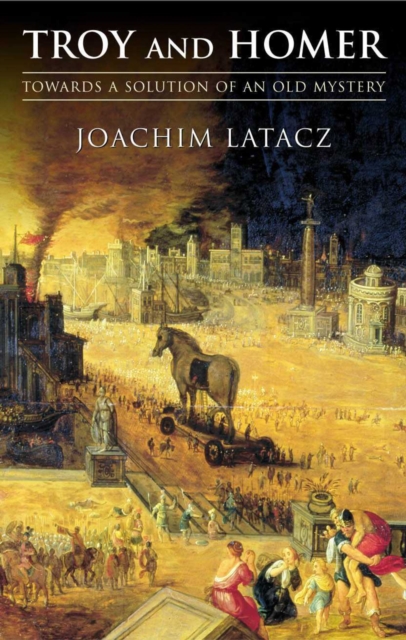
In this book Joachim Latacz turns the spotlight of modern research on the much-debated question of whether the wealthy city of Troy described by Homer in the Iliad was a poetic fiction or a memory of historical reality.
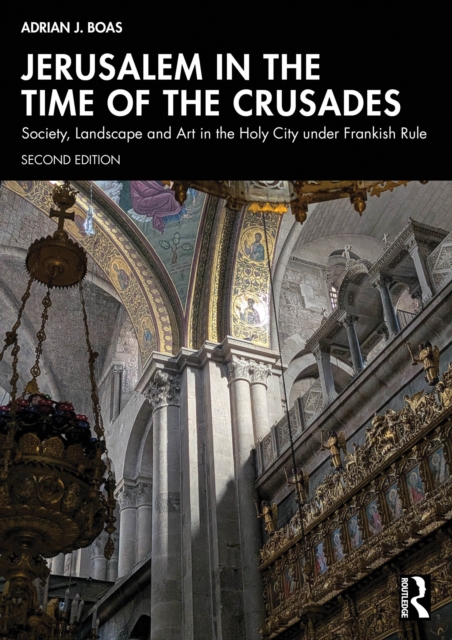
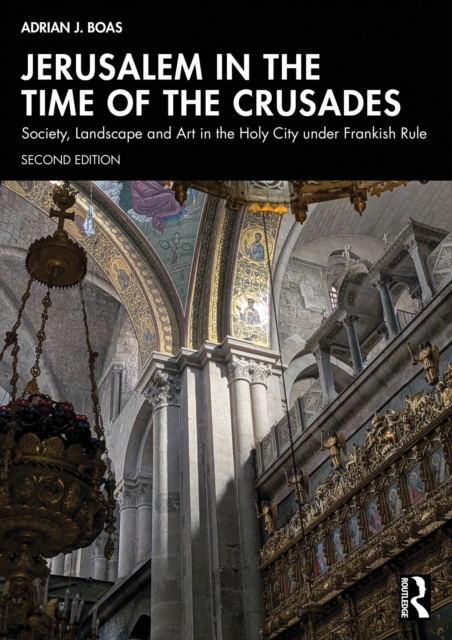
Jerusalem in the Time of the Crusades combines archaeological and historical evidence, together with first-hand accounts written by visiting pilgrims, to provide a multifaceted description of one of the most important periods in the history of Jerusalem.
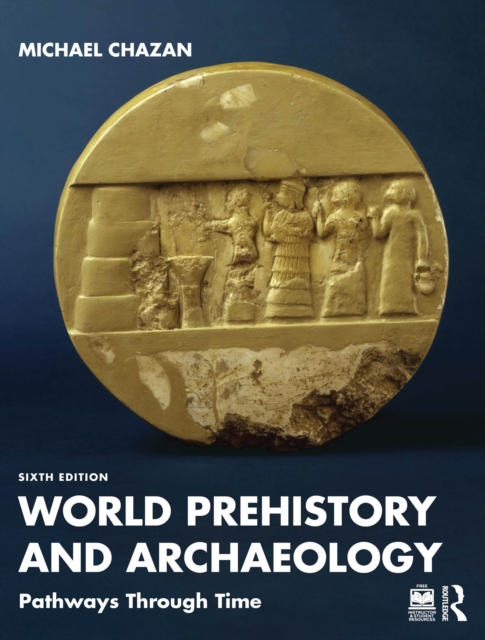
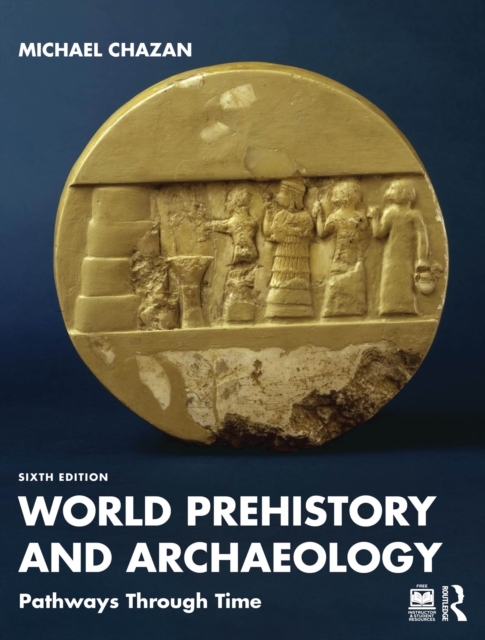
World Prehistory and Archaeology explains how the process of archaeological discovery develops our picture of humanity as it emerges from archaeological research, integrating discussion of world prehistory and archaeological methods.
Jerusalem in the Time of the Crusades combines archaeological and historical evidence, together with first-hand accounts written by visiting pilgrims, to provide a multifaceted description of one of the most important periods in the history of Jerusalem.
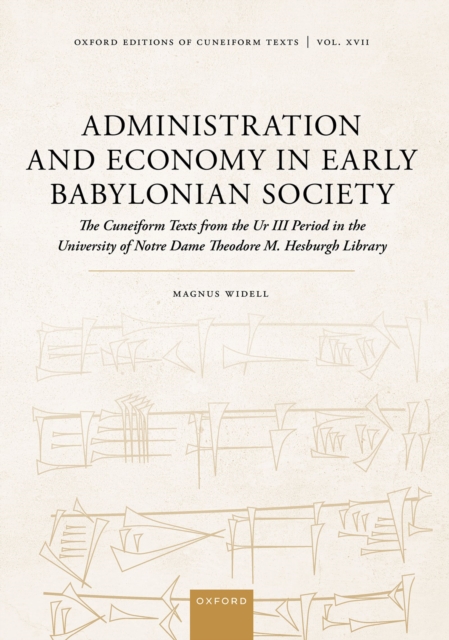
Administration and Economy in Early Babylonian Society presents an analytical edition of 65 previously unpublished cuneiform tablets and bullae from the Ur III period (2112-2004 BC), currently held in the Theodore M.
World Prehistory and Archaeology explains how the process of archaeological discovery develops our picture of humanity as it emerges from archaeological research, integrating discussion of world prehistory and archaeological methods.
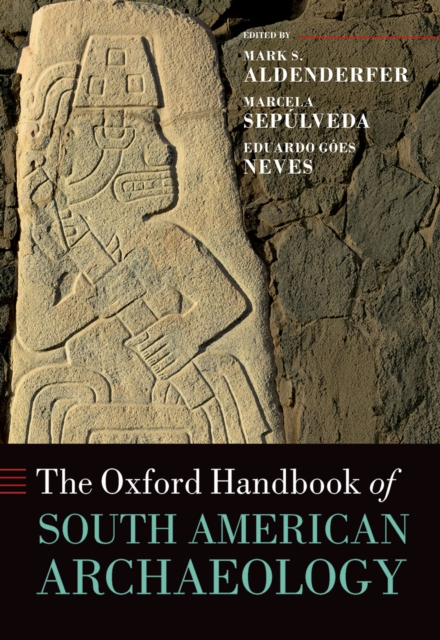
The Oxford Handbook of South American Archaeology offers a comprehensive summary of recent research on the prehistory of the continent--from its early peopling to the material manifestations of modern political repression.
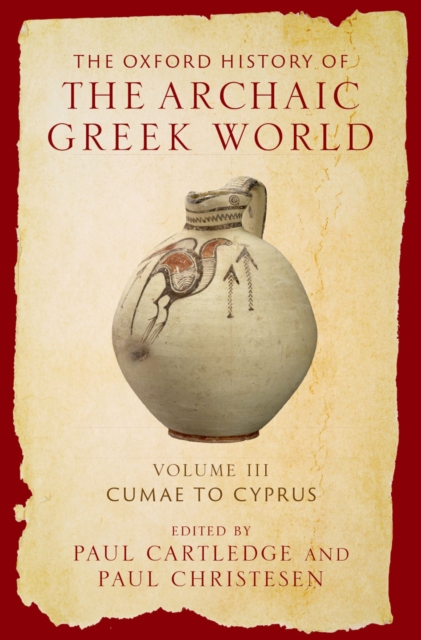
The ancient Greek world consisted of approximately 1,000 autonomous polities scattered across the Mediterranean basin and was remarkable for both its diversity and its uniformity.