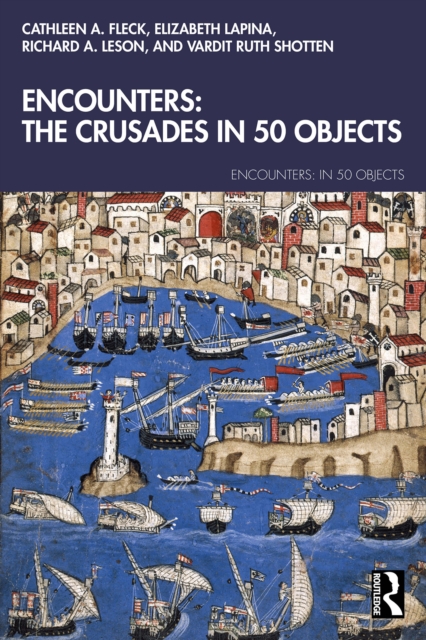
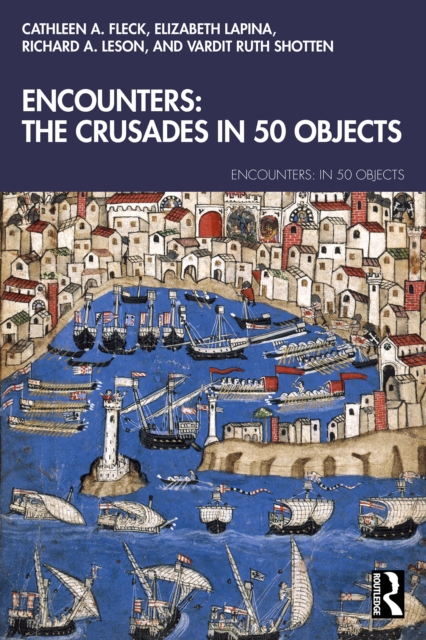
From the late eleventh to the late thirteenth century, during the existence of the Kingdom of Jerusalem and other crusader states, Latin Christians did not only frequently encounter Muslims on the battlefield, but also engaged in unprecedented commercial and cultural exchanges with the Muslim, Eastern Christian, and Jewish inhabitants of the Middle East.
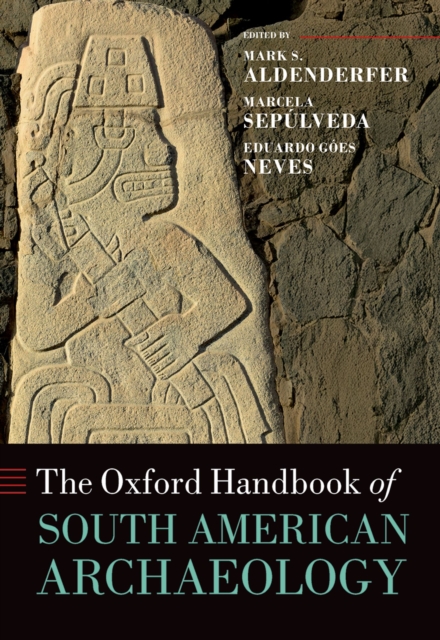
The Oxford Handbook of South American Archaeology offers a comprehensive summary of recent research on the prehistory of the continent--from its early peopling to the material manifestations of modern political repression.
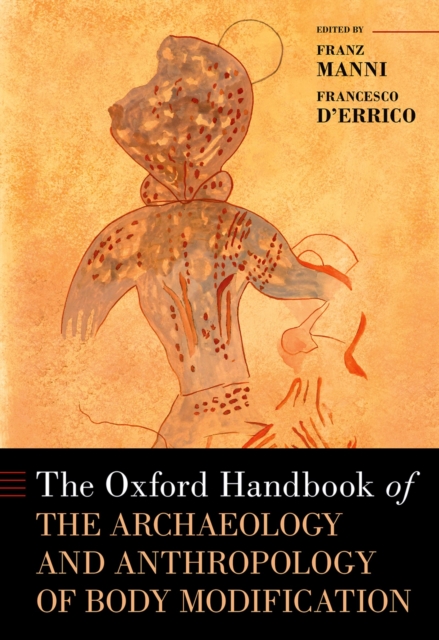
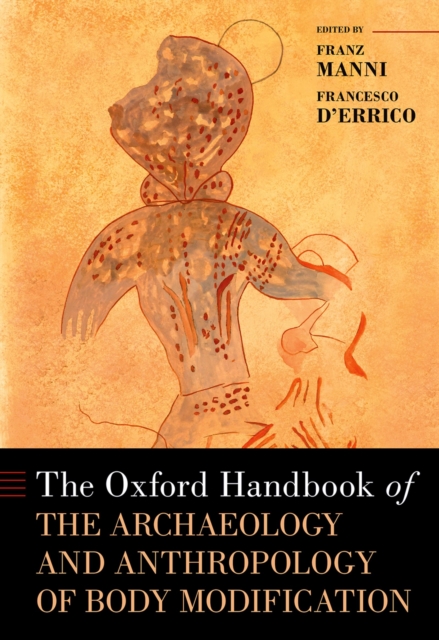
Body modification practices express identity, conform to social norms, and convey cultural values that express cultural, social, and individual meanings.
Body modification practices express identity, conform to social norms, and convey cultural values that express cultural, social, and individual meanings.
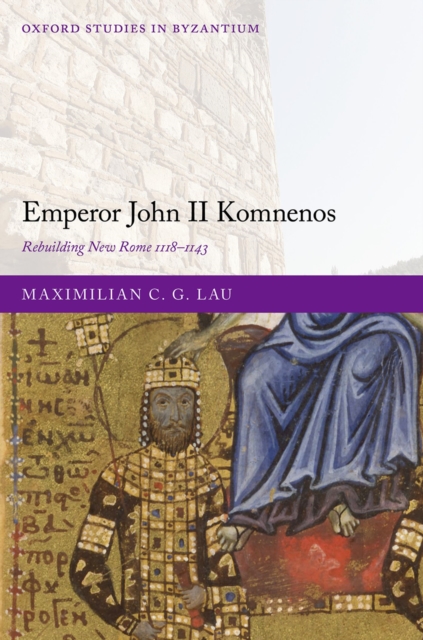
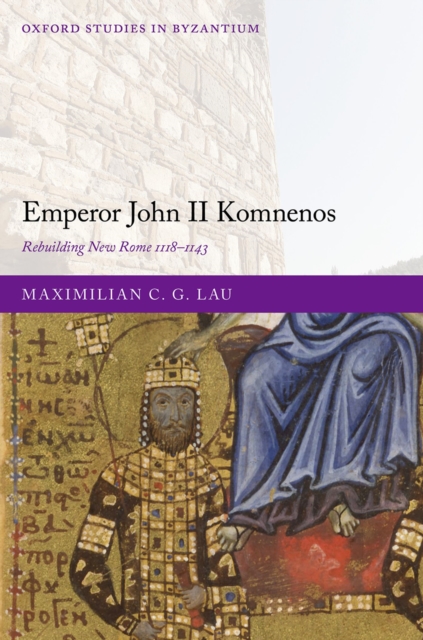
John II Komnenos was born into an empire on the brink of destruction, with his father Alexios barely preserving the empire in the face of civil wars and invasions.
John II Komnenos was born into an empire on the brink of destruction, with his father Alexios barely preserving the empire in the face of civil wars and invasions.
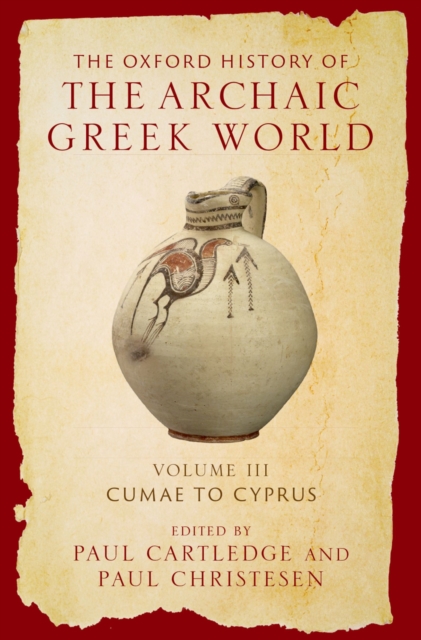
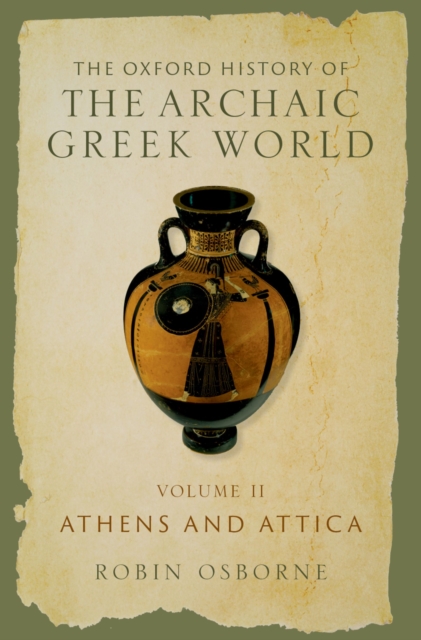
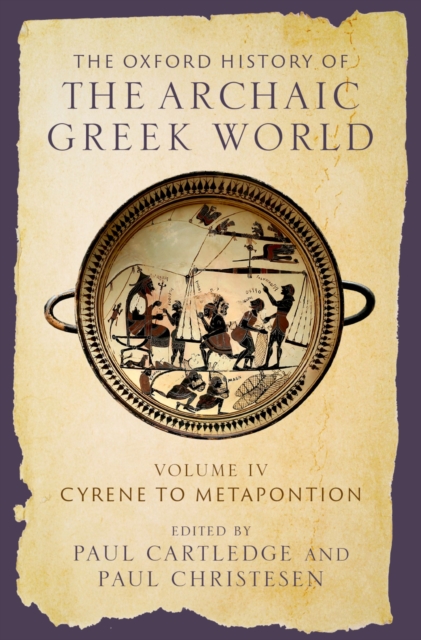
The ancient Greek world consisted of approximately 1,000 autonomous polities scattered across the Mediterranean basin and was remarkable for both its diversity and its uniformity.
From the late eleventh to the late thirteenth century, during the existence of the Kingdom of Jerusalem and other crusader states, Latin Christians did not only frequently encounter Muslims on the battlefield, but also engaged in unprecedented commercial and cultural exchanges with the Muslim, Eastern Christian, and Jewish inhabitants of the Middle East.
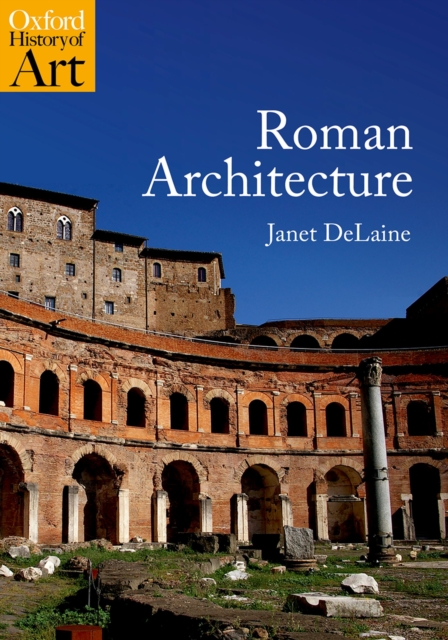
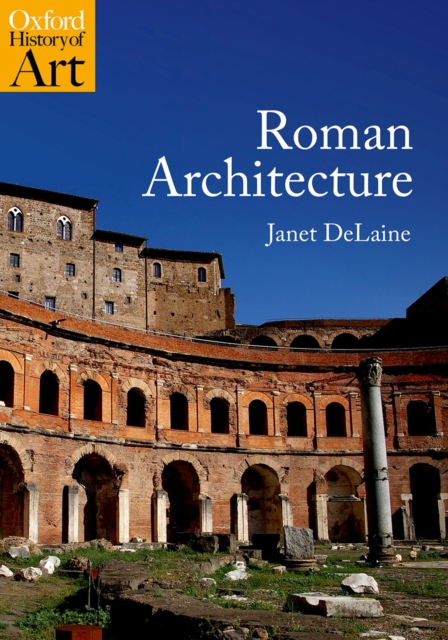
Roman Architecture casts new light not only on many familiar monuments of the city of Rome, but also on less well-known examples from across the Roman empire.
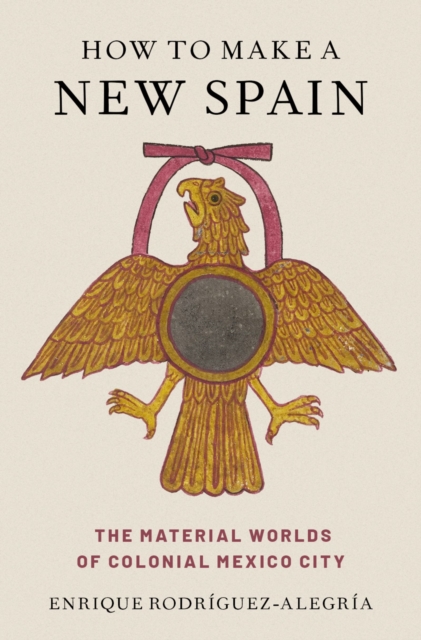
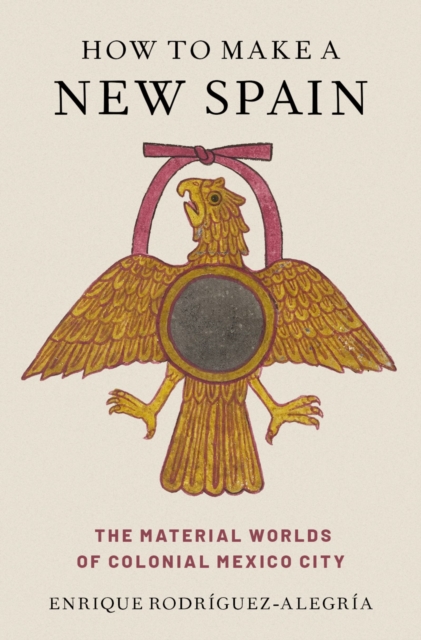
How to Make a New Spain presents an unprecedented view of the material worlds of Mexico City in the sixteenth century, drawing from a combination of sources and methodologies.
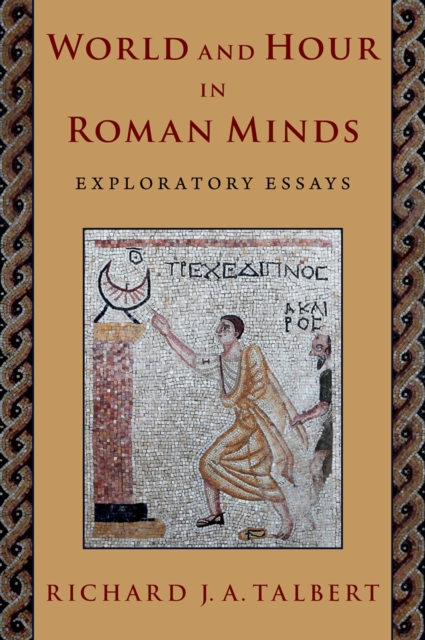
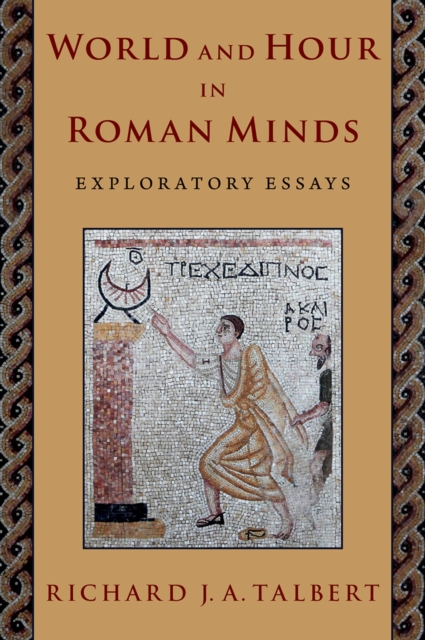
World and Hour in Roman Minds: Exploratory Essays seeks to penetrate Romans' consciousness of space and time, aspects of antiquity currently attracting intense interest.
How to Make a New Spain presents an unprecedented view of the material worlds of Mexico City in the sixteenth century, drawing from a combination of sources and methodologies.
World and Hour in Roman Minds: Exploratory Essays seeks to penetrate Romans' consciousness of space and time, aspects of antiquity currently attracting intense interest.
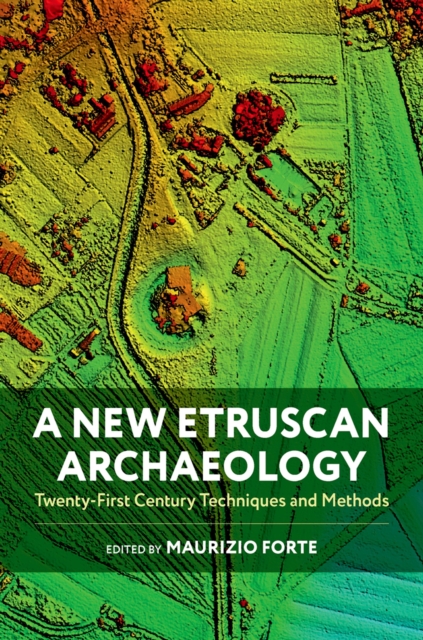
A New Etruscan Archaeology provides a comprehensive overview of the latest advancements in archaeological methods and technologies applied to the study of Etruscan civilization.
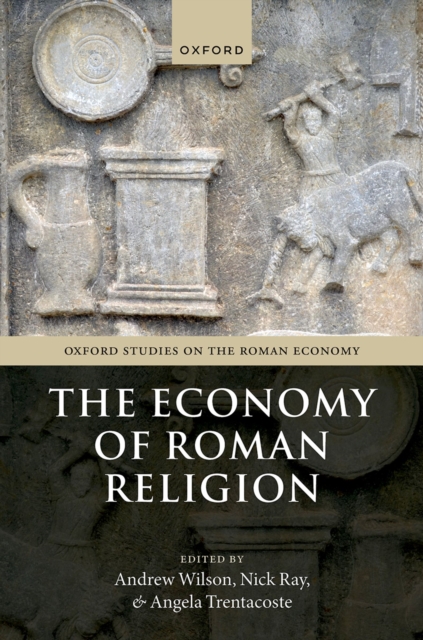
This interdisciplinary edited volume presents twelve papers by Roman historians and archaeologists, discussing the interconnected relationship between religion and the Roman economy over the period c.
Roman Architecture casts new light not only on many familiar monuments of the city of Rome, but also on less well-known examples from across the Roman empire.
The ancient Greek world consisted of approximately 1,000 autonomous polities scattered across the Mediterranean basin and was remarkable for both its diversity and its uniformity.
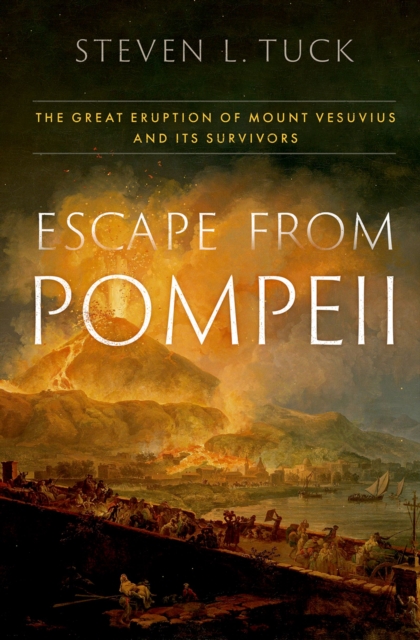
A story of triumph out of tragedy, uncovered in the ashes of Vesuvius The archaeological park of Pompeii is one of the most famous sites of destruction anywhere in the world.
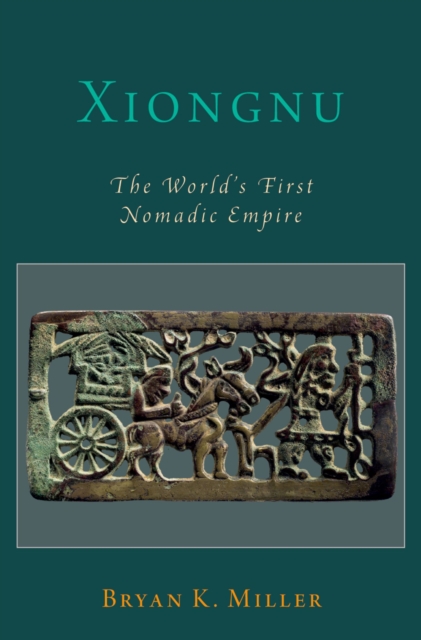
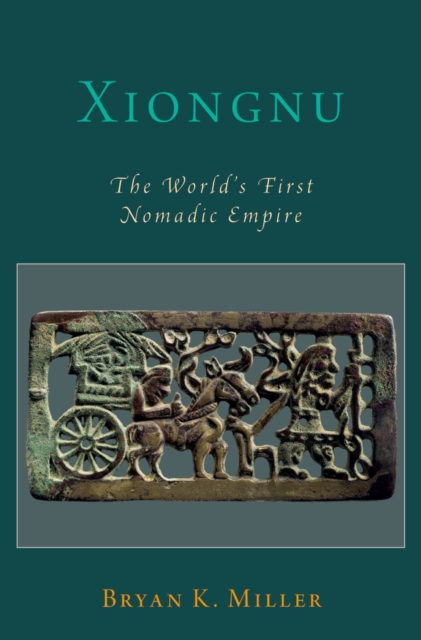
This book raises the case of the world's first nomadic empire, the Xiongnu, as a prime example of the sophisticated developments and powerful influence of nomadic regimes.
This book raises the case of the world's first nomadic empire, the Xiongnu, as a prime example of the sophisticated developments and powerful influence of nomadic regimes.
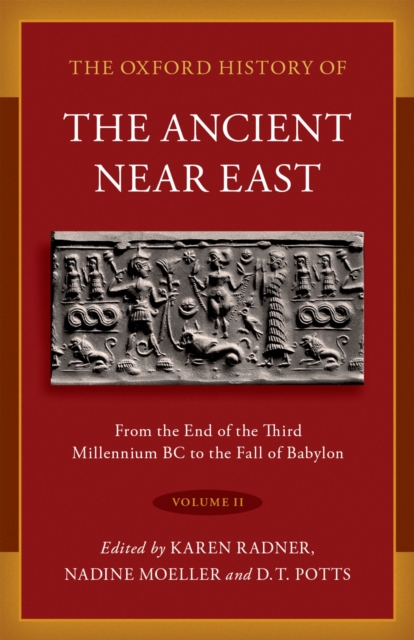
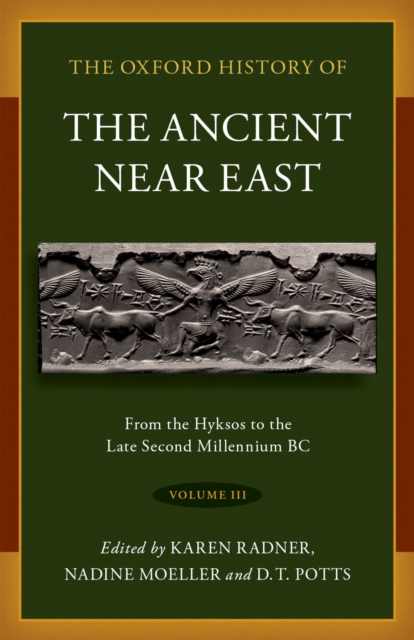
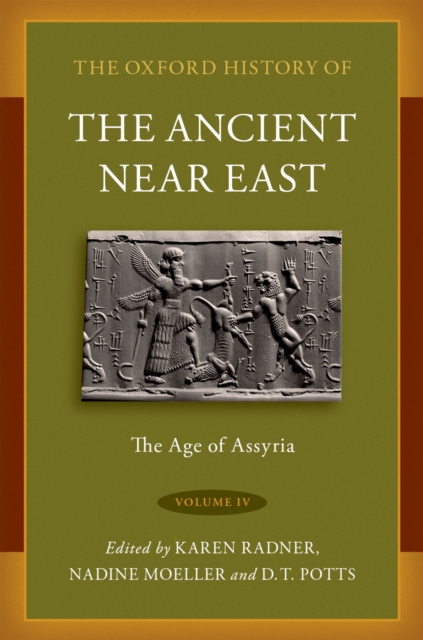
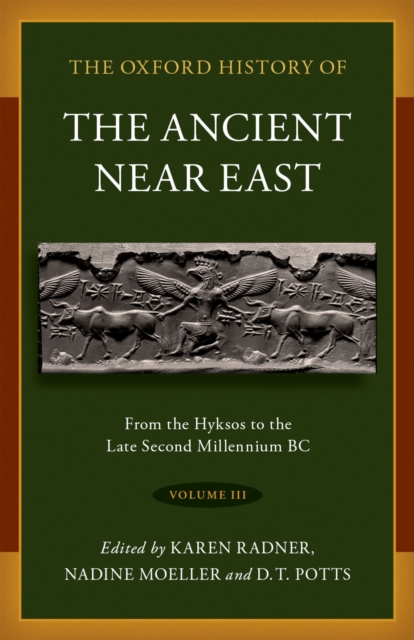
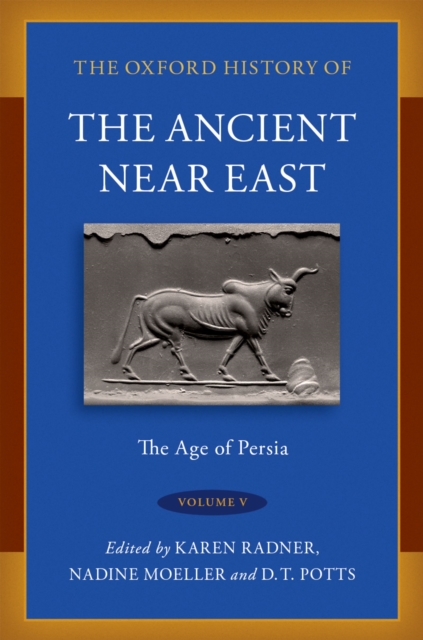
This groundbreaking, five-volume series offers a comprehensive, fully illustrated history of Egypt and Western Asia (the Levant, Anatolia, Mesopotamia, and Iran), from the emergence of complex states to the conquest of Alexander the Great.
This groundbreaking, five-volume series offers a comprehensive, fully illustrated history of Egypt and Western Asia (the Levant, Anatolia, Mesopotamia, and Iran), from the emergence of complex states to the conquest of Alexander the Great.
This groundbreaking, five-volume series offers a comprehensive, fully illustrated history of Egypt and Western Asia (the Levant, Anatolia, Mesopotamia, and Iran), from the emergence of complex states to the conquest of Alexander the Great.
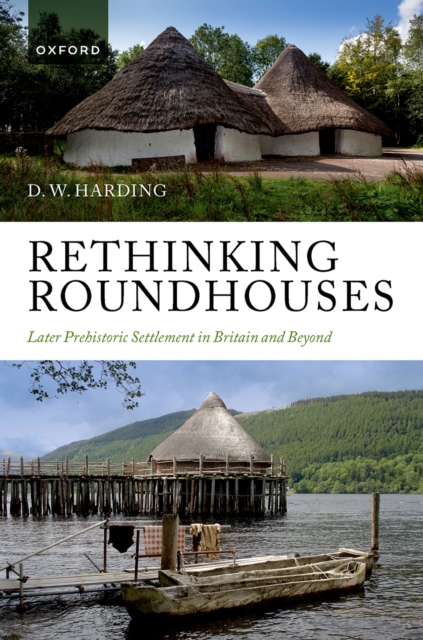
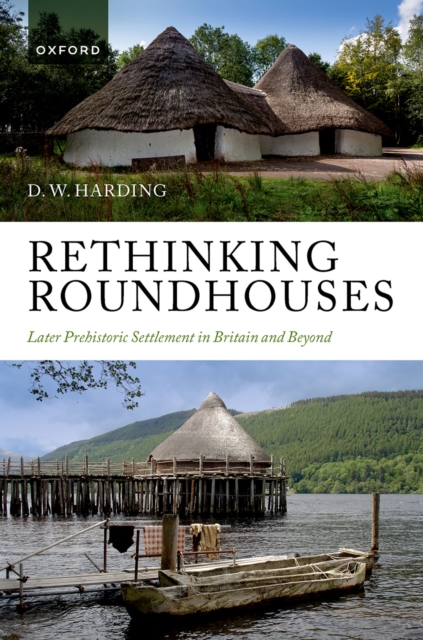
Excavated plans of roundhouses may compound multiple episodes of activity, design, construction, occupation, repair, and closure, reflecting successive stages of a building's biography.
The ancient Greek world consisted of approximately 1,000 autonomous polities scattered across the Mediterranean basin and was remarkable for both its diversity and its uniformity.
'Irresistibly fascinating' MARIE CLAIRE GREECE'Essential' VICTORIA HISLOP'Brilliantly conceived' PAUL CARTLEDGEAn enormous bestseller in Greece, this is a bold, witty retelling of the story of Ancient Greece by a rising star in archaeologyTwo strangers meet in a trapped elevator.
Excavated plans of roundhouses may compound multiple episodes of activity, design, construction, occupation, repair, and closure, reflecting successive stages of a building's biography.
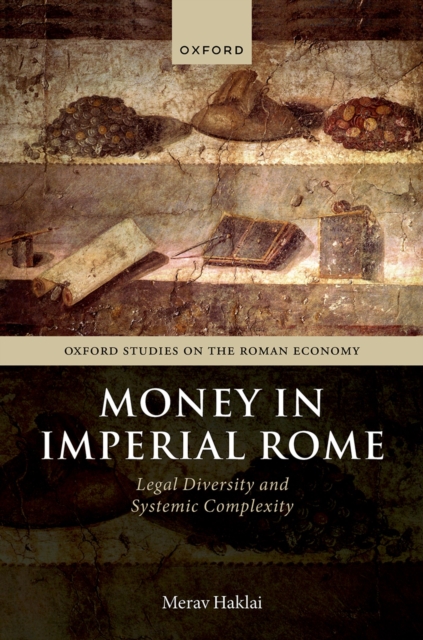
Money in Imperial Rome offers an in-depth examination of the institutional framework within which money operated as an economic agent in the Roman empire, emphasising its systemic complexity.
This groundbreaking, five-volume series offers a comprehensive, fully illustrated history of Egypt and Western Asia (the Levant, Anatolia, Mesopotamia, and Iran), from the emergence of complex states to the conquest of Alexander the Great.
This groundbreaking, five-volume series offers a comprehensive, fully illustrated history of Egypt and Western Asia (the Levant, Anatolia, Mesopotamia, and Iran), from the emergence of complex states to the conquest of Alexander the Great.
This groundbreaking, five-volume series offers a comprehensive, fully illustrated history of Egypt and Western Asia (the Levant, Anatolia, Mesopotamia, and Iran), from the emergence of complex states to the conquest of Alexander the Great.
This groundbreaking, five-volume series offers a comprehensive, fully illustrated history of Egypt and Western Asia (the Levant, Anatolia, Mesopotamia, and Iran), from the emergence of complex states to the conquest of Alexander the Great.
This groundbreaking, five-volume series offers a comprehensive, fully illustrated history of Egypt and Western Asia (the Levant, Anatolia, Mesopotamia, and Iran), from the emergence of complex states to the conquest of Alexander the Great.
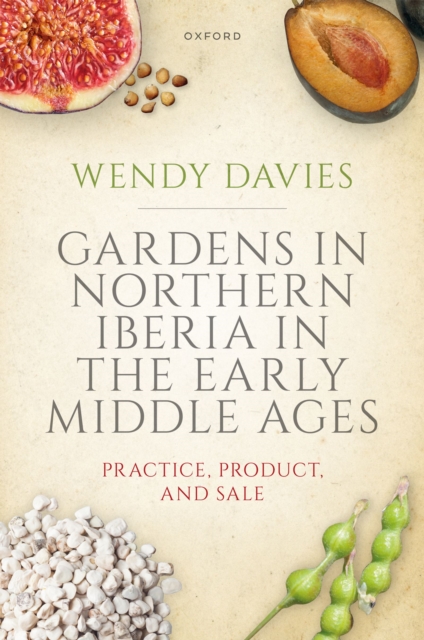
Using archaeological, archaeobotanical, and written evidence, this book explores what gardens meant in northern Spain and northern Portugal in the early middle ages - a question asked here for the first time.
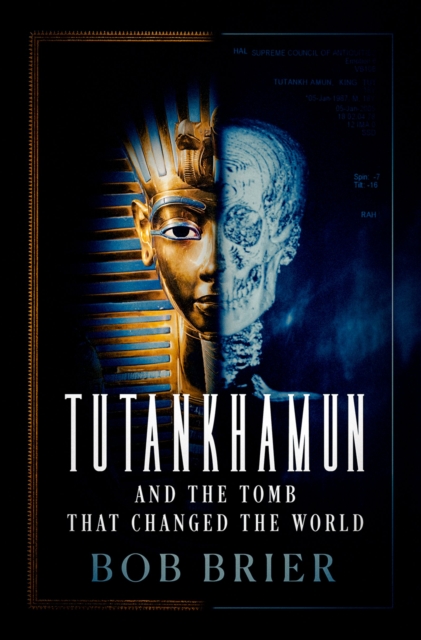
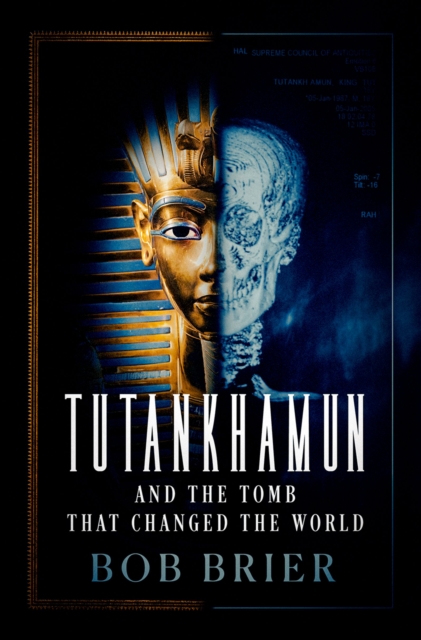
It is often thought that the story of Tutankhamun ended when the thousands of dazzling items discovered by Howard Carter and Lord Carnarvon were transported to the Egyptian Museum in Cairo and put on display.
It is often thought that the story of Tutankhamun ended when the thousands of dazzling items discovered by Howard Carter and Lord Carnarvon were transported to the Egyptian Museum in Cairo and put on display.