A New Etruscan Archaeology provides a comprehensive overview of the latest advancements in archaeological methods and technologies applied to the study of Etruscan civilization.
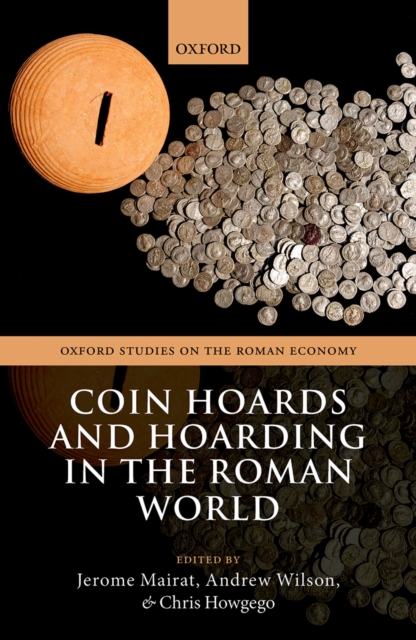
Coin Hoards and Hoarding in the Roman World presents fourteen chapters from an interdisciplinary group of Roman numismatists, historians, and archaeologists, discussing coin hoarding in the Roman Empire from c.
Coin Hoards and Hoarding in the Roman World presents fourteen chapters from an interdisciplinary group of Roman numismatists, historians, and archaeologists, discussing coin hoarding in the Roman Empire from c.
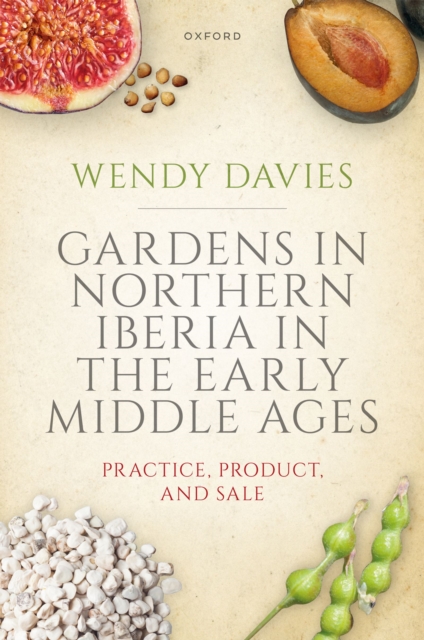
Using archaeological, archaeobotanical, and written evidence, this book explores what gardens meant in northern Spain and northern Portugal in the early middle ages - a question asked here for the first time.
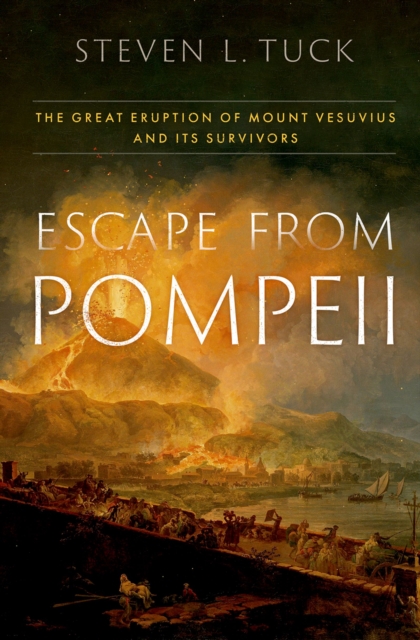
A story of triumph out of tragedy, uncovered in the ashes of Vesuvius The archaeological park of Pompeii is one of the most famous sites of destruction anywhere in the world.
This interdisciplinary edited volume presents twelve papers by Roman historians and archaeologists, discussing the interconnected relationship between religion and the Roman economy over the period c.
Money in Imperial Rome offers an in-depth examination of the institutional framework within which money operated as an economic agent in the Roman empire, emphasising its systemic complexity.
Michael Higgins broadens our understanding of the Seven Wonders of the Ancient World by bringing science, engineering, and technology together with ancient documentation and archaeological findings.
Michael Higgins broadens our understanding of the Seven Wonders of the Ancient World by bringing science, engineering, and technology together with ancient documentation and archaeological findings.
As the world recently commemorated the hundredth anniversary of the discovery of the tomb of Tutankhamun, our fascination with the pharaoh begs for a balanced view.
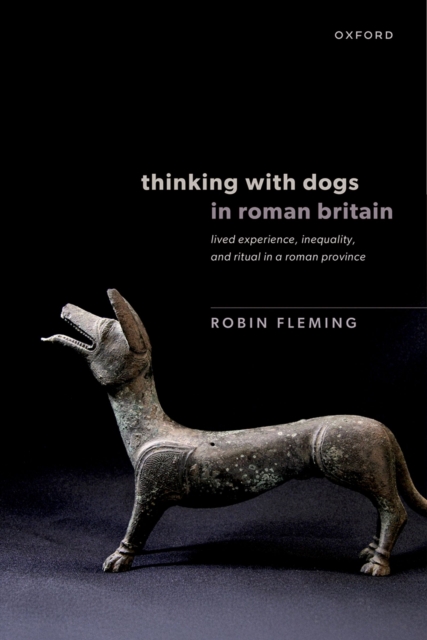
Thinking with Dogs in Roman Britain: Lived Experience, Inequality, and Ritual in a Roman Province argues that in Roman Britain, where little written evidence survives, some aspects of the past are more visible when we look not at people but instead focus on the dogs nipping at their heels.
Thinking with Dogs in Roman Britain: Lived Experience, Inequality, and Ritual in a Roman Province argues that in Roman Britain, where little written evidence survives, some aspects of the past are more visible when we look not at people but instead focus on the dogs nipping at their heels.
As the world recently commemorated the hundredth anniversary of the discovery of the tomb of Tutankhamun, our fascination with the pharaoh begs for a balanced view.
This handbook provides an in-depth finding on the Harappan Civilization (~Indus Civilization, Sarasvati-Sindhi, Sindhu-Sarasvati Civilization) that flourished from ~2600–1900 BCE in the Greater Indus Region.
This handbook provides an in-depth finding on the Harappan Civilization (~Indus Civilization, Sarasvati-Sindhi, Sindhu-Sarasvati Civilization) that flourished from ~2600–1900 BCE in the Greater Indus Region.
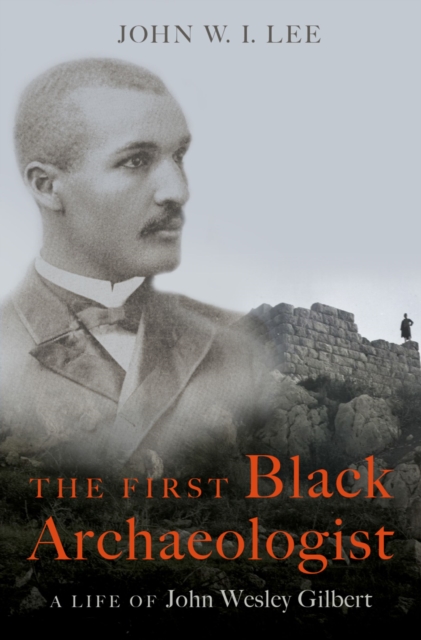
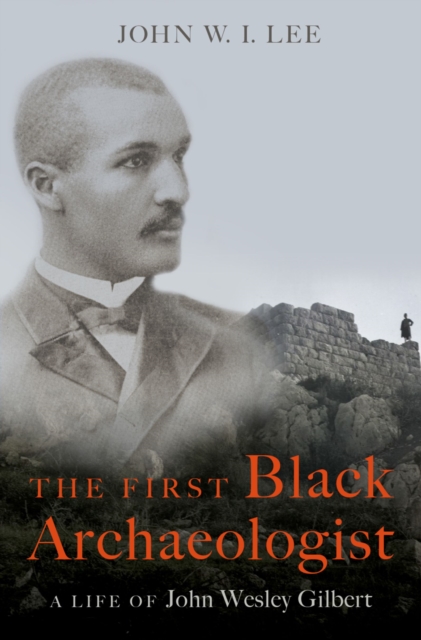
An inspiring portrait of an overlooked pioneer in Black history and American archaeology The First Black Archaeologist reveals the untold story of a pioneering African American classical scholar, teacher, community leader, and missionary.
An inspiring portrait of an overlooked pioneer in Black history and American archaeology The First Black Archaeologist reveals the untold story of a pioneering African American classical scholar, teacher, community leader, and missionary.
Bibliophobia is a book about material books, how they are cared for, and how they are damaged, throughout the 5000-year history of writing from Sumeria to the smartphone.
Bibliophobia is a book about material books, how they are cared for, and how they are damaged, throughout the 5000-year history of writing from Sumeria to the smartphone.
Connections and Transformations in Early Europe examines the diverse economic, social, and symbolic practices of Iron Age and early medieval societies in northern, western, and central Europe, offering fresh insights into the innovative processes of the 1st millennium BC and AD.
Connections and Transformations in Early Europe examines the diverse economic, social, and symbolic practices of Iron Age and early medieval societies in northern, western, and central Europe, offering fresh insights into the innovative processes of the 1st millennium BC and AD.
Materiality of Roman religion remains among the most striking and evocative features of our museums, archaeological parks, and ancient urban landscapes.
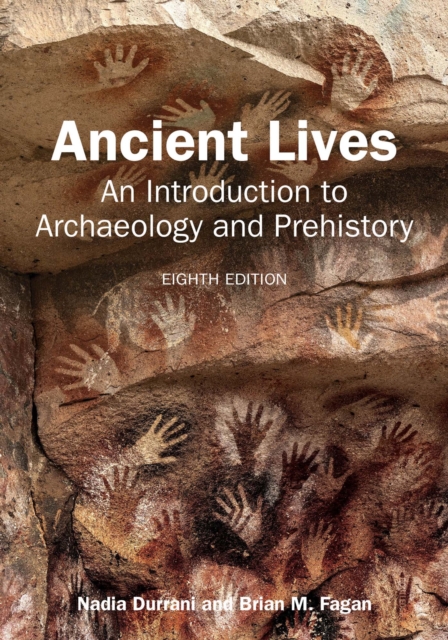
Ancient Lives is an engaging and accessible textbook that introduces complete beginners to the fascinating worlds of archaeology and prehistory through sites of key significance and the world's first civilizations.