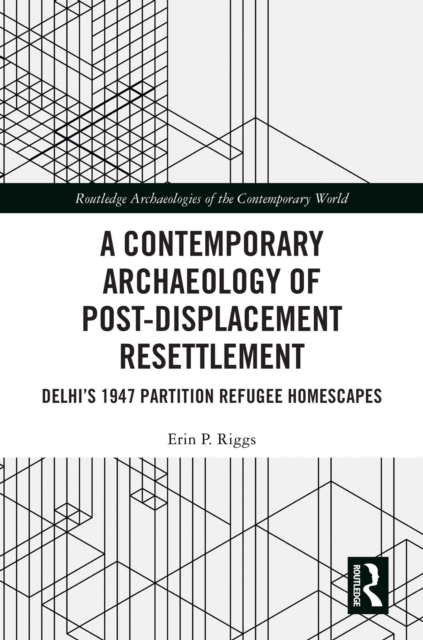
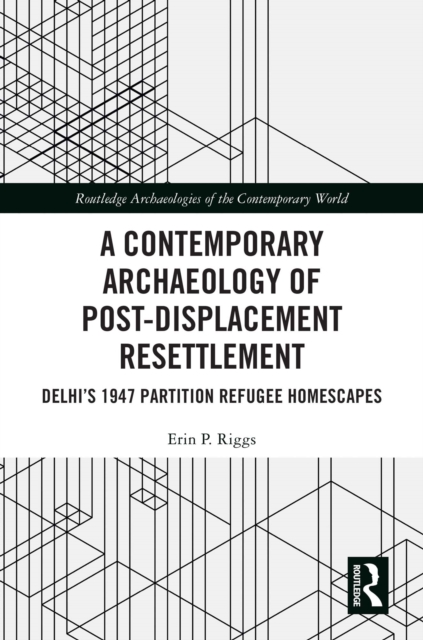
This book explores the archaeology of the 1947 Partition, the largest mass migration in human history, and the resulting resettlement of half a million refugees in Delhi, India's capital city.
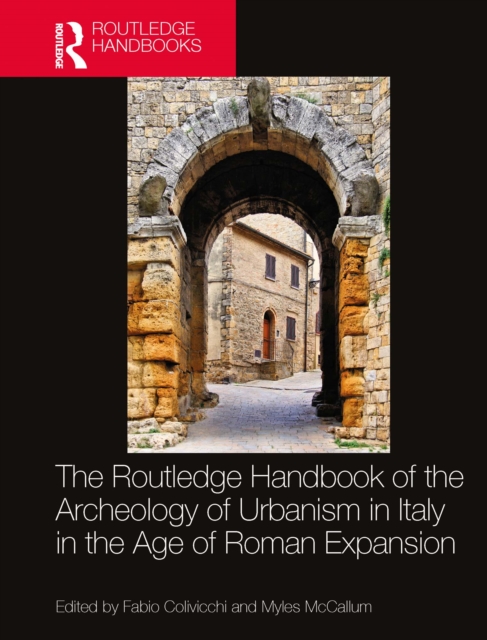
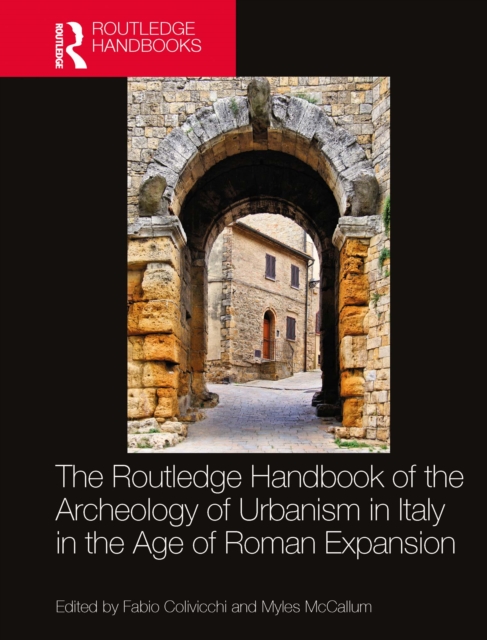
The Routledge Handbook of the Archaeology of Urbanism in Italy in the Age of Roman Expansion explores trends in urbanism across Italy in the period when Rome extended its power across the entire peninsula, Sicily, Sardinia, and Corsica.
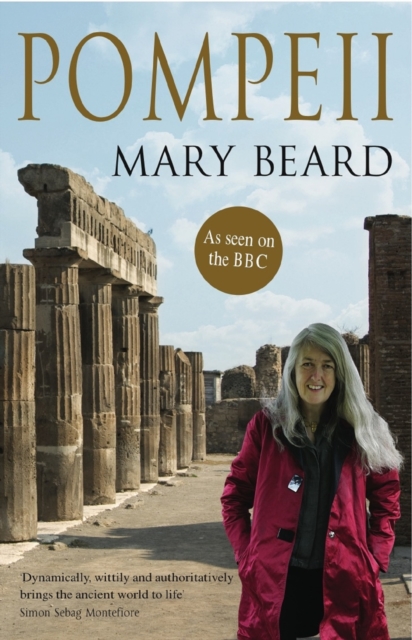
WINNER OF THE WOLFSON HISTORY PRIZE 2008'The world's most controversial classicist debunks our movie-style myths about the Roman town with meticulous scholarship and propulsive energy' Laura Silverman, Daily MailThe ruins of Pompeii, buried by an explosion of Vesuvius in 79 CE, offer the best evidence we have of everyday life in the Roman empire.
This book explores the archaeology of the 1947 Partition, the largest mass migration in human history, and the resulting resettlement of half a million refugees in Delhi, India's capital city.
The Routledge Handbook of the Archaeology of Urbanism in Italy in the Age of Roman Expansion explores trends in urbanism across Italy in the period when Rome extended its power across the entire peninsula, Sicily, Sardinia, and Corsica.
This volume analyzes the iconography of bound foreigners on New Kingdom monuments and artifacts to better understand Egyptian perspectives on foreigners and their treatment of prisoners of war.
WINNER OF THE WOLFSON HISTORY PRIZE 2008'The world's most controversial classicist debunks our movie-style myths about the Roman town with meticulous scholarship and propulsive energy' Laura Silverman, Daily MailThe ruins of Pompeii, buried by an explosion of Vesuvius in 79 CE, offer the best evidence we have of everyday life in the Roman empire.
This volume analyzes the iconography of bound foreigners on New Kingdom monuments and artifacts to better understand Egyptian perspectives on foreigners and their treatment of prisoners of war.
Ancient Lives is an engaging and accessible textbook that introduces complete beginners to the fascinating worlds of archaeology and prehistory through sites of key significance and the world's first civilizations.
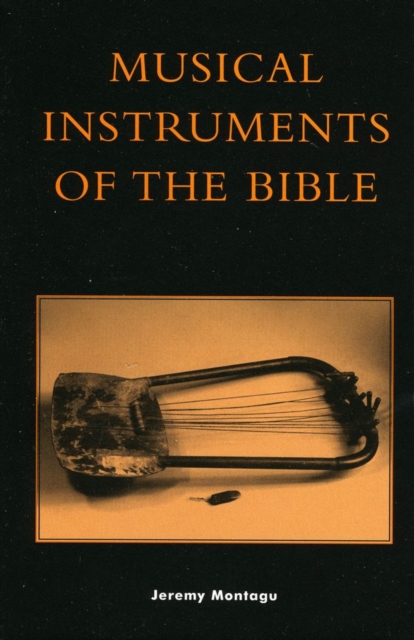
For everyone who's read the Bible and wondered what David's harp, or Nebuchadnezzar's sackbut and cornett really were, Jeremy Montagu, retired curator of Oxford's Bate Collection of Historical Instruments, has composed an astoundingly thorough investigation and explanation of the musical instruments that pepper the pages of Western Civilization's most holy book.
For everyone who's read the Bible and wondered what David's harp, or Nebuchadnezzar's sackbut and cornett really were, Jeremy Montagu, retired curator of Oxford's Bate Collection of Historical Instruments, has composed an astoundingly thorough investigation and explanation of the musical instruments that pepper the pages of Western Civilization's most holy book.
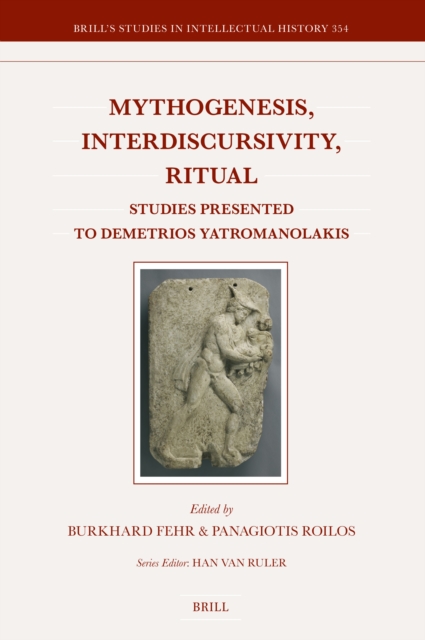
The studies included in Mythogenesis, Interdiscursivity, Ritual - written in honor of Professor Demetrios Yatromanolakis, a pioneering and influential scholar - shed new light on a variety of areas: the encounters of ancient Greece with other societies and cultures in antiquity; the interplay between art (vase-painting and sculpture) and broader ideological developments/ mentalities in antiquity; ritual in ancient Greek contexts; political ideologies and religion; history of scholarship, textual criticism/critical editing, and hermeneutics; the reception of myth and of archaic and classical Greek culture and philosophy in diverse discursive, mediatic, and sociocultural contexts - from early twentieth-century painting, to modernism and the avant-garde, to Foucauldian thought.
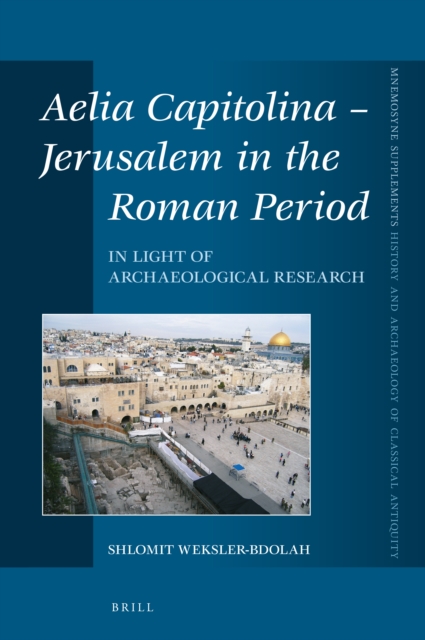
The book discusses the history and the archaeology of Jerusalem in the Roman period (70-400 CE) following a chronological order, from the establishment of the Tenth Roman Legion's camp on the ruins of Jerusalem in 70 CE, through the foundation of Aelia Capitolina by Hadrian, in around 130 CE, and the Christianization of the population and the cityscape in the fourth century.
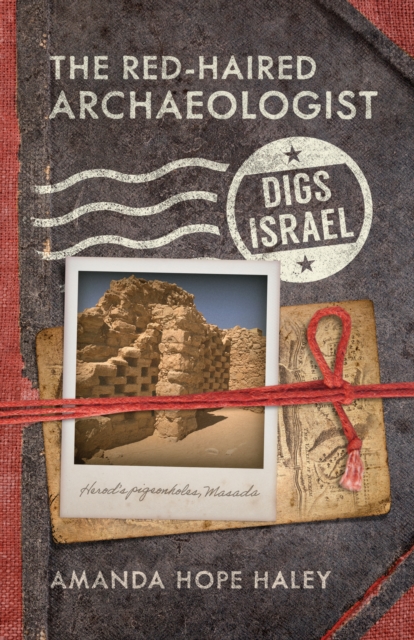
Travel Israelpast and presentto learn about its people and its God with Harvard-trained biblical archaeologist, whimsical storyteller, and sunscreen advocate Amanda Hope Haley.
Travel Israelpast and presentto learn about its people and its God with Harvard-trained biblical archaeologist, whimsical storyteller, and sunscreen advocate Amanda Hope Haley.
Explores the ever-present experiences of risk that characterized the daily existence of individuals, communities, and societies in the late Roman worldLiving with Risk in the Late Roman World explores the ever-present experiences of risk that characterized the daily existence of individuals, communities, and societies in the late Roman world (late third century CE through mid-sixth century CE).
Across the eighteenth century in Britain, readers, writers, and theater-goers were fascinated by women who dressed in men's clothing-from actresses on stage who showed their shapely legs to advantage in men's breeches to stories of valiant female soldiers and ruthless female pirates.
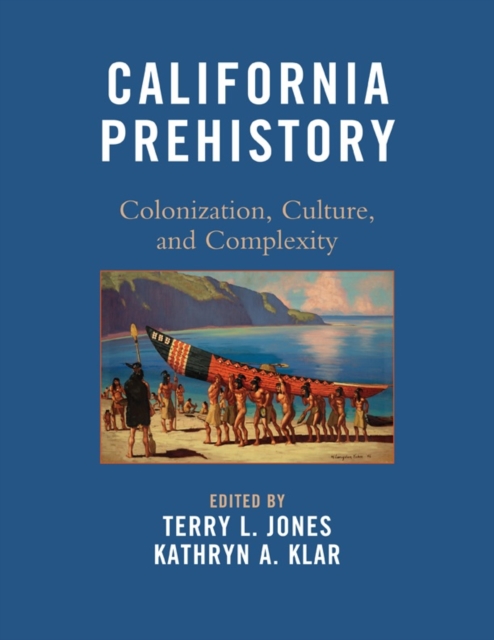
Some forty scholars examine California's prehistory and archaeology, looking at marine and terrestrial palaeoenvironments, initial human colonization, linguistic prehistory, early forms of exchange, mitochondrial DNA studies, and rock art.
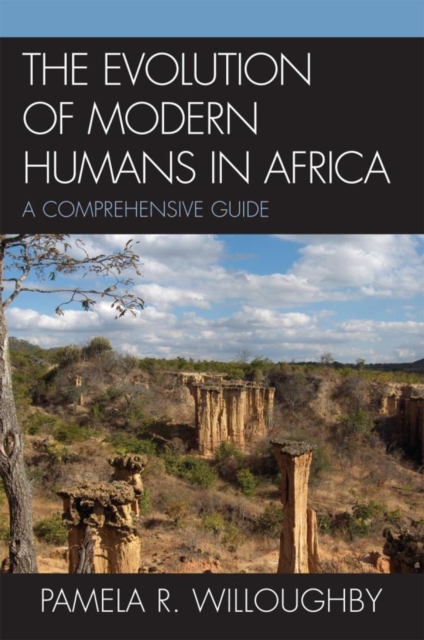
Pamela Willoughby provides a wide-ranging synthesis of current knowledge about the evolution of fully modern humans in Africa during the Middle Palaeolithic / Middle Stone Age.
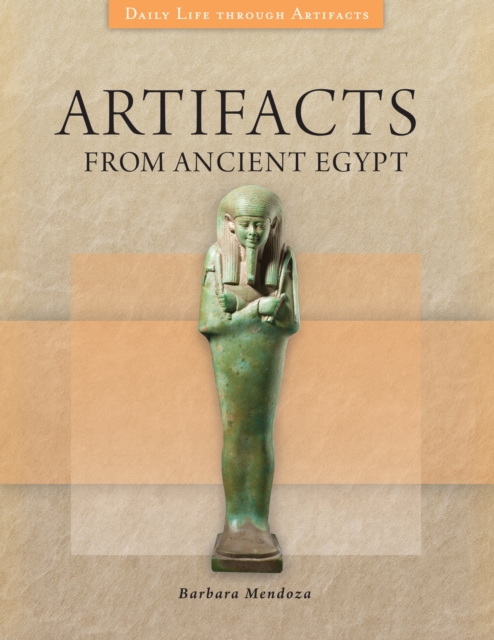
Primary source documents and detailed entries reveal what ancient Egypt was like, using the objects and artifacts of daily life from the period covering the Predynastic era through the Graeco-Roman period (5000 BCE to 300 CE).
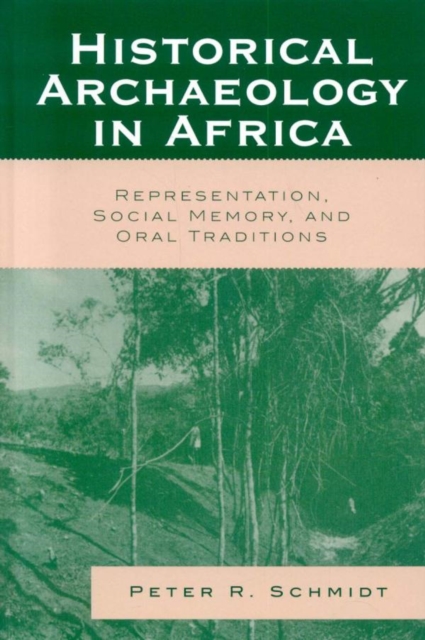
Historical Archaeology in Africa is an inquiry into historical questions that count, proposing different ways of thinking about historical archaeology.
This is the first detailed analysis of a completely excavated northern Iroquoian community, a sixteenth-century ancestral Wendat village on the north shore of Lake Ontario.
From the iconic stylist and fashion provocateur whose designs transformed culture - bringing the glitz of Studio 54 and the sophistication of Sex and the City to the mainstream - comes a playful yet intimate memoir of a life spent challenging conventions.
The Eastern Archaic, Historicized offers an alternative perspective on the genesis and transformation of cultural diversity over eight millennia of hunter-gatherer dwelling in eastern North America.
Explores the ever-present experiences of risk that characterized the daily existence of individuals, communities, and societies in the late Roman worldLiving with Risk in the Late Roman World explores the ever-present experiences of risk that characterized the daily existence of individuals, communities, and societies in the late Roman world (late third century CE through mid-sixth century CE).
K'Oben traces the Maya kitchen and its associated hardware, ingredients, and cooking styles from the earliest times for which we have archaeological evidence through today's culinary tourism in the area.
The Cayuga are one of the original five nations of the Haudenosaunee Confederacy, a powerful alliance of Native American tribes in the Northeast, inhabiting much of the land in what is now central New York State.
Primary source documents and detailed entries reveal what ancient Egypt was like, using the objects and artifacts of daily life from the period covering the Predynastic era through the Graeco-Roman period (5000 BCE to 300 CE).
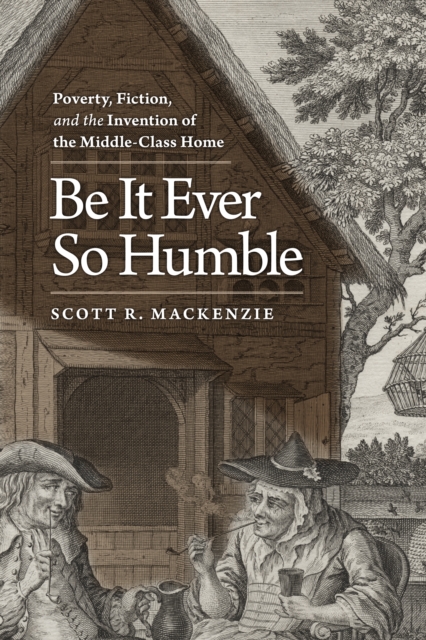
Before the rise of private homes as we now understand them, the realm of personal, private, and local relations in England was the parish, which was also the sphere of poverty management.
Across the eighteenth century in Britain, readers, writers, and theater-goers were fascinated by women who dressed in men's clothing-from actresses on stage who showed their shapely legs to advantage in men's breeches to stories of valiant female soldiers and ruthless female pirates.
Before the rise of private homes as we now understand them, the realm of personal, private, and local relations in England was the parish, which was also the sphere of poverty management.
This is the first detailed analysis of a completely excavated northern Iroquoian community, a sixteenth-century ancestral Wendat village on the north shore of Lake Ontario.