This volume offers a structured presentation of the progress of research into the internal history of a part of the Byzantine world - Greece - in the centuries before the multiple changes induced or accelerated by the Fourth Crusade.
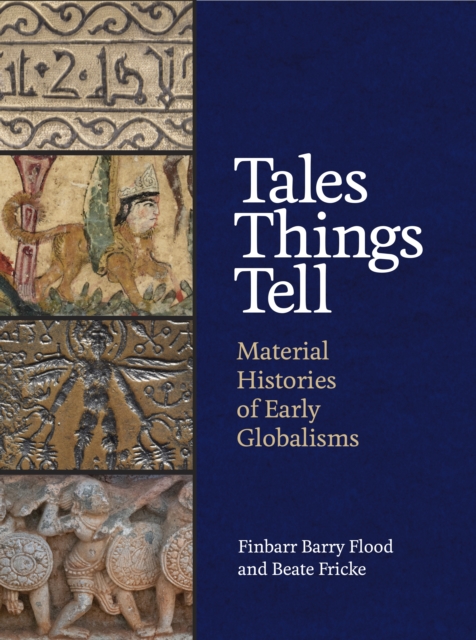
New perspectives on early globalisms from objects and imagesTales Things Tell offers new perspectives on histories of connectivity between Africa, Asia, and Europe in the period before the Mongol conquests of the thirteenth century.
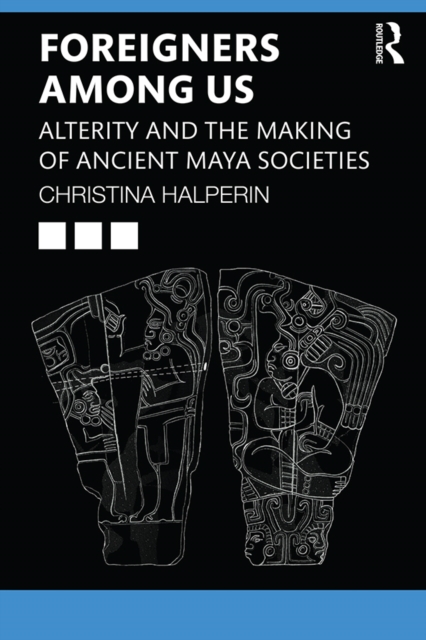
Assessing key questions such as who the foreigners and outsiders in ancient Maya societies were and how was the foreign a generative component of identity, Foreigners Among Us reassess the arrival of foreigners as part of archaeological understandings of Pre-Columbian Maya and questions not only who these foreigners might have been but who were making such designations of difference in the first place.
This volume offers a structured presentation of the progress of research into the internal history of a part of the Byzantine world - Greece - in the centuries before the multiple changes induced or accelerated by the Fourth Crusade.
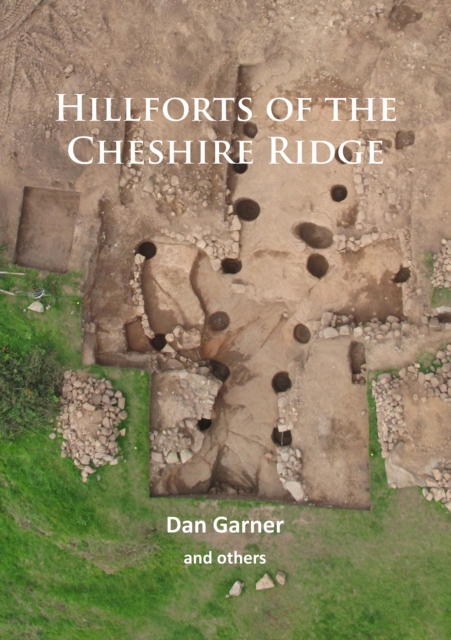
The Cheshire hillforts are some of the most conspicuous features of the prehistoric landscape in Cheshire, located on the distinctive Cheshire Sandstone Ridge.
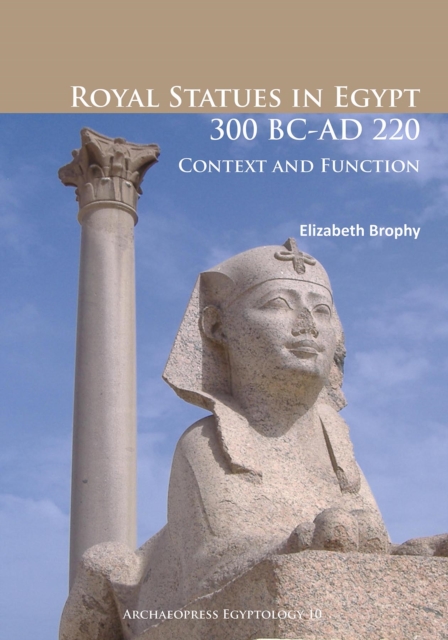
The aim of this book is to approach Ptolemaic and Imperial royal sculpture in Egypt dating between 300 BC and AD 220 (the reigns of Ptolemy I and Caracalla) from a contextual point of view.
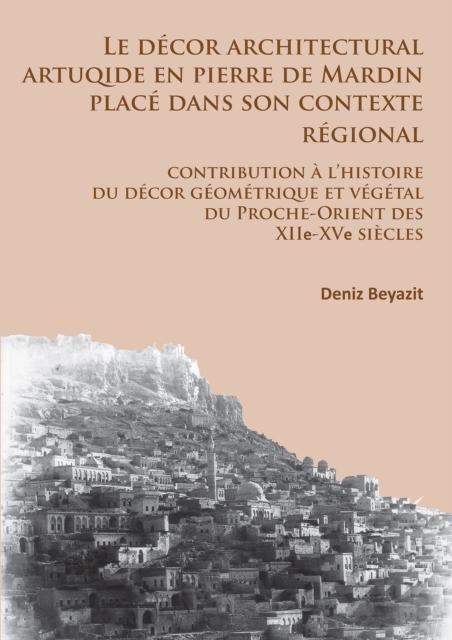
The Artuqids were one of the successor dynasties that rose to power in the aftermath of the eleventh-twelfth century invasion of Western and Central Asia by the Seljuq Turks.
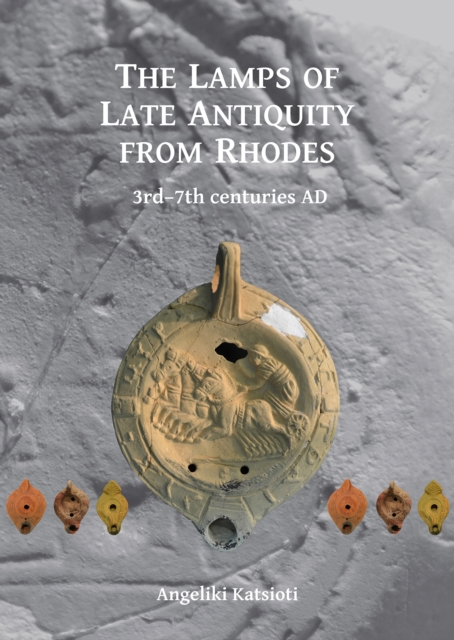
The city of Rhodes was an important harbour in the Hellenistic period, and although its political role in the Roman period was significantly diminished, it never ceased to be a key hub for trade.
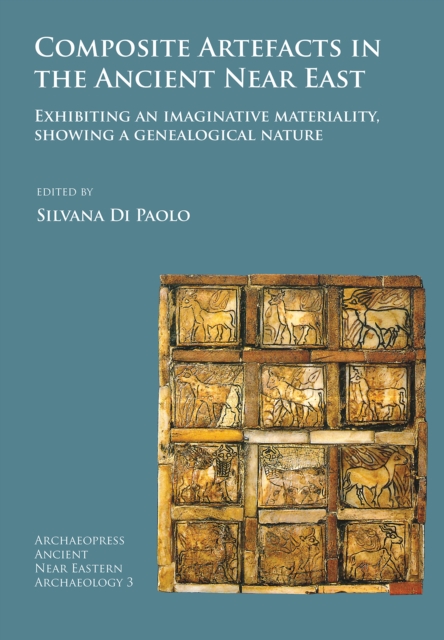
Composite Artefacts in the Ancient Near East: Exhibiting an imaginative materiality, showing a genealogical nature' examines the complex relationship between environment, materials, society and materiality with particular reference to the composite artefacts in the ancient Near East.
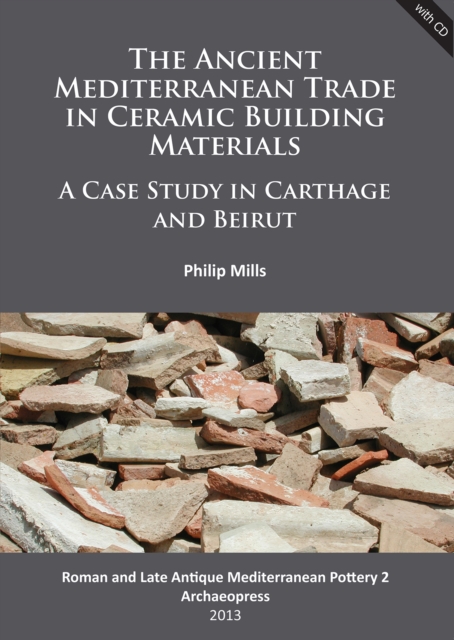
This study (the second volume in the Archaeopress series devoted to the publication of ceramics in the Roman Mediterranean and outlying territories from the late Republic to late Antiquity) addresses the level of interregional trade of ceramic building material (CBM), traditionally seen as a high bulk low value commodity, within the ancient Mediterranean between the third century BC and the seventh century AD.
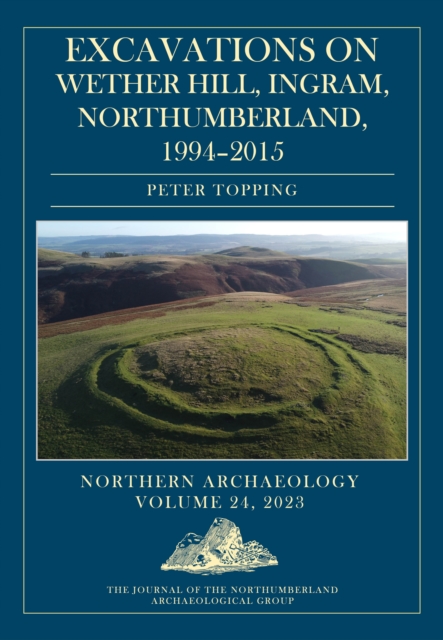
The Northumberland Archaeological Group’s (NAG) Wether Hill project spanned the years 1994–2015 and was located on the eponymous hilltop overlooking the mouth of the Breamish Valley in the Northumberland Cheviots.
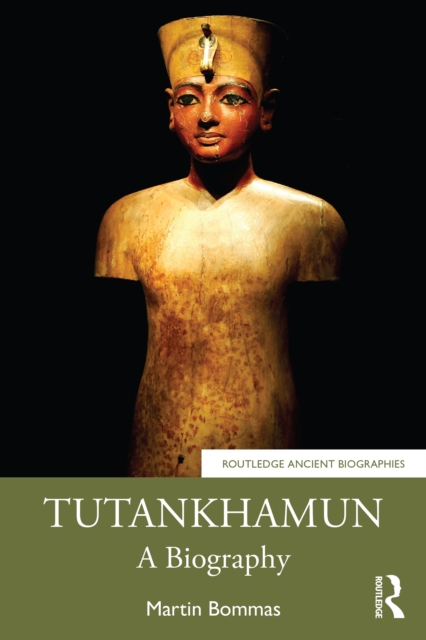
Over a century after his discovery, this comprehensive biography of Tutankhamun explores a wealth of evidence, including archaeological and ancient textual sources, DNA analysis and CT scanning, bringing to life a pharaoh who has remained elusive apart from his grandiose tomb treasures.
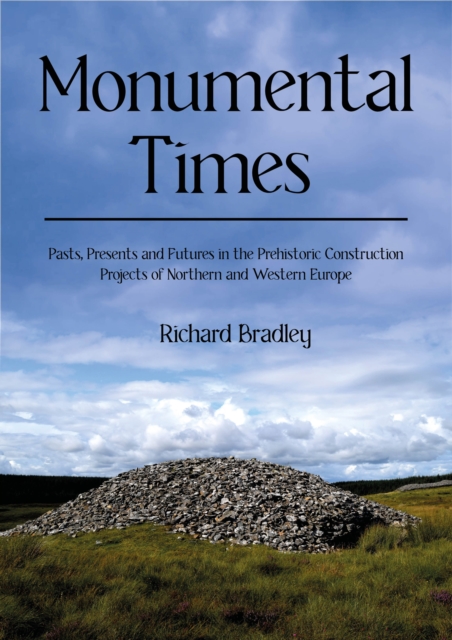
Richard Bradley's latest thought provoking re-examination of familiar monumental archaeology drawing on latest discussions of multi-temporality and the implications of new levels of analysis afforded by developments in archaeological sciences such as DNA, radiocarbon dating and isotopes.
This book collects recent works on the subjects of sacrificial offerings, ritualized violence and the relative values thereof in the contexts of Scandinavian prehistory from the Neolithic to the Viking era.
This book presents an introductory and comprehensive history of the Slavic-speaking peoples who inhabited Eastern and Southern Europe during the 700-year period stretching from the first archaeological and historical records to the establishment of their first organised polities.
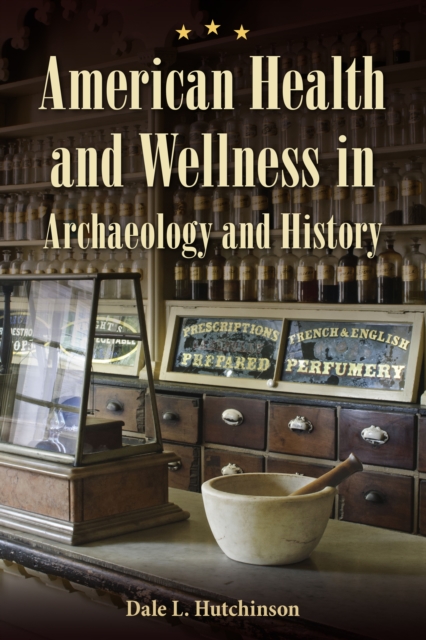
In this book, Dale Hutchinson traces the history of American health care and well-being from the colonial era to the present, drawing on evidence from material culture and historical documents to offer insights into the long-standing tension between traditional and institutionalized cures, as well as the emergence of the countrys unique brand of medical consumerism.
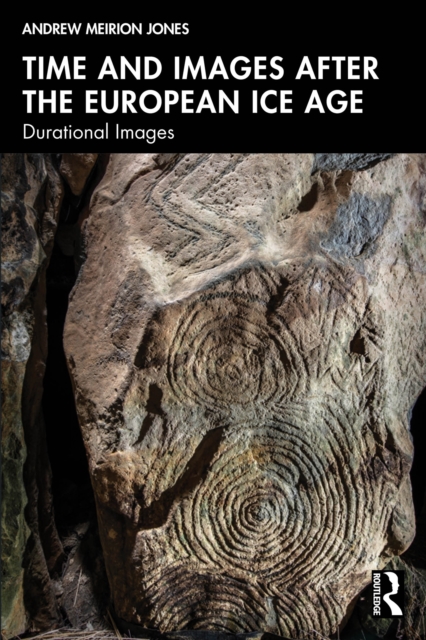
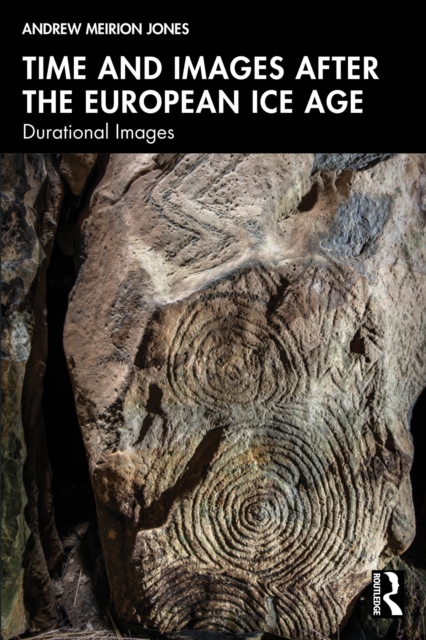
Time and Images after the European Ice Age explores images from the Mesolithic, Neolithic and Bronze Age of Atlantic and Northern Europe to reconsider their ontological attributes as tools for navigating time.
Time and Images after the European Ice Age explores images from the Mesolithic, Neolithic and Bronze Age of Atlantic and Northern Europe to reconsider their ontological attributes as tools for navigating time.