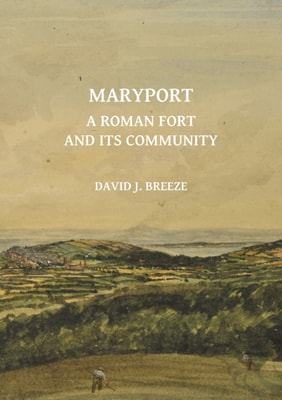
The collection of Roman inscribed stones and sculpture, together with other Roman objects found at Maryport in Cumbria, is the oldest archaeological collection in Britain still in private hands.
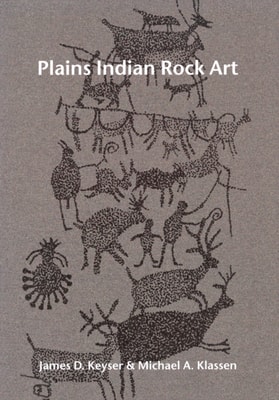
The Plains region that stretches from northern Colorado to southern Alberta and from the Rockies to the western Dakotas is the land of the Cheyenne and the Blackfeet, the Crow and the Sioux.
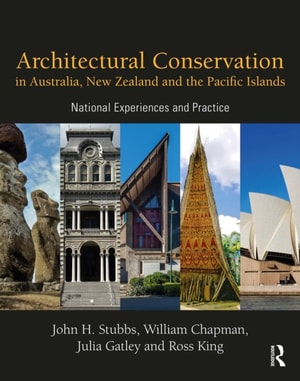
The fourth in a series that documents architectural conservation in different parts of the world, Architectural Conservation in Australia, New Zealand and the Pacific Islands: National Experiences and Practice addresses cultural heritage protection in a region which comprises one third of the Earth's surface.
The fourth in a series that documents architectural conservation in different parts of the world, Architectural Conservation in Australia, New Zealand and the Pacific Islands: National Experiences and Practice addresses cultural heritage protection in a region which comprises one third of the Earth's surface.
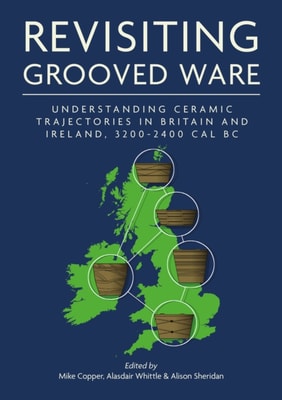
Following its appearance, arguably in Orkney in the 32nd century cal BC, Grooved Ware soon became widespread across Britain and Ireland, seemingly replacing earlier pottery styles and being deposited in contexts as varied as simple pits, passage tombs, ceremonial timber circles and henge monuments.
Following its appearance, arguably in Orkney in the 32nd century cal BC, Grooved Ware soon became widespread across Britain and Ireland, seemingly replacing earlier pottery styles and being deposited in contexts as varied as simple pits, passage tombs, ceremonial timber circles and henge monuments.
Making Heritage Together presents a case study of public archaeology by focusing on the collaborative creation of knowledge about the past with a rural community in central Crete.
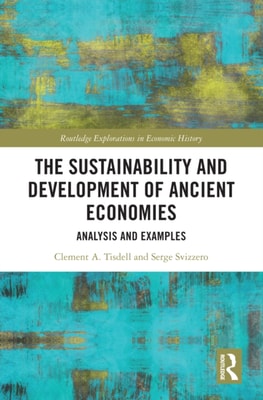
Drawing on modern economic theory, this book provides new insights into the economic development of ancient economies and the sustainability of their development.
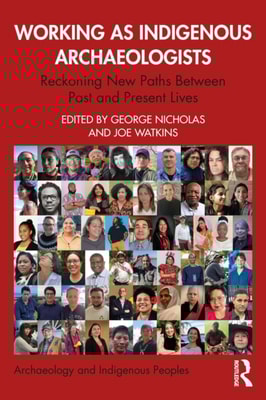
Working as Indigenous Archaeologists explores the often-contentious relationship between Indigenous and other formerly colonized peoples and Archaeology through their own voices.
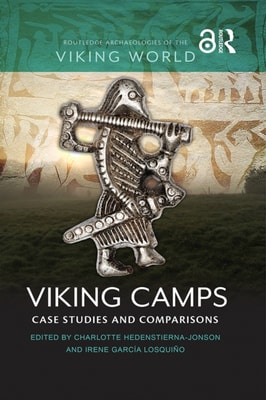
This book is the coming together of several disciplines under the thematic umbrella of Viking Camps and provides the very latest research presented by the leading researchers in the field, making it the most comprehensive compilation of the phenomenon of Viking camps to date.
This volume provides fresh insight into northern human-animal relations and illustrates the breadth and practical utility of archaeological human-animal studies.
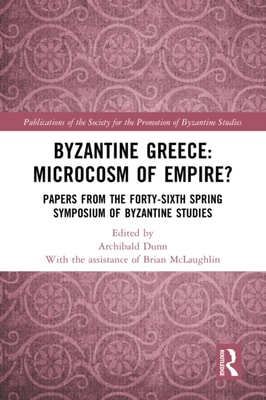
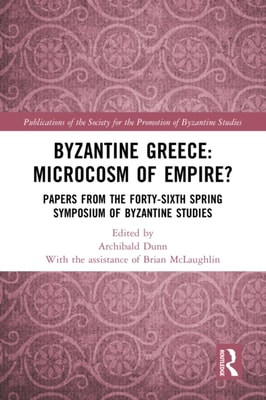
This volume offers a structured presentation of the progress of research into the internal history of a part of the Byzantine world - Greece - in the centuries before the multiple changes induced or accelerated by the Fourth Crusade.
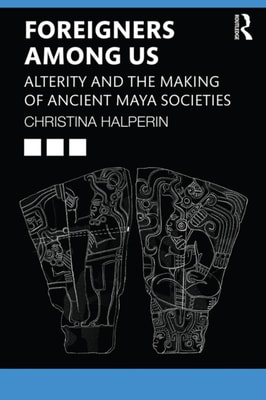
Assessing key questions such as who the foreigners and outsiders in ancient Maya societies were and how was the foreign a generative component of identity, Foreigners Among Us reassess the arrival of foreigners as part of archaeological understandings of Pre-Columbian Maya and questions not only who these foreigners might have been but who were making such designations of difference in the first place.
This volume offers a structured presentation of the progress of research into the internal history of a part of the Byzantine world - Greece - in the centuries before the multiple changes induced or accelerated by the Fourth Crusade.
This book reveals the medieval Mediterranean region as a richly nuanced space of places and peoples connected by a body of water, but far from unified-and seeks to challenge what we think we know about the medieval Mediterranean and the world it influenced.
The Cheshire hillforts are some of the most conspicuous features of the prehistoric landscape in Cheshire, located on the distinctive Cheshire Sandstone Ridge.
The aim of this book is to approach Ptolemaic and Imperial royal sculpture in Egypt dating between 300 BC and AD 220 (the reigns of Ptolemy I and Caracalla) from a contextual point of view.
The Artuqids were one of the successor dynasties that rose to power in the aftermath of the eleventh-twelfth century invasion of Western and Central Asia by the Seljuq Turks.
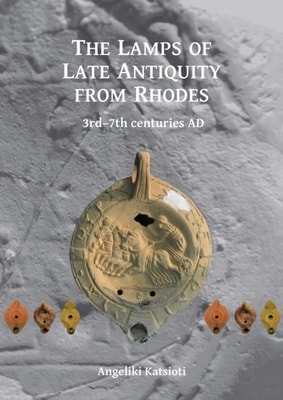
The city of Rhodes was an important harbour in the Hellenistic period, and although its political role in the Roman period was significantly diminished, it never ceased to be a key hub for trade.
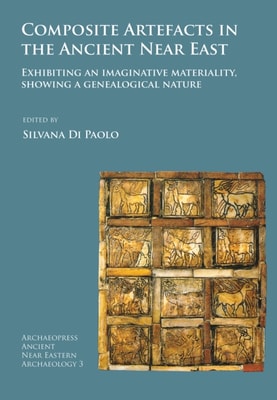
Composite Artefacts in the Ancient Near East: Exhibiting an imaginative materiality, showing a genealogical nature' examines the complex relationship between environment, materials, society and materiality with particular reference to the composite artefacts in the ancient Near East.
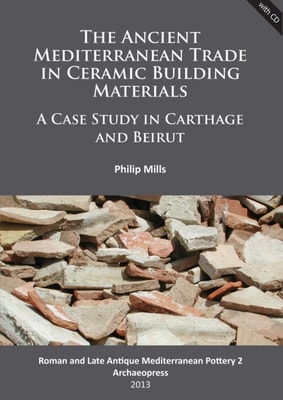
This study (the second volume in the Archaeopress series devoted to the publication of ceramics in the Roman Mediterranean and outlying territories from the late Republic to late Antiquity) addresses the level of interregional trade of ceramic building material (CBM), traditionally seen as a high bulk low value commodity, within the ancient Mediterranean between the third century BC and the seventh century AD.
The Northumberland Archaeological Group’s (NAG) Wether Hill project spanned the years 1994–2015 and was located on the eponymous hilltop overlooking the mouth of the Breamish Valley in the Northumberland Cheviots.
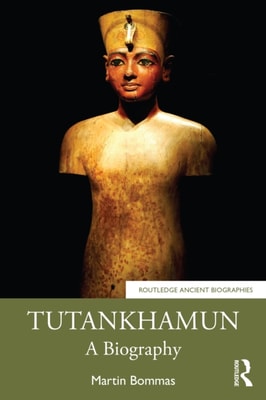
Over a century after his discovery, this comprehensive biography of Tutankhamun explores a wealth of evidence, including archaeological and ancient textual sources, DNA analysis and CT scanning, bringing to life a pharaoh who has remained elusive apart from his grandiose tomb treasures.
Richard Bradley's latest thought provoking re-examination of familiar monumental archaeology drawing on latest discussions of multi-temporality and the implications of new levels of analysis afforded by developments in archaeological sciences such as DNA, radiocarbon dating and isotopes.
In the 88 years between its establishment by the victorious armies of the First Crusade and its collapse following the disastrous defeat at Hattin, the Latin Kingdom of Jerusalem was the site of vibrant artistic and architectural activity.
In the 88 years between its establishment by the victorious armies of the First Crusade and its collapse following the disastrous defeat at Hattin, the Latin Kingdom of Jerusalem was the site of vibrant artistic and architectural activity.
This book explores coinage and related object types as an important form of material culture that is crucial to interrogating interactions between coloniser and colonised.
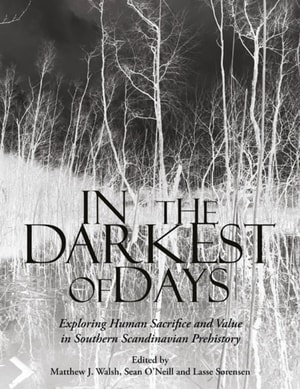
This book collects recent works on the subjects of sacrificial offerings, ritualized violence and the relative values thereof in the contexts of Scandinavian prehistory from the Neolithic to the Viking era.
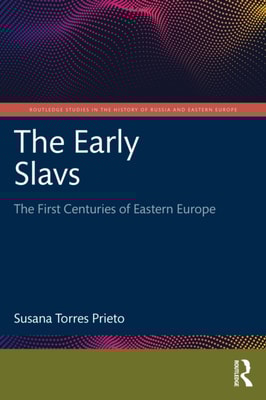
This book presents an introductory and comprehensive history of the Slavic-speaking peoples who inhabited Eastern and Southern Europe during the 700-year period stretching from the first archaeological and historical records to the establishment of their first organised polities.
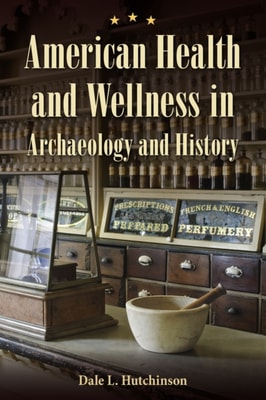
In this book, Dale Hutchinson traces the history of American healthcare and wellbeing from the colonial era to the present, drawing on evidence from material culture and historical documents.
This book explores the experience of labour for ancient Greek farming communities using historical, archaeological, bioarchaeological, and ethnographic data.
This book explores the experience of labour for ancient Greek farming communities using historical, archaeological, bioarchaeological, and ethnographic data.