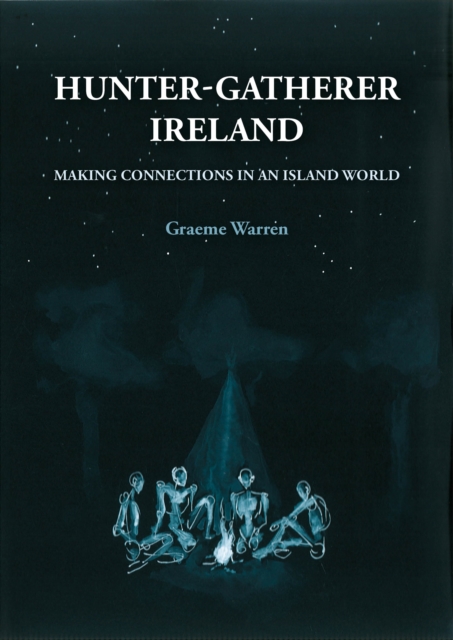
Explores the Irish Mesolithic - the period after the end of the last Ice Age when Ireland was home to hunter-gatherer communities, mostly from about 10,000-6,000 years ago.
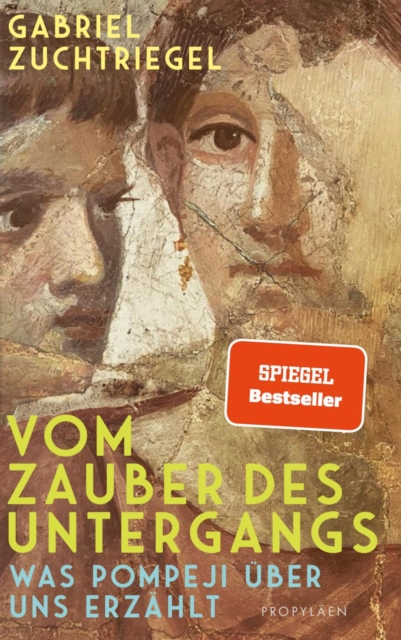
»Eine Liebeserklärung an die Archäologie« Frankfurter Allgemeine ZeitungGarküchen, ein Sklavenzimmer, griechische Theater, Villen, Thermen und Tempel – die Ausgrabungen in Pompeji offenbaren eine Welt.
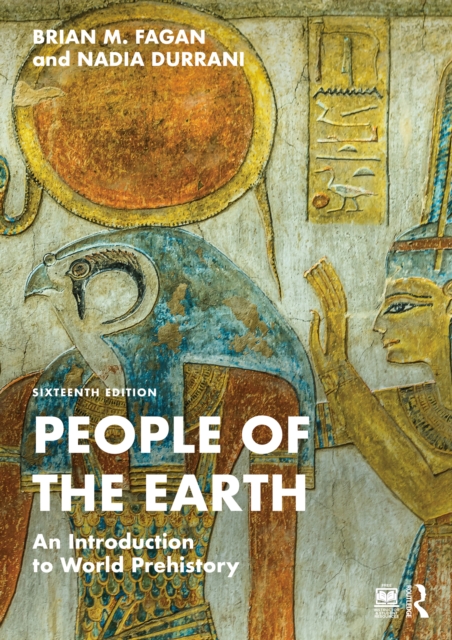
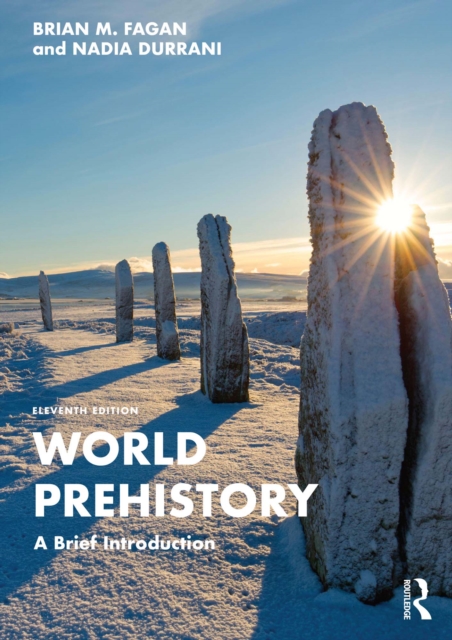
People of the Earth is a narrative account of the prehistory of humankind from our origins over 6 million years ago to the first pre-industrial states, beginning about 5,000 years ago.
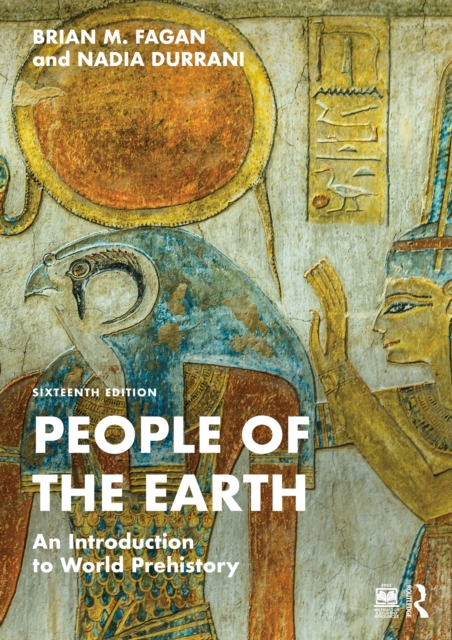
People of the Earth is a narrative account of the prehistory of humankind from our origins over 6 million years ago to the first pre-industrial states, beginning about 5,000 years ago.
The shift from a hunting and gathering economy to a productive economy, based on the domestication of plants and animals, is one of the most important changes in human history.
The shift from a hunting and gathering economy to a productive economy, based on the domestication of plants and animals, is one of the most important changes in human history.
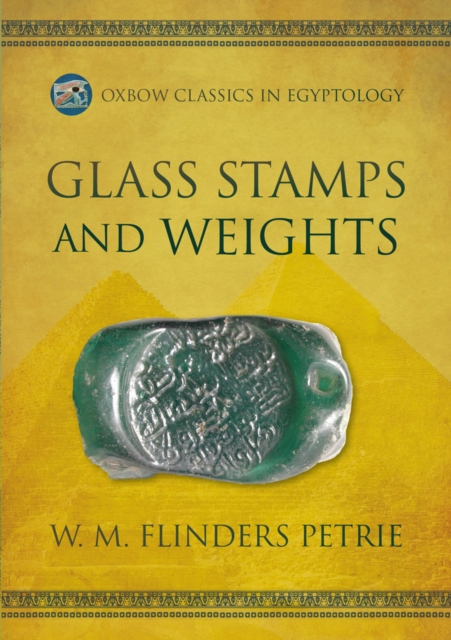
Facsimile of volume of detailed catalog prepared by Flinders Petrie on artifacts largely collected from his Egyptian explorations of a series of glass stamps of Egyptian manufacture that were used from the Roman to Abbasid period variously as tokens, counters, weights, or attached to glass cups as indications of measure.
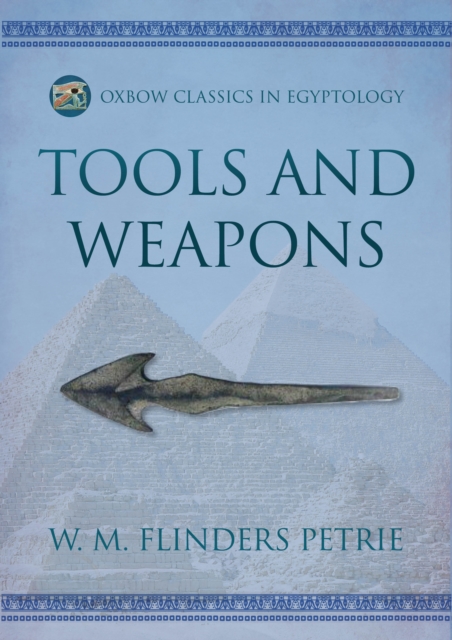
Facsimile edition of the 1974 reissue of Flinders Petrie’s 1917 pioneering typological catalog of Egyptian metal, wooden and composite tools and weapons, one of a number of such catalogs to be reissued in this new series.
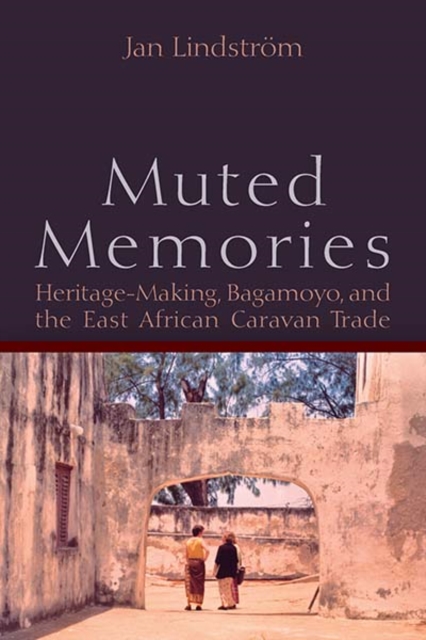
In the late nineteenth century, tens of thousands of porters carried ivory every year from the African interior to Bagamoyo, a port town at the Indian Ocean.
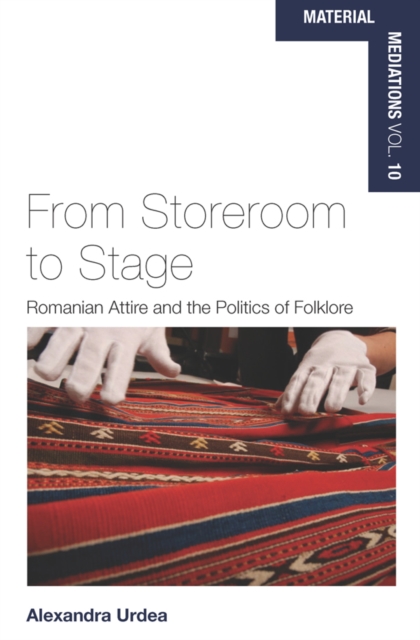
Departing from an ethnographic collection in London, From Storeroom to Stage traces the journey of its artefacts back to the Romanian villages where they were made 70 years ago, and to other places where similar objects are still in use.
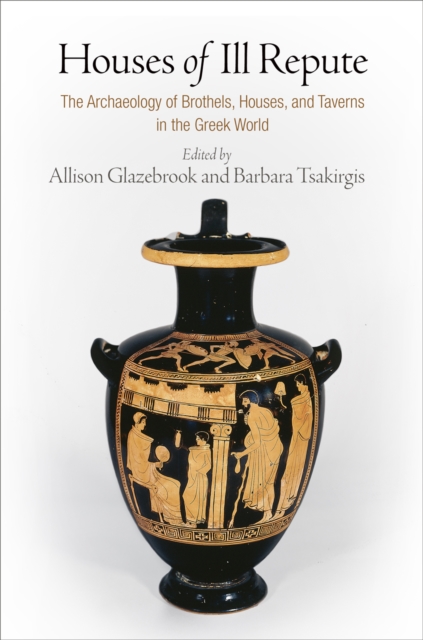
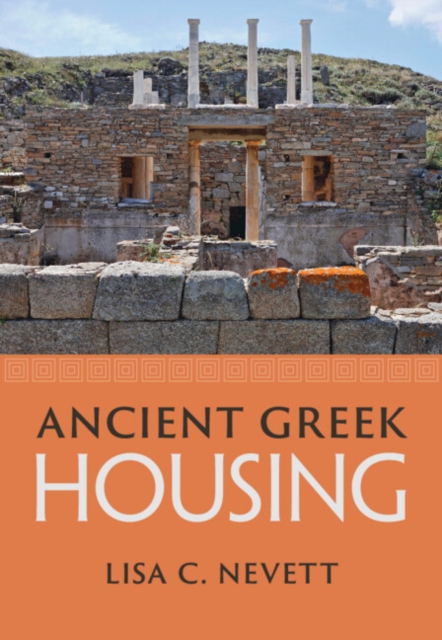
The study of ancient Greek urbanism has moved from examining the evidence for town planning and the organization of the city-state, or polis, to considerations of "e;everyday life.
Enheduana: Princess, Priestess, Poetess offers the first comprehensive biography of Enheduana, daughter of Sargon of Agade and one of the most intriguing, yet elusive, women from antiquity.
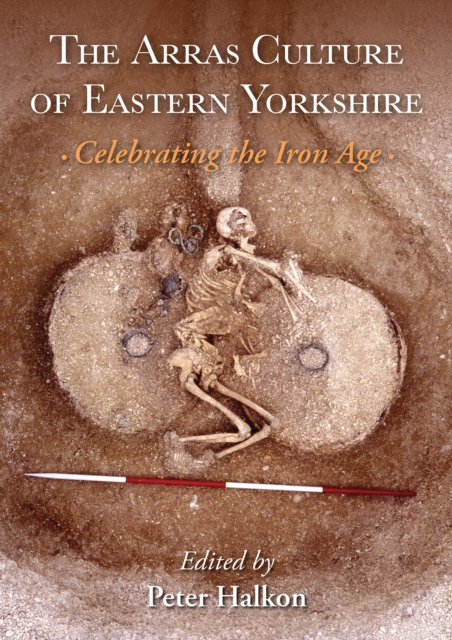
In 1817 a group of East Yorkshire gentry opened barrows in a large Iron Age cemetery on the Yorkshire Wolds at Arras, near Market Weighton, including a remarkable burial accompanied by a chariot with two horses, which became known as the King’s Barrow.
This book explores social cohesion in rural settlements in western Europe from 700-1050, asking to what extent settlements, or districts, constituted units of social organisation.
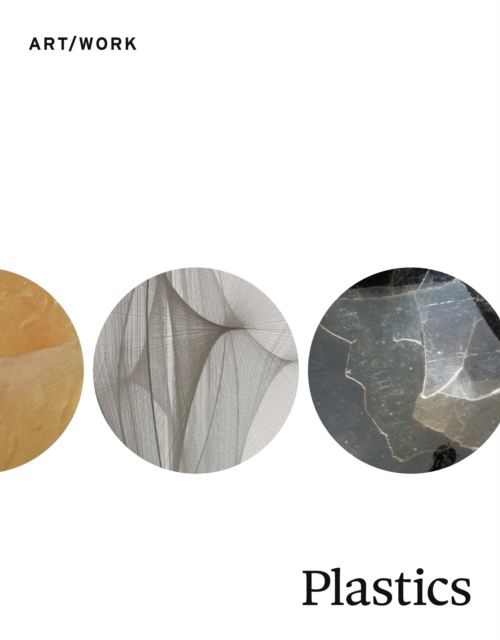
Why modern and contemporary artand art conservationcan't be understood without taking account of the revolutionary impact of plasticsModern and contemporary art wouldn't exist without the invention of plastics.
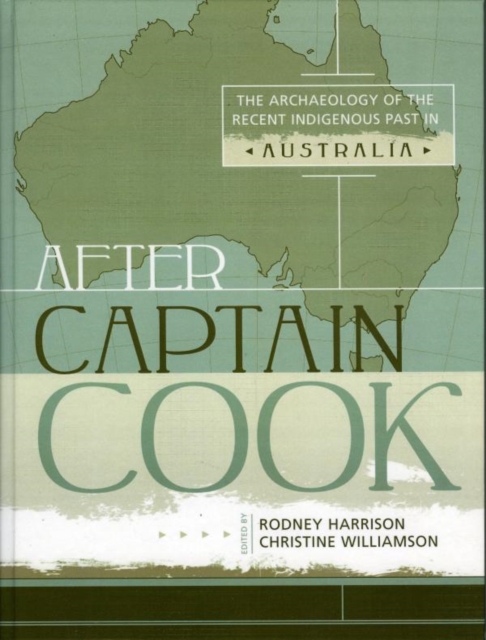
The original papers collected in this pioneering volume address the historical archaeology of Aboriginal Australia and its application in researching the shared history of Aboriginal and settler Australians.
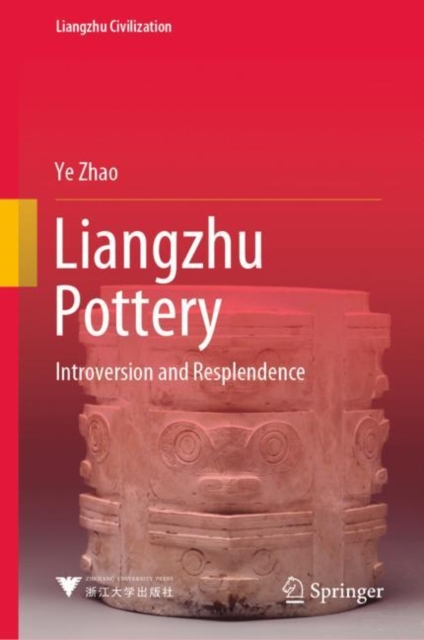
This book elaborates on the distinctive characteristics as well as the archaeological, historical and artistic value of Liangzhu pottery, welcoming readers to the wonderful world of Liangzhu by introducing them to its origin, type, design, decoration, evolution and processing technology.
The definitive book on the archaeology of Palestine from Alexander the Great’s conquest to Constantine’s reign Drawing on the most recent, groundbreaking archaeological research, Eric M.
This volume explores the part played by different metals in use from the fourth millennium BC to the Early Iron Age, not only in the Aegean but also in the wider Old World.
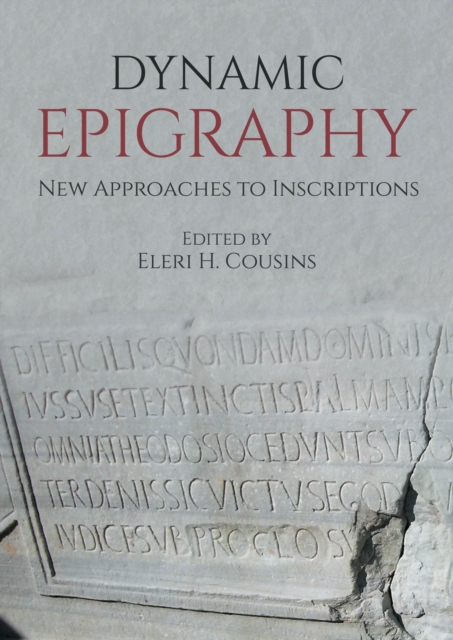
This volume, with origins in a panel at the 2018 Celtic Conference in Classics, presents creative new approaches to epigraphic material, in an attempt to 'shake up' how we deal with inscriptions.
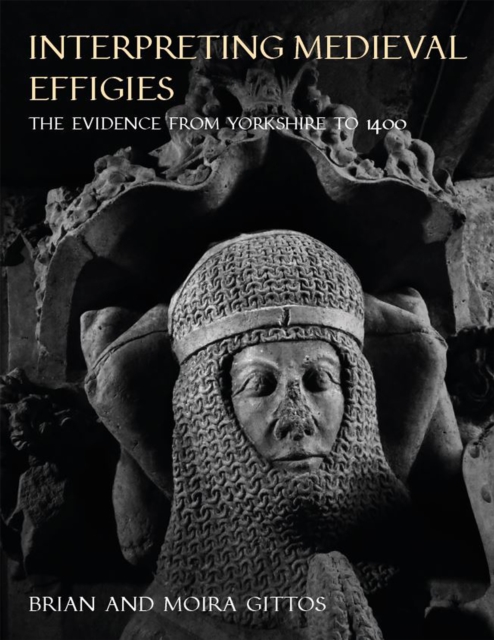
This innovative study examines and analyses the wealth of evidence provided by the monumental effigies of Yorkshire, from the thirteenth and fourteenth centuries, including some of very high sculptural merit.
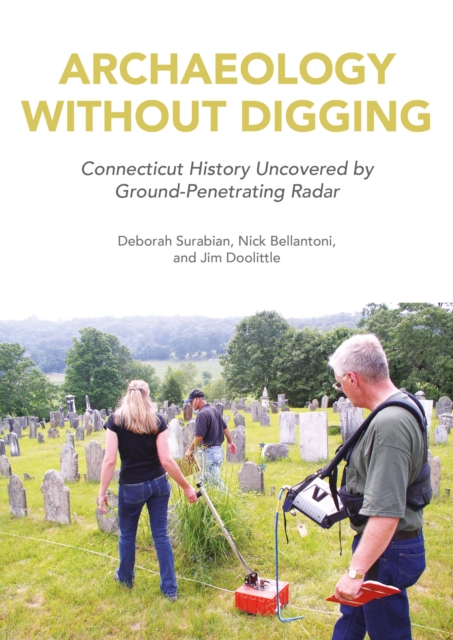
Over the last 30 years, the Connecticut Office of State Archaeology and the Department of Agriculture’s Natural Resource Conservation Service have entered into a partnership employing ground-penetrating radar (GPR) to the study of the state’s archaeology and history.
Facsimile of volume of detailed catalog prepared by Flinders Petrie on artifacts largely collected from his Egyptian explorations of a series of glass stamps of Egyptian manufacture that were used from the Roman to Abbasid period variously as tokens, counters, weights, or attached to glass cups as indications of measure.
Facsimile edition of the 1974 reissue of Flinders Petrie’s 1917 pioneering typological catalog of Egyptian metal, wooden and composite tools and weapons, one of a number of such catalogs to be reissued in this new series.
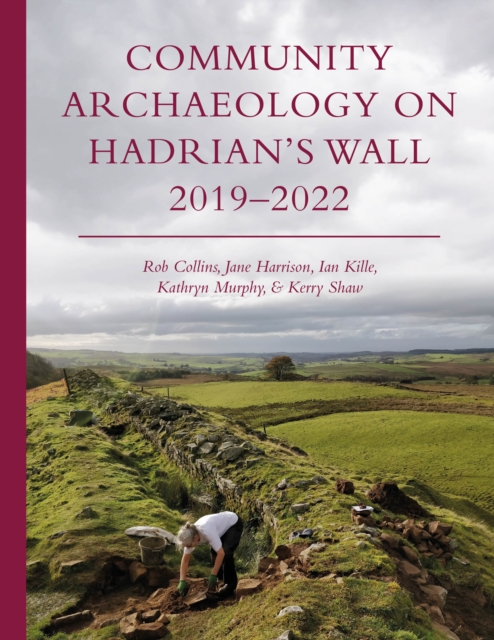
The Hadrian’s Wall Community Archaeology Project (WallCAP) was funded by the National Lottery Heritage Fund to promote the value of heritage – specifically of the Hadrian’s Wall World Heritage Site – to local communities and provide opportunities for volunteers to engage with the archaeology and conservation of the Wall to better ensure the future of the monument.
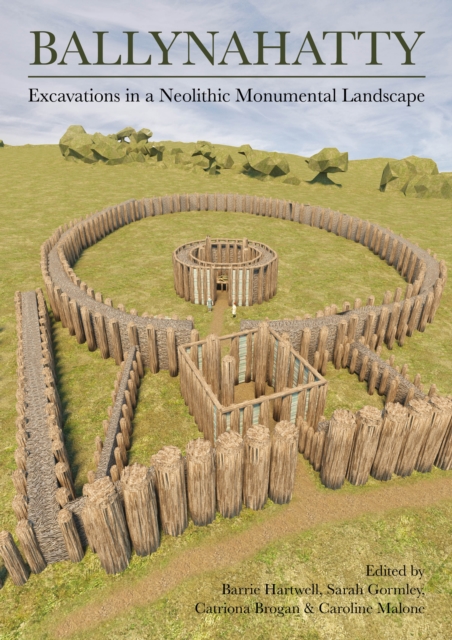
Just six miles from the center of Belfast, County Down, on the plateau of Ballynahatty above the River Lagan, is one of Ireland’s great Neolithic henge monuments: the 200 m wide Giant’s Ring.
Cyrus the Great was a celebrity of the ancient world, the founder of one of the first world empires in the ancient Near East, whose life and deeds were celebrated through the many stories told about him, then and for millennia.
Cyrus the Great was a celebrity of the ancient world, the founder of one of the first world empires in the ancient Near East, whose life and deeds were celebrated through the many stories told about him, then and for millennia.
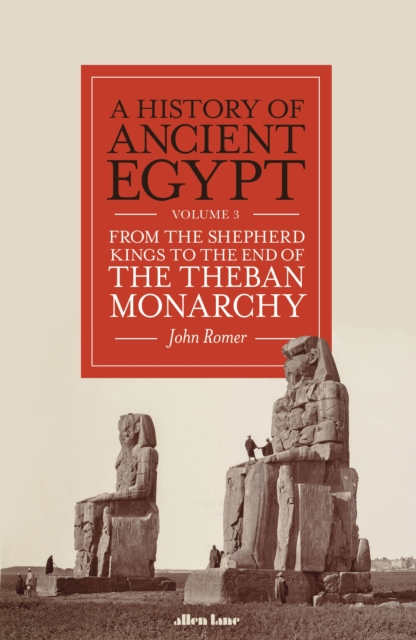
The final chapter in the definitive, three-volume history of the world's first known stateArchaeologist John Romer has spent a lifetime chronicling the history of Ancient Egypt, and here he tells the epic story of an era dominated by titans of the popular imagination: the radical iconoclast Akhenaten, the boy-king Tutankhamun and the all-conquering Ramesses II.
The Hadrian’s Wall Community Archaeology Project (WallCAP) was funded by the National Lottery Heritage Fund to promote the value of heritage – specifically of the Hadrian’s Wall World Heritage Site – to local communities and provide opportunities for volunteers to engage with the archaeology and conservation of the Wall to better ensure the future of the monument.
Just six miles from the center of Belfast, County Down, on the plateau of Ballynahatty above the River Lagan, is one of Ireland’s great Neolithic henge monuments: the 200 m wide Giant’s Ring.